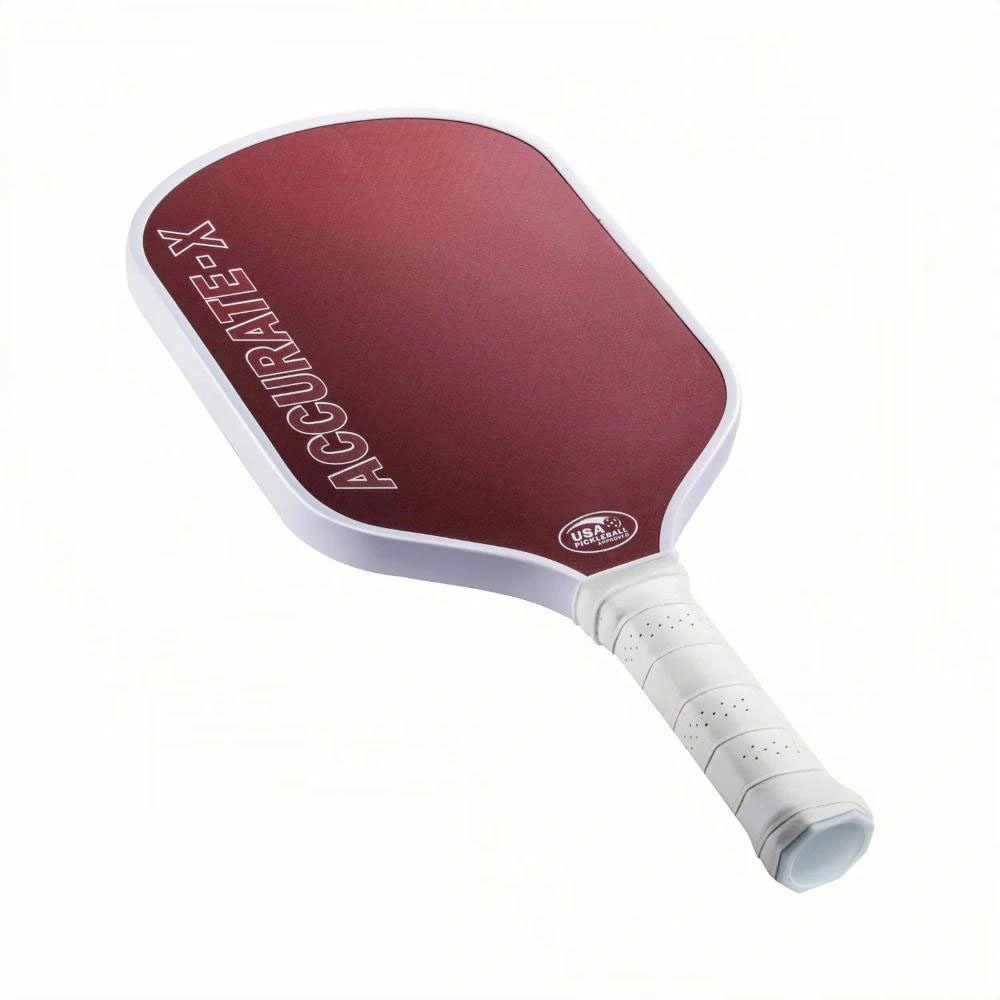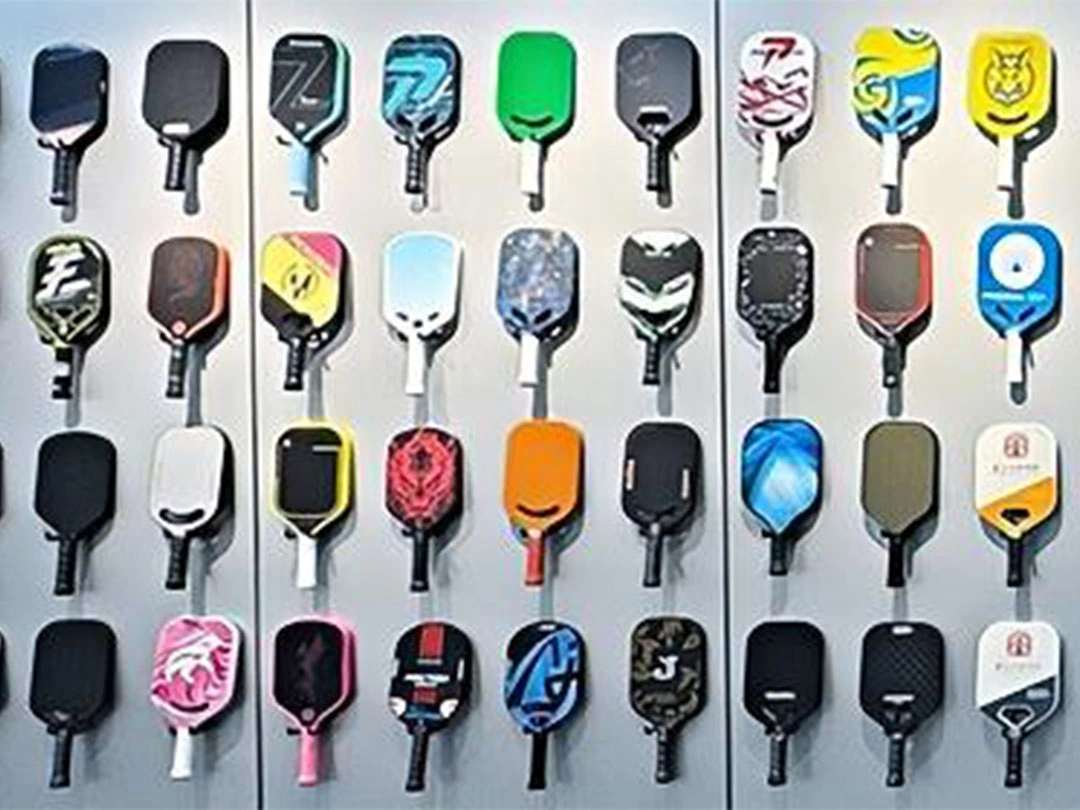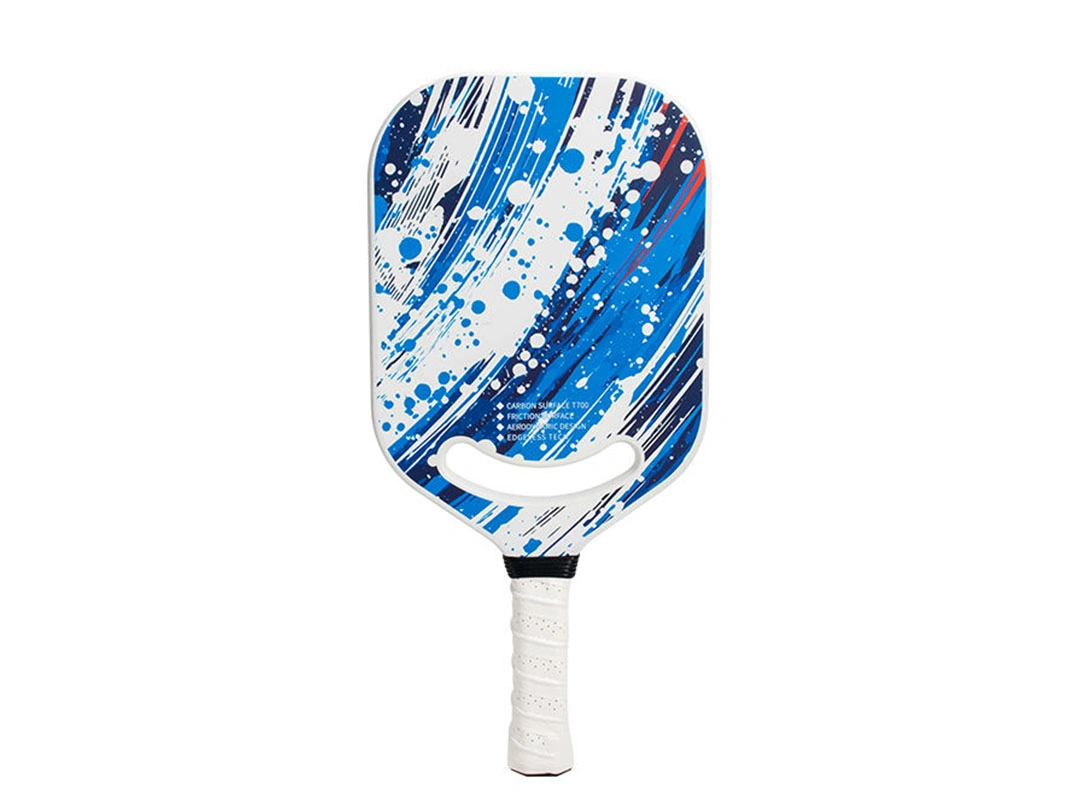
Choosing between T700, T800, and Kevlar is not really a contest to find the “best” paddle material.
It is a product-line decision.
For brands comparing materials with a custom pickleball paddle manufacturer, the real decision is whether the face supports a clear player promise, target retail tier, repeatable construction, and defensible production cost.
For many brands, T700 is the practical choice for a main performance model. T800 may make sense when a flagship needs a credible premium story and the full construction supports it. Kevlar—usually used as an aramid or aramid-carbon surface system—can help a control- or feel-led model stand apart visually and commercially.
For a current commercial T800 option, review our T800 carbon pickleball paddles.
The right answer depends on the job each SKU must do.
The Short Answer
| Material direction | Best product-line role | Likely buyer promise | Main commercial advantage | Main sourcing risk |
|---|---|---|---|---|
| T700 raw carbon | Hero or core performance SKU | Balanced control, spin potential, and familiar performance positioning | Recognizable specification with broad market acceptance | Treating “T700” as a complete paddle specification |
| T800 carbon | Flagship or halo SKU | Premium, fast, responsive, technically advanced | Higher perceived material tier and launch-story value | Paying for a label without proving a meaningful finished-paddle difference |
| Kevlar/aramid or aramid-carbon | Differentiated control or specialty SKU | Distinct feel, stability, comfort, and visual identity | Strong differentiation in a carbon-heavy category | Assuming fiber toughness automatically guarantees surface life or soft feel |
If your brand is launching one performance paddle, start by evaluating a well-executed T700 construction. If you already have a proven main SKU and need a premium halo model, test T800 as part of a complete construction—not as a face-material swap alone. If your line needs a visibly different control-oriented or specialty story, sample an aramid-carbon configuration and validate the feel with your target players.
First, Understand What the Labels Do—and Do Not—Tell You
T700 and T800 are grade labels used within the broader category of carbon fiber pickleball paddles. Kevlar is a brand name commonly used in the market for an aramid fiber; in OEM discussions, you may also see “aramid,” “Kevlar-style,” or a hybrid aramid-carbon weave.
These terms identify an input, not the finished performance of a paddle.
The face interacts with:
- Core material and core thickness.
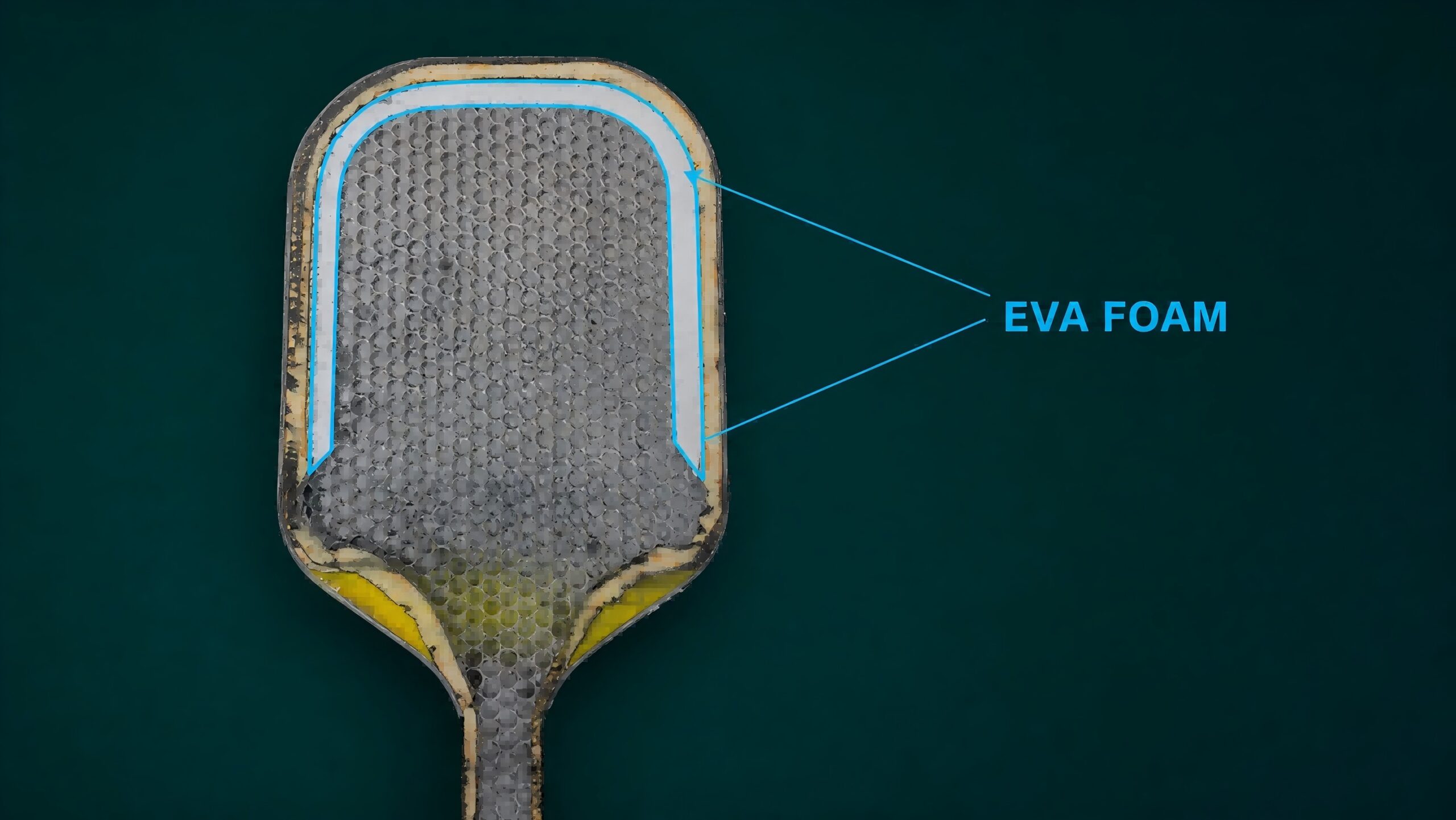
- Cold-press, thermoformed, foam-edge, or full-foam construction.
- Fiber orientation, fabric architecture, resin content, and layup.
- Shape, handle length, total weight, balance, and swing weight.
- Surface texture and finishing process.
- Edge structure and perimeter reinforcement.
- Production tolerances and batch-level QC.
This is why two paddles carrying the same T700 label can feel noticeably different. It is also why a T800 paddle is not automatically more powerful, and why an aramid-faced paddle is not automatically softer. Finished-paddle behavior comes from the system.
For sourcing teams, the most useful question is not “Which material wins?” It is:
Which complete specification delivers the player promise our SKU is supposed to own?
T700: The Practical Hero-SKU Choice
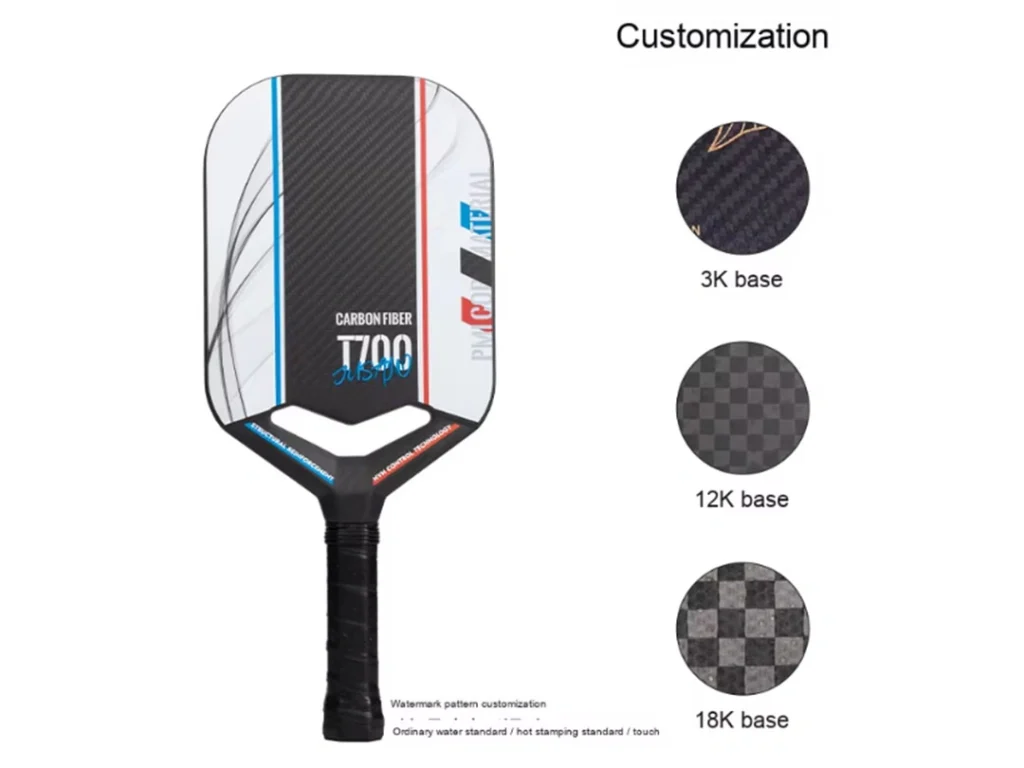
T700 carbon fiber paddles have become a familiar performance-material category in the pickleball market. For a brand, that familiarity is commercially useful: buyers recognize the term, retailers can explain it, and the material can support a credible step up from fiberglass or generic carbon constructions.
T700 is a strong candidate for a core performance paddle when the SKU needs to serve:
- Intermediate-to-advanced players.
- A broad control-and-spin positioning rather than an extreme niche.
- A main model expected to carry meaningful sales volume.
- A thermoformed paddle construction or carefully developed carbon construction at a defensible retail price.
- A first serious performance launch where sourcing simplicity matters.
Its commercial advantage is familiarity: the factory can tune a recognizable material platform around the required shape, thickness, surface, core, and weight. Before comparing T700 quotes, lock:
- Exact face construction and whether the material is real carbon fabric rather than a carbon-look finish.
- Core type and nominal thickness.
- Construction method.
- Shape and handle dimensions.
- Target finished-weight range and balance window.
- Surface-finishing method.
- Edge and foam configuration.
- Packaging and testing requirements.
T800: A Flagship Material Needs a Flagship Reason
T800 makes the most sense when your brand already knows what the flagship is meant to accomplish and has a clear role for it within an advanced-tech paddle line:
- Create a halo product above a proven T700 hero SKU.
- Support a premium technical or innovation-led brand position.
- Target advanced players who can identify and value a specific response.
- Pair the face with a deliberately engineered core, structure, and weight profile.
- Give ambassadors, specialty retailers, or launch campaigns a distinct product story.
The model needs a specific response, not merely a “more premium” label. Reconsider the upgrade when:
- The supplier cannot explain the fabric specification or its role in the layup.
- The T800 sample is built on a different core or construction from the T700 comparison sample.
- The only proof is a stronger-sounding material name.
- The retail plan cannot support the added material, scrap, process, and QC cost.
- Test players cannot consistently identify a useful benefit.
- The flagship would cannibalize the hero SKU without attracting a new buyer.
A successful T800 model creates a clear product-line step above T700 that customers and test players can recognize.
Kevlar/Aramid: Differentiation Beyond the Carbon Ladder

Aramid gives brands a route to premium positioning outside the carbon-grade ladder. Consider an aramid or aramid-carbon face when your line needs a differentiated control-oriented paddle or specialty position:
- A control- or feel-led specialty paddle.
- A visual identity that is clearly different from black raw carbon.
- A premium model that does not rely on the T700-to-T800 hierarchy.
- A balanced or defensive-stability story.
- A second hero product for a different player segment.
Color and weave can make portfolio separation visible before a customer hits a ball. Because “Kevlar” is sometimes used loosely in marketplace language, confirm whether the face is branded Kevlar, another aramid fiber, or an aramid-carbon hybrid. Record the fiber composition, weave, resin system, layup, and finish in the bill of materials, then support durability, vibration, or control claims with finished-paddle testing.
Choose by SKU Role, Not by Material Prestige
A useful three-SKU architecture could look like this:
| SKU role | Material direction | Product promise | What must be validated |
|---|---|---|---|
| Accessible performance | Carbon or T700, depending on target cost | Clear upgrade from an entry paddle | Consistency, target weight, face authenticity, retail margin |
| Hero / main line | T700 raw carbon | Balanced performance for the broadest intended player group | Surface repeatability, control/power balance, batch tolerance, return risk |
| Flagship or specialist | T800 or aramid-carbon | A specific premium response or differentiated feel | Blind play-test difference, cost justification, material traceability, process stability |
Not every brand needs all three. A new company may be stronger with one T700 hero and one accessible traffic SKU than with three premium materials competing for the same customer.
Before adding T800 or aramid, ask:
- Does this SKU serve a different player or purchasing occasion?
- Can a retailer explain the difference in one sentence?
- Can test players feel the intended difference without being told the material?
- Can the factory reproduce that difference across a production batch?
- Does the expected retail price preserve channel margin after packaging, freight, marketing, returns, and compliance costs?
If the answers are unclear, the brand has a material story but not yet a product strategy.
The Face Material Is Only One Cost Block
A qualified pickleball paddle OEM factory should separate the quotation into six cost blocks:
- Core and structure.
- Face material.
- Construction type.
- Labor and process complexity.
- QC and testing.
- Packaging and accessories.
T700, T800, or aramid changes Block 2, but Blocks 1, 3, 4, and 5 may matter more to the finished product and final quote. A low T800 quotation may hide a simpler core, weaker process control, or wider weight tolerance; a higher T700 quotation may include better structure and stricter QC.
How to Run a Fair Sample Comparison
The fastest way to get a misleading result is to compare three unrelated paddles—one T700, one T800, and one aramid—with different shapes, cores, thicknesses, weights, and construction.
Ask the factory for a controlled comparison wherever possible.
Keep These Variables Aligned
- Same mold and paddle shape.
- Same core family and thickness.
- Same handle construction.
- Similar finished weight, balance, and swing-weight targets.
- Same edge or edgeless architecture.
- Same grip build.
- Clearly documented face and surface differences.
Evaluate More Than First-Hit Excitement
Create a scorecard for:
- Serve and drive response.
- Reset, dink, and block control.
- Off-center-hit stability.
- Surface consistency across several samples.
- Sound and perceived vibration.
- Weight and balance variation.
- Cosmetic quality.
- Performance after repeated use.
- Target-player preference.
- Expected return or complaint risk.
Use multiple testers who represent the actual buyer. An advanced ambassador, a mainstream club player, and a retail product manager may value different things. Record their feedback before revealing which material each sample uses when a blind test is practical.
Then ask the factory whether the approved result can be produced at scale with a written tolerance and QC plan.
What to Ask a Pickleball Paddle OEM Factory
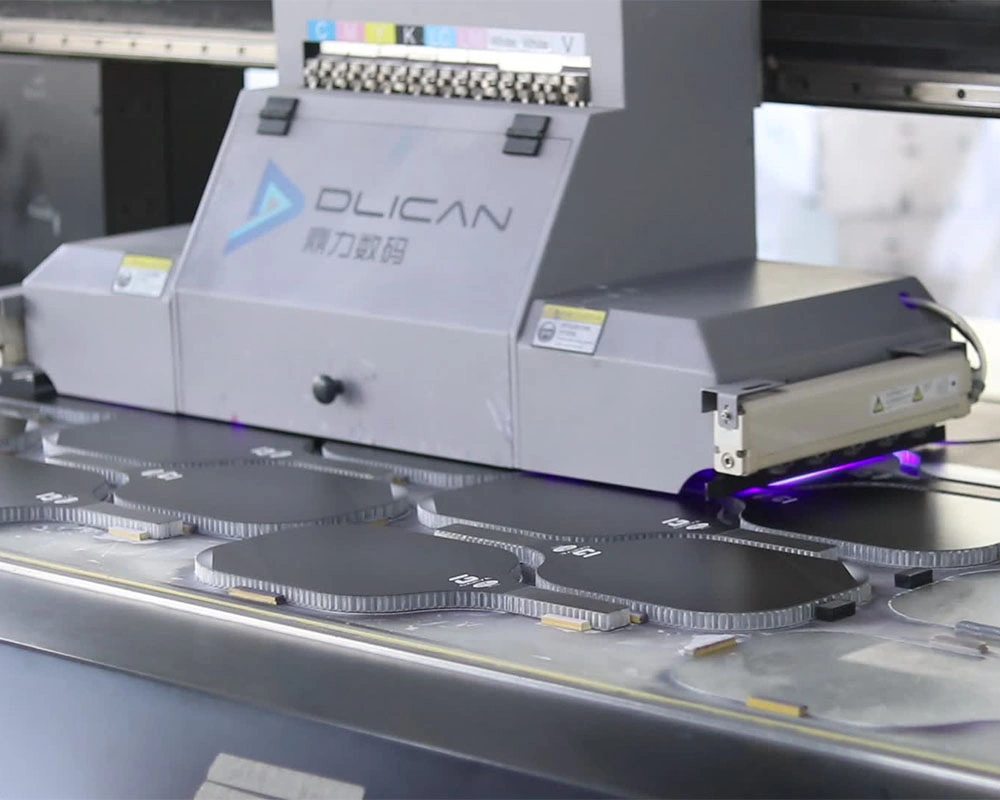
When evaluating a private label pickleball paddle supplier for custom and OEM pickleball paddles, ask these questions before choosing T700, T800, or Kevlar/aramid:
- What is the exact face material, supplier description, weave, and fiber composition?
- Is the face a single material or a hybrid? If hybrid, what construction is being supplied?
- How is the face integrated into the laminate and matched to the core?
- Which performance difference is expected from the complete construction—not just from the fiber name?
- What surface process creates the finished texture?
- Which specifications and tolerances will be written into the approved sample and purchase order?
- What tests are performed on incoming material, in-process units, and finished paddles?
- How will the factory control weight, balance, surface, appearance, and bonding across the batch?
- What changes between the T700, T800, and aramid quotations besides the face material?
These questions turn a marketing comparison into a manufacturing decision.
Final Recommendation
Choose T700 for a broadly understandable core performance SKU, T800 for a proven flagship step, and aramid or aramid-carbon for a differentiated feel or visual position.
For most new brands, the best sequence is:
- Define the target player, retail tier, channel, and one-sentence product promise.
- Build and validate a controlled T700 benchmark.
- Compare T800 or aramid against that benchmark using the same construction wherever possible.
- Approve the material only after play testing, cost analysis, and repeatability review.
- Freeze the full SKU specification before mass production.
This sequence keeps material, construction, price, player promise, and production control aligned before inventory risk begins.
FAQ
Is T800 always better than T700 for a pickleball paddle?
No. T800 belongs to a higher carbon-fiber material tier, but finished-paddle performance depends on fabric architecture, resin, layup, core, construction, shape, weight, surface process, and QC. A well-developed T700 paddle can be a better product than a poorly specified T800 paddle.
Is Kevlar better for control than carbon fiber?
Some aramid or aramid-carbon constructions are positioned around softer or more stable feel, but the material name alone does not guarantee control. Validate the complete paddle through controlled samples and target-player testing.
Should a new brand launch T700 and T800 together?
Only if the two models have clearly different buyers, promises, prices, and on-court responses. Otherwise, they may create unnecessary inventory and confuse customers. One strong T700 hero SKU is often a better starting point.
Can a supplier quote “Kevlar” without specifying the blend?
They can use the term in a quotation, but the buyer should request the actual material description, whether it is aramid or an aramid-carbon hybrid, its construction, and how it will be recorded in the approved specification.
What should be locked before production?
Lock the face material, core, thickness, construction, mold, shape, handle, target weight and balance, surface process, edge system, artwork, packaging, tolerances, testing plan, and approved golden sample.