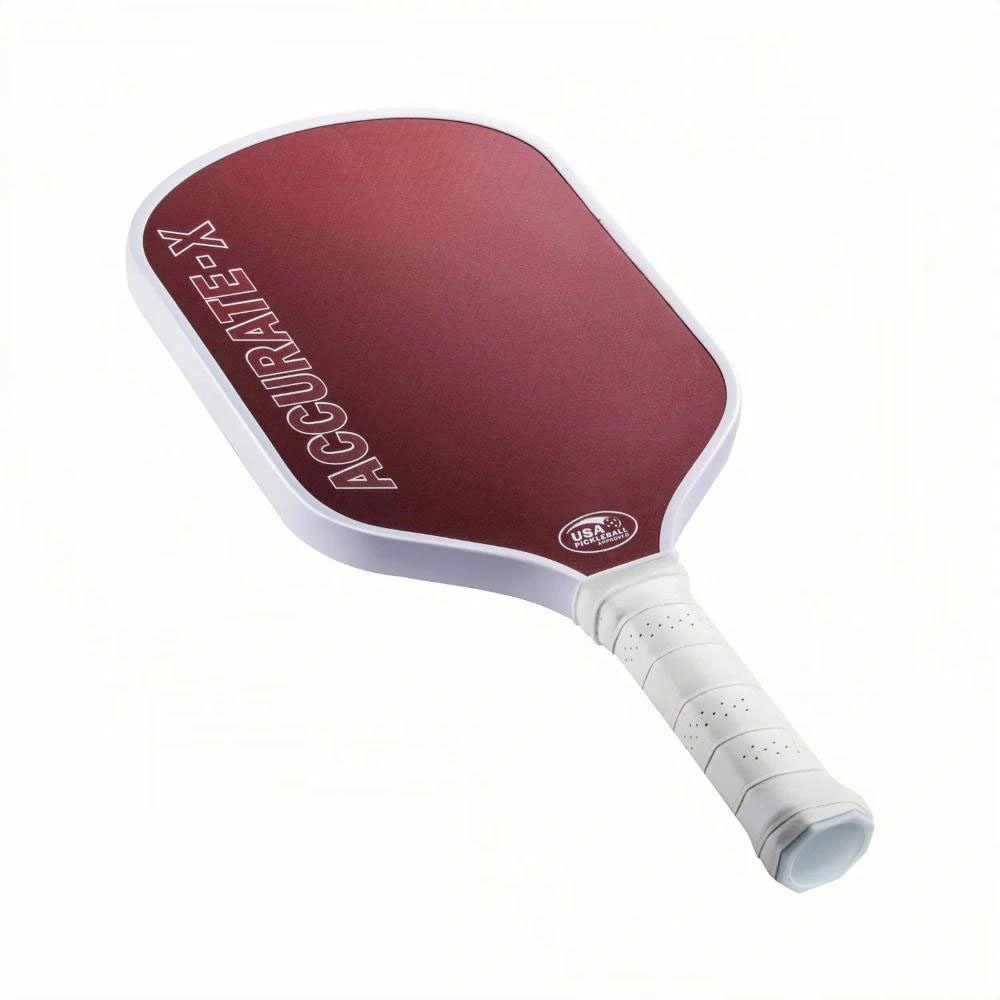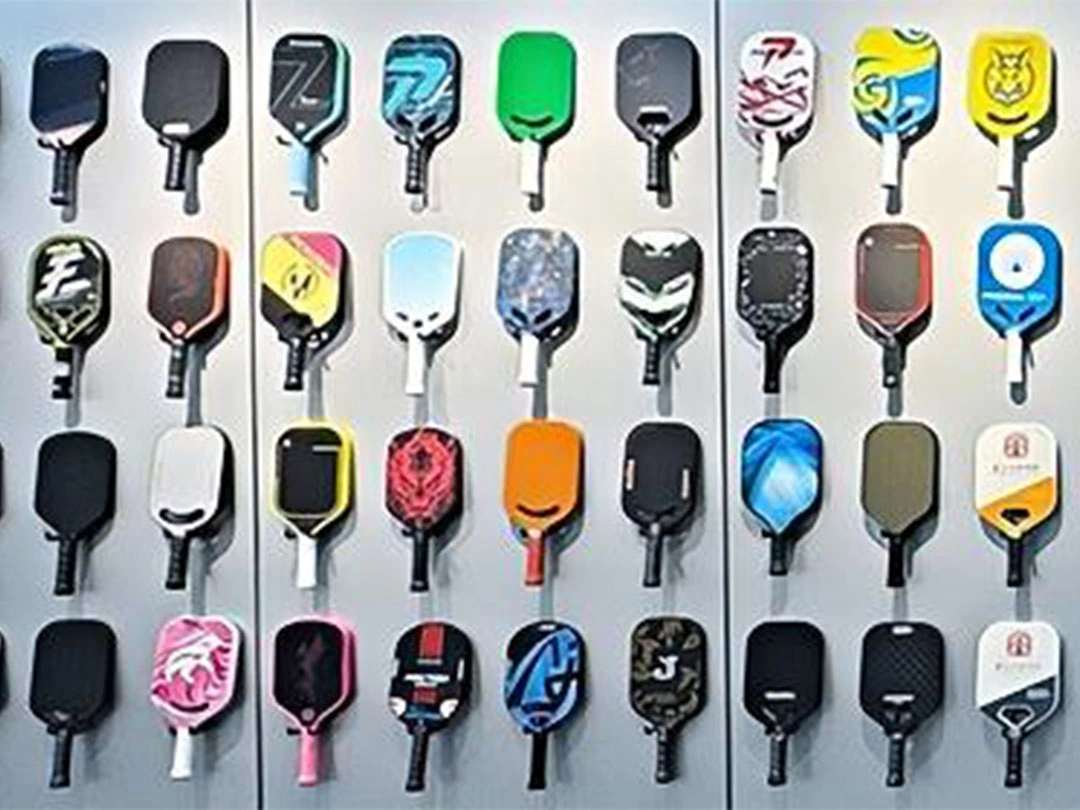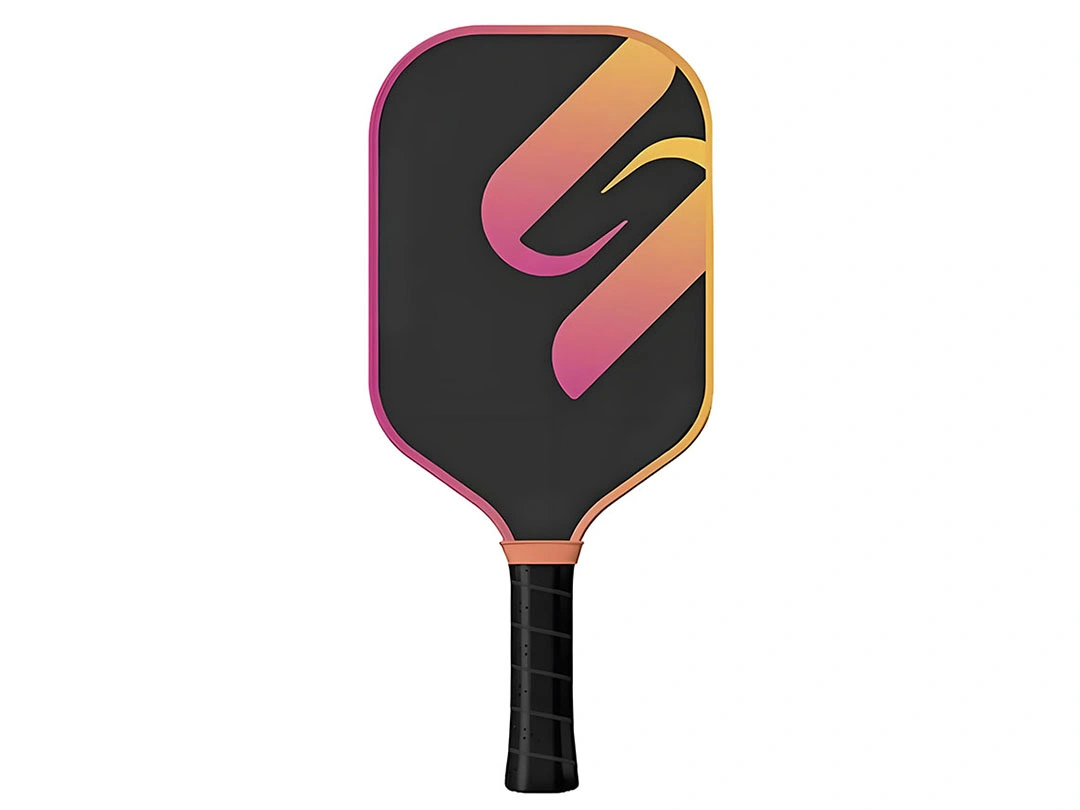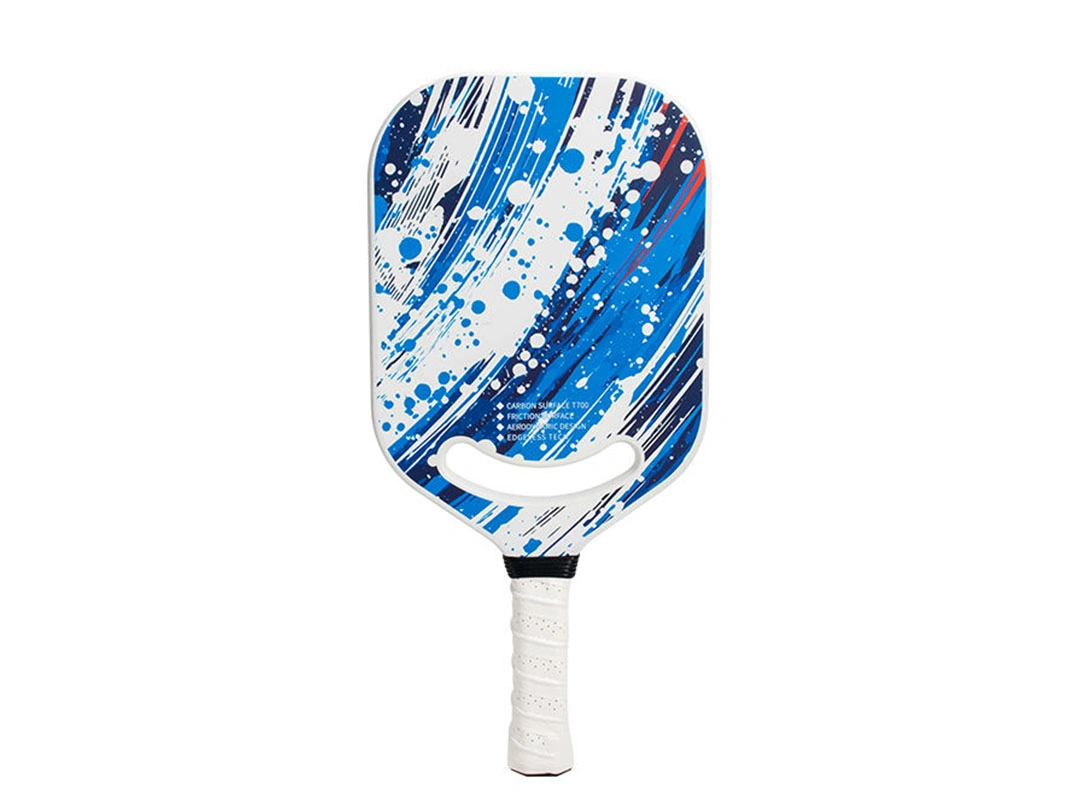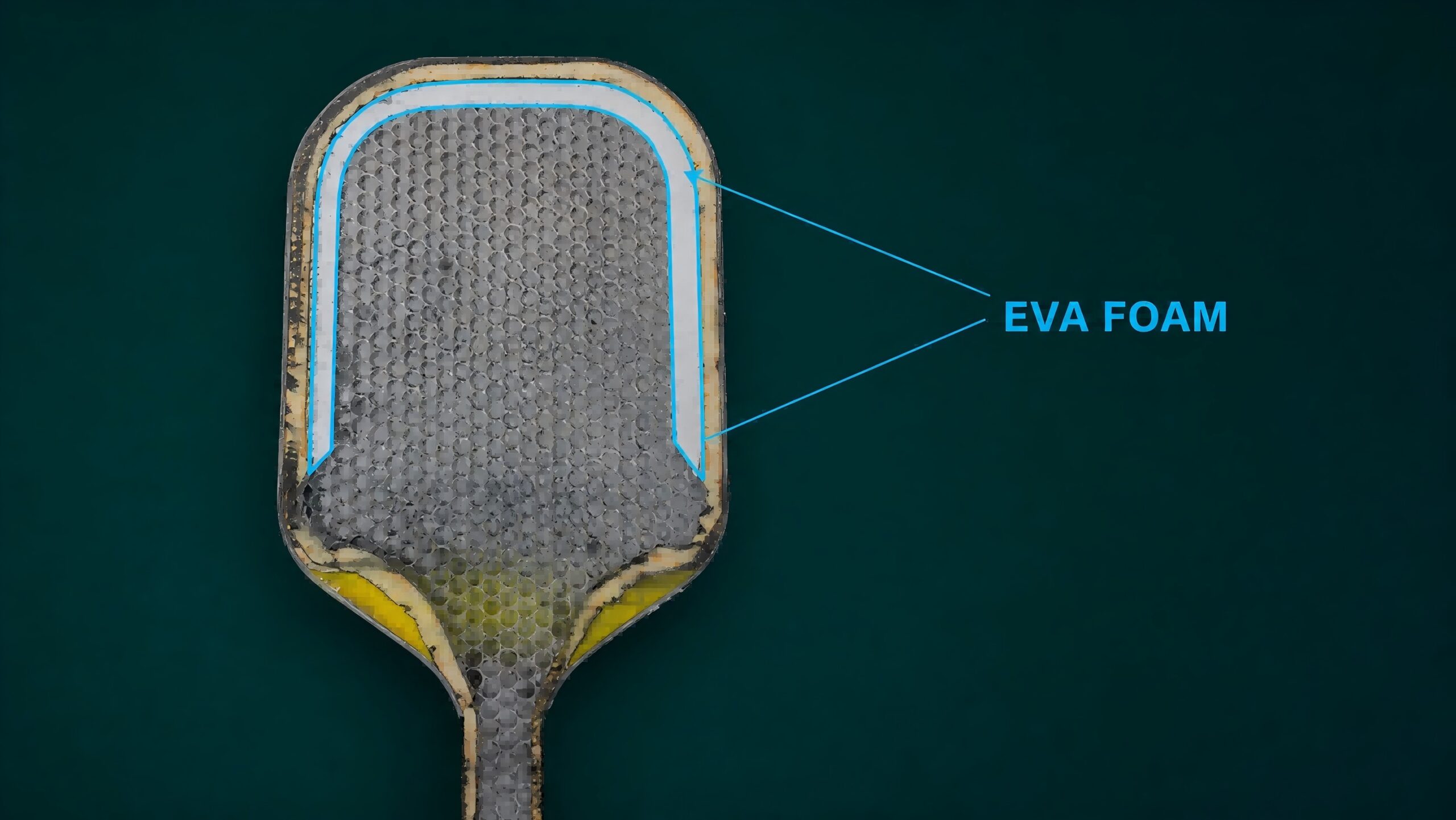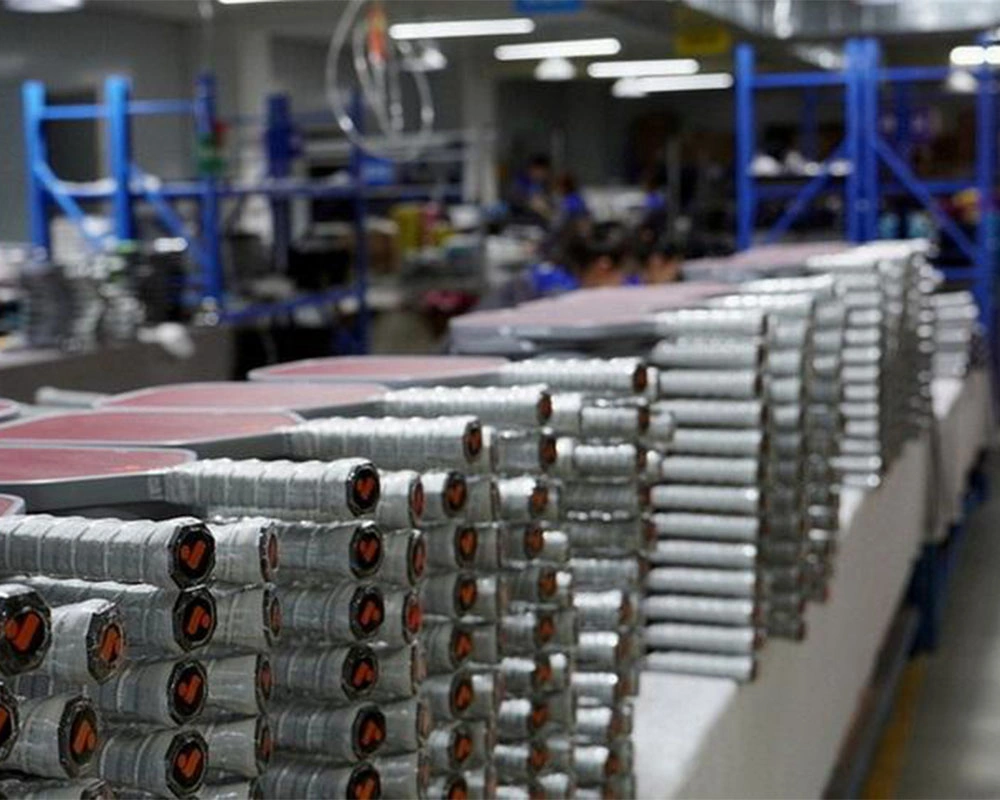
Choosing between T700, T800, and Kevlar is not really a contest to find the “best” paddle material.
It is a product-line decision.
For brands comparing materials with a custom pickleball paddle manufacturer, the real decision is whether the face supports a clear player promise, target retail tier, repeatable construction, and defensible production cost.
For many brands, T700 is the practical choice for a main performance model. T800 may make sense when a flagship needs a credible premium story and the full construction supports it. Kevlar—usually used as an aramid or aramid-carbon surface system—can help a control- or feel-led model stand apart visually and commercially.
For a current commercial T800 option, review our T800カーボンピクルボールパドル.
The right answer depends on the job each SKU must do.
簡潔な回答
| Material direction | Best product-line role | Likely buyer promise | Main commercial advantage | Main sourcing risk |
|---|---|---|---|---|
| T700生カーボン | Hero or core performance SKU | Balanced control, spin potential, and familiar performance positioning | Recognizable specification with broad market acceptance | Treating “T700” as a complete paddle specification |
| T800 カーボン | Flagship or halo SKU | Premium, fast, responsive, technically advanced | Higher perceived material tier and launch-story value | Paying for a label without proving a meaningful finished-paddle difference |
| Kevlar/aramid or aramid-carbon | Differentiated control or specialty SKU | Distinct feel, stability, comfort, and visual identity | Strong differentiation in a carbon-heavy category | Assuming fiber toughness automatically guarantees surface life or soft feel |
If your brand is launching one performance paddle, start by evaluating a well-executed T700 construction. If you already have a proven main SKU and need a premium halo model, test T800 as part of a complete construction—not as a face-material swap alone. If your line needs a visibly different control-oriented or specialty story, sample an aramid-carbon configuration and validate the feel with your target players.
First, Understand What the Labels Do—and Do Not—Tell You
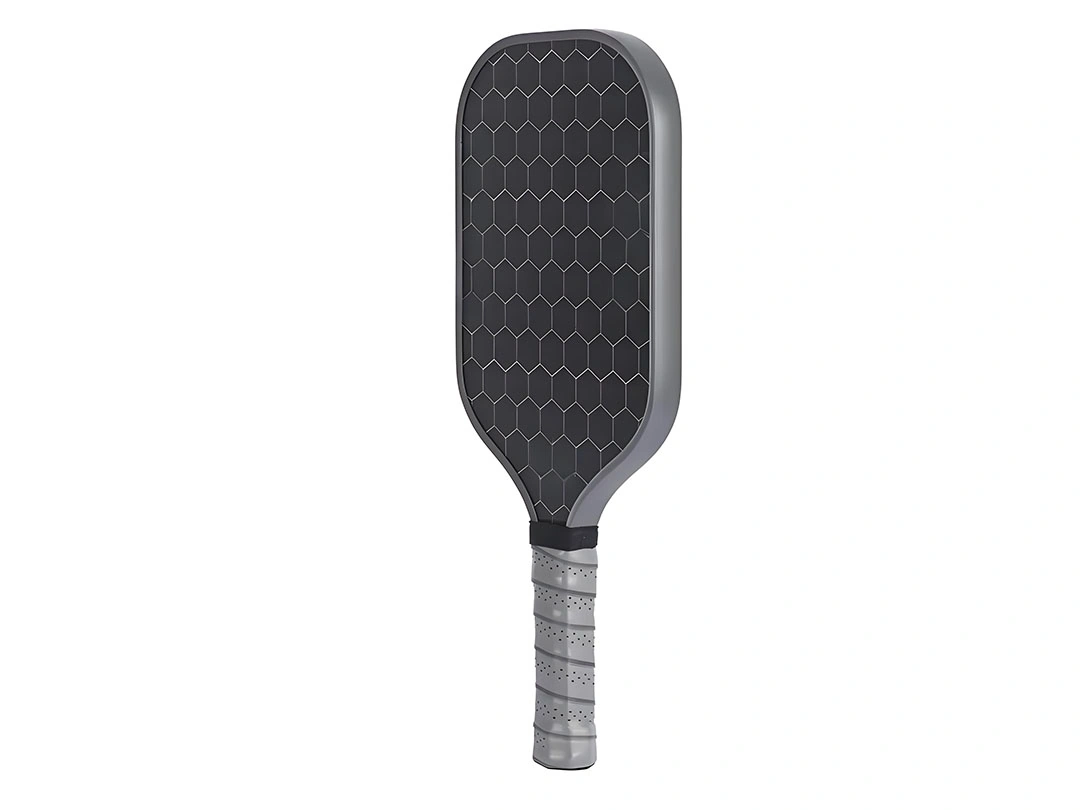
T700 and T800 are grade labels used within the broader category of カーボンファイバーのピックルボールパドル. Kevlar is a brand name commonly used in the market for an aramid fiber; in OEM discussions, you may also see “aramid,” “Kevlar-style,” or a hybrid aramid-carbon weave.
These terms identify an input, not the finished performance of a paddle.
The face interacts with:
- Core material and core thickness.
- Cold-press, thermoformed, foam-edge, or full-foam construction.
- 繊維の方向、布の構造、樹脂の含有量、および積層方法。
- 形状、ハンドルの長さ、総重量、バランス、およびスイングウェイト。
- 表面の質感と仕上げプロセス。
- エッジ構造と周辺の補強。
- 製造公差とロットレベルの品質管理。
これが、同じ T700 ラベルを持つ 2 つのパドルが目に見えて異なると感じる理由です。また、T800 パドルが自動的により強力ではなく、アラミド面のパドルが自動的に柔らかいわけではない理由です。仕上げられたパドルの動作はシステムから来ます。
調達チームにとって、最も有用な質問は「どの素材が勝ちますか?」ではなく、次のことです:
どの完全な仕様が、私たちの SKU が持つべきプレイヤーの約束を提供するのか。
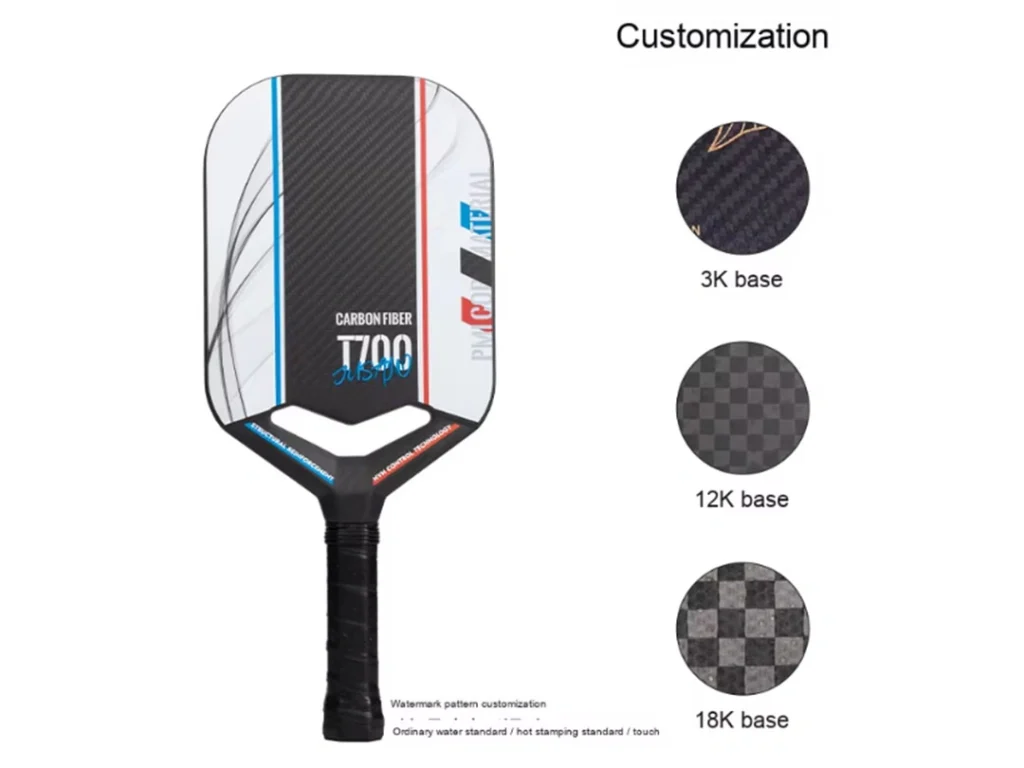
T700: 実用的なヒーローSKUの選択肢
T700カーボンファイバーパドル ピックルボール市場で、T700は一般的なパフォーマンス材料のカテゴリとなっています。ブランドにとって、その親しみは商業的に有用です:バイヤーはその用語を認識し、リテイラーはそれを説明でき、材料は繊維ガラスや一般的なカーボン構造からの信頼できるステップアップをサポートできます。
T700は、SKU が次のように機能する必要がある場合、コアパフォーマンスパドルの有力候補です:
- 中級から上級のプレイヤー。
- 極端なニッチではなく、幅広いコントロールとスピンのポジショニング。
- 意味のある販売量を持つことが期待されるメインモデル。
- A サーモフォームされたパドルの構造 または、守るべき小売価格で慎重に開発されたカーボン構造。
- 調達のシンプルさが重要な初めての真剣なパフォーマンスの立ち上げ。
その商業的な利点は親しみです:工場は必要な形状、厚さ、表面、コア、および重量の周りに認識可能な材料プラットフォームを調整できます。T700 の見積もりを比較する前に、固定してください:
- 正確なフェイス構造と、材料がカーボン風の仕上げではなく本物のカーボンファブリックであるかどうか。
- コアタイプと名目厚さ。
- 構造方法。
- 形状とハンドルの寸法。
- 目標の仕上げ重量範囲とバランスウィンドウ。
- 表面仕上げ方法。
- エッジとフォームの構成。
- パッケージングおよびテスト要件。
T800: フラッグシップ素材にはフラッグシップの理由が必要
T800 は、ブランドがすでにフラッグシップの目的を理解している場合に最も意味があります 高度な技術のパドルライン内で明確な役割を持っています。:
- 実績のある T700 ヒーロー SKU の上にハロープロダクトを作成します。
- プレミアムな技術的または革新主導のブランドポジションをサポートします。
- 特定の応答を特定し評価できる上級プレイヤーをターゲットにします。
- フェイスを意図的に設計されたコア、構造、および重量プロファイルと組み合わせます。
- アンバサダー、専門小売業者、またはローンチキャンペーンに独自の製品ストーリーを提供します。
モデルは単なる「よりプレミアム」ラベルではなく、特定の応答が必要です。アップグレードを再考してください:
- サプライヤーが材料の仕様や積層における役割を説明できない場合。
- T800 サンプルが T700 の比較サンプルとは異なるコアまたは構造に基づいている場合。
- 唯一の証拠は強く聞こえる素材名である場合。
- 小売計画が追加の材料、廃棄物、プロセス、および品質管理コストをサポートできない場合。
- テストプレイヤーが有用な利点を一貫して特定できない場合。
- フラッグシップがヒーロー SKU を食い尽くし、新しいバイヤーを惹きつけない場合。
成功した T800 モデルは、顧客とテストプレイヤーが認識できる T700 よりも明確なプロダクトラインのステップを生み出します。
ケブラー/アラミド: カーボン階層を超えた差別化

アラミドは、ブランドにカーボングレード階層の外でプレミアムなポジショニングを提供します。ラインが差別化された コントロール指向のパドルが必要な場合は、アラミドまたはアラミドカーボンファイスを検討してください。 または特別なポジション:
- コントロールまたはフィールに特化した専門パドル。
- 黒い生カーボンとは明らかに異なるビジュアルアイデンティティ。
- T700からT800の階層に依存しないプレミアムモデル。
- バランスの取れたまたは防御的安定性のストーリー。
- 異なるプレイヤーセグメントのための第二のヒーロープロダクト。
Color and weave can make portfolio separation visible before a customer hits a ball. Because “Kevlar” is sometimes used loosely in marketplace language, confirm whether the face is branded Kevlar, another aramid fiber, or an aramid-carbon hybrid. Record the fiber composition, weave, resin system, layup, and finish in the bill of materials, then support durability, vibration, or control claims with finished-paddle testing.
Choose by SKU Role, Not by Material Prestige
A useful three-SKU architecture could look like this:
| SKU role | Material direction | Product promise | What must be validated |
|---|---|---|---|
| Accessible performance | Carbon or T700, depending on target cost | Clear upgrade from an entry paddle | Consistency, target weight, face authenticity, retail margin |
| Hero / main line | T700生カーボン | Balanced performance for the broadest intended player group | Surface repeatability, control/power balance, batch tolerance, return risk |
| Flagship or specialist | T800 or aramid-carbon | A specific premium response or differentiated feel | Blind play-test difference, cost justification, material traceability, process stability |
Not every brand needs all three. A new company may be stronger with one T700 hero and one accessible traffic SKU than with three premium materials competing for the same customer.
Before adding T800 or aramid, ask:
- Does this SKU serve a different player or purchasing occasion?
- Can a retailer explain the difference in one sentence?
- Can test players feel the intended difference without being told the material?
- Can the factory reproduce that difference across a production batch?
- Does the expected retail price preserve channel margin after packaging, freight, marketing, returns, and compliance costs?
If the answers are unclear, the brand has a material story but not yet a product strategy.
The Face Material Is Only One Cost Block
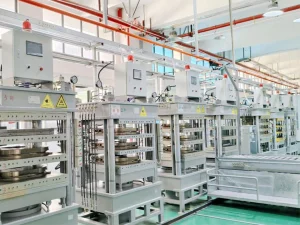
A qualified pickleball paddle OEM factory should separate the quotation into six cost blocks:
- Core and structure.
- Face material.
- Construction type.
- Labor and process complexity.
- QC and testing.
- Packaging and accessories.
T700, T800, or aramid changes Block 2, but Blocks 1, 3, 4, and 5 may matter more to the finished product and final quote. A low T800 quotation may hide a simpler core, weaker process control, or wider weight tolerance; a higher T700 quotation may include better structure and stricter QC.
How to Run a Fair Sample Comparison
The fastest way to get a misleading result is to compare three unrelated paddles—one T700, one T800, and one aramid—with different shapes, cores, thicknesses, weights, and construction.
Ask the factory for a controlled comparison wherever possible.
Keep These Variables Aligned
- Same mold and paddle shape.
- Same core family and thickness.
- Same handle construction.
- Similar finished weight, balance, and swing-weight targets.
- Same edge or edgeless architecture.
- Same grip build.
- Clearly documented face and surface differences.
Evaluate More Than First-Hit Excitement
Create a scorecard for:
- Serve and drive response.
- Reset, dink, and block control.
- Off-center-hit stability.
- Surface consistency across several samples.
- Sound and perceived vibration.
- Weight and balance variation.
- Cosmetic quality.
- Performance after repeated use.
- Target-player preference.
- Expected return or complaint risk.
Use multiple testers who represent the actual buyer. An advanced ambassador, a mainstream club player, and a retail product manager may value different things. Record their feedback before revealing which material each sample uses when a blind test is practical.
Then ask the factory whether the approved result can be produced at scale with a written tolerance and QC plan.
What to Ask a Pickleball Paddle OEM Factory
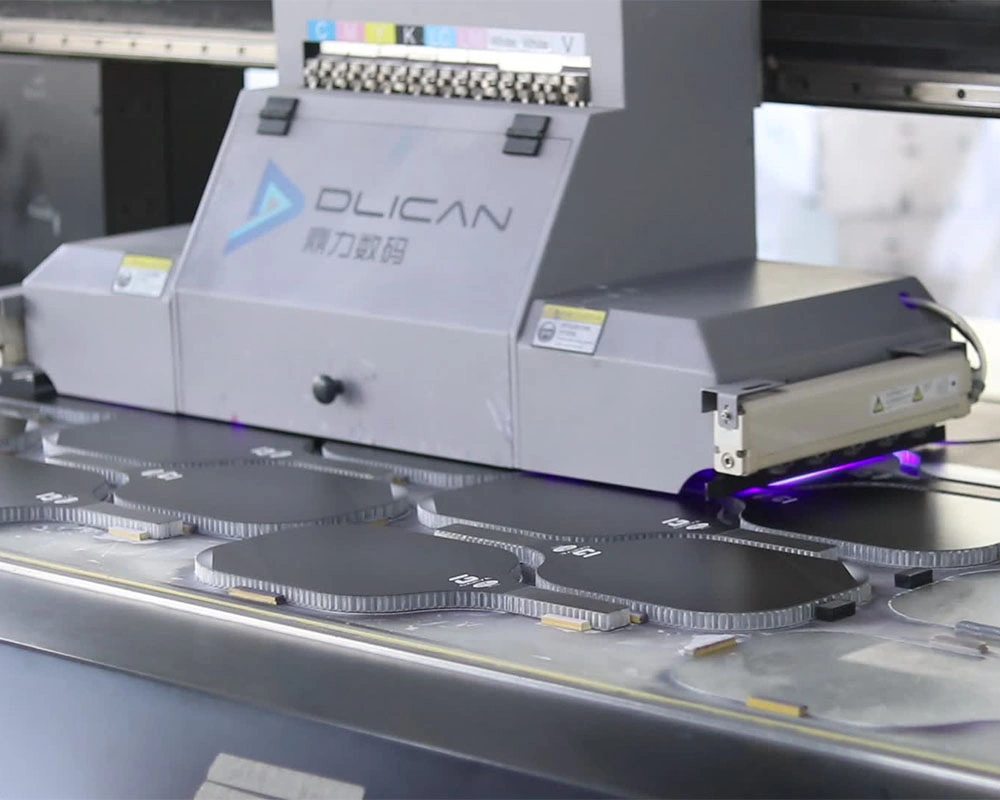
When evaluating a private label pickleball paddle supplier for カスタムおよびOEMピックルボールパドル, ask these questions before choosing T700, T800, or Kevlar/aramid:
- What is the exact face material, supplier description, weave, and fiber composition?
- Is the face a single material or a hybrid? If hybrid, what construction is being supplied?
- How is the face integrated into the laminate and matched to the core?
- Which performance difference is expected from the complete construction—not just from the fiber name?
- What surface process creates the finished texture?
- Which specifications and tolerances will be written into the approved sample and purchase order?
- What tests are performed on incoming material, in-process units, and finished paddles?
- How will the factory control weight, balance, surface, appearance, and bonding across the batch?
- What changes between the T700, T800, and aramid quotations besides the face material?
These questions turn a marketing comparison into a manufacturing decision.
最終推奨
Choose T700 for a broadly understandable core performance SKU, T800 for a proven flagship step, and aramid or aramid-carbon for a differentiated feel or visual position.
For most new brands, the best sequence is:
- Define the target player, retail tier, channel, and one-sentence product promise.
- Build and validate a controlled T700 benchmark.
- Compare T800 or aramid against that benchmark using the same construction wherever possible.
- Approve the material only after play testing, cost analysis, and repeatability review.
- Freeze the full SKU specification before mass production.
This sequence keeps material, construction, price, player promise, and production control aligned before inventory risk begins.
よくある質問
Is T800 always better than T700 for a pickleball paddle?
No. T800 belongs to a higher carbon-fiber material tier, but finished-paddle performance depends on fabric architecture, resin, layup, core, construction, shape, weight, surface process, and QC. A well-developed T700 paddle can be a better product than a poorly specified T800 paddle.
Is Kevlar better for control than carbon fiber?
Some aramid or aramid-carbon constructions are positioned around softer or more stable feel, but the material name alone does not guarantee control. Validate the complete paddle through controlled samples and target-player testing.
Should a new brand launch T700 and T800 together?
Only if the two models have clearly different buyers, promises, prices, and on-court responses. Otherwise, they may create unnecessary inventory and confuse customers. One strong T700 hero SKU is often a better starting point.
Can a supplier quote “Kevlar” without specifying the blend?
They can use the term in a quotation, but the buyer should request the actual material description, whether it is aramid or an aramid-carbon hybrid, its construction, and how it will be recorded in the approved specification.
What should be locked before production?
Lock the face material, core, thickness, construction, mold, shape, handle, target weight and balance, surface process, edge system, artwork, packaging, tolerances, testing plan, and approved golden sample.