Introduction: Institutional Buying Is a Different Problem
When an individual player buys a paddle, they optimize for their game. When a club director or school administrator buys paddles, they’re solving a fundamentally different problem: consistency, durability, and maintainability across dozens or hundreds of users and months of heavy use.
A paddle that’s perfect for a 4.0 competitive player is often the wrong choice for a club’s rental fleet. A paddle that performs brilliantly on day one but degrades rapidly after 200 sessions is an institutional liability, not an asset.
This guide is for club directors, school program coordinators, PE department buyers, and recreational facility managers who need to equip programs with paddles and balls that will hold up, stay consistent, and be replaceable efficiently.
We also cover youth programs specifically — including age-segment paddle specifications that balance development-appropriate weight and size with durability for rough handling.
Part 1: The Two-Tier Club Paddle System
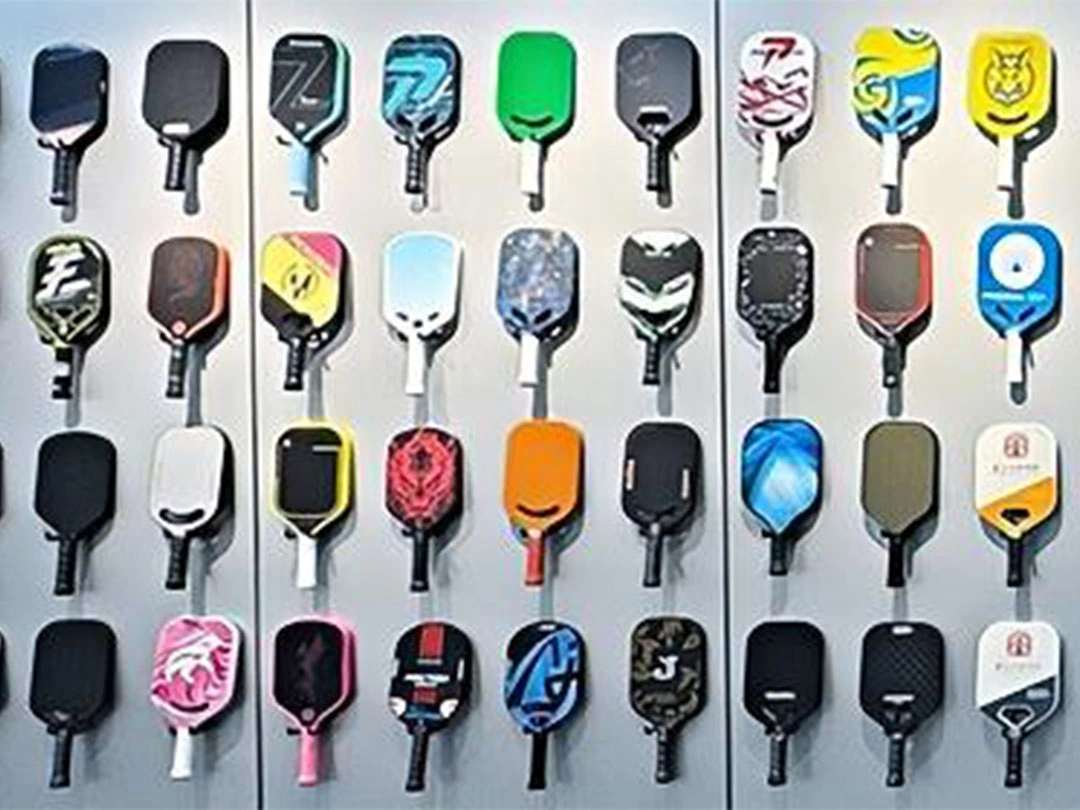
The most effective institutional paddle strategy uses two tiers — not one. Trying to buy a single paddle model for all users at a club leads to either over-specifying the workhorse (expensive, fragile, overkill) or under-specifying the upgrade tier (players who advance want better, and leave to buy elsewhere).
Tier 1: Workhorse Paddle
Purpose: Rental fleet, beginners, open play, loaner programs
Spec:
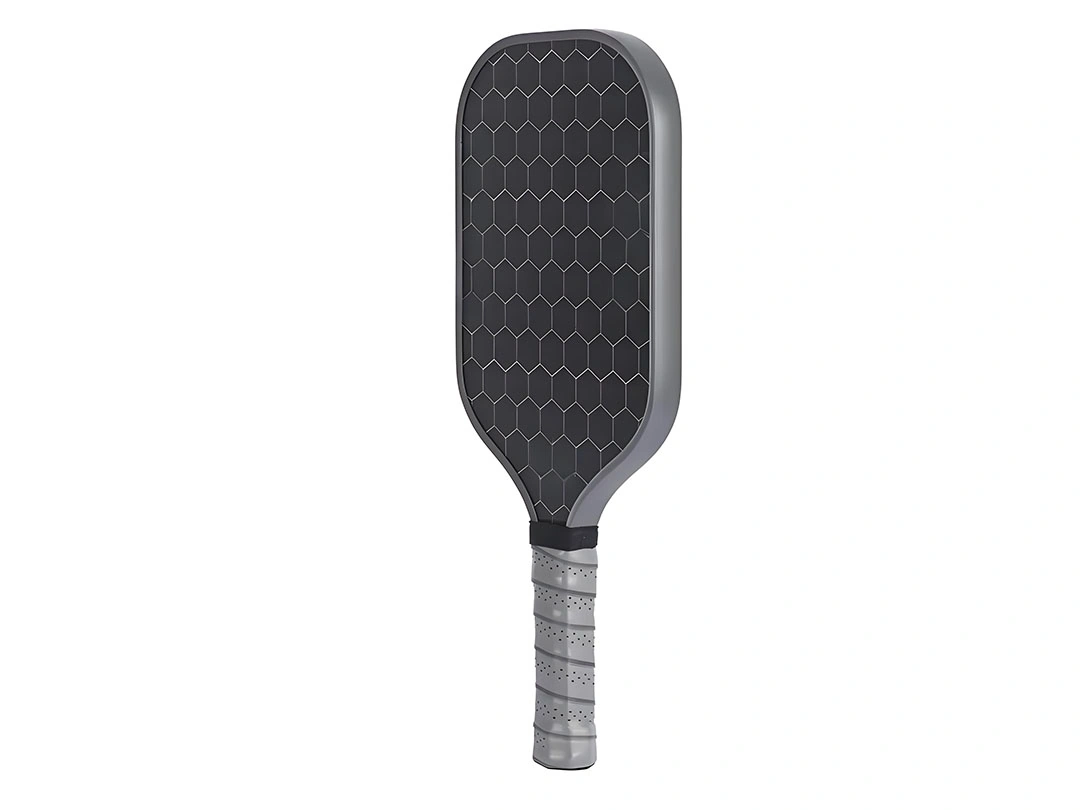
- Construction: Cold press
- Core: PP honeycomb, 16mm (stability and durability priority)
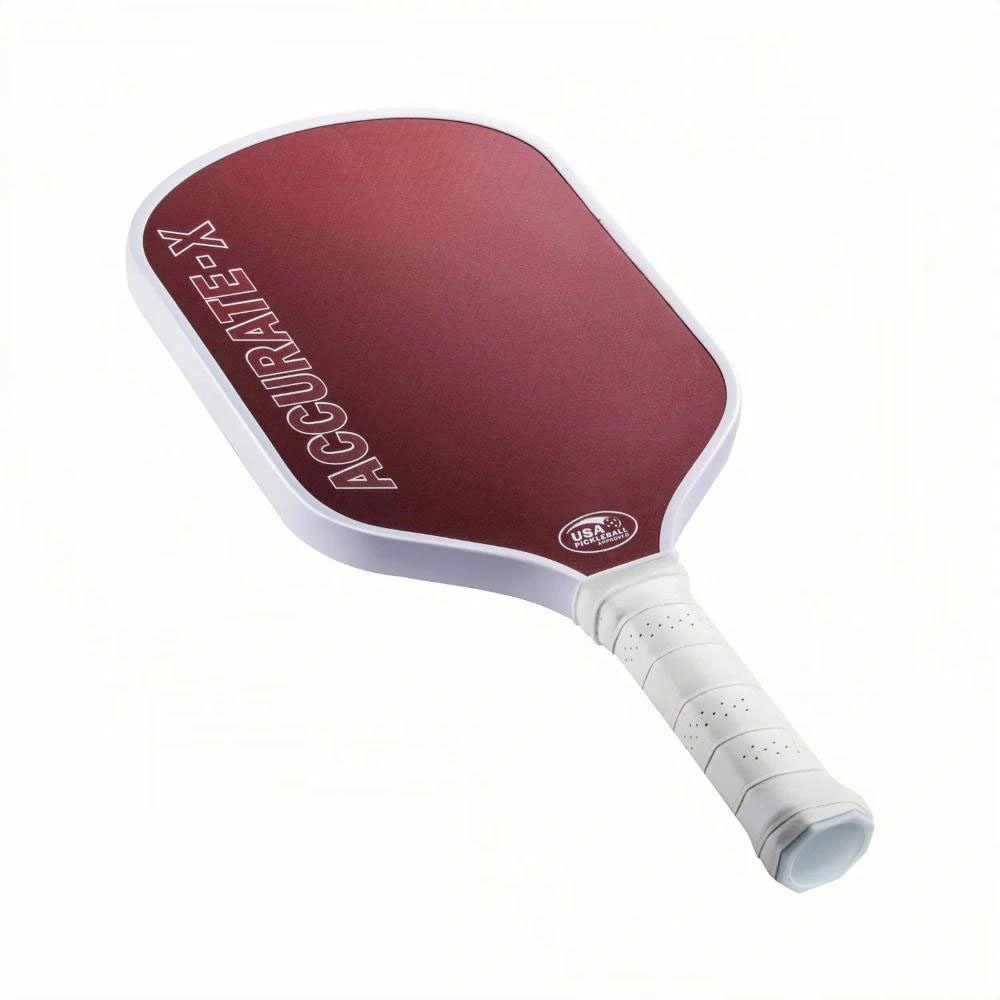
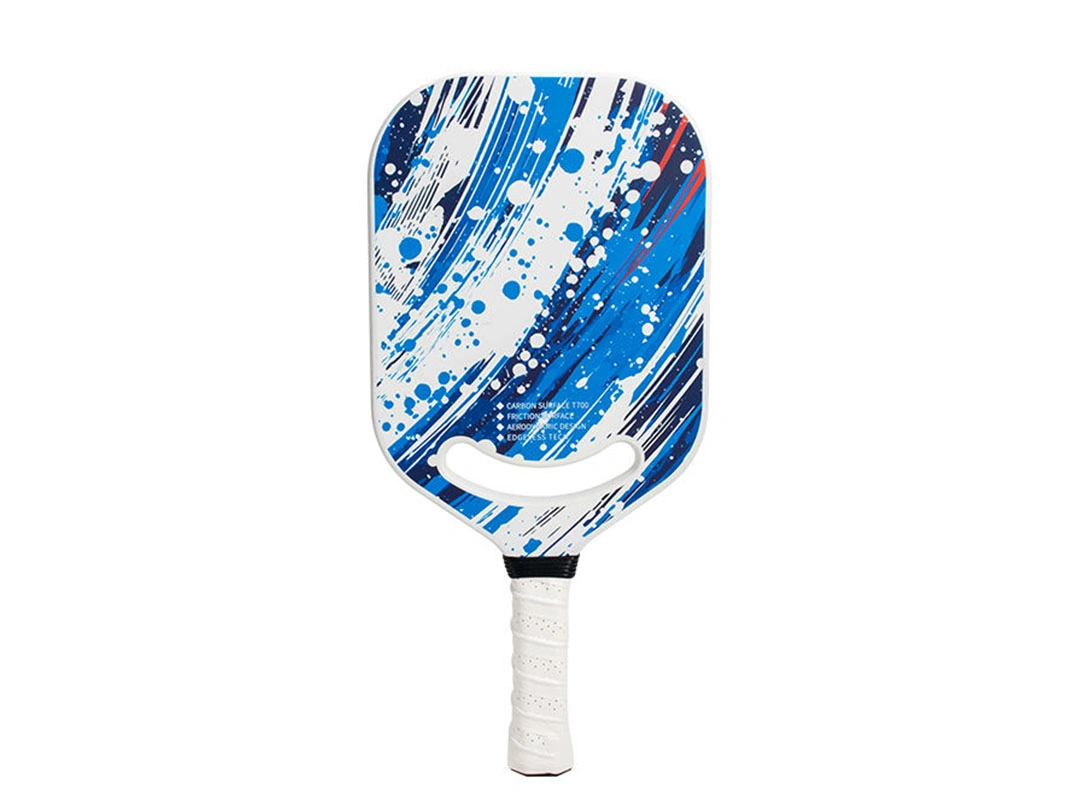
- Face: Fiberglass (more forgiving, lower cost, longer surface life)
- Edge: Standard edge guard
- Weight: 7.6–8.2 oz range
Why fiberglass for Tier 1?
Fiberglass faces are more forgiving of off-center hits and handle surface abrasion better than thin carbon in high-rotation use. For club rentals, players often drag paddles, drop them on hard courts, and handle them carelessly. A fiberglass cold press 16mm paddle survives this better than a thermoformed carbon paddle would.
MOQ and pricing: NexaPaddle’s cold press fiberglass line (Product 1.1) starts at MOQ 300 pcs — precisely sized for institutional opening orders. This is not a coincidence: institutional buyers need quantity, and 300 pcs gives a club of 100 active members a 3:1 paddle-to-member ratio (accounting for breakage, loaner demand peaks, and spares).
NexaPaddle product fit: Product 1.1 — Fiberglass cold press, 400×195mm or 417×188mm, 10/13/16mm available.
Tier 2: Upgrade Paddle
Purpose: Intermediate and advanced members, class completions, pro-shop upsell, coach equipment
Spec:
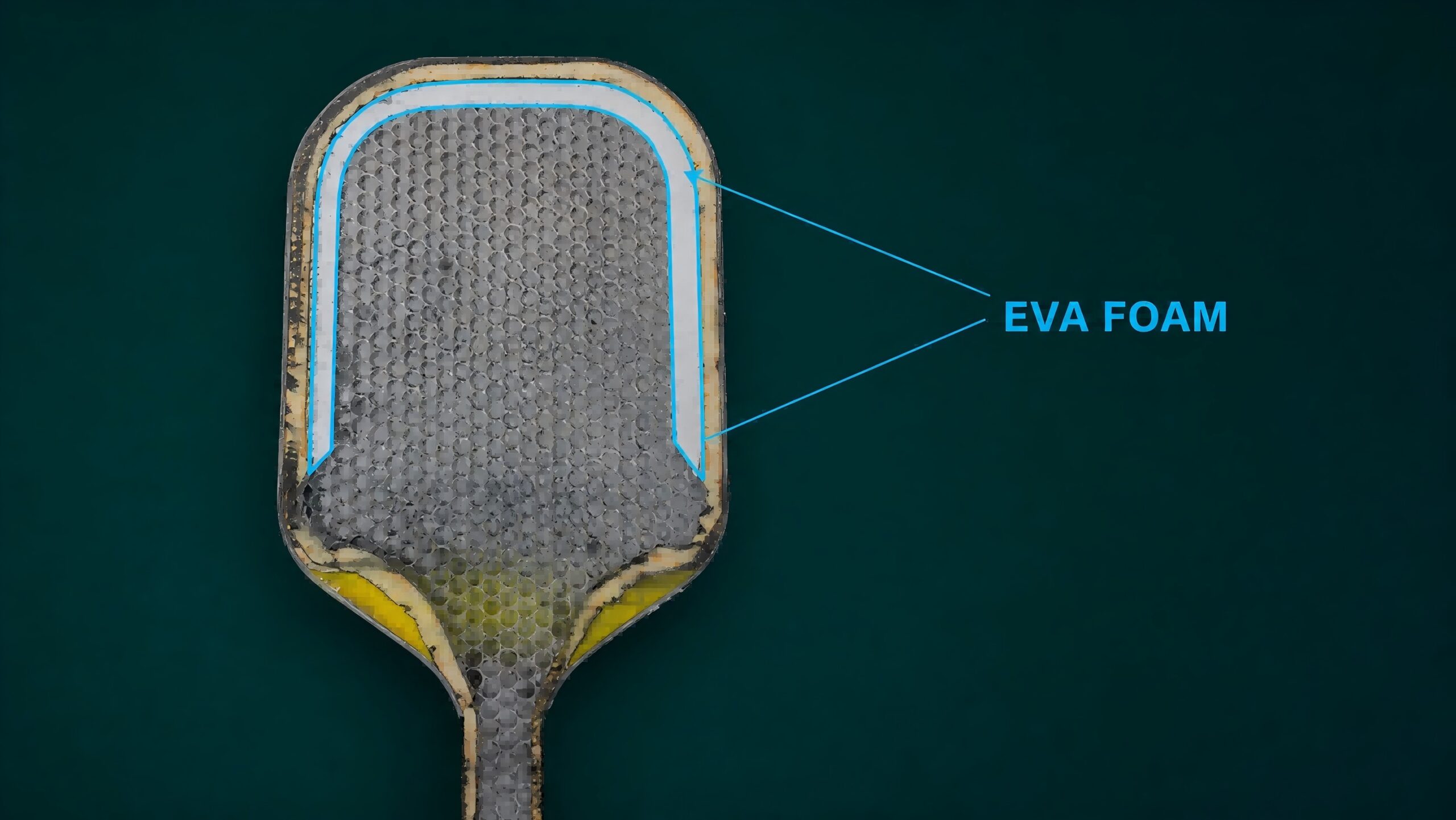
- Construction: Thermoformed + perimeter foam edge
- Core: PP honeycomb, 16mm (control) or 14mm (faster response for advancing players)
- Face: T700 carbon (12K or raw carbon)
- Edge: Perimeter foam edge (vibration dampening, more forgiving mishits)
- Weight: 7.8–8.2 oz range
Why thermoformed for Tier 2?
The step from cold press fiberglass to thermoformed T700 carbon is the most noticeable upgrade in pickleball. Members who experience this difference become loyal to your club’s upgrade program. It creates a natural upsell path that benefits both member development and club revenue.
Thermoformed paddles also maintain their performance characteristics more consistently over time compared to entry-level cold press — important when your club’s intermediate members are practicing 3+ times per week.
MOQ and pricing: NexaPaddle’s thermoformed lines start at MOQ 100 pcs — appropriate for a club buying 50 upgrade-tier paddles plus 50 spares/replacements.
NexaPaddle product fit: Mold #2 (all-around 14/16mm thermoformed) or Mold #7 (Hot Press Forged T700, 13.5–16mm).
👉 See NexaPaddle’s Thermoformed Pickleball Paddles and Fiberglass Paddles for institutional options.
Part 2: Youth Program Paddle Specifications
Youth programs have additional complexity: paddles must be sized and weighted appropriately for each age group, not just the lightest available adult paddle. An oversized, heavy paddle inhibits technique development in young players and increases injury risk.
Here is the age-segment framework NexaPaddle recommends for school and club youth programs:
Ages 6–9: Starter Segment
Paddle spec:
- Face: Fiberglass
- Core: PP honeycomb, 10mm (lightest available thickness)
- Dimensions: 375×190mm (shorter, narrower than adult)
- Target weight: 6.5–7.2 oz
Rationale: Young players in this age group lack the wrist strength and coordination to properly swing an adult paddle. A 10mm core reduces weight significantly. The narrower 375mm length keeps the head manageable. Fiberglass face is appropriate — these players don’t need (or benefit from) carbon responsiveness at this stage.
Program application: Introductory school PE units, after-school clubs, summer camp programs. Buy extras — this age group is hardest on equipment.
Ages 10–12: Development Segment
Paddle spec:
- Face: Fiberglass (standard transition)
- Core: PP honeycomb, 13mm
- Dimensions: 400×200mm (approaching adult standard)
- Target weight: 7.2–7.8 oz
Rationale: Players in this range are developing real technique. The 13mm core balances control and feedback — thinner than adult recreational standard (16mm) but providing enough stability for consistent strokes. The 400×200mm dimension matches adult training paddles, preparing players for adult equipment without the full weight penalty.
Program application: School competitive teams, dedicated youth programs, pre-teen leagues.
Ages 13–15+: Pre-Adult Segment
Paddle spec:
- Face: Fiberglass or carbon (program dependent)
- Core: PP honeycomb, 16mm (stable option) or 13–14mm (fast/technical option)
- Dimensions: Adult standard (417×188–400×195mm)
- Construction: Cold press OR thermoformed depending on program level
Rationale: Players 13+ are ready for adult equipment in most cases. The 16mm cold press fiberglass option provides stability and durability for school programs with mixed-level participants. For dedicated high school teams or youth competitive programs, 13–14mm thermoformed carbon paddles develop the technical skills players will use in adult competition.
Program application: High school PE, competitive school teams, junior club members.
Youth Program Buying Summary
| Age Group | Core | Face | Dimensions | MOQ |
|---|---|---|---|---|
| 6–9 years | 10mm | Fiberglass | 375×190mm | 300 pcs |
| 10–12 years | 13mm | Fiberglass | 400×200mm | 300 pcs |
| 13–15 years | 16mm | Fiberglass | 400×195mm | 300 pcs |
| 13–15 (competitive) | 14mm | T700 Carbon | 417×188mm | 100 pcs |
Part 3: Ball Selection for Institutional Programs
Paddles get most of the attention, but ball selection is equally important for institutional programs. The wrong ball dramatically affects how your courts play, how long balls last, and how quickly beginners develop.
Injection Molded Balls (TPE)
Construction: Injected thermoplastic elastomer, typically 26-hole (indoor) or 40-hole (outdoor) pattern
Best for: Training programs, beginner instruction, indoor courts
Advantages: Consistent feel, softer flight, forgiving for beginners, excellent for drilling
Limitations: Less durable than rotomolded in heavy outdoor use, slight variation in hardness between production lots
Recommendation: Use injection molded balls as your primary training ball. Beginners develop touch better with a slightly softer, more consistent ball.
Rotomolded Balls
Construction: Rotationally molded in two halves, seam-welded
Available in three hardness levels: 50 (firmest), 47 (medium), 45 (softest)
Best for: Outdoor play, competitive simulation, match-condition practice
Advantages: More durable, consistent weight, used in most official tournament play
Limitations: More expensive, harder feel can intimidate beginners
Recommendation: Use rotomolded hardness 47 as your club standard match ball. Reserve hardness 50 for competitive team practice; hardness 45 for older adult programs or players with arm sensitivity.
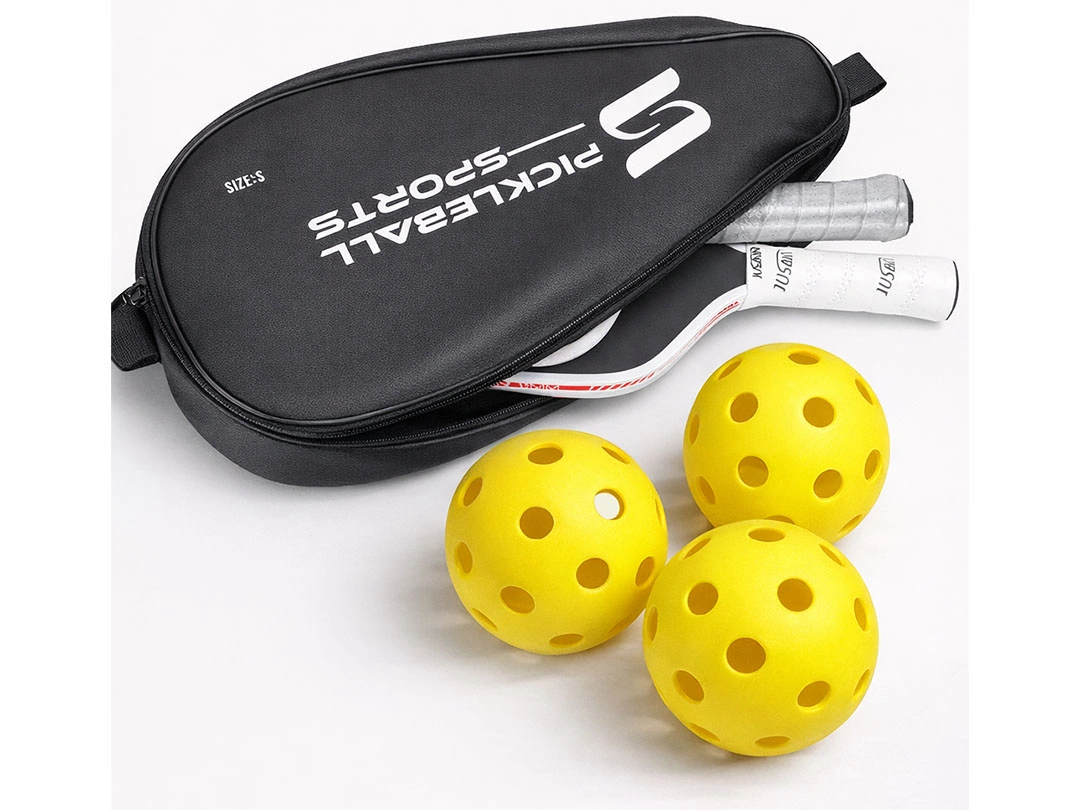
NexaPaddle also offers custom USAPA pickleballs wholesale — branded to your club or program with your logo, in both injection and rotomolded variants.
Part 4: Spare Parts Inventory Planning
Institutional buyers who don’t plan for consumables end up scrambling when equipment fails. Here’s the minimum spare parts inventory for a club launching with 100+ paddles:
Priority 1 — High Turnover Consumables:
- Grips and overgrips: Stock 10–15% of paddle count. Grips wear out within 30–60 hours of play. Players who learn on a worn grip learn bad habits.
- Replacement pickleballs: Stock minimum 20% of active court count × 6 balls per court. Balls crack and deform — replace proactively before they affect play quality.
Priority 2 — Medium Turnover:
- Edge guards: Cold press paddles with edge damage can be edge-guard replaced; thermoformed paddles cannot. Stock edge guards for your cold press fleet.
- Paddle labels/numbering: For rental tracking systems, stock replacement labels.
Priority 3 — Low Turnover but Critical:
- Full paddle replacements (buffer stock): 5–8% of your total paddle count as reserve inventory. For 100 paddles, keep 5–8 spares. This handles breakage spikes during events, lost/stolen units, and rapid replacement for VIP members.
👉 See NexaPaddle’s Pickleball Accessories & Gear and Pickleball Sets & Bundles for institutional accessory packages.
Part 5: The 7-Day Pre-Launch Checklist
Whether you’re opening a new club or launching a new youth program, the week before opening determines whether the equipment system works smoothly or creates chaos on day one.
Day -7: Lock Your Kit List
- Finalize paddle count for each tier (Tier 1 rental, Tier 2 upgrade, spare buffer)
- Confirm ball count and type split (training vs match)
- List all accessories needed (grips, bags, ball hoppers, ball dispensers)
- Assign order tracking responsibility to one person
Day -5: Arrival Check
- When shipment arrives, count every unit — against packing list
- Inspect 10% of paddles for visual defects, weight check, edge damage
- Check ball lots for consistent hardness and weight
- Document any discrepancies immediately (photos + written record)
Day -3: Sort, Label, and Organize
- Number all rental/club paddles (e.g., CP-001 through CP-100 for cold press fleet)
- Attach tracking tags or QR codes if using checkout system
- Sort balls by type (training vs match) and store separately
- Set up storage system — hanging racks for paddles, sealed bins for balls
Day -1: On-Site Placement
- Place paddles at all checkout/reception points
- Set up ball dispensers or ball bucket stations on each court
- Brief all staff on paddle checkout procedure and damage documentation
- Place spare parts inventory in accessible but secured storage
Launch Day: Protect Consistency
- Do NOT release your entire inventory on day one — hold back 10% reserve
- Document which paddles go to which users (rental checkout system)
- Collect feedback from first-day users on feel, weight, any concerns
- Plan first maintenance review for 30 days post-launch
Part 6: Five Mistakes Institutional Buyers Make
Mistake 1: Only Checking Unit Price
The cheapest paddle per unit often has the highest total cost of ownership once you factor in replacement rates, member complaints, and the cost of your time managing problems. Specify durability requirements, not just price.
Mistake 2: No Weight Tolerance Requirement
Ordering “8oz paddles” without specifying a tolerance (e.g., 7.8–8.2 oz) means you might receive a batch with ±0.5 oz variation. For beginner programs, this inconsistency is invisible. For intermediate club members comparing paddles, it’s immediately noticeable and a source of complaints.
Mistake 3: Choosing Paddles That Are Too Stiff/Heavy for Beginners
Buying thermoformed carbon paddles for your entire rental fleet because “carbon sounds premium” is counterproductive. Beginners hit better, learn faster, and have more fun with a softer, more forgiving fiberglass paddle. Save your thermoformed carbon for Tier 2.
Mistake 4: No Pre-Launch Checklist
Equipment problems on opening day or launch events create lasting negative impressions. The 7-day checklist above exists precisely because institutional buyers who skip it consistently encounter avoidable problems.
Mistake 5: Mixing Tiers Without Clear Labeling
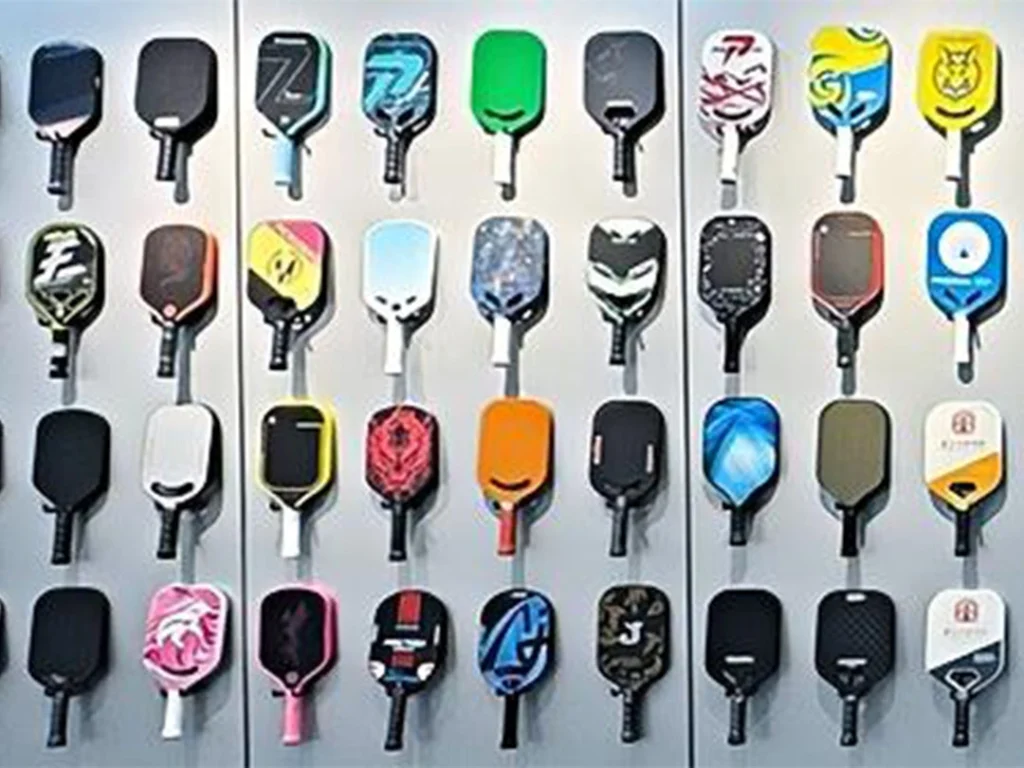
If your Tier 1 and Tier 2 paddles look similar, club members will consistently try to borrow/steal Tier 2 paddles for casual play. Either make them visually distinct (different colors or prominent numbering) or accept that your Tier 2 inventory will degrade faster than expected.
FAQ
u003cstrongu003eWhat’s the recommended paddle-to-player ratio for a new club?u003c/strongu003e
For open-play/rental programs: 1.5:1 (1.5 paddles per active member). For dedicated lesson programs where players bring their own gear: 0.5:1 for loaners + a 5% reserve. Initial order should plan for 6–12 months at expected membership, not just opening day.
u003cstrongu003eShould a school program use the same paddles as a recreational club?u003c/strongu003e
Generally not — schools need lighter paddles for younger age groups, stricter weight consistency, and often lower price points for budget-constrained PE departments. The youth age-segment framework above is designed specifically for school contexts.
u003cstrongu003eCan we custom brand paddles for our club or school?u003c/strongu003e
Yes. NexaPaddle offers u003ca href=u0022https://nexapaddle.com/custom-oem-pickleball-paddles/u0022 target=u0022_blanku0022 rel=u0022noreferrer noopeneru0022u003ecustom OEM paddlesu003c/au003e with club logos, program colors, and custom numbering. MOQ 300 pcs for cold press, 100 pcs for thermoformed. Custom branding adds institutional identity and reduces equipment theft (branded paddles are less desirable to take home).
u003cstrongu003eHow do we handle paddle maintenance — is there anything we can do to extend life?u003c/strongu003e
Key maintenance practices: (1) Wipe faces with a damp cloth after each session — removes court grit that abrades the surface. (2) Replace overgrips every 15–20 hours of play — worn grips cause players to over-grip, accelerating handle wear. (3) Store paddles away from direct sunlight and heat — UV and heat degrade adhesives in cold press construction. (4) Inspect edge guards monthly on cold press paddles; reglue loose edges before they progress to delamination.
u003cstrongu003eWhat’s the lead time for an institutional order from NexaPaddle?u003c/strongu003e
Cold press (MOQ 300 pcs): 10–15 days production + shipping. Thermoformed (MOQ 100 pcs): 12–18 days production + shipping. Rush orders available for established clients — contact us to discuss your timeline.
Equip Your Program Right the First Time
NexaPaddle supplies institutional programs with fiberglass paddles and thermoformed carbon paddles sized for every tier — from starter youth programs to full club fleets.
👉 Contact NexaPaddle for institutional pricing — share your program size, age groups, and launch timeline. We’ll recommend the right paddle and ball specification for your setup.
See also: Beginner & Starter Pickleball Paddles | Custom USAPA Pickleballs Wholesale | OEM Fiberglass Pickleball Paddle Factory