Evidence refresh: October 17, 2026. If you are planning a private-label or OEM pickleball paddle launch, certification planning should be separated into two questions: which governing-body program applies to your target market, and how much time and budget should you reserve for the official submission itself.
This page focuses on budget, timing, sample planning, and submission logistics. For the technical pre-production controls, use our USA Pickleball OEM compliance checklist.
USA Pickleball vs. UPA-A: Choose the Program by Market
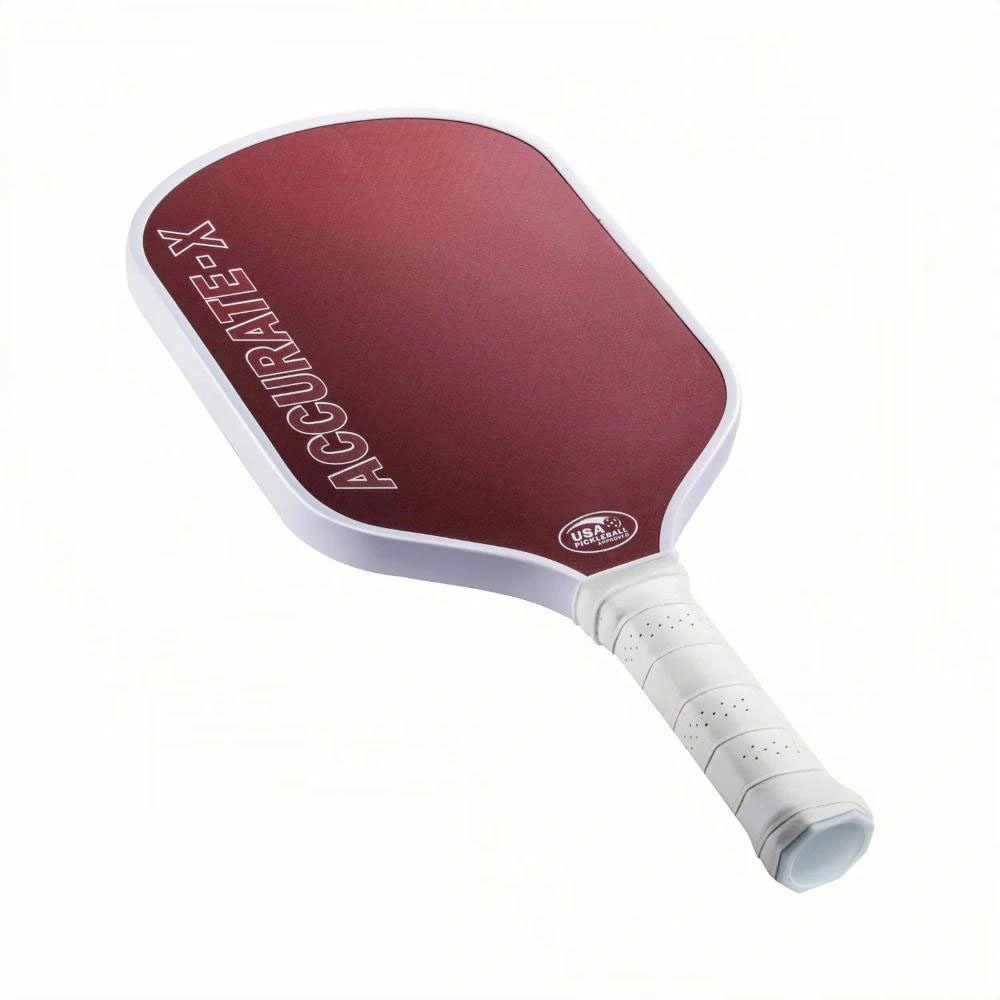
USA Pickleball (USAP) maintains the USA Pickleball Approved Paddle List used for USA Pickleball sanctioned competition. A brand should verify the exact brand and model on the current list before marketing that model as USA Pickleball Approved.
UPA-A operates a separate certification program for professional competition under the United Pickleball Association. Its 2026 certification guidance states that UPA-A certification is required for professional divisions at PPA and MLP events. Amateur play under those event systems can follow different eligibility rules, so buyers should check the current event requirement rather than assuming every paddle program needs both certifications.
| Target use | Planning starting point |
|---|---|
| USA Pickleball sanctioned competition | Verify the exact model on the current USA Pickleball Approved Paddle List |
| PPA / MLP professional divisions | Plan for the current UPA-A certification program |
| Retail / ecommerce without tournament positioning | Certification need depends on your product claims, channel requirements, and target player; do not imply approval before the exact model is approved |
USA Pickleball 2026: What the Official Submission Guidance Actually Confirms
USA Pickleball’s current equipment-submission FAQ gives several planning facts that manufacturers can use directly:
- Submission quantity: 9 paddles shipped to 6 separate locations.
- Normal testing guidance: 4–6 weeks.
- Expedited testing guidance: 3–8 business days, beginning the day after the paddle arrives at the testing facility.
- Submission state: paddles must carry final graphics, including the manufacturer name and model name.
Important cost boundary: USA Pickleball links manufacturers to its current Fee Schedule, but that fee page is presently restricted to registered manufacturer accounts. Because the current public website does not expose a fixed dollar amount, NexaPaddle does not publish an estimated “typical USAP testing fee” here. Check the current manufacturer account / submission workflow before budgeting.
For a realistic project budget, separate the official governing-body fee from your own project costs: production-representative samples, international shipping, customs or courier charges, internal validation, possible design changes, replacement samples, and any re-submission work. Those costs depend on the actual project and should not be presented as a universal per-model figure.
Current USA Pickleball technical timing checkpoints
- USA Pickleball’s PBCoR not-to-exceed limit became 0.43 effective November 1, 2025.
- Beginning October 1, 2026, paddles submitted for USA Pickleball certification must achieve a measured spin rate of 2,100 RPM or less under the new Spin Rate Test.
These are USA Pickleball requirements. Do not describe the 0.43 PBCoR limit as a UPA-A threshold; UPA-A uses its own testing framework.
UPA-A 2026: Published Fees and Timing
Unlike the current public USA Pickleball fee page, UPA-A publishes its 2026 certification charges and service timing openly. As of this evidence refresh, the published schedule is:
| UPA-A 2026 item | Published amount / timing |
|---|---|
| Standard annual brand fee | $10,000 per brand |
| First-time applicant annual fee, Jan–Mar | $10,000 |
| First-time applicant annual fee, Apr–Jun | $8,500 |
| First-time applicant annual fee, Jul–Sep | $6,000 |
| First-time applicant annual fee, Oct–Dec | $3,500 |
| Per-paddle certification fee | $3,000; certification valid for 24 months |
| Standard certification timing | Up to 8 weeks |
| Expedited service | $2,500; 4-week service |
| Super Expedited service | $7,500; 2-week service |
| Failed-paddle re-submission | $2,000 |
| Submission quantity | 5 paddles per submission |
The prorated annual-fee schedule applies to first-time applicants. Existing brands should confirm the current invoice and program terms directly with UPA-A before submission.
Do Not Turn a 4–6 Week Test Window Into a 4–6 Week Product Launch Promise
USA Pickleball’s 4–6 week figure is official testing guidance, not a universal factory-to-shelf lead time. A complete launch also includes project-specific steps that can vary substantially:
- Specification freeze: finalize face, core, thickness, dimensions, construction, graphics, model designation, target weight range, and other project requirements.
- Production-representative sample preparation: prepare the quantity and presentation required by the applicable program.
- Shipping and receipt: allow for courier and customs variability, especially for international shipments.
- Official testing: use the governing body’s current published service window rather than a factory estimate.
- Result / listing verification: confirm the exact model’s current status before making certification claims.
- Production and fulfillment planning: set the bulk-production, packaging, inspection and logistics schedule from the approved specification and actual factory capacity.
For this reason, NexaPaddle does not publish a universal “design freeze to inventory” number on this page. The correct total schedule is the sum of the current governing-body service window plus your project-specific sample, shipping, production, packaging and logistics lead times.
How to Talk About Approval Status Without Overclaiming
USA Pickleball itself uses the terms “USA Pickleball Approved” and “USA Pickleball Approved Paddle List.” The issue is not the word “approved”; the issue is whether the claim refers to the exact brand and model that currently holds that status.
| Project state | Safer wording |
|---|---|
| Exact model currently appears on the USA Pickleball Approved Paddle List | State the exact brand/model status and link to or verify against the current list |
| Model is being prepared for submission | “USA Pickleball pre-submission checks” or “development for submission” |
| Factory has tested similar construction internally | Describe the internal check only; do not call the new model approved |
| UPA-A submission in progress | “UPA-A submission in progress” rather than “UPA-A certified” |
Production Consistency Still Matters After Certification
USA Pickleball’s submission FAQ states that manufacturers are responsible for ensuring production units continue to meet the same specifications as the certified samples, and that market samples may be inspected for ongoing compliance.
For OEM buyers, the practical response is controlled versioning: document the approved face, core, construction, dimensions, graphics/model identity and any project-specific tolerances. If a material, supplier, process or construction change is proposed, check the current governing-body re-evaluation rules before assuming the prior status still applies.
Factory pre-checks are useful for catching drift before submission, but an internal measurement is not official certification. NexaPaddle’s role is to help prepare and control the production specification; the governing body decides certification status.
A Practical Budget Checklist for an OEM Paddle Project
- Current official certification / testing fee for the selected program
- Required submission units
- Production-representative sample cost
- International shipping and customs
- Internal pre-submission validation
- Contingency for design correction or re-submission
- Bulk-production lead time after the final specification is frozen
- Packaging, inspection and fulfillment lead time
Do not lock a retail launch date until the governing-body service window and the factory production schedule are both confirmed.
Official Sources to Recheck Before Submission
- USA Pickleball Equipment Submission FAQ
- USA Pickleball Approved Paddle List
- USA Pickleball 2026 Spin Rate Test Update
- UPA-A 2026 Certification
- UPA-A 2026 Certification Checklist
FAQ
How long does USA Pickleball paddle testing take?
The current USA Pickleball submission FAQ gives normal testing guidance of 4–6 weeks and expedited testing guidance of 3–8 business days after the paddle arrives at the testing facility. These are testing windows, not total product-launch lead times.
How much does USA Pickleball paddle certification cost in 2026?
USA Pickleball currently directs manufacturers to a Fee Schedule that requires registered-manufacturer access. Because the current amount is not exposed on the public fee page, verify the fee inside the current manufacturer submission workflow instead of relying on an old public estimate.
How much does UPA-A certification cost in 2026?
The published 2026 UPA-A schedule lists a $10,000 standard annual brand fee, a $3,000 per-paddle certification fee, and a $2,000 failed-paddle re-submission fee. First-time applicant annual fees are prorated by quarter, and expedited service options are published separately.
Can I call a paddle “USA Pickleball Approved”?
Use approval language only for the exact brand and model that currently holds that status. USA Pickleball itself uses “USA Pickleball Approved” terminology; the problem is applying it to an unapproved model, a whole factory platform, or a future custom configuration.
Does internal factory testing equal certification?
No. Internal testing can support design and quality control, but official certification status comes from the applicable governing-body process and current approved/certified model list.
Plan the Submission Around the Exact Model
If you are preparing an OEM paddle for certification, send NexaPaddle the target market, event requirement, construction, model name, target launch window and current design status. We can use those inputs to build a project-specific sample and production plan without treating an estimate as a certification guarantee.
Next step: review the USA Pickleball OEM compliance checklist, then contact NexaPaddle with the exact model you intend to submit.