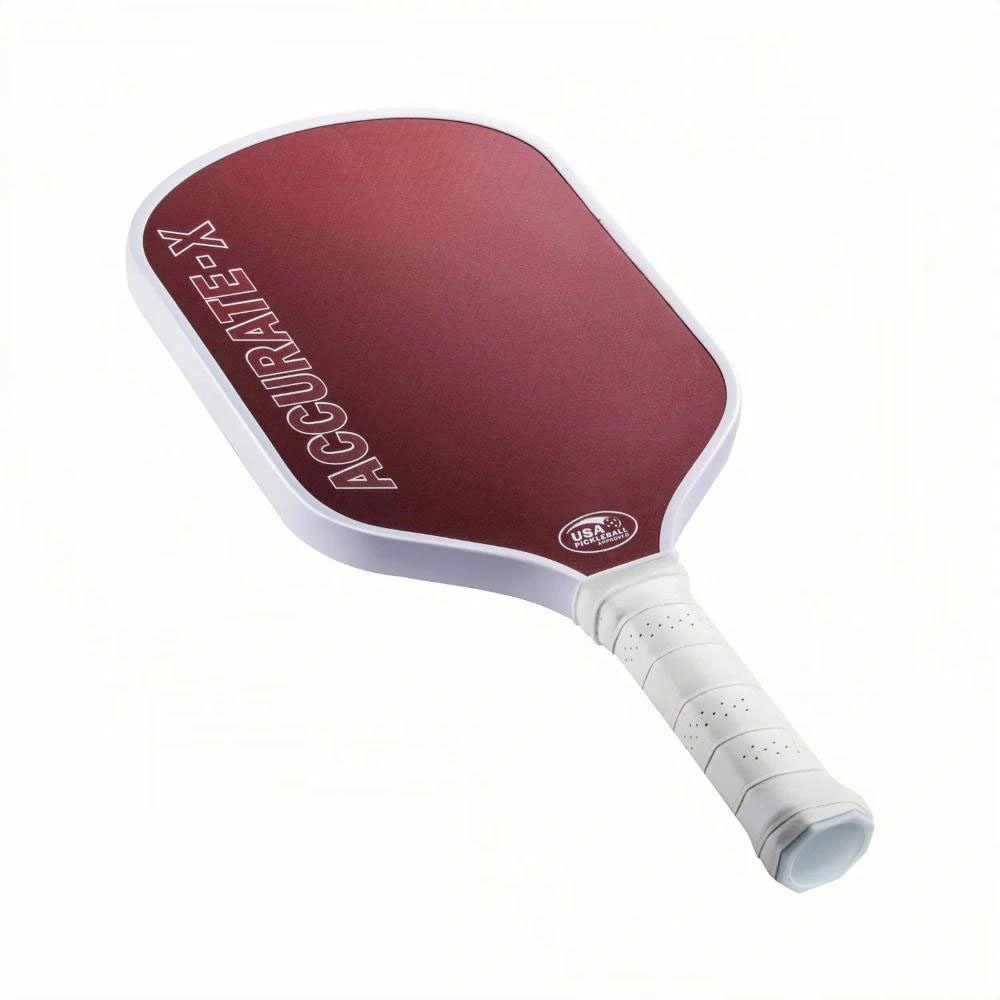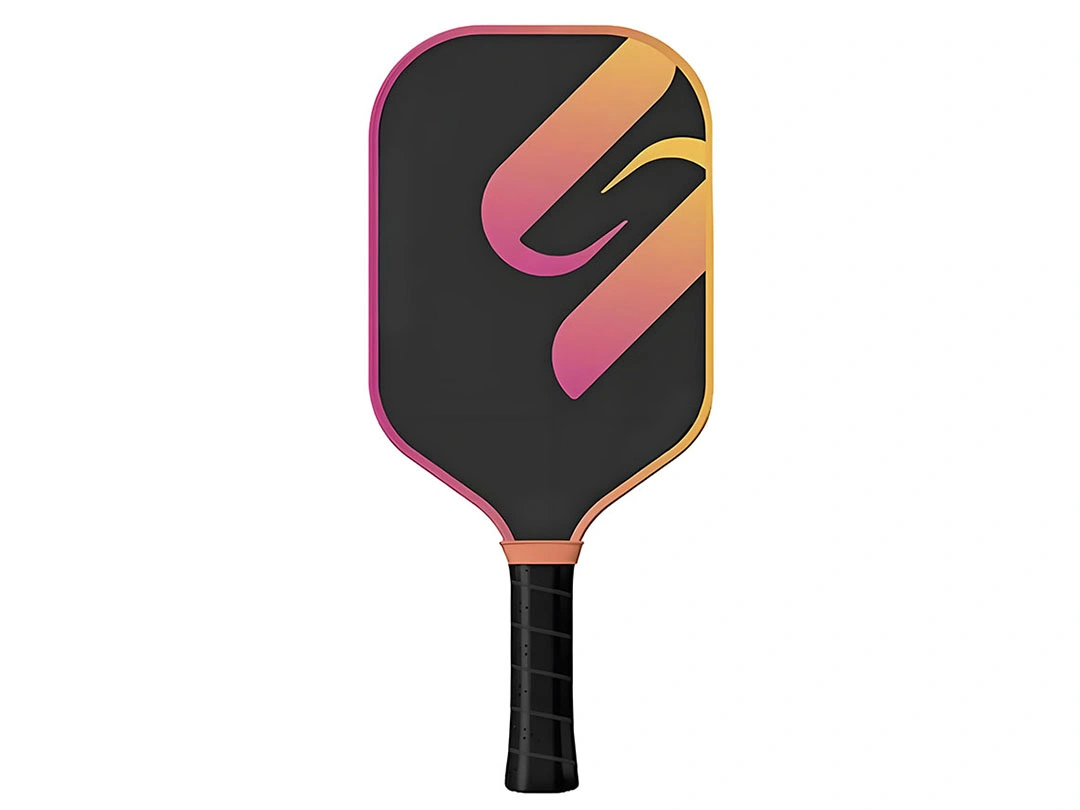
If your brand plans to sell tournament-ready pickleball paddles, do not treat USA Pickleball approval as a final paperwork step. In 2026, that is only half the conversation for performance brands: mainstream club and amateur buyers still look first for USA Pickleball listing status, while pro-event buyers may also ask about UPA-A requirements tied to the PPA Tour, Major League Pickleball, or other United Pickleball Association events.
Treat it as a production-control problem.
A paddle is not safe to market as approved just because the design looks familiar, the factory has made similar models, or one prototype feels good in play testing. For organized play, buyers usually want to know whether the exact brand and model appears on the USA Pickleball Approved Paddle List. USA Pickleball’s equipment site also makes the larger point clear: manufacturers submit equipment for testing and certification, and approved paddles are searchable by brand and model on the official list.
For OEM and private-label buyers, that creates a practical question:
How do you prepare the paddle before production so the submitted sample, the mass-production units, the packaging, and the marketing claims all stay aligned?
This checklist is written for brand owners, sourcing teams, Amazon sellers, retailers, clubs, and distributors working with a Custom & OEM Pickleball Paddles manufacturer. It does not replace legal advice or the official USA Pickleball Equipment Standards Manual. It gives you a factory-side control list to use before you place a production order.
First, Use Safer Language
Many buyers still say “USAPA approved” because the phrase is common in the market. We keep “USAPA” in this article title because many sourcing managers, Amazon sellers, and brand owners still search the old term. On packaging, product pages, and retailer documents, however, the more precise body name is USA Pickleball, and the safest buyer-facing wording is usually more specific:
- “Listed on the USA Pickleball Approved Paddle List” when the exact brand and model is currently listed.
- “Designed to align with USA Pickleball equipment requirements” when the model is still in development.
- “USA Pickleball approval support available” when the factory can help prepare samples and documentation, but the buyer’s exact model has not yet been listed.
Avoid saying a custom paddle is approved before the exact model is visible on the current official list. Also avoid broad claims like “tournament legal everywhere.” Tournament rules, event requirements, approved lists, and compliance status can change.
This is especially important for Private Label Paddles projects. A factory may have experience with listed paddles, but your logo, model name, surface, core, dimensions, and production process still need to match the submitted version.
The OEM Compliance Mindset: Freeze Before You Scale
The biggest mistake is starting mass production while the product is still fluid.
Before you submit samples or approve production, freeze the paddle as a controlled SKU. That means the factory and buyer agree on the exact version being built, not a loose product idea.
At minimum, freeze these items:
- Brand name and model name.
- Paddle shape and size.
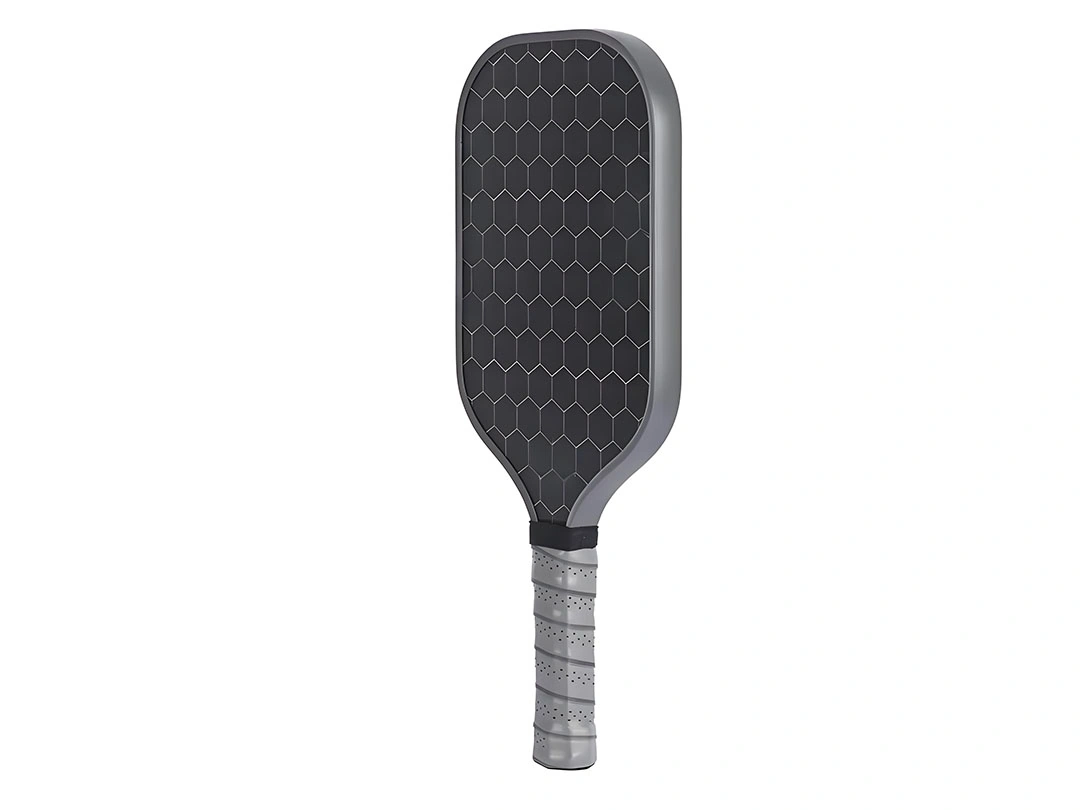
- Face material, such as raw carbon fiber, fiberglass, Kevlar/aramid blend, or other surface system.
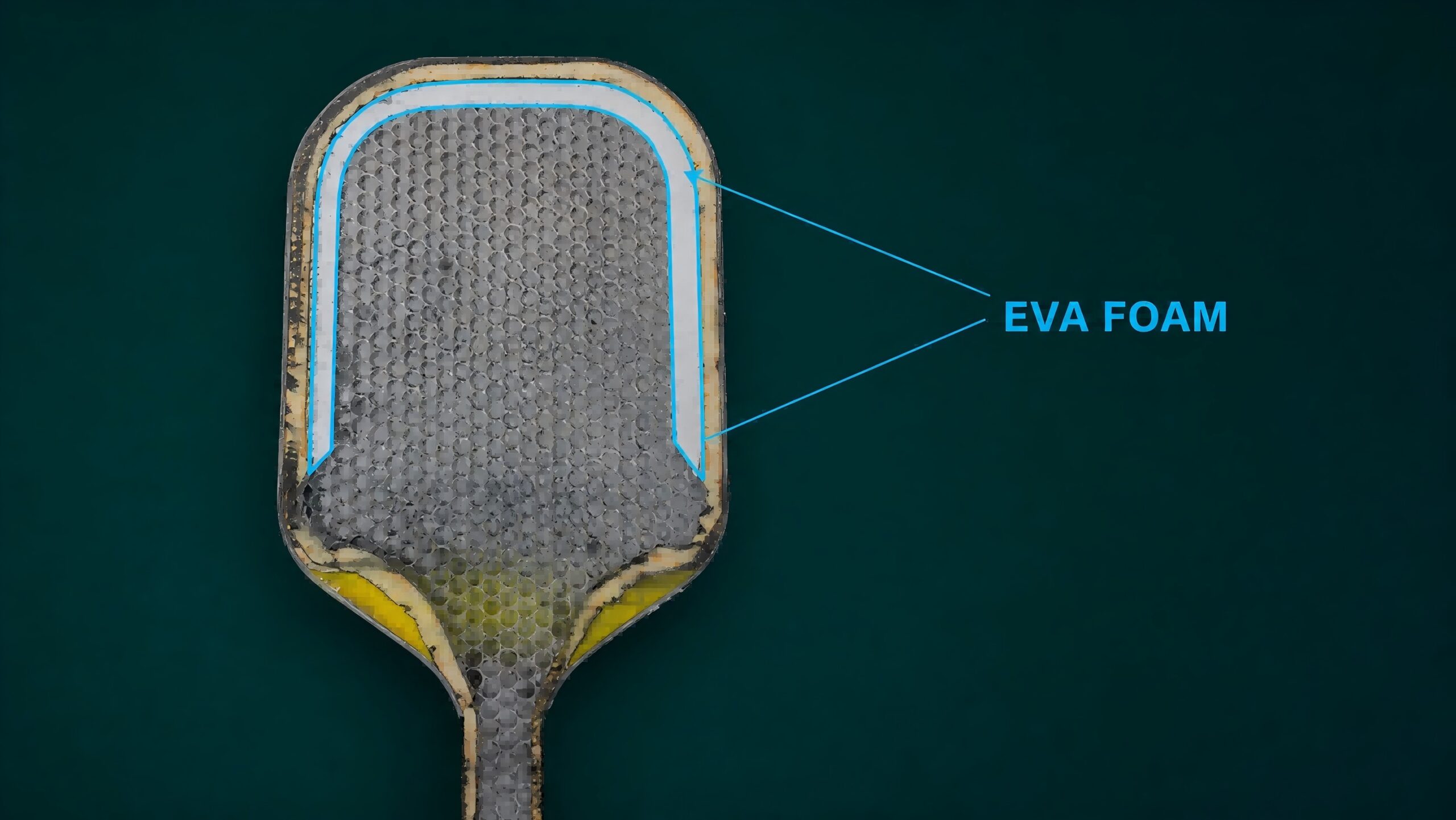
- Core material, core thickness, and construction type.
- Edge guard or edgeless construction.
- Handle length, grip build, and butt-cap details.
- Target weight range and balance feel.
- Surface texture or coating process.
- Artwork, printing method, and finish.
- Packaging claim language.
- Batch traceability method.
If any of these change after approval, the listing risk changes with it. In OEM production, “small change” is often the phrase that causes the expensive problem.
Checklist 1: Confirm the Market and Event Requirement
Before you ask the factory for samples, define where the paddle will be sold and where the customer expects to play.
Ask:
- Is this paddle for recreational buyers, club players, school programs, tournament players, or sponsored athletes?
- Will the product page mention tournament use?
- Will the paddle be sold in the United States only, or also in the EU, UK, Canada, Australia, or other markets?
- Does the sales channel require special labeling, safety documentation, or traceability records?
- Does your brand need only USA Pickleball listing support, or are there separate event or professional-circuit requirements to consider?
- Will the paddle be promoted to professional, semi-professional, or high-level tournament players who may ask about UPA-A status?
- Does the project need one approval path for club/amateur sales and a separate UPA-A planning path for pro-event visibility?
For most mainstream US pickleball buyers, checking the USA Pickleball Approved Paddle List is the baseline. If your channel or sponsored players participate in PPA, MLP, or other events with separate paddle policies, confirm the current UPA-A requirements before locking the model. Do not assume that one listing automatically covers every event environment.
This is the practical split for product planning:
| Target buyer or channel | Approval planning priority | OEM implication |
|---|---|---|
| Recreational, club, school, and mainstream retail buyers | USA Pickleball listing status | Build a production-representative model, prepare material and construction documentation, and verify the exact model on the official list before launch. |
| Performance retail, sponsored players, and pro-event visibility | USA Pickleball plus UPA-A event-rule review | Confirm whether UPA-A testing, documentation, or event-specific approval is needed before design freeze. |
| Export or multi-market sales | Equipment approval plus local product-safety and traceability rules | Treat paddle approval, labeling, responsible-party information, and batch tracking as separate workstreams. |
Checklist 2: Build a Production-Representative Sample
The sample you submit should represent real production, not a hand-polished showpiece.
For OEM buyers, this is where many projects become fragile. A factory can make a beautiful prototype with extra manual attention, then struggle to repeat the same surface, weight, edge finish, or core response across hundreds or thousands of units.
Before submission, require:
- Same mold as mass production.
- Same face material supplier and grade.
- Same core supplier, density, thickness, and cell structure.
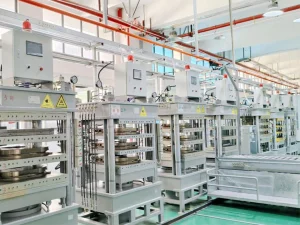
- Same thermoforming or cold-press parameters.
- Same coating, sanding, grit, peel-ply, or finishing process.
- Same edge guard material and adhesive.
- Same grip and handle assembly method.
- Same artwork process and surface finish.
The goal is simple: the sample should be the first controlled unit of the production version, not a separate prototype branch.
Checklist 3: Control the Surface System
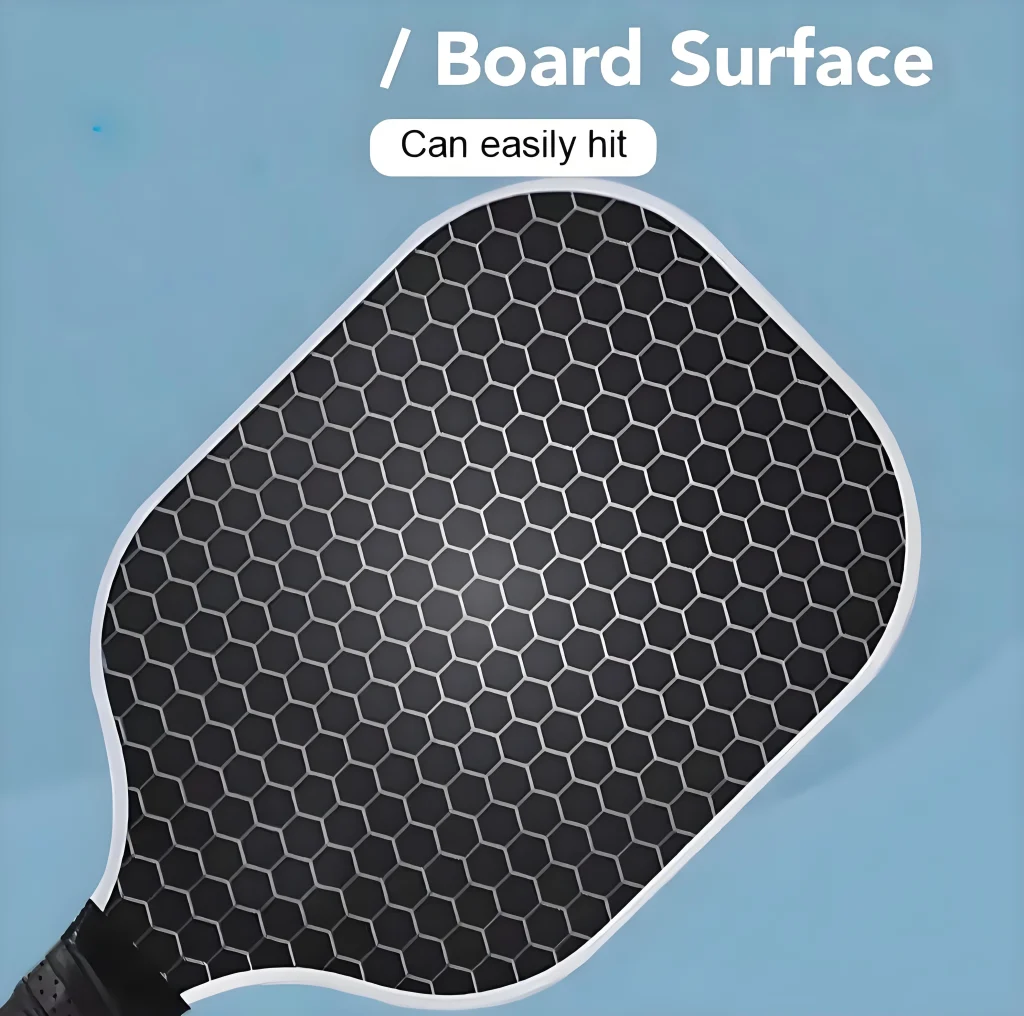
Surface behavior is one of the highest-risk areas in paddle compliance because it is easy to change without noticing.
For a buyer, a Raw Carbon Pickleball Paddles surface or “textured finish” sounds like one spec. At the factory level, it may involve fiber weave, resin content, peel-ply texture, sanding, spray coating, curing time, and final cleaning. Each variable can affect how the paddle grips the ball and how consistently the face behaves from batch to batch.
Before production, document:
- Face material and supplier.
- Resin or surface treatment.
- Whether texture comes from the material, peel-ply process, spray coating, or another finish.
- Coating formula and application method if coating is used.
- Surface inspection points across the paddle face.
- Acceptance range for visual texture and measurement results.
For brands, the safer path is not always the most aggressive surface. It is the surface your factory can repeat cleanly.
If the model targets UPA-A or other pro-event review, also ask how the surface strategy affects spin measurement. Some UPA-A-facing discussions reference RPM-style spin limits, while USA Pickleball’s public equipment material emphasizes friction, roughness, and PBCoR-related compliance. The buyer lesson is the same: do not approve a high-grit face because it performs well in a sales demo. Ask the factory what the current event standard measures, which instrument or lab method applies, and how the production surface will stay inside that rule window across batches.
Checklist 4: Check Power, Deflection, and Core Behavior Early
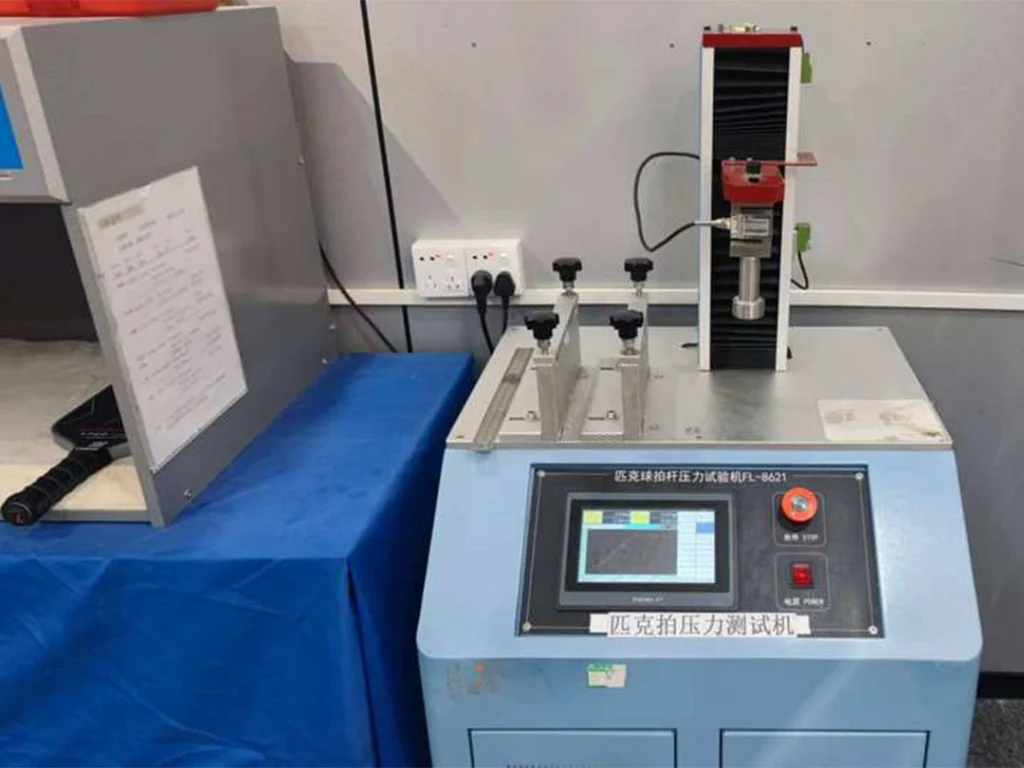
Modern paddles are often designed for more power, more spin, and a larger sweet spot. That is commercially attractive, but it also means the construction sits closer to rule-sensitive areas.
USA Pickleball’s equipment FAQ discusses PBCoR in relation to trampoline-effect concerns and decertification. It also notes that certified products must continue to meet certification conditions over time, not only at the original submission moment.
For UPA-A-facing projects, add a second technical vocabulary layer: ask about Average Deflection Force (ADF), spin/RPM review, and any other current pro-event performance gates. Do not use these terms as marketing decoration. Use them as engineering questions before the mold, core, face, and process are locked.
For OEM buyers, this means you should not evaluate only how a fresh sample plays on day one.
Ask the factory:
- How does this construction behave after repeated impacts?
- Is the paddle cold pressed, Thermoformed Pickleball Paddles, foam-injected, edgeless, or hybrid construction?
- Which process variables most affect rebound and flex?
- If UPA-A is part of the launch plan, which ADF, spin/RPM, and power-response checks should be confirmed before production?
- What internal testing does the factory perform before submission?
- How will the factory prevent a later production batch from feeling more powerful than the submitted sample?
This is not just an engineering detail. If the mass-production paddle drifts away from the certified version, the brand carries the risk.
Checklist 5: Lock Dimensions and Tolerances After Assembly
Do not check dimensions only at the bare core or mold stage. Measure the finished paddle after edge guard, surface finish, grip, printing, and final assembly.
For each model, document:
- Overall length.
- Overall width.
- Combined size requirement against the current rulebook and equipment manual.
- Handle length.
- Grip circumference.
- Edge guard thickness and final width impact.
- Finished weight range.
- Balance point or swing-weight guidance if the brand uses it for product positioning.
One common OEM problem is tolerance stacking. Each part may be “close enough” by itself, but the finished paddle can drift once edge guard, adhesive, grip, and finishing are added.
Production control should happen at the finished-unit level.
Checklist 6: Prepare Material and Construction Attestations
USA Pickleball’s equipment FAQ states that manufacturers must provide attestations about materials and construction in addition to certification by test. That matters for OEM buyers because the factory cannot treat the submission as only a physical sample shipment.
Before production, prepare a documentation file that includes:
- Bill of materials for face, core, edge, handle, grip, adhesive, coating, and packaging.
- Construction process description.
- Supplier references for controlled materials.
- Model name and version.
- Production drawings or spec sheet.
- Sample photos.
- Batch coding method.
- Change-control rules.
If your brand owns the listing or controls the model name, keep a copy of the documentation. Do not leave all records only inside the factory’s sales chat.
Checklist 7: Set Batch Consistency Locks
Approval risk does not end after a model is listed. USA Pickleball’s FAQ says manufacturers are responsible for making sure production units continue to match the certified samples, and that market samples may be inspected for compliance.
That is the sentence OEM buyers should print and keep beside the purchase order.
Before mass production, lock six batch controls:
- Version lock: one approved model equals one controlled spec version.
- Face lock: no supplier, texture, coating, sanding, or finishing change without review.
- Core lock: no core material, density, thickness, or structure change without review.
- Process lock: press time, temperature, pressure, curing, and assembly method stay documented.
- Weight lock: finished units stay inside an agreed production range.
- Traceability lock: each batch, carton, and retained sample can be tied back to a production record.
- Sampling lock: pull random units from each batch for measurement before packing.
For higher-end or pro-facing paddles, traceability should be designed at the product stage, not added after the mold is finished. Consider a reserved laser-engraving area for serial numbers, a batch-code position under the grip or on the throat area, or an NFC/authentication plan if the brand expects counterfeit risk, sponsored-player seeding, or event-side equipment checks. The goal is not to chase technology for its own sake. The goal is to prove which physical paddle matches which approved or tested version.
This protects both sides. The brand gets repeatability. The factory gets fewer disputes. The customer receives the same paddle that the product page describes.
Checklist 8: Audit Packaging and Product Page Claims
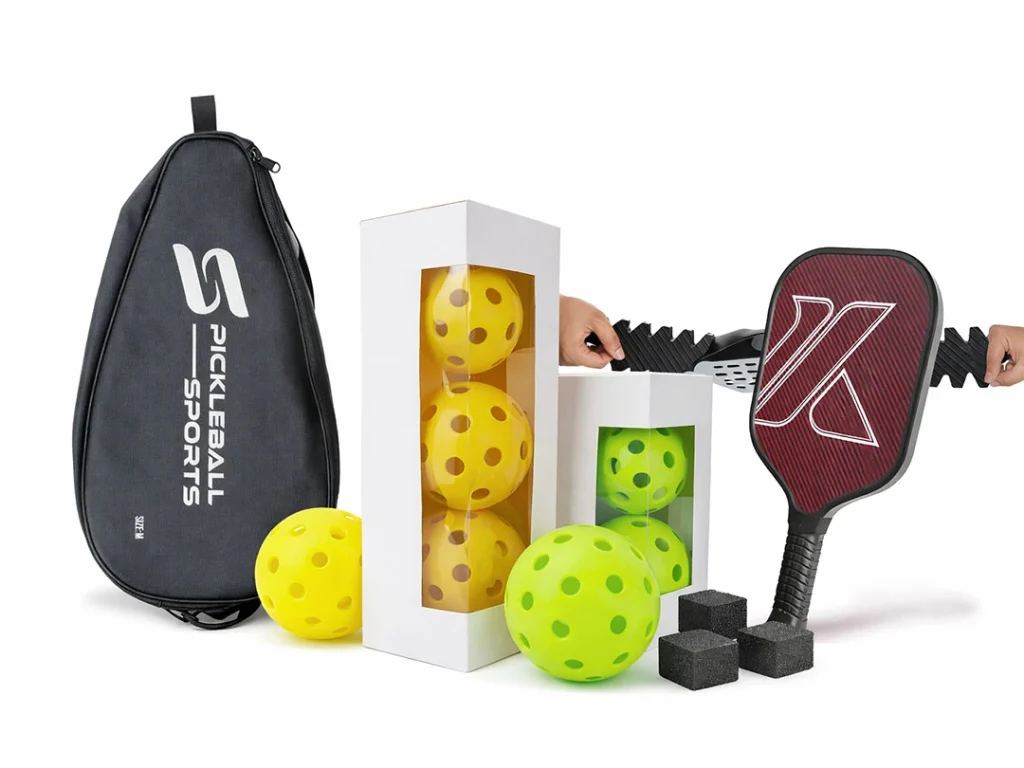
Packaging can create compliance risk even when the paddle itself is well controlled.
Before printing cartons, sleeves, inserts, hang tags, or Amazon images, check every claim:
- Does it say “USAPA approved” before the exact model is listed?
- Does it imply official endorsement by USA Pickleball?
- Does it say “tournament legal everywhere”?
- Does it mention a technology or material not used in the final production spec?
- Does it use an old approval screenshot instead of current list verification?
- Does it include the correct model name and version?
- Does the claim match the target market?
For models still in development, use conservative wording. For models already listed, reference the official list and exact model. If a model is under review, under investigation, delisted, or changed, update the product page quickly.
Checklist 9: Verify the Official List Before Launch
The final pre-launch step is not a factory promise. It is a live check.
Go to the USA Pickleball Approved Paddle List and search by brand and model. Confirm that the exact model appears and that the information matches your production version.
Record:
- Date of verification.
- Brand name as listed.
- Model name as listed.
- Product images if available.
- Listing URL or screenshot for internal records.
- Which production batch uses that approved version.
This should be done before product-page publication, retailer handoff, paid ads, influencer seeding, and bulk shipment.
Checklist 10: Monitor Compliance After Shipment
Post-launch monitoring is now part of responsible paddle manufacturing.
USA Pickleball maintains a Paddle Compliance Report showing current compliance issues or statuses for certain models. Its equipment FAQ also explains why products can be decertified, including failure to meet certification conditions, inaccurate initial disclosures, or production standards that are not maintained.
For a brand, that means approval is not a permanent marketing asset you can ignore.
Create a simple monthly routine:
- Recheck the approved list for your model.
- Check the compliance report for status changes.
- Review customer complaints about unusual power, surface wear, delamination, or inconsistent feel.
- Pull retained samples from production batches if complaints appear.
- Compare new production lots against the original approved version.
- Stop claim-heavy ads if status becomes uncertain.
This is not paranoia. It is brand insurance.
What to Ask Your OEM Factory Before Production
Use this question set before paying for tooling, samples, or bulk production:
- Have you produced paddles that were listed on the USA Pickleball Approved Paddle List?
- Can you support documentation for materials and construction?
- Which exact surface process will be used for my model?
- How do you measure surface consistency before submission?
- How do you test or evaluate rebound, deflection, and long-term play behavior?
- What is the finished-unit dimensional tolerance after edge guard and grip assembly?
- Will the submitted samples be made on the same line and process as mass production?
- How do you lock material suppliers after approval?
- If UPA-A or pro-event use is part of the plan, what ADF, spin/RPM, and power-response checks must be confirmed before final sample approval?
- How do you mark batch numbers, serial numbers, or NFC/authentication records for traceability?
- What happens if I change graphics, coating, core, handle, or weight after listing?
If the answer is vague, slow down. A good OEM partner should be comfortable discussing version control, sampling, documentation, and batch consistency.
How Nexapaddle Supports Approval-Ready OEM Projects
Nexapaddle’s role is not to promise that every custom paddle is automatically approved. That would be the wrong claim.
The stronger promise is more practical: help brands develop paddles around current equipment requirements, prepare production-representative samples, document the specification, and control batch consistency after the model is finalized.
For OEM, ODM, and private-label buyers, Nexapaddle can support:
- Paddle structure selection before sampling.
- Face material and surface-process planning.
- Cold press, thermoformed, and specialty-core product development.
- Spec sheet and version-control setup.
- Sample review before production.
- QC and testing checkpoints.
- Packaging and claim-language review.
- Production consistency planning for repeat orders.
This is the difference between buying a paddle and building a controlled product line.
Final Takeaway
USAPA approved pickleball paddles are not created at the last step of production. They are planned before production starts.
For brand owners, the core checklist is simple:
- Verify the exact requirement.
- Freeze the model.
- Build a production-representative sample.
- Document materials and construction.
- Control surface, core, dimensions, and process.
- Use safe marketing language.
- Check the official list before launch.
- Keep monitoring after shipment.
If your factory cannot explain these controls, the risk is not just a failed submission. The risk is launching a paddle your brand cannot defend later.