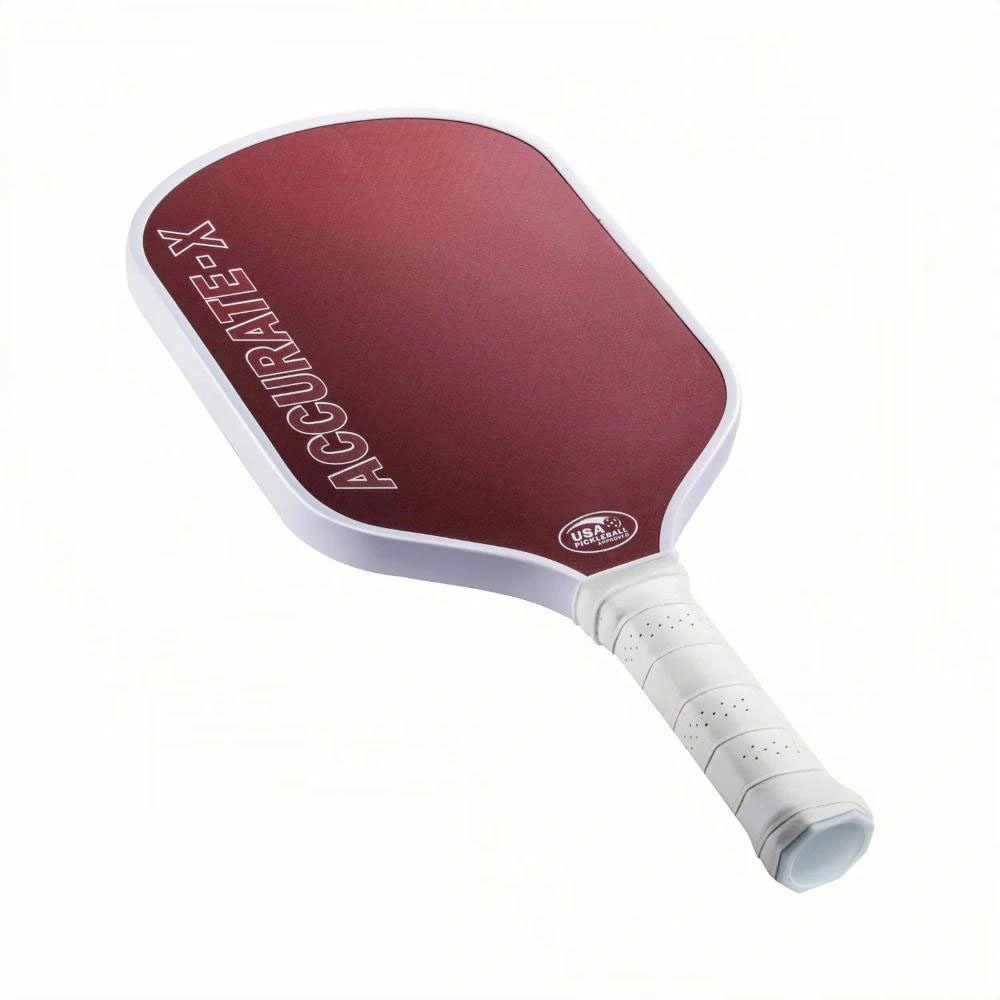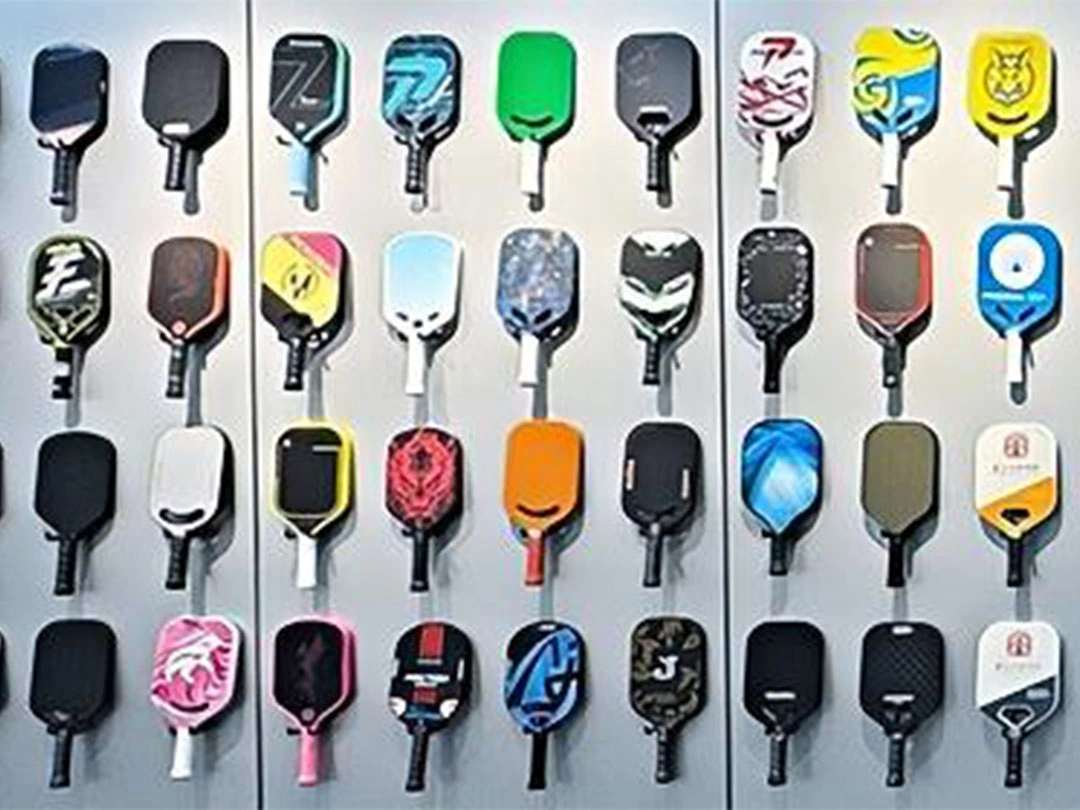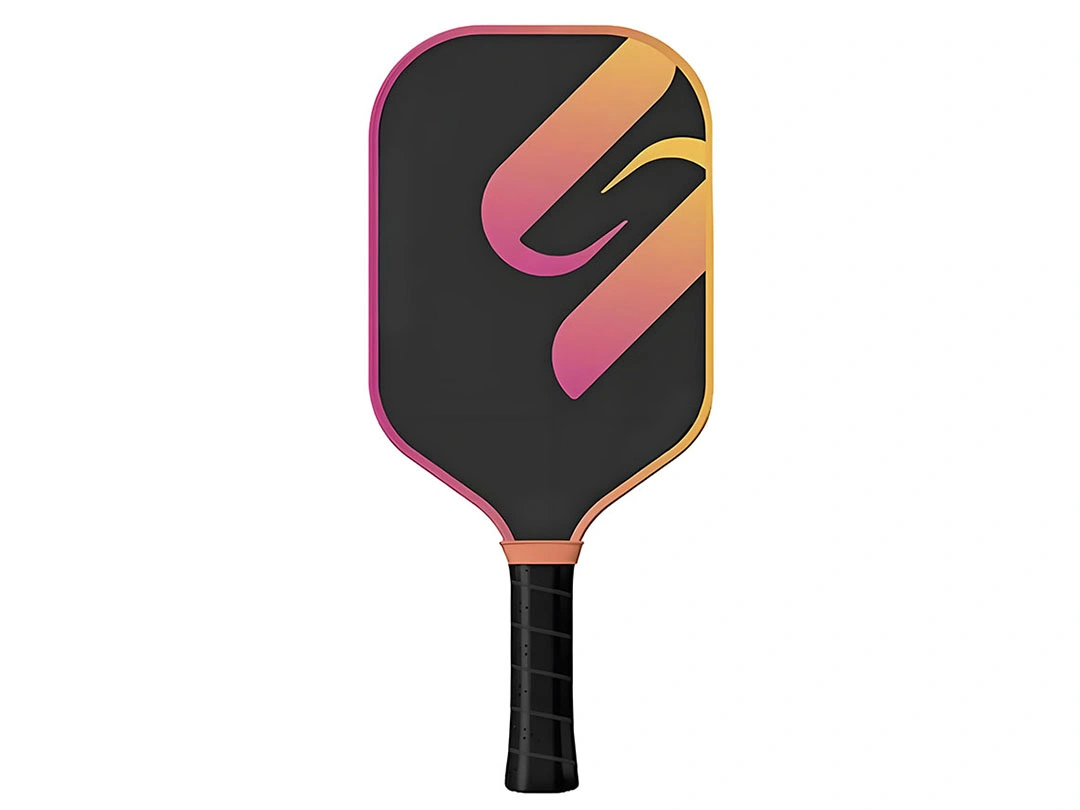
If your brand plans to sell tournament-ready pickleball paddles, do not treat USA Pickleball approval as a final paperwork step. In 2026, that is only half the conversation for performance brands: mainstream club and amateur buyers still look first for USA Pickleball listing status, while pro-event buyers may also ask about UPA-A requirements tied to the PPA Tour, Major League Pickleball, or other United Pickleball Association events.
Treat it as a production-control problem.
A paddle is not safe to market as approved just because the design looks familiar, the factory has made similar models, or one prototype feels good in play testing. For organized play, buyers usually want to know whether the exact brand and model appears on the USA Pickleball Approved Paddle List. USA Pickleball’s equipment site also makes the larger point clear: manufacturers submit equipment for testing and certification, and approved paddles are searchable by brand and model on the official list.
For OEM and private-label buyers, that creates a practical question:
How do you prepare the paddle before production so the submitted sample, the mass-production units, the packaging, and the marketing claims all stay aligned?
This checklist is written for brand owners, sourcing teams, Amazon sellers, retailers, clubs, and distributors working with a カスタム&OEMピクルボールパドル manufacturer. It does not replace legal advice or the official USA Pickleball Equipment Standards Manual. It gives you a factory-side control list to use before you place a production order.
First, Use Safer Language
Many buyers still say “USAPA approved” because the phrase is common in the market. We keep “USAPA” in this article title because many sourcing managers, Amazon sellers, and brand owners still search the old term. On packaging, product pages, and retailer documents, however, the more precise body name is USA Pickleball, and the safest buyer-facing wording is usually more specific:
- “Listed on the USA Pickleball Approved Paddle List” when the exact brand and model is currently listed.
- “Designed to align with USA Pickleball equipment requirements” when the model is still in development.
- “USA Pickleball approval support available” when the factory can help prepare samples and documentation, but the buyer’s exact model has not yet been listed.
Avoid saying a custom paddle is approved before the exact model is visible on the current official list. Also avoid broad claims like “tournament legal everywhere.” Tournament rules, event requirements, approved lists, and compliance status can change.
This is especially important for プライベートラベルパドル projects. A factory may have experience with listed paddles, but your logo, model name, surface, core, dimensions, and production process still need to match the submitted version.
The OEM Compliance Mindset: Freeze Before You Scale
The biggest mistake is starting mass production while the product is still fluid.
Before you submit samples or approve production, freeze the paddle as a controlled SKU. That means the factory and buyer agree on the exact version being built, not a loose product idea.
At minimum, freeze these items:
- Brand name and model name.
- Paddle shape and size.
- Face material, such as raw carbon fiber, fiberglass, Kevlar/aramid blend, or other surface system.
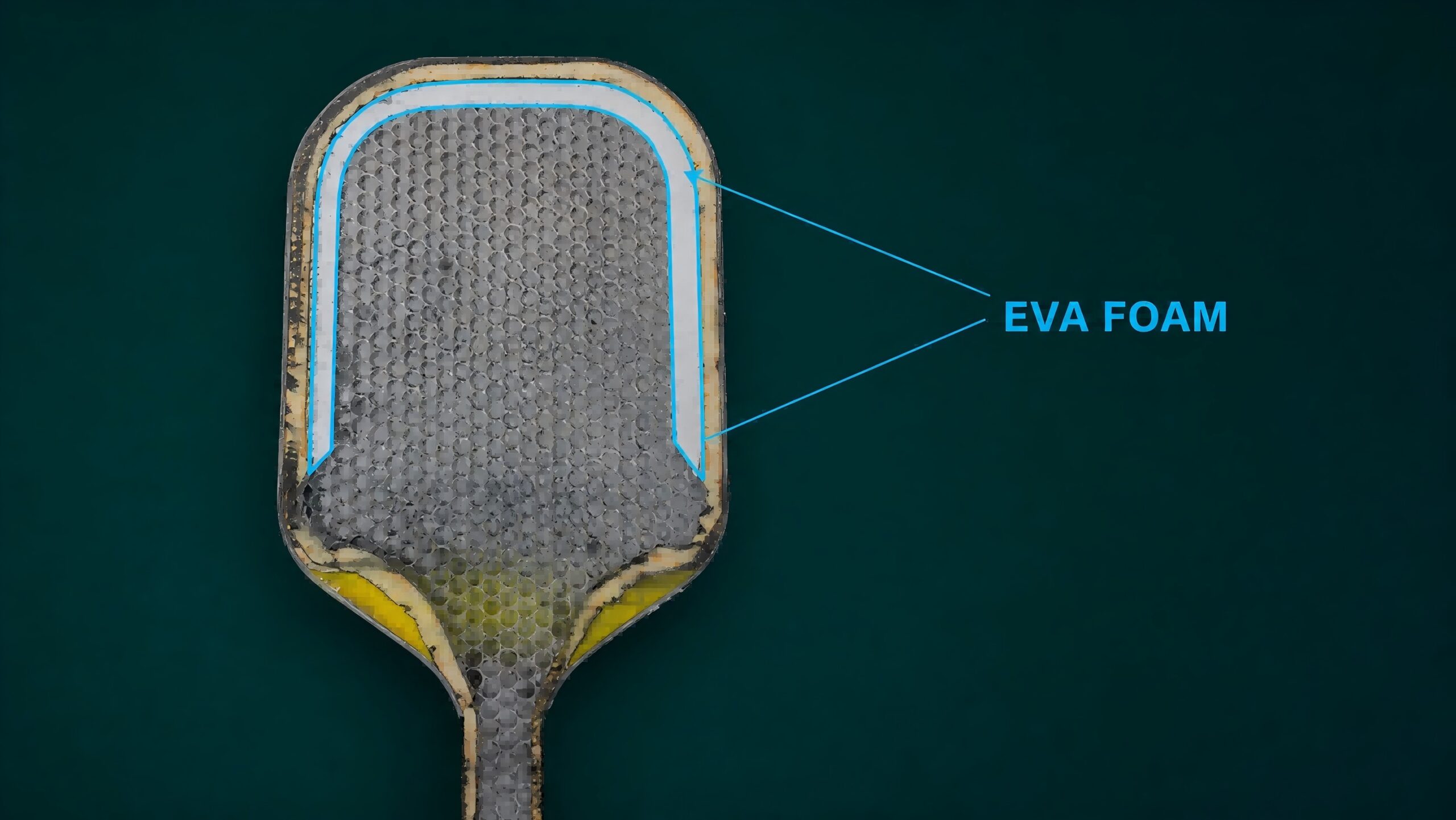
- Core material, core thickness, and construction type.
- Edge guard or edgeless construction.
- Handle length, grip build, and butt-cap details.
- Target weight range and balance feel.
- Surface texture or coating process.
- Artwork, printing method, and finish.
- Packaging claim language.
- Batch traceability method.
If any of these change after approval, the listing risk changes with it. In OEM production, “small change” is often the phrase that causes the expensive problem.
Checklist 1: Confirm the Market and Event Requirement
Before you ask the factory for samples, define where the paddle will be sold and where the customer expects to play.
Ask:
- Is this paddle for recreational buyers, club players, school programs, tournament players, or sponsored athletes?
- Will the product page mention tournament use?
- Will the paddle be sold in the United States only, or also in the EU, UK, Canada, Australia, or other markets?
- Does the sales channel require special labeling, safety documentation, or traceability records?
- Does your brand need only USA Pickleball listing support, or are there separate event or professional-circuit requirements to consider?
- Will the paddle be promoted to professional, semi-professional, or high-level tournament players who may ask about UPA-A status?
- Does the project need one approval path for club/amateur sales and a separate UPA-A planning path for pro-event visibility?
For most mainstream US pickleball buyers, checking the USA Pickleball Approved Paddle List is the baseline. If your channel or sponsored players participate in PPA, MLP, or other events with separate paddle policies, confirm the current UPA-A requirements before locking the model. Do not assume that one listing automatically covers every event environment.
This is the practical split for product planning:
| Target buyer or channel | Approval planning priority | OEMの影響 |
|---|---|---|
| レクリエーション、クラブ、学校、及び主流の小売バイヤー | USAピクルボールのリスト状況 | 生産代表モデルを構築し、材料及び施工ドキュメントを準備し、ローンチ前に公式リストで正確なモデルを検証します。 |
| パフォーマンス小売、スポンサー選手、およびプロイベントの可視性 | USAピクルボール及びUPA-Aのイベントルールレビュー | デザインフリーズの前にUPA-Aのテスト、ドキュメント、またはイベント特有の承認が必要か確認します。 |
| 輸出またはマルチマーケット販売 | 機器承認およびローカル製品安全とトレーサビリティ規則 | パドルの承認、ラベル付け、責任者情報、及びバッチ追跡を別個の作業ストリームとして扱います。 |
チェックリスト2:生産代表サンプルを構築する
提出するサンプルは、手磨きの見本ではなく、実際の生産を代表するものであるべきです。
OEMバイヤーにとって、ここが多くのプロジェクトが脆弱になるポイントです。工場は追加の手動注意を払って美しいプロトタイプを作成できますが、数百または数千のユニット間で同じ表面、重量、エッジ仕上げ、またはコア応答を再現するのに苦労することがあります。
提出前に必要なもの:
- 量産と同じ型。
- 同じ面材供給者とグレード。
- 同じコア供給者、密度、厚さ、およびセル構造。
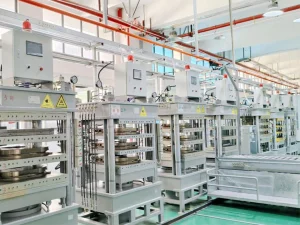
- 同じ熱成形またはコールドプレスパラメータ。
- 同じコーティング、サンディング、グリット、ピールプライ、または仕上げプロセス。
- 同じエッジガード材料と接着剤。
- 同じグリップとハンドルアセンブリ方法。
- 同じアートワークプロセスと表面仕上げ。
目標はシンプルです:サンプルは生産バージョンの最初の制御ユニットであるべきであり、別のプロトタイプの分岐ではありません。
チェックリスト3:表面システムを制御する
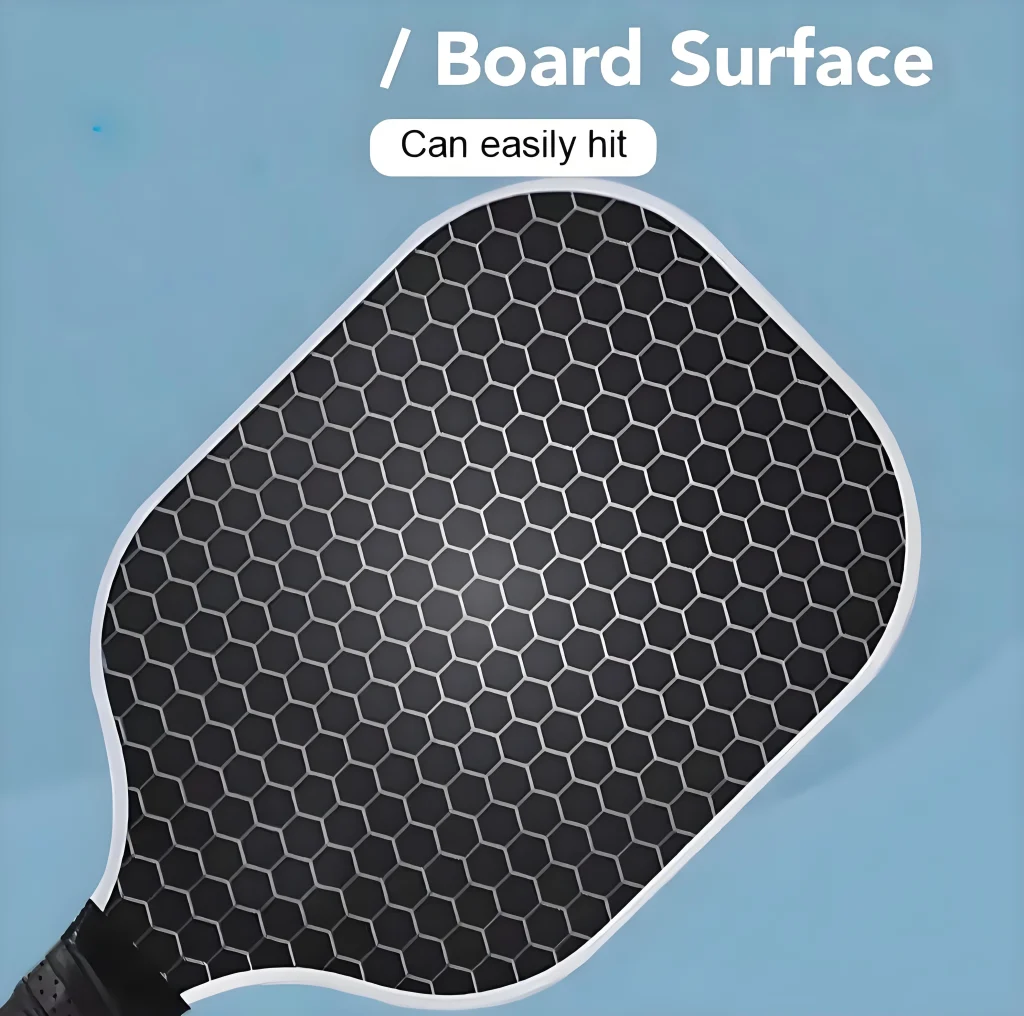
表面の挙動は、パドルのコンプライアンスにおいて最もリスクの高い領域の一つです。なぜなら、気づかずに変更が容易だからです。
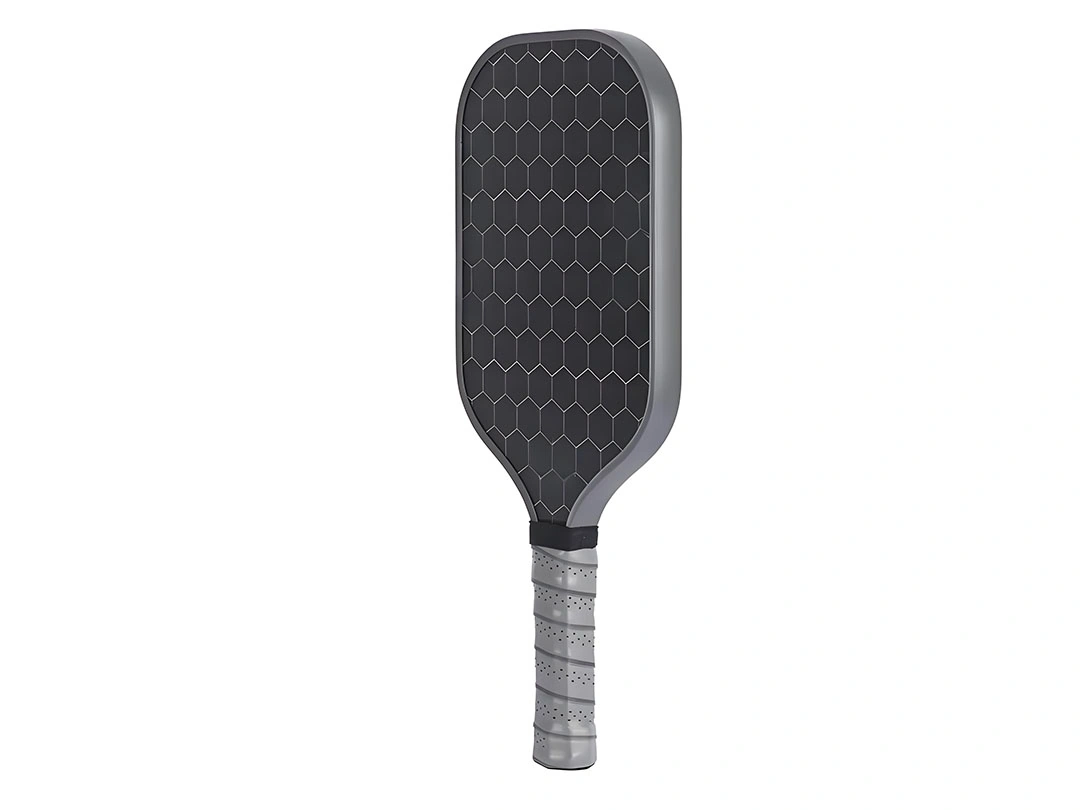
バイヤーにとって、 生のカーボンピクルボールパドル 表面または「テクスチャ仕上げ」は一つの仕様として聞こえます。工場レベルでは、これは繊維の織り方、樹脂の含有量、ピールプライテクスチャ、サンディング、スプレーコーティング、硬化時間、及び最終清掃に関わるかもしれません。各変数は、パドルがボールをどのように掴むか、及びバッチごとに顔面の動作がどれだけ一貫しているかに影響を与えることがあります。
生産前に文書化すること:
- 面材と供給者。
- 樹脂または表面処理。
- テクスチャが材料、ピールプライプロセス、スプレーコーティング、またはその他の仕上げから生じるかどうか。
- コーティングが使用される場合のコーティングフォーミュラと適用方法。
- パドルの顔全体の表面検査ポイント。
- 視覚的テクスチャーと測定結果の許容範囲。
ブランドにとって、安全な道は必ずしも最も攻撃的な表面ではありません。それは、工場がクリーンに再現できる表面です。
もしモデルがUPA-Aまたは他のプロイベントのレビューを対象とする場合、表面戦略がスピン測定にどのように影響するかも尋ねてください。一部のUPA-A向けの議論ではRPMスタイルのスピン制限に言及される一方で、USAピクルボールの公的な機器資料は摩擦、粗さ、およびPBCoR関連のコンプライアンスを強調しています。バイヤーへの教訓は同じです:販売デモでうまく機能するからといって、高グリットの面を承認しないでください。工場に現在のイベント基準が測定するもの、それに適用される器具または検査方法、及び生産表面がバッチ全体でそのルールウィンドウ内にどのように留まるかを尋ねてください。
チェックリスト4:パワー、たわみ、及びコアの挙動を早期に確認する
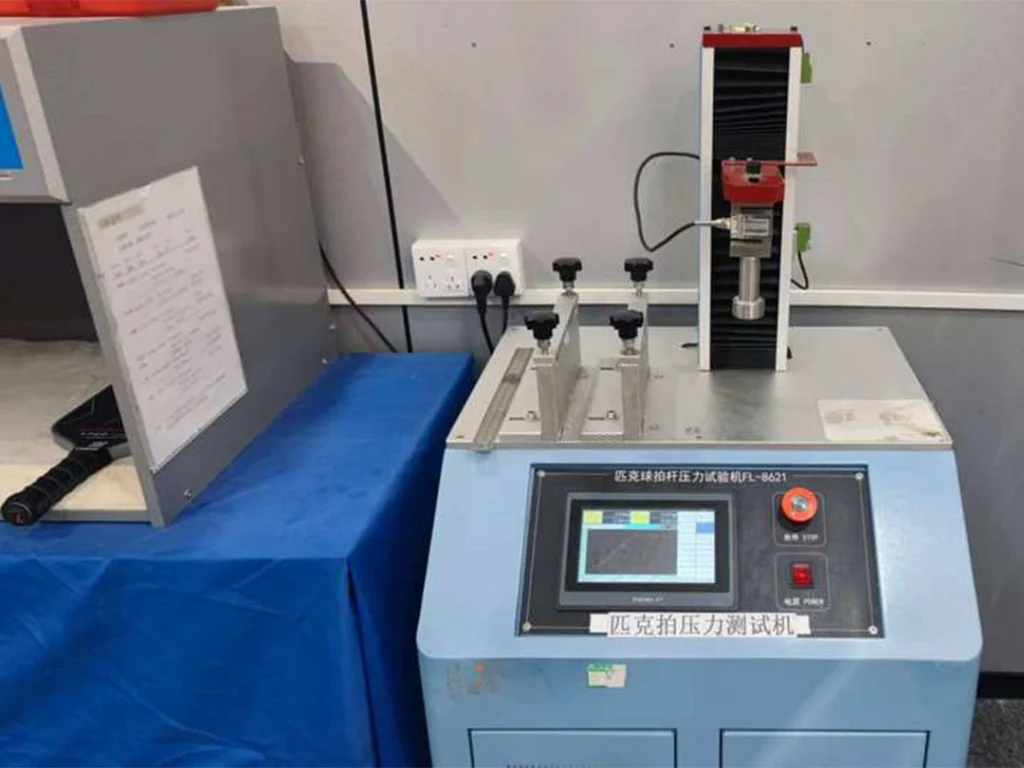
現代のパドルはしばしばより多くのパワー、より多くのスピン、及びより大きなスイートスポットのために設計されています。それは商業的に魅力的ですが、同時に構造がルールに敏感な領域に近づくことも意味します。
USAピクルボールの機器FAQは、トランポリン効果の懸念及び認証取り消しに関してPBCoRについて述べています。また、認証された製品は、元の提出の瞬間だけでなく、時間と共に認証条件を満たし続けなければならないことを指摘しています。
UPA-A向けのプロジェクトについては、第二の技術的語彙層を追加します:平均たわみ力(ADF)、スピン / RPMレビュー、及び他の現在のプロイベント性能のゲートについて尋ねてください。これらの用語をマーケティングの装飾として使用しないでください。型、コア、面、及びプロセスが固定される前のエンジニアリングの質問として使用してください。
OEMバイヤーにとって、これは初日で新しいサンプルがどのようにプレイされるかだけを評価すべきではないことを意味します。
工場に尋ねてください:
- この構造は、繰り返し衝撃の後にどうなるか?
- パドルはコールドプレス、 サーモフォームピクルボールパドルフォーム注入、エッジレス、またはハイブリッド構造ですか?
- リバウンドやフレックスに最も影響を与えるプロセス変数はどれですか?
- UPA-Aがローンチ計画の一部である場合、どのADF、スピン / RPM、及びパワー応答チェックを生産前に確認すべきか?
- 工場は提出前にどのような内部テストを行いますか?
- 工場は後の生産バッチが提出されたサンプルよりも強力に感じるのをどうやって防ぎますか?
これは単なるエンジニアリングの詳細ではありません。量産のパドルが認証されたバージョンから離れていくと、ブランドはリスクを負います。
チェックリスト 5: 組み立て後の寸法と公差をロックする
寸法はベアコアまたは金型段階でだけ確認してはいけません。エッジガード、表面仕上げ、グリップ、印刷、最終組み立て後の仕上がったパドルを測定してください。
各モデルについて記録してください:
- 全体の長さ。
- 全体の幅。
- 現在のルールブックと機器マニュアルに対する組み合わせのサイズ要件。
- ハンドルの長さ。
- グリップの周囲。
- エッジガードの厚さと最終幅の影響。
- 完成した重量範囲。
- ブランドが製品ポジショニングのために使用する場合、バランスポイントまたはスイングウェイトのガイダンス。
一般的なOEMの問題はトレランスの積み重ねです。各部品はそれ自体で「おおよそ合っている」場合がありますが、エッジガード、接着剤、グリップ、および仕上げが追加されると、完成したパドルがズレる可能性があります。
生産管理は完成ユニットレベルで発生する必要があります。
チェックリスト 6: 材料と構造の証明書を準備する
USA Pickleballの機器FAQでは、製造業者は試験による認証に加えて、材料と構造に関する証明書を提供しなければならないと述べています。これはOEMバイヤーにとって重要です。なぜなら、工場は提出を物理サンプルの出荷のみに扱うことができないからです。
生産前に、次を含む文書ファイルを準備します:
- 顔、コア、エッジ、ハンドル、グリップ、接着剤、コーティング、パッケージの材料の明細書。
- 構造プロセスの説明。
- 制御材料のサプライヤー参照。
- モデル名とバージョン。
- 生産図面または仕様シート。
- サンプル写真。
- バッチコーディング方法。
- 変更管理ルール。
ブランドがリストを保有またはモデル名を管理している場合は、文書のコピーを保持してください。工場の販売チャット内にすべての記録を残さないでください。
チェックリスト 7: バッチの一貫性ロックを設定する
承認リスクはモデルがリストされてからも続きます。USA PickleballのFAQでは、製造業者が製造ユニットが認証されたサンプルと一致し続けることを確認する責任があると述べています。市場サンプルはコンプライアンスのために検査される場合があります。
これはOEMバイヤーが印刷して購入注文の横に保管するべき文です。
大量生産前に、6つのバッチコントロールをロックしてください:
- バージョンロック: 承認されたモデル1つは1つの制御された仕様バージョンに等しい。
- 顔ロック: サプライヤー、テクスチャー、コーティング、サンディング、または仕上げ変更なしにレビューなしで変更は不可。
- コアロック: コア材料、密度、厚さ、または構造の変更なしにレビューなしで変更は不可。
- プロセスロック: プレス時間、温度、圧力、硬化、および組み立て方法は文書化されたままでなければならない。
- 重量ロック: 完成ユニットは合意された生産範囲内に留まる。
- トレーサビリティロック: 各バッチ、カートン、保管サンプルは生産記録に結びつけることができる。
- サンプリングロック: パッキング前に各バッチからランダムなユニットを引き出して測定する。
高級なプロ向けのパドルについては、トレーサビリティは製品段階で設計されるべきであり、金型が完成した後に追加されるべきではありません。シリアル番号のための保留されたレーザーエングレービングエリア、グリップまたはスロートエリアの下にバッチコード位置、またはブランドが偽造リスク、スポンサー付きプレーヤーのシード、またはイベントサイドの機器検査を予期している場合のNFC/認証プランを検討してください。目的は、技術を追い求めることではなく、どの物理的なパドルがどの承認またはテストされたバージョンに対応しているかを証明することです。
これにより両側が保護されます。ブランドは再現性を得ます。工場は紛争を減らします。顧客は製品ページで説明されているのと同じパドルを受け取ります。
チェックリスト 8: パッケージと製品ページの主張を監査する
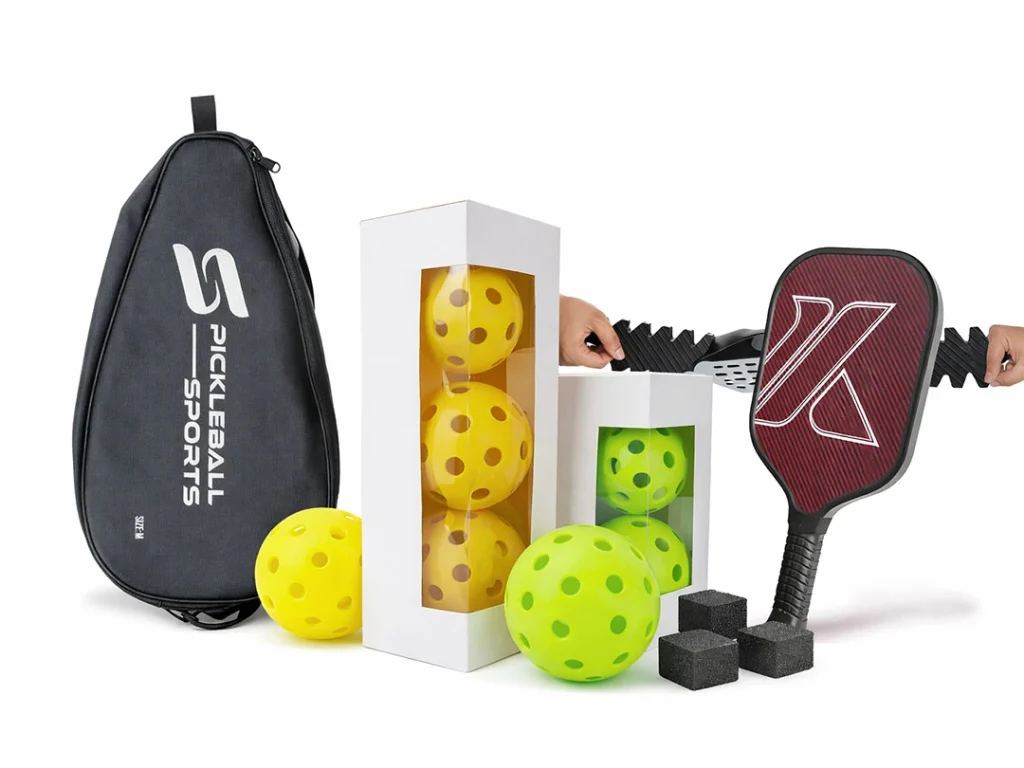
パッケージングは、パドル自体が適切に管理されている場合でもコンプライアンスリスクを生じさせる可能性があります。
段ボール、スリーブ、挿入、ハングタグ、またはAmazon画像を印刷する前に、すべての主張を確認してください:
- 正確なモデルがリストされる前に「USAPA承認」と言っていますか?
- USA Pickleballによる公式の承認を暗示していますか?
- 「どこでもトーナメント合法」と言っていますか?
- 最終製品仕様で使用されていない技術または材料に言及していますか?
- 現在のリスト確認の代わりに古い承認のスクリーンショットを使用していますか?
- 正しいモデル名とバージョンが含まれていますか?
- その主張はターゲット市場に一致していますか?
開発中のモデルについては控えめな言葉を使用してください。すでにリストされたモデルについては、公式リストと正確なモデルを参照してください。モデルがレビュー中、調査中、リストから削除中、または変更中の場合は、製品ページを迅速に更新してください。
チェックリスト 9: 発売前に公式リストを確認する
The final pre-launch step is not a factory promise. It is a live check.
Go to the USA Pickleball Approved Paddle List and search by brand and model. Confirm that the exact model appears and that the information matches your production version.
記録:
- Date of verification.
- Brand name as listed.
- Model name as listed.
- Product images if available.
- Listing URL or screenshot for internal records.
- Which production batch uses that approved version.
This should be done before product-page publication, retailer handoff, paid ads, influencer seeding, and bulk shipment.
Checklist 10: Monitor Compliance After Shipment
Post-launch monitoring is now part of responsible paddle manufacturing.
USA Pickleball maintains a Paddle Compliance Report showing current compliance issues or statuses for certain models. Its equipment FAQ also explains why products can be decertified, including failure to meet certification conditions, inaccurate initial disclosures, or production standards that are not maintained.
For a brand, that means approval is not a permanent marketing asset you can ignore.
Create a simple monthly routine:
- Recheck the approved list for your model.
- Check the compliance report for status changes.
- Review customer complaints about unusual power, surface wear, delamination, or inconsistent feel.
- Pull retained samples from production batches if complaints appear.
- Compare new production lots against the original approved version.
- Stop claim-heavy ads if status becomes uncertain.
This is not paranoia. It is brand insurance.
What to Ask Your OEM Factory Before Production
Use this question set before paying for tooling, samples, or bulk production:
- Have you produced paddles that were listed on the USA Pickleball Approved Paddle List?
- Can you support documentation for materials and construction?
- Which exact surface process will be used for my model?
- How do you measure surface consistency before submission?
- How do you test or evaluate rebound, deflection, and long-term play behavior?
- What is the finished-unit dimensional tolerance after edge guard and grip assembly?
- Will the submitted samples be made on the same line and process as mass production?
- How do you lock material suppliers after approval?
- If UPA-A or pro-event use is part of the plan, what ADF, spin/RPM, and power-response checks must be confirmed before final sample approval?
- How do you mark batch numbers, serial numbers, or NFC/authentication records for traceability?
- What happens if I change graphics, coating, core, handle, or weight after listing?
If the answer is vague, slow down. A good OEM partner should be comfortable discussing version control, sampling, documentation, and batch consistency.
How Nexapaddle Supports Approval-Ready OEM Projects
Nexapaddle’s role is not to promise that every custom paddle is automatically approved. That would be the wrong claim.
The stronger promise is more practical: help brands develop paddles around current equipment requirements, prepare production-representative samples, document the specification, and control batch consistency after the model is finalized.
For OEM, ODM, and private-label buyers, Nexapaddle can support:
- Paddle structure selection before sampling.
- Face material and surface-process planning.
- Cold press, thermoformed, and specialty-core product development.
- Spec sheet and version-control setup.
- Sample review before production.
- QC and testing checkpoints.
- Packaging and claim-language review.
- Production consistency planning for repeat orders.
This is the difference between buying a paddle and building a controlled product line.
最終的な収穫
USAPA approved pickleball paddles are not created at the last step of production. They are planned before production starts.
ブランドオーナーにとって、基本的なチェックリストはシンプルです:
- 正確な要件を確認してください。
- モデルを凍結してください。
- 生産代表サンプルを構築してください。
- 材料と構造を文書化してください。
- 表面、コア、寸法、プロセスを制御してください。
- 安全なマーケティング用語を使用してください。
- 開始前に公式リストをチェックしてください。
- 出荷後も監視を続けてください。
工場がこれらの管理を説明できない場合、リスクは単に申請が失敗することだけではありません。リスクは、あなたのブランドが後に弁護できないパドルを発売することです。