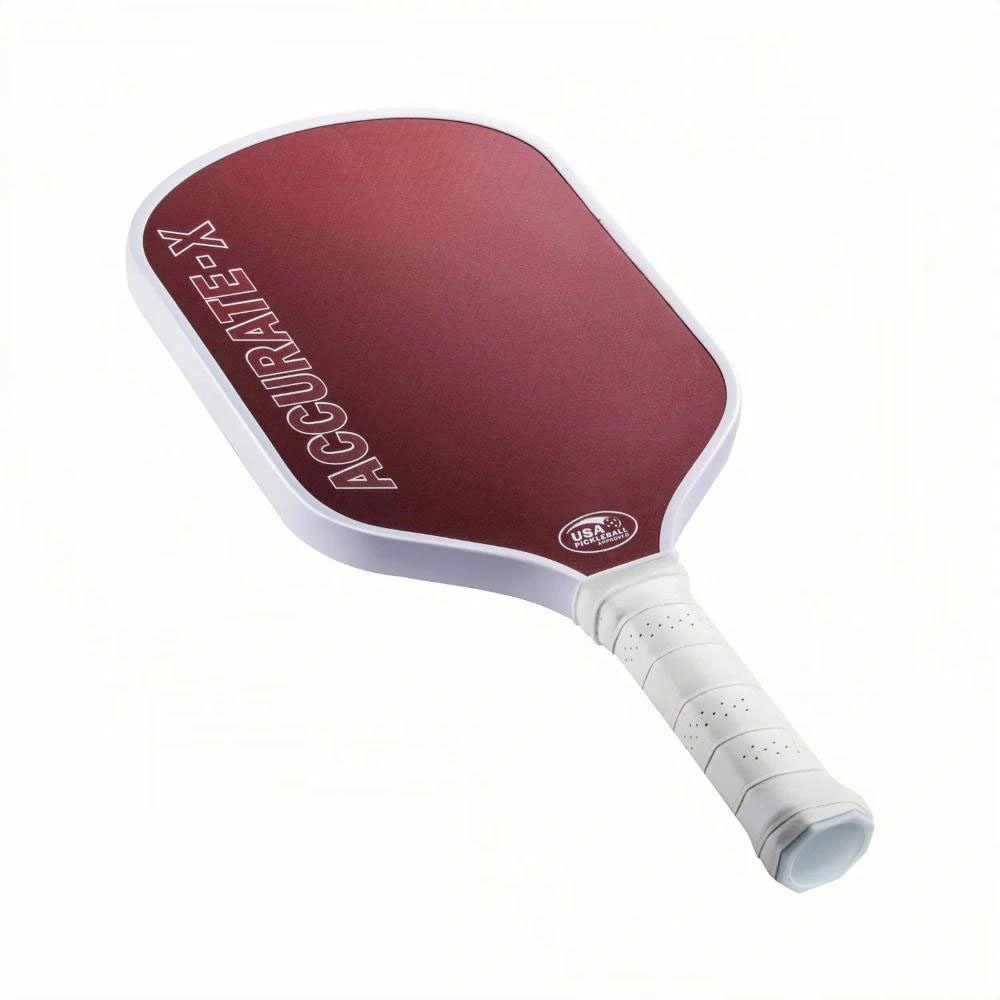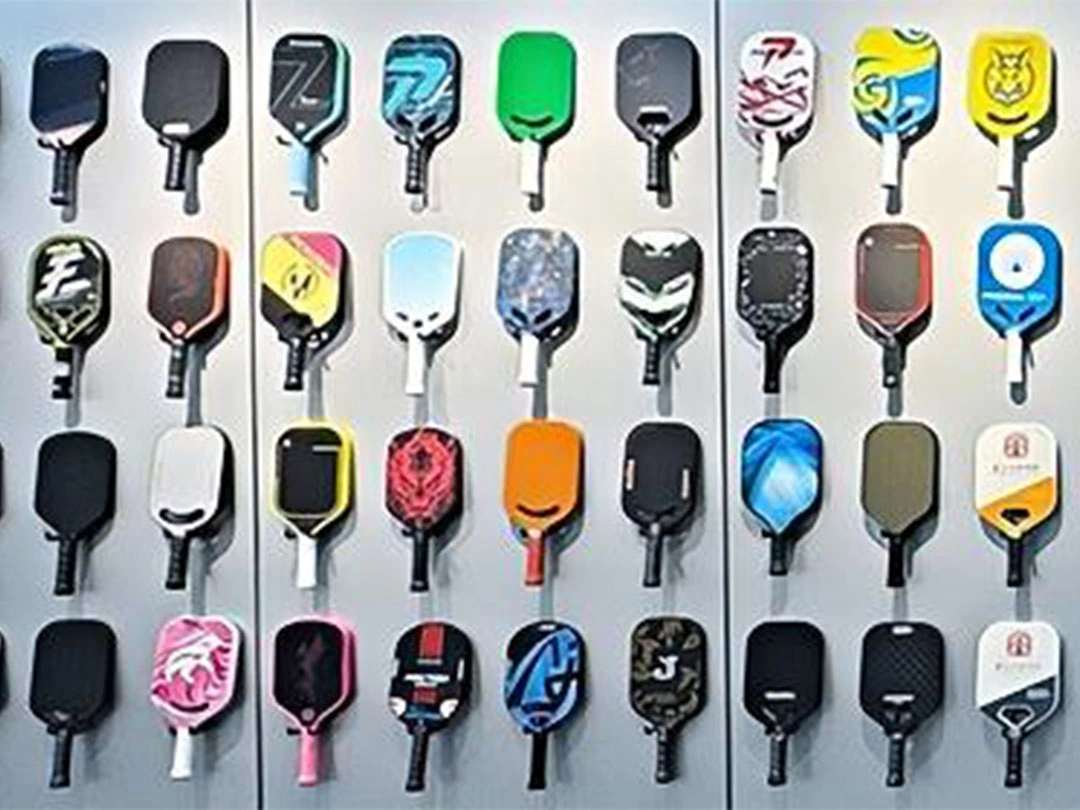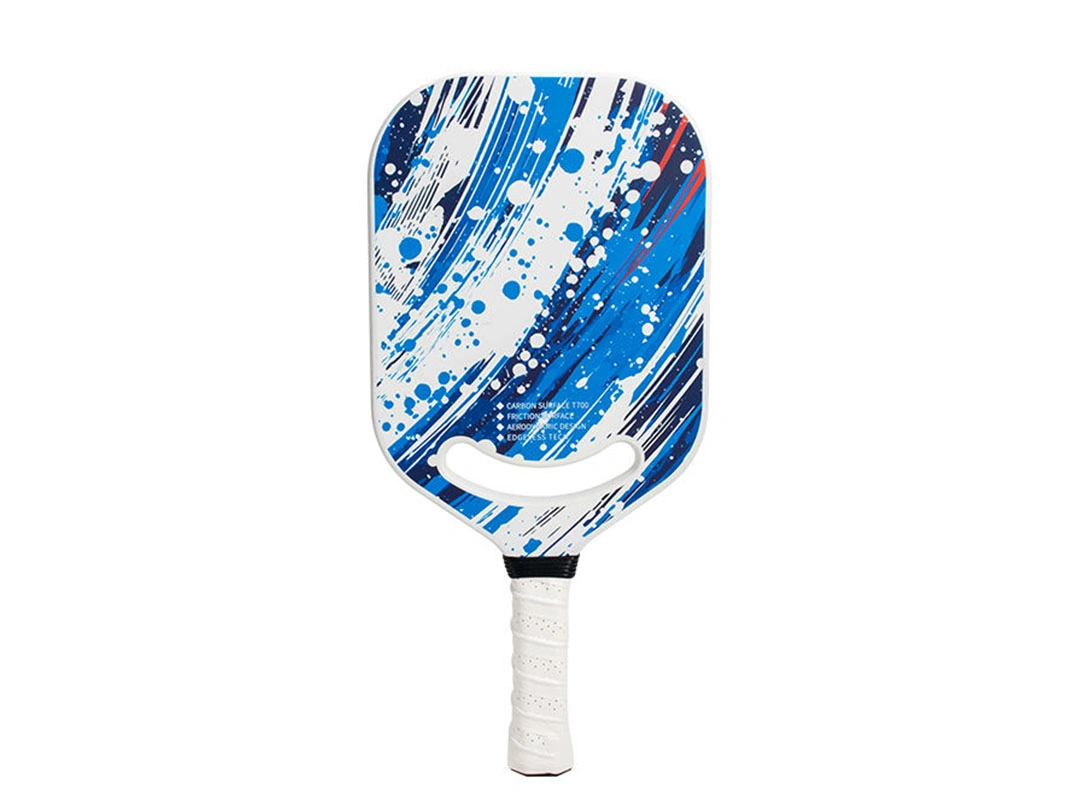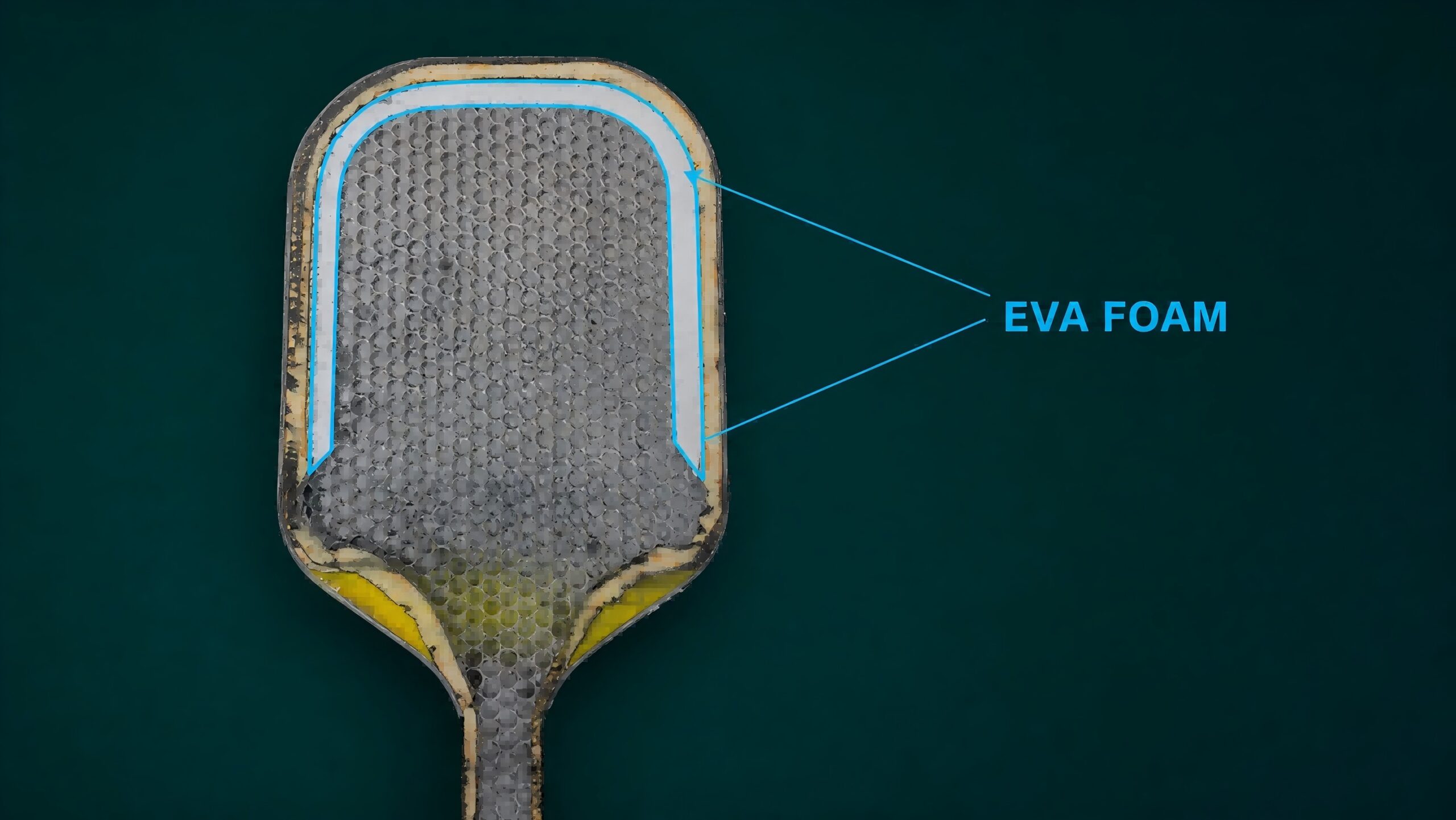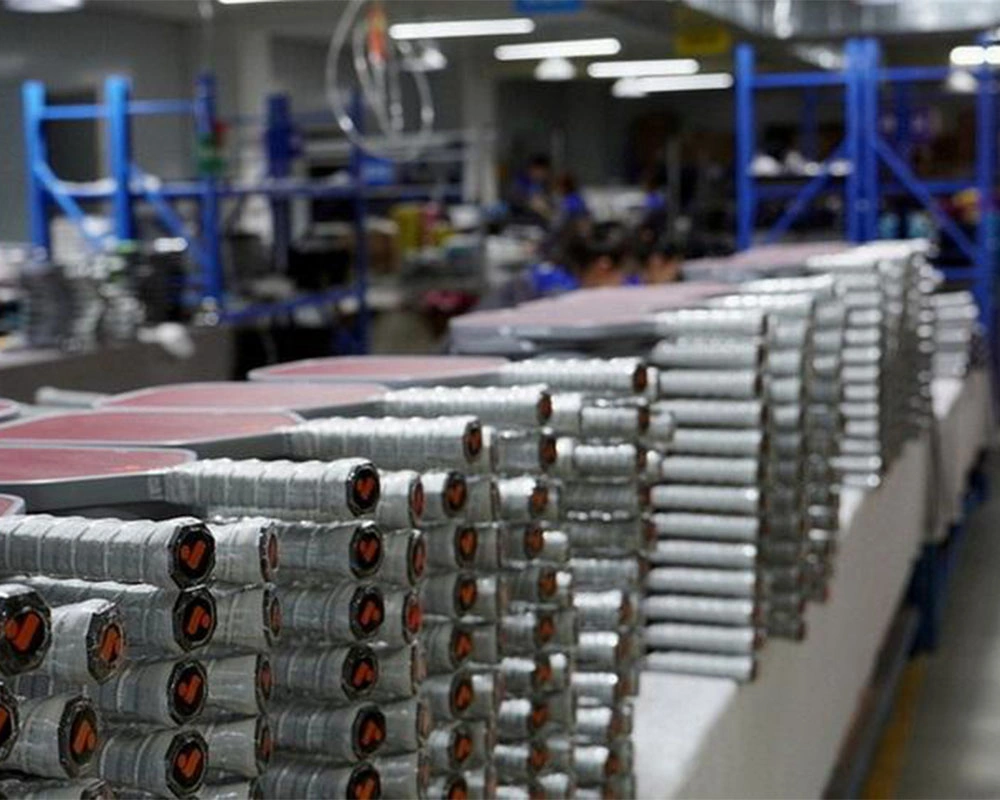
Every performance claim on the pickleball paddle market ultimately traces back to one interface: the six-to-eight square inches of paddle face that contact a polymer ball for three to five milliseconds per stroke.
That interface — its material structure, its surface geometry, its friction coefficient, and its durability under thousands of repeated impacts — determines spin generation, power transfer, control feel, and the competitive shelf-life of a paddle. It also determines whether a brand owner receives five-star reviews at month six or a wave of warranty claims after the first tournament season.
For brand owners, wholesalers, Amazon FBA sellers, and retailers building or sourcing pickleball paddle product lines, the surface technology decision is not secondary to core selection or weight class. It is foundational. The face material sets the performance ceiling of every paddle in your catalog — and the wrong surface choice creates either a compliance problem with USA Pickleball or a customer experience problem at the six-month mark.
This guide breaks down every major paddle face technology currently in production: how each one works at the material level, what spin performance it delivers (with measured RPM data where available), how it performs under USAPA surface roughness regulations, how long it lasts, and which price tier it belongs to in a B2B sourcing strategy. By the end, you will have a complete framework for specifying the right surface technology for every SKU in your lineup.
Section 1: Understanding the Surface-Spin Relationship
Before comparing specific materials, the underlying physics needs to be clear — because every sourcing decision in this guide flows from these mechanics.
What Actually Generates Spin
Spin is imparted to a pickleball at the paddle face through one mechanism: tangential friction during dwell time.
When the paddle face makes contact with the ball, two forces act simultaneously. The normal force drives the ball away from the face (generating power). The tangential friction force acts parallel to the face surface, acting on the ball’s polymer skin and imparting rotational angular velocity. The magnitude of that angular velocity — measured in RPM — is a direct function of two variables:
Coefficient of Friction (COF) × Dwell Time = Spin Output
The coefficient of friction is determined by surface roughness and texture geometry. A rougher, more complex surface creates more physical engagement with the ball during contact, producing higher friction forces. Dwell time is governed primarily by core architecture — thicker cores with slight compliance extend contact duration. These two variables are independent at the design level but interdependent in their effect on the final spin number.
The practical engineering directive for maximum spin performance: maximize surface COF within regulatory limits, and pair it with adequate dwell time through core design.
Surface Roughness: The Measurable Variable
USA Pickleball’s current Equipment Standards Manual specifies a Starrett SR160 or SR300 surface roughness tester, or equivalent, for official surface-roughness measurement.
The relevant surface roughness parameters under USAPA Equipment Standards are:
- Rt (total roughness profile height): Maximum allowable ≤ 40 µm
- Rz (mean roughness depth): Maximum allowable ≤ 30 µm
- Measurement protocol: the current USA Pickleball manual requires readings in six different directions on each paddle face; buyers should use the current manual rather than a factory-created shortcut.
These limits exist specifically because aggressive surface treatments were creating spin advantages that USA Pickleball judged to be game-distorting. The 2022 ban on CRBN paddles — which had been manufactured with surface roughness values exceeding these limits — is the clearest cautionary tale in recent paddle history. A major brand built significant market share on spin performance, then lost its entire USAPA-approved product line overnight when a single surface measurement compliance check failed.
For any brand building paddles for sanctioned tournament play or positioning products as “USAPA approved,” surface roughness compliance is not optional and is not a back-of-package fine print item. It is the engineering constraint that defines the entire surface specification.
NexaPaddle’s public evidence supports a factory QA workflow and first-party inspection imagery, but it does not currently verify a fixed company-wide Rt/Rz target, a specific calibrated profilometer, a five-point-per-lot protocol, or standard compliance certificates for every shipment. For tournament-oriented projects, put the measurement method, sampling plan and acceptance limits into the approved production specification and verify official certification separately.
Section 2: The Surface Technology Taxonomy
There are four fundamentally different approaches to creating a spin-capable paddle surface. Understanding the difference between these approaches — not just the performance output, but the underlying mechanism — is what separates an informed sourcing decision from a spec-sheet comparison.
Category 1: Intrinsic Texture — Raw Carbon Fiber
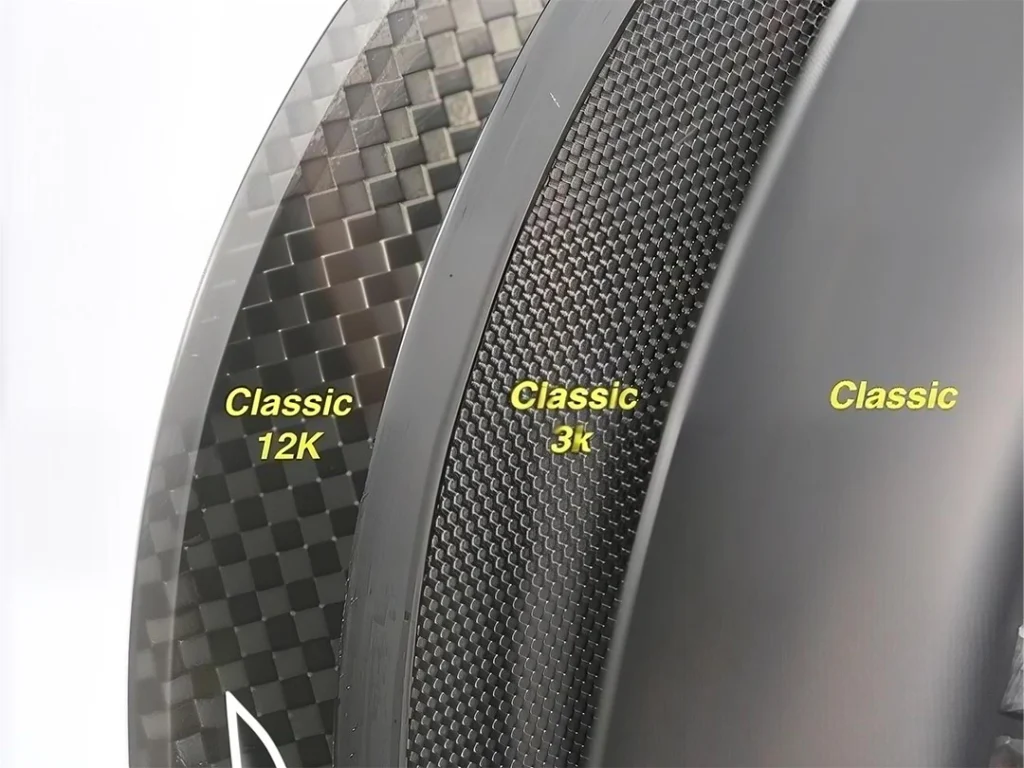
Raw carbon fiber surfaces are the most important category to understand correctly, because they are consistently misunderstood in product marketing.
The texture IS the fiber. When a raw carbon fiber paddle face is manufactured without a protective resin topcoat or paint layer, the mechanical structure of the carbon fiber weave itself is exposed at the surface. The individual carbon fiber tows, their inter-tow channels, and the micro-scale surface irregularities of the fiber bundles create a complex three-dimensional texture that contacts the ball at impact.
This is intrinsic texture — it is not applied to the material, it is the material. There is no adhesive bond to degrade. There is no coating layer to wear through. The surface roughness is a structural property of the face composite, not an additive treatment.
For brand owners evaluating raw carbon pickleball paddles in their lineup, this distinction has a direct commercial implication: raw carbon surfaces are permanent performance surfaces. A player using a raw T700 carbon paddle at month 12 is generating the same surface-driven spin as they were at week one, assuming normal use and no face damage.
T700 3K woven carbon — the most common raw carbon face construction — achieves its spin performance through the crosshatch geometry of the 3K weave (three-strand bundles interlaced at 0°/90° or ±45°). The weave pattern creates an omnidirectional texture that engages the ball regardless of stroke direction. Measured performance: 2,300+ RPM in real-play conditions.
T700 UD (unidirectional) uses parallel fiber orientation rather than weave, producing directional texture. Spin performance is directional and lower than 3K, but the surface delivers predictable response and is often used in combination with other face materials.
Category 2: Applied Coherent Polymer Coating — Teflon
Teflon coating is not a spray-on grit treatment. This is the most important distinction in the surface technology conversation, and conflating the two is a sourcing error with real consequences.
A Teflon coating (polytetrafluoroethylene, PTFE) applied to a carbon fiber or composite face forms a coherent polymer layer — a continuous molecular film that bonds uniformly to the substrate surface. It is not particles held by adhesive. It does not contain abrasive grit. Its texture profile comes from controlled surface chemistry and the underlying substrate geometry, not from mechanical abrasion particles.
The performance characteristics of Teflon-coated paddle faces:
- Enhanced COF: PTFE chemistry increases friction against the ball’s polymer skin despite its reputation as a “non-stick” material in other applications — in the paddle-ball context, the surface geometry creates ball engagement that exceeds bare resin topcoat performance
- Durability: As a coherent polymer film, Teflon coating does not degrade through the particle-loss mechanism that kills grit sprays. Performance remains stable over the paddle’s lifespan
- USAPA compliance: Teflon-coated surfaces are measured as a continuous surface, and Ra values remain within the ≤ 40 µm regulatory limit when properly applied
- Laser engraving compatibility: Teflon-coated faces accept laser etching for graphics and branding without compromising surface compliance — a significant manufacturing advantage for brands that want custom face graphics on premium spin paddles
NexaPaddle’s GEN5 Gatling series uses a T800+Teflon-weave face construction that combines the stiffness modulus advantages of T800 carbon with the coherent polymer surface of Teflon treatment, producing what we call a “luxury spin” tier product. This configuration is detailed in our Advanced Tech Thermoformed Paddles lineup.
Category 3: Applied Particulate Coating — Spray-On Grit
Spray-on grit is the surface technology that generates the most initial excitement in paddle marketing and the most long-term customer satisfaction problems.
The mechanism: abrasive particles (typically aluminum oxide or silica-based grit materials) are suspended in an adhesive carrier and sprayed or applied to the paddle face. Fresh grit surfaces create extremely high surface roughness — sometimes the highest measured Ra values of any surface treatment — and deliver corresponding spin performance out of the box.
The problem is structural. Adhesive-bonded particles are not integrated into the face material. They are mechanically attached to it. The bond between grit particles and the adhesive layer, and between the adhesive layer and the substrate, is subjected to hundreds or thousands of ball impacts per session. Adhesive creep, micro-fracture of the bond interface, and direct mechanical abrasion progressively detach grit particles from the surface.
The industry-consistent performance degradation window for spray-on grit surfaces: 60 to 90 days of regular play. After that window, measured Ra values have typically dropped below the initial specification, and spin performance is correspondingly reduced.
For brands pricing paddles at $100+ retail, this creates a specific risk profile: a customer who buys a paddle for its spin performance, experiences peak performance for two or three months, and then experiences a noticeable degradation curve while still within what they consider the “life” of a premium paddle. The result is reviews that characterize the paddle as having “died” — with corresponding impact on repeat purchase rates and Amazon listing health.
The commercial conclusion: spray-on grit surfaces are appropriate only for entry-level price points where customers are already expecting limited longevity, or for controlled use cases (recreational players with low session frequency). For any paddle positioned at mid-range or premium retail pricing, spray-on grit creates a warranty and reputation liability. NexaPaddle explicitly advises against grit spray specifications for brands building long-term customer relationships.
Category 4: Hybrid Woven Composites — T800+Titanium Thread and Kevlar Weave
The most advanced surface technology tier combines multiple fiber types in a single woven face construction, where the surface texture is created by the geometry and material interactions of two or more distinct fiber materials.
T800 + Titanium Thread: NexaPaddle’s Product C2 flagship face construction interlaces metallic titanium threads directly into the T800 carbon fiber weave during the facing stage. The titanium filaments — with a distinct surface hardness and coefficient of friction compared to carbon — create metallic contact points distributed across the face surface that remain permanently proud of the carbon substrate. This produces a hybrid texture profile with two different friction mechanisms acting simultaneously at ball contact. Because titanium threads are a structural element of the face composite (not a coating), this texture profile is truly permanent.
Kevlar/Aramid weave at 45°: Kevlar fiber laid at 45° to the paddle face creates a distinctive diagonal surface texture that produces omnidirectional engagement with strong spin generation. The softer, more compliant nature of aramid fiber relative to carbon also creates a characteristic “plush” feel at ball contact that players describe as exceptional bite. Measured performance reference: the Six Zero Ruby Pro (Kevlar-face construction) achieved 2,309 RPM in independent testing — the highest measured figure in the current competitive market. NexaPaddle’s Mold #4 uses a Kevlar/Aramid hybrid face construction that targets this performance tier through our Custom Kevlar Carbon Pickleball Paddle OEM program.
Section 3: Face Material Comparison — Full Spin Performance Matrix
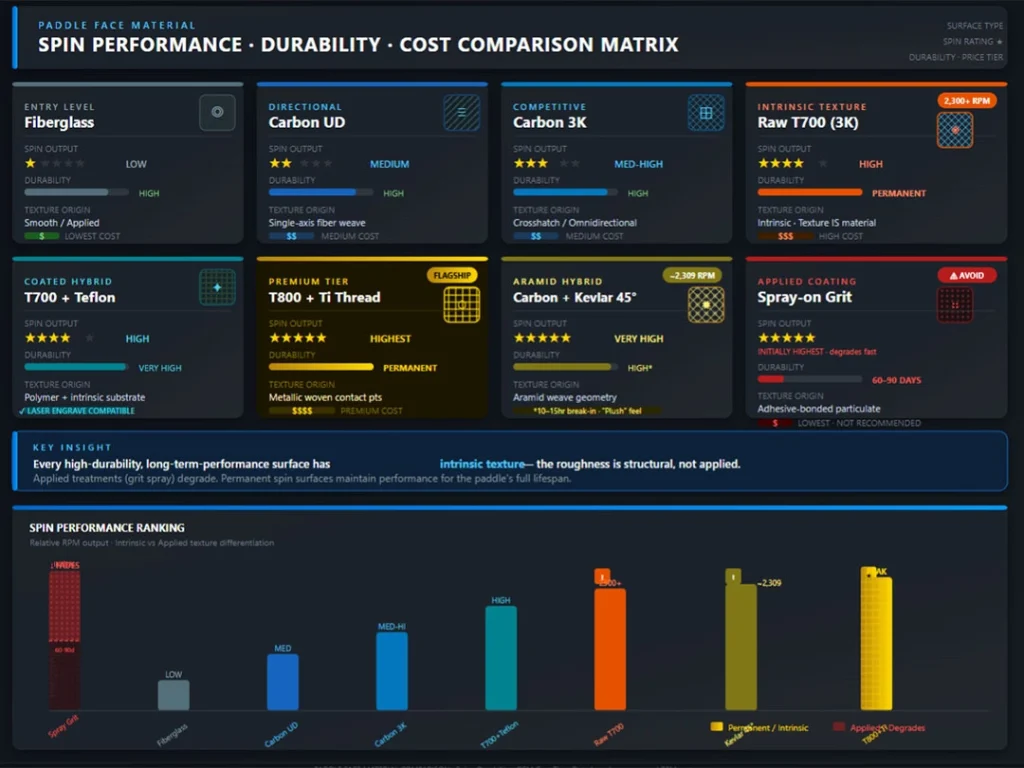
The following matrix covers every production face material in commercial use, with spin performance context, durability assessment, and OEM cost tier:
| Face Material | Spin Output | Texture Origin | Durability | OEM Cost Tier | Key Notes |
|---|---|---|---|---|---|
| Fiberglass | Low | Smooth surface, trampoline effect | High | Lowest ($) | Poor spin; mass-market/entry level |
| Carbon UD | Medium | Directional fiber texture | High | Medium ($$) | Single-axis texture; control-oriented |
| Carbon 3K | Medium-High | Crosshatch weave, omnidirectional | High | Medium ($$) | Most common competitive face |
| Raw T700 (3K) | High — 2,300+ RPM | Intrinsic fiber weave, permanent | Permanent | High ($$$) | Texture IS the material |
| T700 + Teflon | High | Coherent polymer + intrinsic substrate | Very durable | High ($$$) | Laser engraving compatible |
| T800 + Ti Thread | Highest | Metallic woven contact points, permanent | Permanent | Premium ($$$$) | Flagship tier only |
| Carbon + Kevlar (45°) | Very High — ~2,309 RPM | Aramid weave geometry | High (after 10-15hr break-in) | High ($$$) | “Plush” feel; vibration absorption |
| Spray-on grit | Initially highest | Applied particulate (adhesive-bonded) | 60-90 days | Lowest ($) | Avoid for premium builds |
Reading this table for sourcing decisions: the “Texture Origin” column is the critical differentiator. Every high-durability, long-term-performance surface has intrinsic texture — the roughness is structural, not applied. Every applied treatment (grit spray) degrades. The performance ceiling for permanent spin surfaces is now firmly established by measured data: Kevlar hybrid and T800+Ti Thread constructions generate the highest RPM figures; raw T700 follows closely; Teflon-coated surfaces deliver durable high spin with the added benefit of laser engraving compatibility.
Section 4: USAPA Surface Compliance — What B2B Buyers Must Know
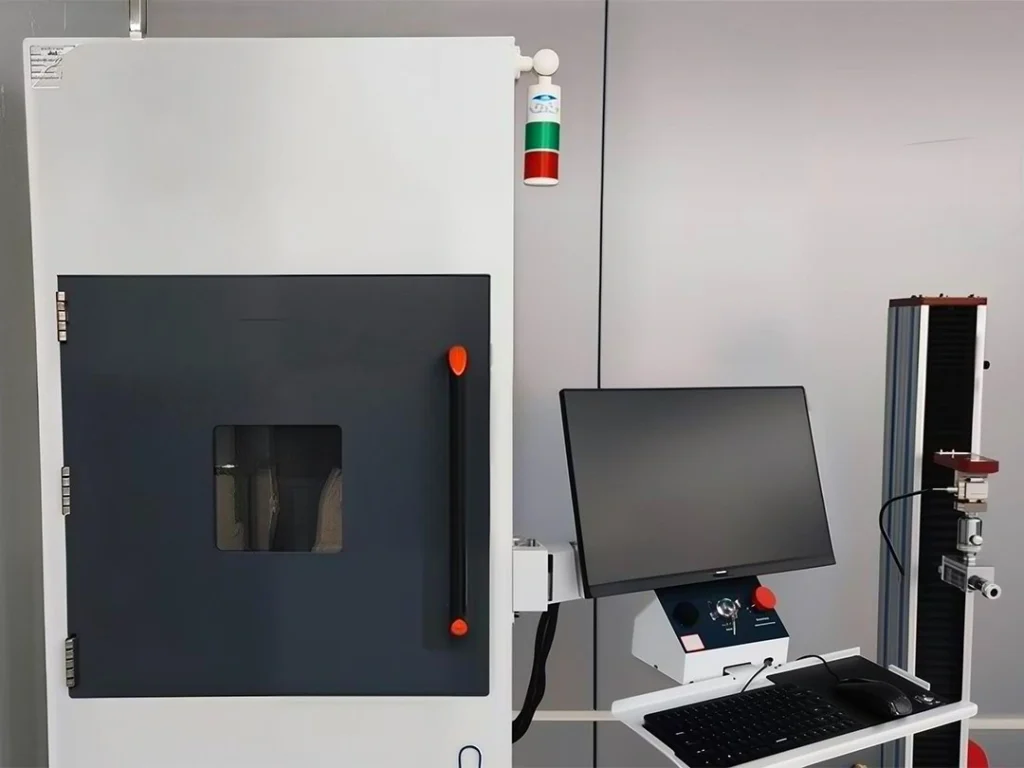
The USAPA surface compliance framework is not complicated, but it has sharp edges that have damaged real brands. Understanding it correctly is table stakes for any B2B buyer operating in the tournament-legal segment.
The Regulatory Framework
USA Pickleball’s current Equipment Standards Manual limits paddle-face roughness to an average of no greater than 40 µm Rt and 30 µm Rz. The manual specifies a Starrett SR160 or SR300, or equivalent, and requires readings in six different directions on each paddle face. Buyers should verify the current manual for the complete test procedure rather than rely on a simplified factory checklist.
These standards apply to paddles submitted for USA Pickleball’s approved paddle list. Brands selling paddles with USAPA approval claims must have current approved status — an approval is not permanent and can be revoked if the production paddle specification diverges from the submitted sample.
The 2022 CRBN Cautionary Tale
In 2022, CRBN Pickleball faced a compliance removal action when surface roughness measurements on production paddles exceeded the USAPA limits. The brand had built significant competitive presence and market share on the back of its carbon surface’s spin characteristics — and then lost USA Pickleball approved status when testing revealed that production surfaces exceeded regulatory maximums.
The lessons for B2B buyers:
- Batch variation is real. Surface roughness can vary between production lots even when the nominal specification is compliant. Manufacturing processes that produce surfaces close to the regulatory ceiling create compliance risk.
- Approval is ongoing, not one-time. Production paddles must match the approved specification. Manufacturing process changes — different resin batches, different weave layup pressures, different curing parameters — can shift surface roughness outside approval bounds.
- Project-specific guard bands can reduce production risk. If a buyer wants an internal margin below the governing-body limit, define the actual value, measurement method and sampling plan in the approved specification rather than assuming a generic factory threshold.
NexaPaddle publishes a factory QA workflow and first-party inspection imagery, but the public evidence does not establish a universal five-point sampling protocol, a compliance certificate for every lot, or a guarantee that a paddle will remain compliant throughout its product lifecycle. For a specific OEM project, agree the sampling plan, records and release criteria before production.
Section 5: B2B Spin Positioning Strategy — Price Tiers and Surface Specifications
The commercial architecture of a spin-positioned product line follows directly from the surface technology taxonomy. Each technology tier maps to a specific OEM price band, a specific performance claim, and a specific durability story for the end consumer.
Entry Spin Tier — Carbon 3K Cold Press
OEM price range: $15–28
Surface: Carbon 3K cold press, thermoformed core, standard compliance
The entry spin tier uses 3K woven carbon fiber in a cold-press construction. Surface roughness from the crosshatch weave pattern delivers meaningful spin improvement over fiberglass at a manufacturing cost that enables $59–89 retail pricing. Cold-press construction limits maximum spin output compared to thermoformed, but the permanent fiber texture eliminates durability concerns.
Appropriate for: Volume retail SKUs, beginner-to-intermediate players entering competitive play, Amazon FBA listings at accessible price points.
Mid Spin Tier — Raw T700 Thermoformed
OEM price range: $32–42
Surface: Raw T700 3K woven carbon, thermoformed construction, 2,300+ RPM
The mid-tier spin paddle is the current market sweet spot. Raw T700 thermoformed construction combines permanent intrinsic surface texture with the performance enhancements of thermoforming (tighter face-to-core bond, higher stiffness at impact) to deliver a genuine 2,300+ RPM spin ceiling. This is the carbon fiber pickleball paddles baseline for any brand targeting competitive recreational and serious club players.
Appropriate for: Core competitive SKUs, $100–150 retail, club players, serious tournament players, ambassador program paddles.
Premium Spin Tier — T700+Teflon or Kevlar Hybrid
OEM price range: $42–60
Surface: T700+Teflon coherent coating or Kevlar 45° weave hybrid
The premium spin tier branches into two distinct product architectures with different performance profiles:
- T700+Teflon: High spin with superior laser-engraving compatibility — ideal for brands whose premium SKUs require custom face graphics. Durable, USAPA-compliant, and positioned as a “refined” spin paddle rather than a “maximum grit” spin paddle.
- Kevlar hybrid: Targets the highest spin output in the premium category (~2,309 RPM reference), with the added positioning story of vibration absorption and the distinctive “plush” feel that Kevlar weave delivers. Our Custom Spin Pickleball Paddles Manufacturer program handles both configurations with full OEM branding.
Appropriate for: $130–180 retail, tournament-serious players, pro-level endorsement paddles, influencer signature series.
Flagship Spin Tier — T800+Titanium Thread
OEM price range: $55–75
Surface: T800+Ti Thread metallic woven composite, highest permanent spin ceiling
The flagship tier is reserved for brands building a legitimate performance leadership story in the market. T800’s +28% modulus advantage over T700 delivers measurably stiffer, faster, more responsive ball contact. The interwoven titanium threads create permanent metallic contact points that define the highest RPM ceiling currently available in a USAPA-compliant production paddle.
NexaPaddle’s GEN3 Core configuration (413×195mm, T800+Ti Thread face, thermoformed construction) represents the product apex of our T800 Carbon Pickleball Paddles Wholesale offering. Minimum order quantities and lead times apply; contact NexaPaddle for current flagship tier availability.
Appropriate for: $179–250 retail, pro ambassador paddles, limited-edition performance drops, flagship SKU in a multi-tier brand lineup.
Section 6: NexaPaddle’s Spin-Capable Production Lineup
NexaPaddle’s production catalog spans every spin performance tier with specific mold and face configurations that can be OEM-branded or customized for your product line.
Entry Thermoformed Spin — Mold #1 (Edgeless Control)
Edgeless construction with thermoformed core and grit spray face option (entry tier only). Appropriate for brands building a value-positioned spin product where the 60-90 day grit performance window matches the target customer’s expected ownership cycle. Not recommended for premium positioning.
Mid Spin — Mold #3 (Edgeless Power, T700 Raw Carbon)
Edgeless construction with raw T700 carbon face. Permanent intrinsic spin texture, thermoformed construction, USAPA-compliant surface profile. This is our highest-volume spin SKU and the recommended configuration for brands entering the competitive mid-market. Available as T700 Carbon Fiber Paddles in our wholesale catalog.
Premium Spin — Mold #4 (Kevlar/Aramid Hybrid)
Kevlar/Aramid hybrid face with 45° weave orientation, targeting ~2,309 RPM-class spin performance. Includes the vibration absorption benefit of aramid fiber, which adds a meaningful player comfort positioning story alongside the spin performance claim. Break-in period of 10–15 hours before full surface engagement. Configurable through our Custom & OEM Pickleball Paddles program with full branding options.
Flagship Spin — GEN3 Core, T800+Titanium Thread
413×195mm format, T800+Ti Thread hybrid face, thermoformed GEN3 core architecture. Maximum spin ceiling in our lineup. Reserved for brands building a legitimate flagship tier SKU with the retail pricing power to support the manufacturing cost.
Luxury Spin — GEN5 Gatling, T800+Teflon-Weave
T800 carbon with Teflon-weave surface treatment. Combines the stiffness advantages of T800 with the coherent polymer surface of Teflon, plus full laser engraving compatibility for custom face graphics. The refined premium position: high spin, beautiful surface presentation, and durable performance.
Entry Laser-Compatible Spin — 1.3 Series (Carbon+Teflon Cold Press)
Cold-press construction with Carbon+Teflon face. USAPA-compliant, laser engraving ready, entry-level spin performance. Appropriate for brands needing a custom-face-graphic spin paddle at accessible OEM pricing.
Section 7: Spec Checklist for B2B Surface Sourcing
When evaluating any paddle manufacturer’s spin surface claims, the following questions cut through the marketing and get to the engineering:
1. What is the surface texture origin — intrinsic or applied?
If intrinsic (raw carbon or hybrid weave), spin performance is permanent. If applied (grit spray), ask for the degradation timeline and factor it into your warranty planning.
2. What are the measured Rt, Rz, and Ra values for production batches?
Any manufacturer making USAPA compliance claims should be able to provide profilometer measurement data from production lots. If they cannot, the compliance claim is unverified.
3. Which profilometer is used for official USA Pickleball roughness measurement?
The current USA Pickleball Equipment Standards Manual specifies Starrett SR160 or SR300, or equivalent. Factory instruments should not be described as official certification equipment unless their use and calibration are actually documented.
4. Should a buyer define factory-side guard bands?
Yes, where appropriate, but the values should be project-specific and documented in the approved specification. NexaPaddle does not publish a verified company-wide Rt/Rz guard-band value for every production model.
5. What is the break-in behavior of the surface?
Kevlar/Aramid surfaces require 10–15 hours of play before full surface texture engagement. This is expected behavior, not a defect — but it needs to be communicated accurately in product descriptions to prevent negative reviews from players expecting immediate peak performance.
6. Is the surface compatible with laser engraving?
Raw carbon faces and Teflon-coated faces both support laser engraving without compliance risk. Grit-sprayed surfaces cannot be laser-engraved after grit application without disrupting the coating. This affects your product design options.
Conclusion: Surface Technology Is Brand Strategy
The paddle face is where physics meets commerce. Every spin claim in your catalog, every performance review from players, every tournament result from an ambassador using your paddle — it all originates at the face surface and its interaction with the ball.
The framework is now clear:
- Permanent performance requires intrinsic texture (raw carbon, hybrid weave composites)
- Applied coatings degrade — Teflon is the exception (coherent polymer), grit spray is not
- USAPA compliance requires margin — engineering at the regulatory ceiling creates compliance risk; engineering below it creates competitive moat
- Price tier determines technology — entry through flagship have distinct face material specifications with corresponding performance and durability profiles
NexaPaddle’s role in this framework is to be the manufacturing partner that understands surface science at the material level and builds that science into every production batch. Not just for the paddle you launch, but for the customer review at month nine and the reorder at month twelve.
If you are ready to specify the right surface technology for your next SKU, or if you want production samples across the spin tiers before making a sourcing decision, contact NexaPaddle for a sampling consultation. Our team can walk you through batch measurement data, surface specifications, and OEM pricing across every tier in this guide.
Frequently Asked Questions
What is the difference between raw carbon fiber spin and grit spray spin?
Raw carbon fiber spin comes from the intrinsic texture of the carbon fiber weave itself — the surface roughness is a structural property of the face material, not an additive treatment. This texture is permanent and does not degrade with use. Grit spray spin comes from abrasive particles adhered to the paddle face with an adhesive carrier. These particles progressively detach under ball impact, with most spray-on grit surfaces showing measurable spin degradation within 60–90 days of regular play. For premium product lines where customers expect sustained performance, raw carbon intrinsic texture is the correct specification. Grit spray is appropriate only for entry-level price points where customer lifetime expectations are calibrated accordingly.
How does USAPA measure paddle surface roughness, and what are the limits?
USA Pickleball specifies the u003cstrongu003eStarrett SR160/SR300 or equivalentu003c/strongu003e as the official measurement instrument. The current USA Pickleball manual requires roughness readings in six different directions on each paddle face. The regulatory limits are: u003cstrongu003eRt ≤ 40 µmu003c/strongu003e (total roughness profile height) and u003cstrongu003eRz ≤ 30 µmu003c/strongu003e (mean roughness depth). For Teflon-coated surfaces, u003cstrongu003eRa ≤ 40 µmu003c/strongu003e applies. Use the current Equipment Standards Manual for the complete acceptance calculation and test procedure. NexaPaddle does not publish a verified company-wide Rt/Rz internal target for every production model.
What spin RPM can brands expect from different face materials?
Based on production data and independent testing: u003cstrongu003eRaw T700 carbonu003c/strongu003e: requires finished-model testing under a defined method; no generic NexaPaddle RPM value is claimed here. u003cstrongu003eKevlar/Aramid 45° weaveu003c/strongu003e: a competitor-specific measurement should not be generalized to another finished paddle. u003cstrongu003eT800+Titanium Threadu003c/strongu003e: requires finished-model measurement; RPM varies with the complete paddle configuration and test method. u003cstrongu003eCarbon 3K (cold press)u003c/strongu003e: lower than thermoformed T700 but still competitive for mid-tier spin positioning. u003cstrongu003eSpray-on gritu003c/strongu003e: can change with wear; durability and spin retention should be validated on the actual finished paddle. For sourcing purposes, do not use a generic material hierarchy as a substitute for model-specific spin and durability testing.
Can Teflon-coated paddles be laser-engraved without affecting USAPA compliance?
Yes. Teflon coating forms a coherent polymer layer over the paddle face, and laser engraving operates by selectively ablating the coating to create graphic patterns. Laser engraving can change a coated face, so the finished engraved paddle should be rechecked against the applicable surface and performance requirements before making a compliance claim. This makes Teflon+Carbon surfaces a strong specification for brands that want custom face graphics on spin-capable paddles. Raw carbon faces also support laser engraving directly. Both configurations are available through NexaPaddle’s OEM program.
What is the minimum order quantity for NexaPaddle’s spin-tier paddles, and how do I get samples?
NexaPaddle’s standard OEM program for spin-tier paddles (Mold #3 raw T700, Mold #4 Kevlar hybrid, T800+Ti Thread flagship) begins at u003cstrongu003e50 unitsu003c/strongu003e for most configurations, with lower MOQ available for the 1.3 series cold-press entry tier. Pre-production sample scope, measurement data and any compliance documentation should be confirmed for the specific project before the full production commitment. Contact NexaPaddle directly via the u003ca href=u0022https://nexapaddle.com/custom-spin-pickleball-paddles-manufacturer/u0022 target=u0022_blanku0022 rel=u0022noreferrer noopeneru0022u003eCustom Spin Pickleball Paddles Manufactureru003c/au003e page to request a sampling consultation and OEM quote for your target price tier and surface specification.
NexaPaddle is a professional OEM pickleball paddle manufacturer specializing in spin-optimized surface technologies, USAPA-compliant production, and custom branded paddle lines for brands, retailers, and Amazon FBA sellers worldwide.