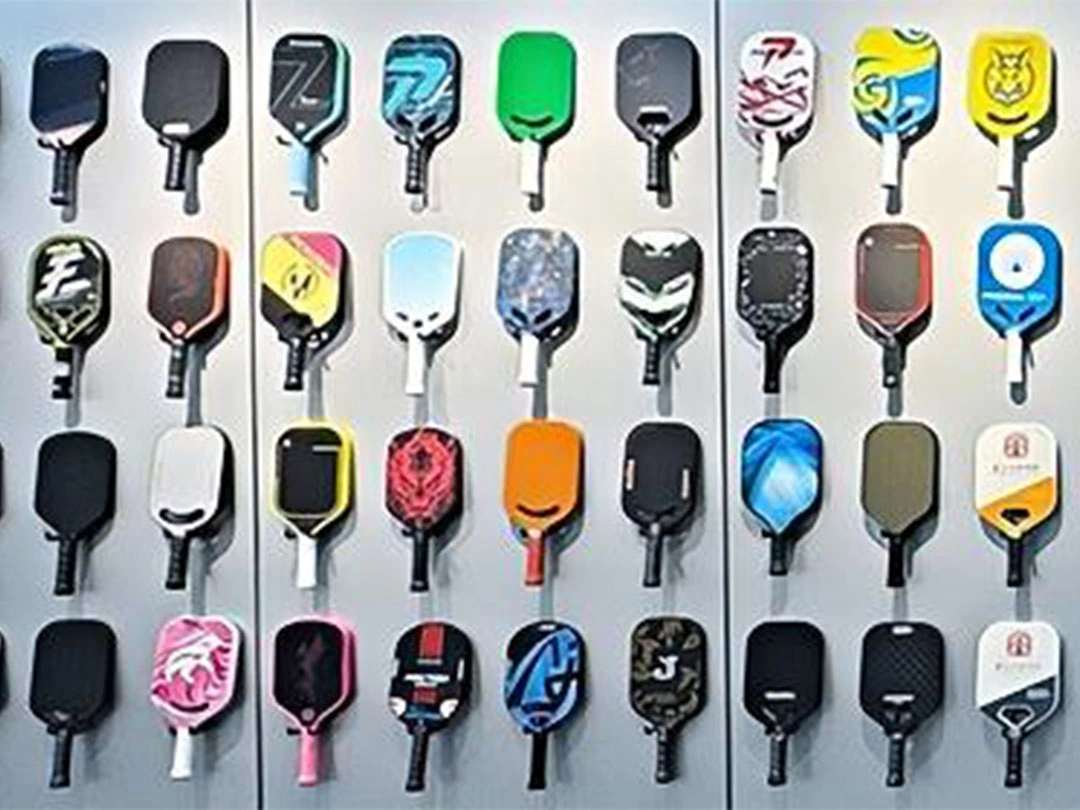
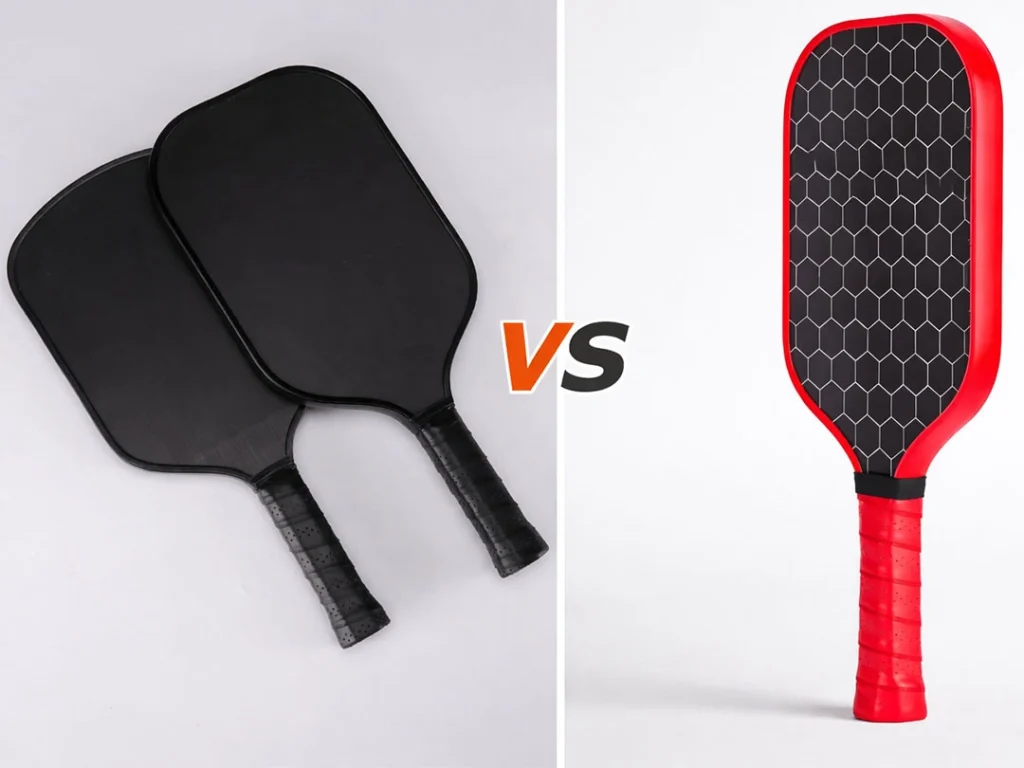
The pickleball paddle market is undergoing a quiet revolution — one that started at the performance end and is now reshaping everything from shelf aesthetics to brand positioning. At the center of it is a deceptively simple design change: removing the edge guard entirely.
Edgeless pickleball paddles look different. They feel different. And for a growing segment of the market — younger competitive players, premium direct-to-consumer brands, and quality-focused Amazon FBA sellers — they sell differently.
With 36.5 million players in the United States alone (Association of Pickleball Professionals, 2025) and a global equipment market valued at $702.9 million in 2025 (Coherent Market Insights), the race for differentiation is no longer optional. The brands winning shelf space and commanding higher price points are increasingly those built on edgeless construction — clean lines, superior biomechanics, and the kind of design language that resonates with the sport’s fastest-growing demographic.
This article breaks down what makes edgeless paddles technically superior, introduces NexaPaddle’s purpose-built Mold #1 (control) and Mold #3 (power), and makes the business case for B2B buyers who want to enter or expand in this segment.
What Makes a Paddle “Edgeless”?
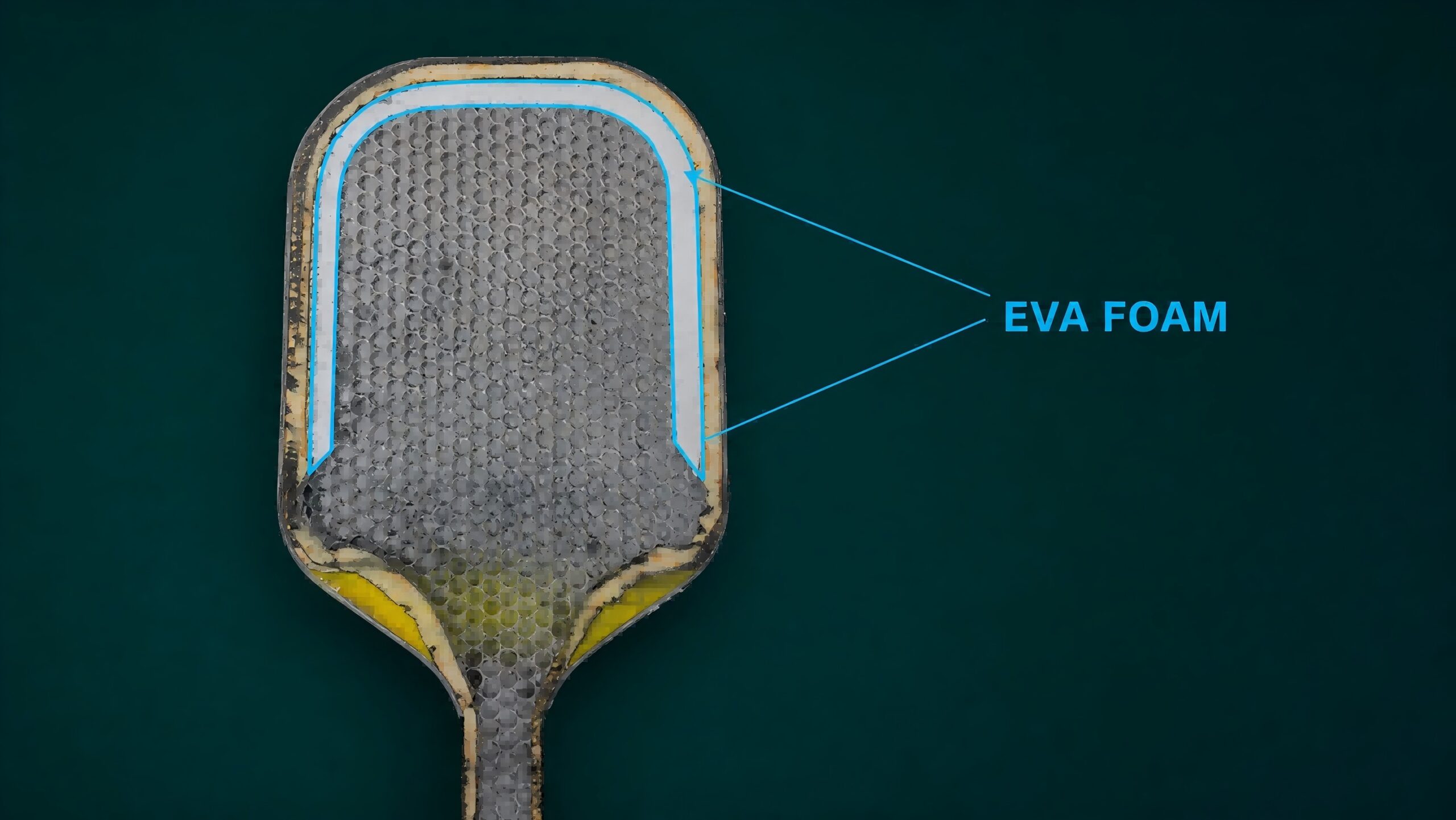
Most paddles on the market are built with a traditional edge guard — a rubber or polymer strip that wraps around the perimeter of the paddle face. It serves a functional purpose: protecting the core from impact delamination when a paddle strikes the court or the net post.
But that edge guard comes at a cost. It consumes 8–10% of the total face real estate (NexaPaddle Structural Analysis, 2024–2025), creating a hard boundary that shrinks the playable sweet spot, adds a visual seam, and introduces a slight aerodynamic discontinuity along the paddle’s perimeter.
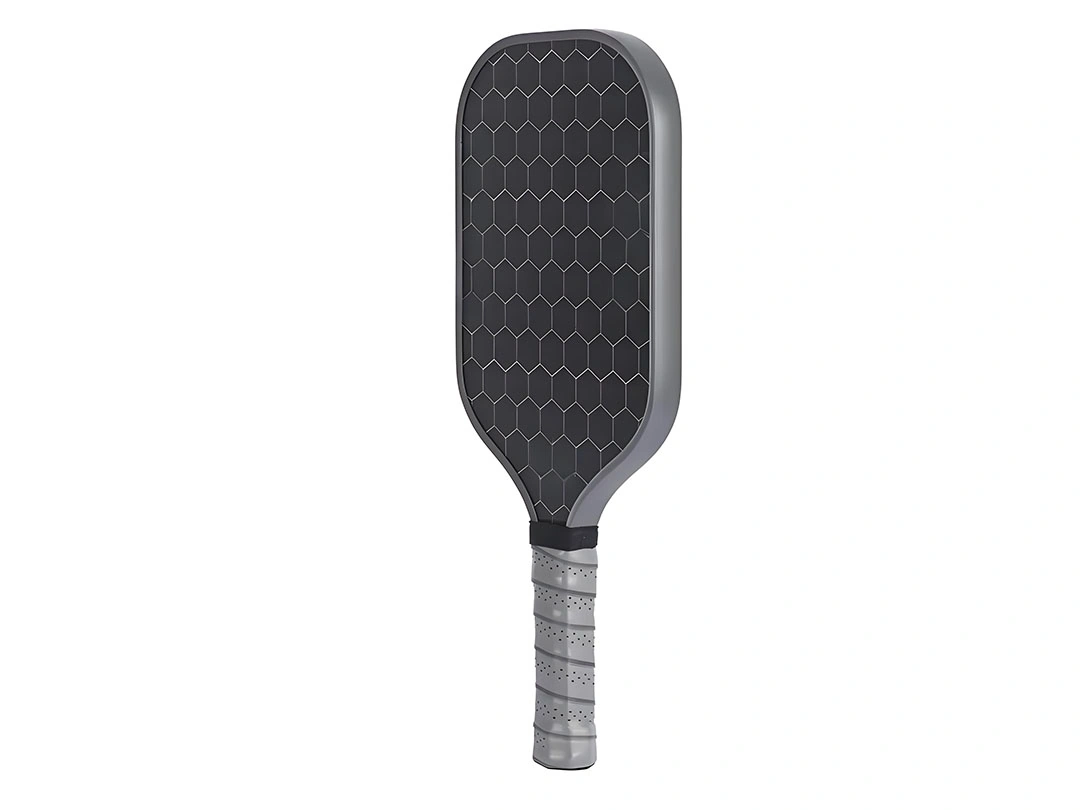
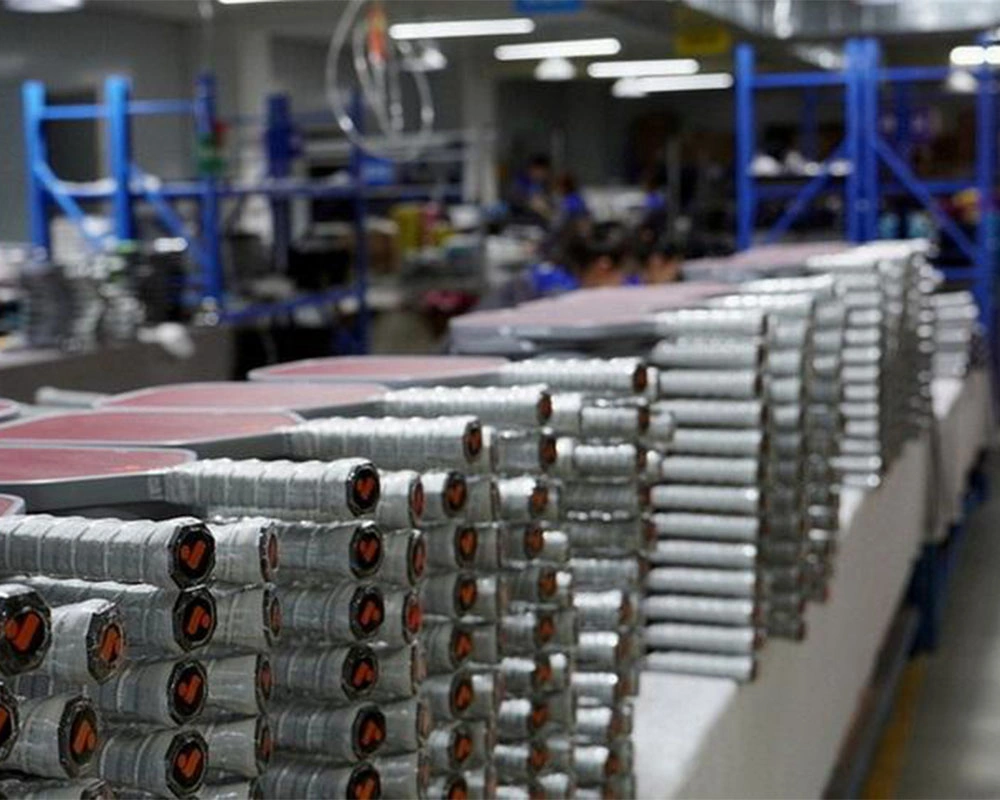
Edgeless construction eliminates this compromise. Using thermoformed pickleball paddles manufacturing technology, the carbon fiber face, sidewalls, and handle are fused into a single unibody structure under heat and pressure. There is no separate edge guard glued on afterward — the paddle is, structurally, one piece. The carbon fiber runs continuously from face surface through the edge and into the handle, creating a structural integrity that makes the edge guard redundant.
The result is a paddle that looks machined rather than assembled. And that distinction matters far more than it might initially seem.
The Aerodynamic Advantage
At first glance, aerodynamics might seem like an overengineered concern for a sport played at relatively close range. But the physics are real, and they show up in measurable ways during actual gameplay.
A traditional paddle with a protruding rubber edge guard creates a small but consistent aerodynamic interruption along its perimeter. During a swing, especially the rapid, wrist-driven volleys at the kitchen line, air resistance builds along the rim. The effect is subtle — but the paddle is slightly slower through the air than it could be.
An edgeless thermoformed paddle presents a smooth, continuous profile from face to edge. There is no raised ridge for airflow to catch. The transition from flat face surface to edge is seamless, and the paddle moves through the air with reduced drag. The practical outcome: marginally faster swing speeds, and more critically, quicker hand exchanges at the non-volley zone.
In a sport where reaction volleys are decided in fractions of a second, “marginally faster” is not a trivial advantage. Fast hands at the kitchen are the hallmark of elite pickleball, and edgeless construction is a design choice that serves this directly.
Combined with the additional face area recovered by eliminating the edge guard, the aerodynamic profile of an edgeless paddle represents a genuine performance upgrade — not a marketing claim dressed as a feature.
NexaPaddle Mold #1: The Edgeless Control Paddle
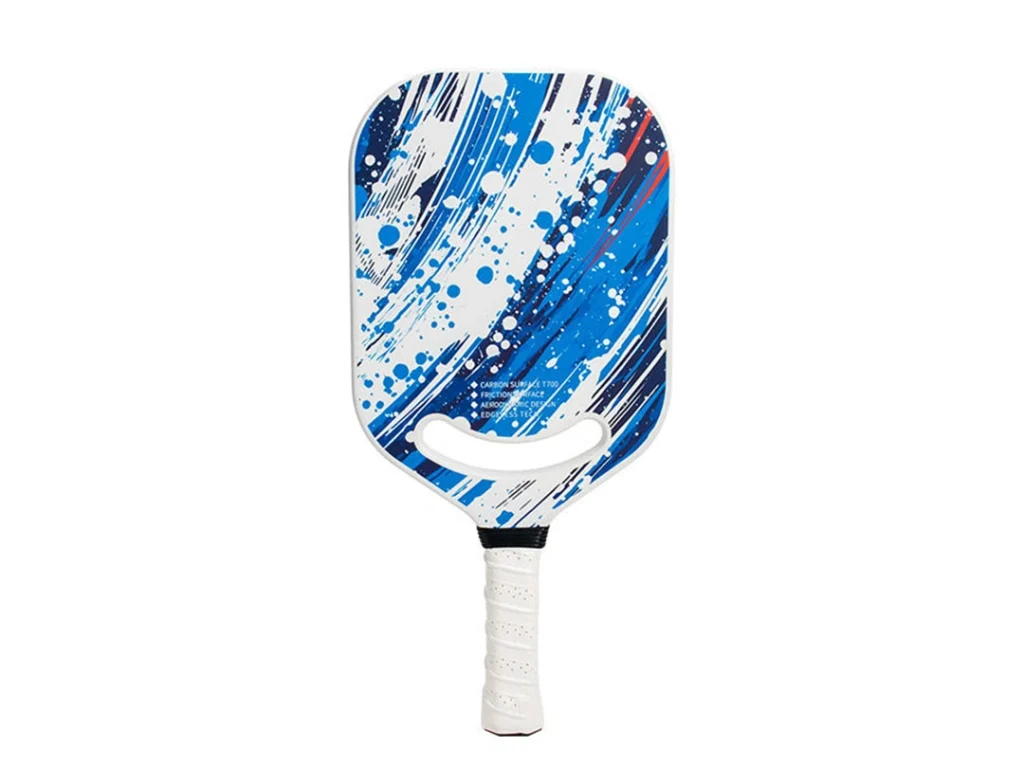
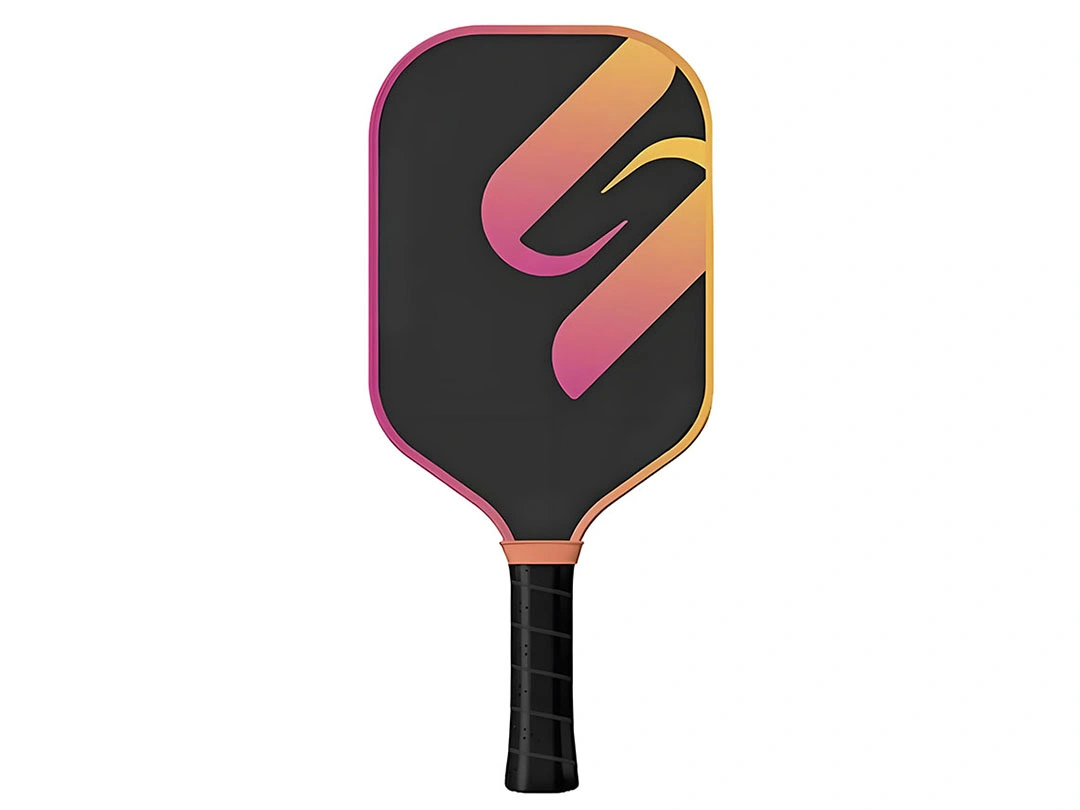
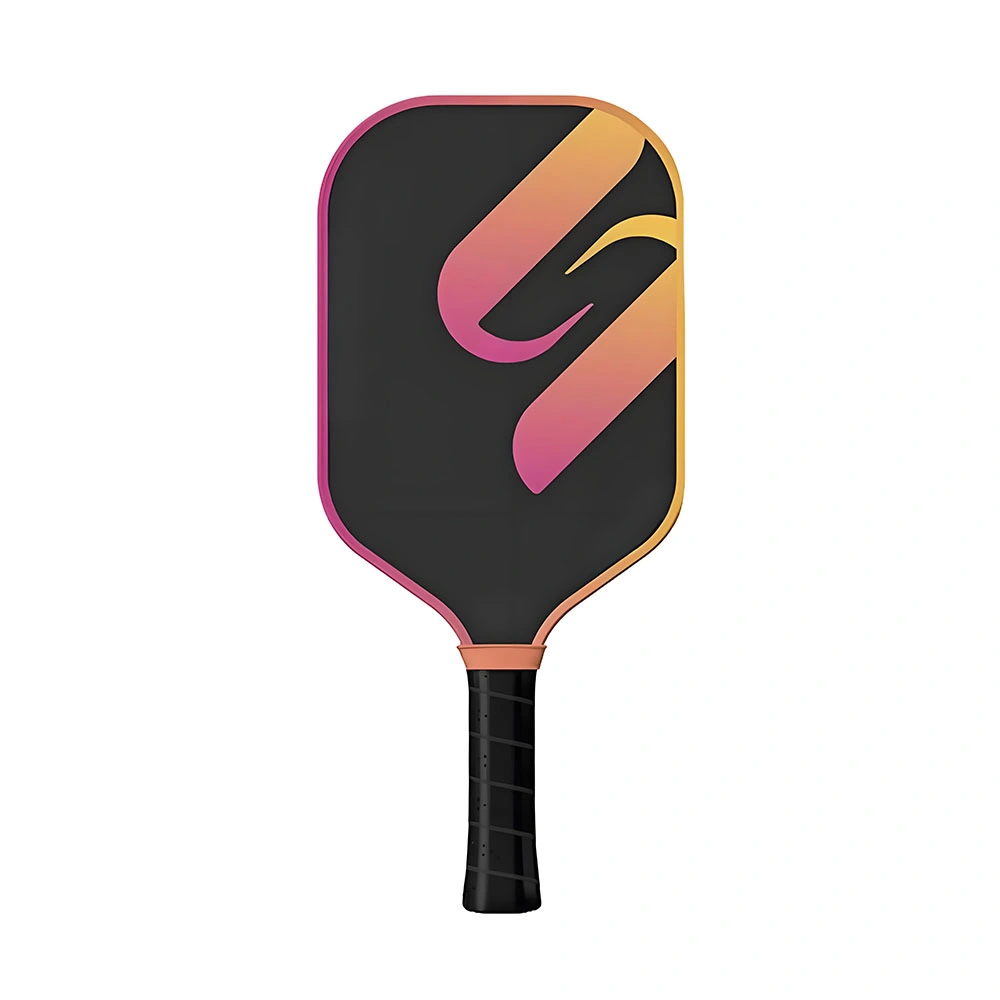
NexaPaddle’s Mold #1 is engineered around one principle: maximum control without sacrificing the edgeless aesthetic. It is the widest paddle in NexaPaddle’s edgeless line, and every specification is deliberate.
Mold #1 Full Specifications (NexaPaddle Manufacturing Reference):
| Spec | Detail |
|---|---|
| Dimensions | 400 × 205 mm |
| Thickness | 20 mm |
| Weight | ~245 g |
| Handle Length | 130 mm |
| Face Material | Carbon UD / 3K + grit spray surface |
| Edge Construction | Edgeless thermoformed unibody |
| Graphics | Water Decal (premium, seamless) |
The 400 × 205 mm face is among the widest available in the premium paddle category. Width directly correlates to sweet spot surface area — the wider the face, the larger the zone where off-center hits still produce clean, controlled returns. For players who rely on consistent placement rather than raw power, this geometry is an advantage on every shot.
The 20mm core thickness is where Mold #1 makes its most important engineering statement. Thicker cores are physically capable of absorbing more energy at contact, which translates to two tangible benefits: longer dwell time (the ball stays on the face slightly longer, giving the player more directional control) and superior vibration dampening (less shock transmitted to the wrist and elbow). This makes Mold #1 an excellent choice not only for touch-oriented competitive players but also for joint-sensitive players or those managing arm fatigue over long play sessions.
The carbon fiber pickleball paddles face — available in both unidirectional (UD) and 3K weave configurations — provides the textured bite necessary for spin generation, while the grit spray surface treatment amplifies ball-to-face friction for topspin and slice control.
Target Player Profile: Control-first players, defensive specialists, players who prioritize consistent placement over raw pace, older players managing joint sensitivity, and coaches or instructors who need a paddle that rewards technique.
NexaPaddle Mold #3: The Edgeless Power Paddle
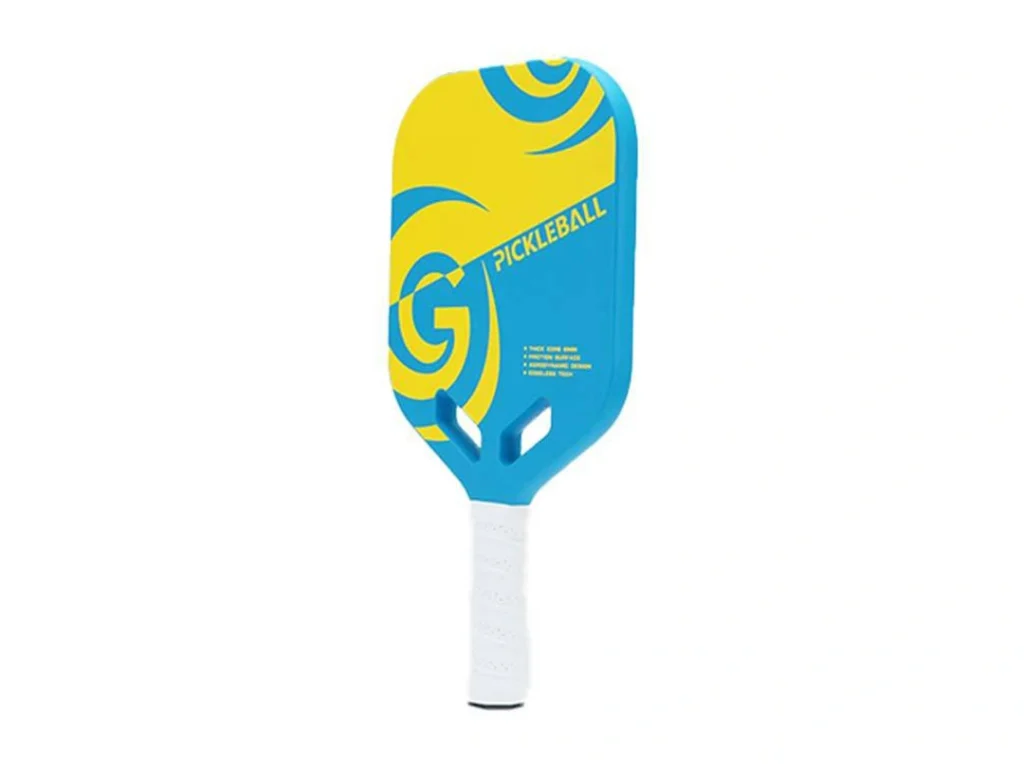
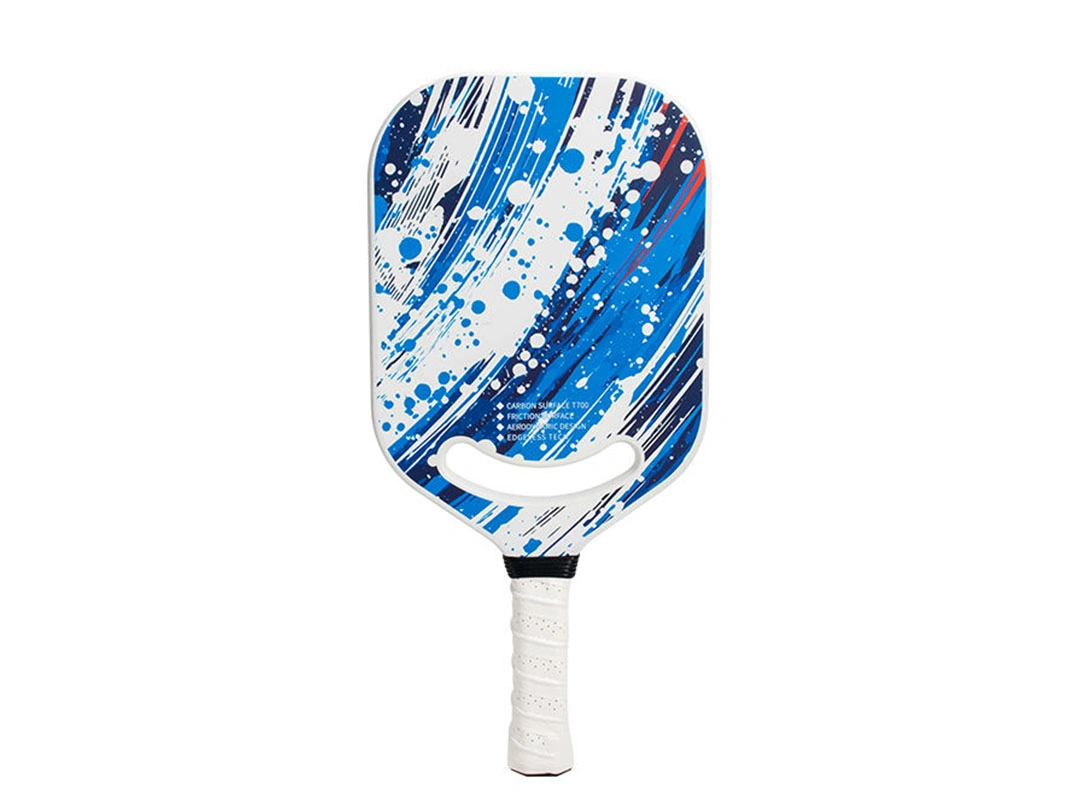
Where Mold #1 optimizes for control through width and thickness, Mold #3 optimizes for power through elongation. These are edgeless power pickleball paddles purpose-built for offensive, aggressive play styles.
Mold #3 Full Specifications (NexaPaddle Manufacturing Reference):
| Spec | Detail |
|---|---|
| Dimensions | 417 × 188 mm |
| Thickness | 13 mm or 16 mm |
| Weight | ~220 g |
| Handle Length | 139 mm |
| Face Material | Carbon UD / 3K or T700 Raw Carbon |
| Core | PP Honeycomb |
| Edge Construction | Edgeless thermoformed unibody |
| Graphics | Water Decal (premium, seamless) |
At 417mm in length, Mold #3 sits at the maximum allowable limit for competitive play dimensions. The additional length functions as a lever: the longer the paddle, the more rotational velocity generated at the tip during a swing, and the more kinetic energy transferred to the ball at contact. Elongated paddles also raise the sweet spot relative to shorter shapes — the effective contact zone sits higher on the face, matching the contact point of a natural overhead or drive swing.
The narrower 188mm width is a deliberate counterpart to the added length. It channels that energy into a more focused hit zone, rewarding players with precise timing while delivering significantly more pace than a standard-shaped paddle.
The 139mm handle gives two-handed backhand players and baseline drivers the grip room they need for full-swing mechanics. Combined with the lighter ~220g overall weight, Mold #3 is built for fast, full-swing rallying, not finesse dinking.
Thickness options of 13mm and 16mm allow brand owners to calibrate the performance profile: 13mm delivers a crisper, more aggressive feel with less dwell time; 16mm adds modest dampening without losing the power orientation of the shape. The T700 raw carbon face option introduces a rougher, more textured surface for maximum spin production on aggressive topspin drives.
Target Player Profile: Power-first players, tournament competitors, advanced players who dominate from the baseline, two-handed backhand players, younger players entering from tennis backgrounds.
Mold #1 vs. Mold #3: Side-by-Side Comparison
| Feature | Mold #1 (Control) | Mold #3 (Power) |
|---|---|---|
| Dimensions | 400 × 205 mm | 417 × 188 mm |
| Shape | Wide-body | Elongated |
| Thickness | 20 mm | 13 mm / 16 mm |
| Weight | ~245 g | ~220 g |
| Handle | 130 mm | 139 mm |
| Face Material | Carbon UD / 3K + grit spray | Carbon UD / 3K or T700 Raw Carbon |
| Core | PP Honeycomb | PP Honeycomb |
| Sweet Spot Location | Centered, wide | Elevated, focused |
| Primary Benefit | Dwell time, dampening, placement | Swing speed, power, spin |
| Best For | Control players, older players, touch game | Power players, tournament competitors |
| Graphics | Water Decal | Water Decal |
| Edge Construction | Edgeless thermoformed | Edgeless thermoformed |
| MOQ | 100 pieces | 100 pieces |
Both molds share NexaPaddle’s thermoformed edgeless construction, water decal graphics capability, and accessible MOQ — giving brand owners the flexibility to offer a differentiated two-SKU edgeless line from a single manufacturing partner.
Why Edgeless Appeals to Young Players and Premium Brands
There is a design language happening in premium sports equipment, and pickleball is not immune to it. The generation of players now entering the sport in the largest numbers — Gen Z and Millennials in the 18–35 demographic — grew up in a design era defined by Apple, Dyson, and Nike: functional objects made beautiful through the removal of visible seams and unnecessary structure.
A paddle with a thick rubber edge guard looks like a product. A paddle with a seamless edgeless carbon fiber profile looks like a piece of equipment. That distinction is not superficial — it is a brand positioning signal that communicates quality before the buyer ever reads a spec sheet.
The edgeless pickleball paddles category delivers on this aesthetic promise for a specific reason: water decal graphics can wrap continuously from face to edge without interruption. On a traditional paddle, the edge guard breaks the graphic — logos are cut off, patterns don’t flow, and the overall visual impression is segmented. On an edgeless paddle, a water decal can run edge-to-edge, creating a fully integrated, print-quality visual that photographs beautifully and looks premium in product listings.
This matters enormously in the social media era. Pickleball content on Instagram, TikTok, and YouTube drives paddle purchase decisions, especially among younger buyers. A paddle that looks stunning in a flat lay or a slow-motion swing clip has a measurable conversion advantage over a functionally similar but visually mundane product.
For brand owners, this creates a clear strategic opportunity: edgeless design is not just a performance upgrade — it is a brand equity asset. The cleaner aesthetic supports higher retail price points, creates stronger visual identity in product photography, and resonates with exactly the buyer demographic driving the sport’s growth.
This is the paddle equivalent of Apple’s unibody MacBook design philosophy: structural integrity and visual elegance achieved through the same engineering decision.
The Business Case for B2B Buyers
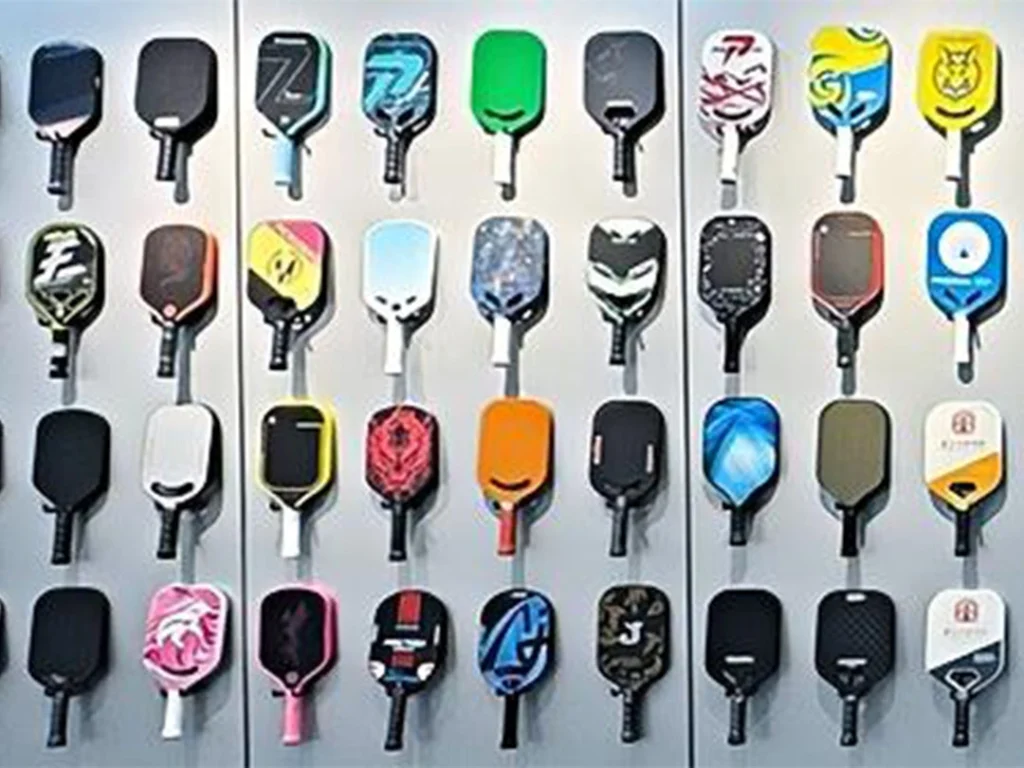
The edgeless segment is where premium pickleball brands are being built right now. Here is why the business case for sourcing edgeless paddles is compelling for brand owners, wholesalers, and Amazon FBA operators.
Market timing: Thermoformed paddles have captured 43% of the premium pickleball market since 2024 (NexaPaddle Internal Analysis), and the edgeless subset is the fastest-growing design category within that segment. Entering now, rather than waiting for the category to commoditize, allows brand owners to establish positioning while margins remain strong.
Retail price positioning: Edgeless thermoformed paddles consistently command $100–$180 at retail, with premium branded versions reaching $180–$220. At a 100-piece MOQ, the per-unit investment is accessible relative to the retail price ceiling — particularly important for market testing a new SKU or launching a new brand.
Lower risk entry: The 100-piece MOQ for both Mold #1 and Mold #3 is designed explicitly for brand builders who want to test the market before committing to deeper inventory. This is not a commodity MOQ structure; it is a premium manufacturing relationship accessible to emerging brands. For Amazon FBA sellers, 100 units represents a manageable initial shipment that can be repriced and repositioned based on actual conversion data.
Custom branding depth: Water decal graphics on edgeless paddles allow brand owners to create visually distinctive products that are difficult to copy or commoditize. When your brand’s full-wrap graphic runs seamlessly edge-to-edge, it creates a product that stands out in a crowded Amazon listing grid and builds visual brand recognition across the buyer’s lifecycle.
Sweet spot advantage: The elimination of the edge guard recovers 8–10% of face real estate, contributing to a sweet spot that is 15–20% larger than cold press alternatives (NexaPaddle Structural Analysis, 2024–2025). This is a spec that converts — it is easy to communicate in a bullet point, easy for customers to feel, and hard for edge guard paddles to match.
For custom OEM pickleball paddles, NexaPaddle’s edgeless line offers the ideal combination of performance credibility, manufacturing precision, and brand customization depth.
Frequently Asked Questions
Are edgeless paddles more durable than traditional edge guard paddles?
Edgeless thermoformed paddles are engineered to be structurally equivalent to or more durable than traditional edge guard designs. Because the carbon fiber face and sidewall are fused into a single unibody structure, there is no edge guard seam that can separate or peel over time — a common failure point on traditionally assembled paddles. The thermoformed construction creates a molecularly bonded unit that resists delamination under normal competitive play conditions.
Are NexaPaddle’s edgeless paddles USAPA approved?
NexaPaddle produces edgeless paddles to USAPA specification standards. If your brand requires paddles for sanctioned tournament play, NexaPaddle’s manufacturing team can work with you on the specific compliance requirements for USAPA approval during the OEM customization process. Buyers should discuss intended use cases with NexaPaddle’s team at the order stage.
What is the minimum order quantity for custom edgeless paddles?
Both Mold #1 and Mold #3 are available at a 100-piece minimum order quantity. This applies to fully customized paddles including custom water decal graphics, custom branding, and your choice of face material configuration. The 100-piece MOQ is intentionally accessible for emerging brands and market testing scenarios.
Do edgeless paddles have a larger sweet spot than traditional paddles?
Yes. By eliminating the edge guard that occupies 8–10% of face real estate, edgeless construction effectively expands the playable face area. NexaPaddle’s structural analysis estimates a 15–20% larger sweet spot in thermoformed edgeless paddles compared to cold press alternatives. For Mold #1’s wide-body geometry in particular, this translates to a noticeably forgiving hit zone across the entire face.
What graphics options are available for edgeless paddles?
Both Mold #1 and Mold #3 support water decal graphics as the standard customization method. Water decals allow full-face, edge-to-edge graphic printing — including custom logos, color gradients, photographic imagery, and complex design patterns. Because edgeless paddles have no edge guard interrupting the surface, water decal designs can wrap continuously for a seamless, premium visual result. Custom graphic design support is available through NexaPaddle’s OEM team.
Conclusion: The Future of the Paddle Is Edgeless
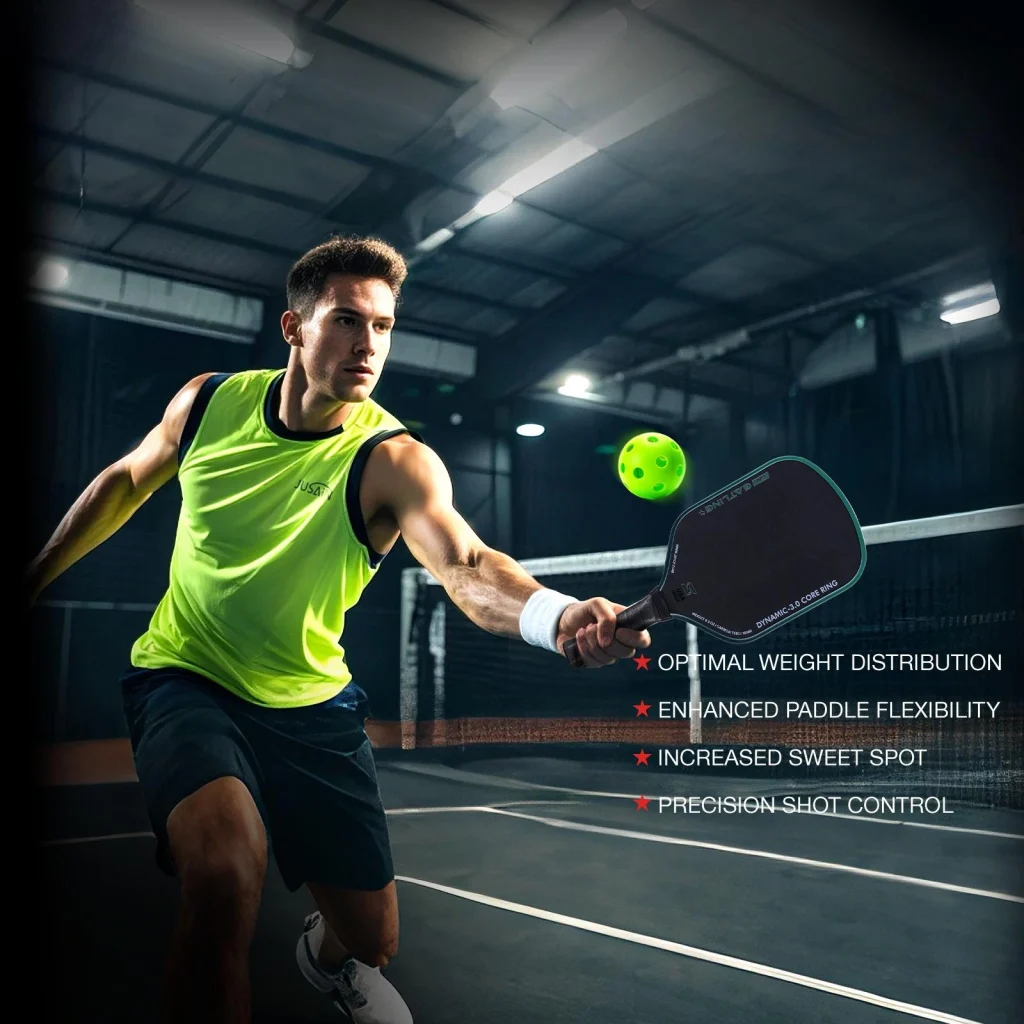
The convergence of aerodynamic performance, expanded sweet spot geometry, and premium visual design makes edgeless construction the most compelling evolution in pickleball paddle technology in the current generation of product development.
For players, the choice is increasingly clear: more face area, faster swing profile, and a paddle that performs as well as it looks. For brands, the strategic argument is equally direct: edgeless paddles occupy the premium price tier, attract the sport’s fastest-growing buyer demographic, and support the kind of visual brand identity that builds long-term customer loyalty.
NexaPaddle’s Mold #1 and Mold #3 represent two distinct answers to the edgeless opportunity — one built for control and touch, the other built for power and pace — both accessible at 100-piece MOQ with full custom water decal branding.
Whether you are launching a new pickleball brand, expanding an existing SKU line, or sourcing a premium paddle for a specific player segment, the edgeless category offers margin, differentiation, and design credibility that traditional edge guard paddles simply cannot match.
Ready to build your edgeless paddle line? Contact NexaPaddle’s OEM team to request product samples, discuss custom graphics, and get a quote for Mold #1 or Mold #3. The edgeless market is growing now — the brands that move first will define the category.
Sources:
- NexaPaddle Manufacturing Reference — Mold #1 and Mold #3 product specifications
- NexaPaddle Internal Analysis (2024) — Thermoformed paddles: 43% of premium market since 2024
- NexaPaddle Structural Analysis (2024–2025) — Sweet spot expansion: 15–20% larger than cold press; edge guard face consumption: 8–10%
- Coherent Market Insights (2025) — Global pickleball equipment market: $702.9 million
- Association of Pickleball Professionals (APP, 2025) — 36.5 million US players