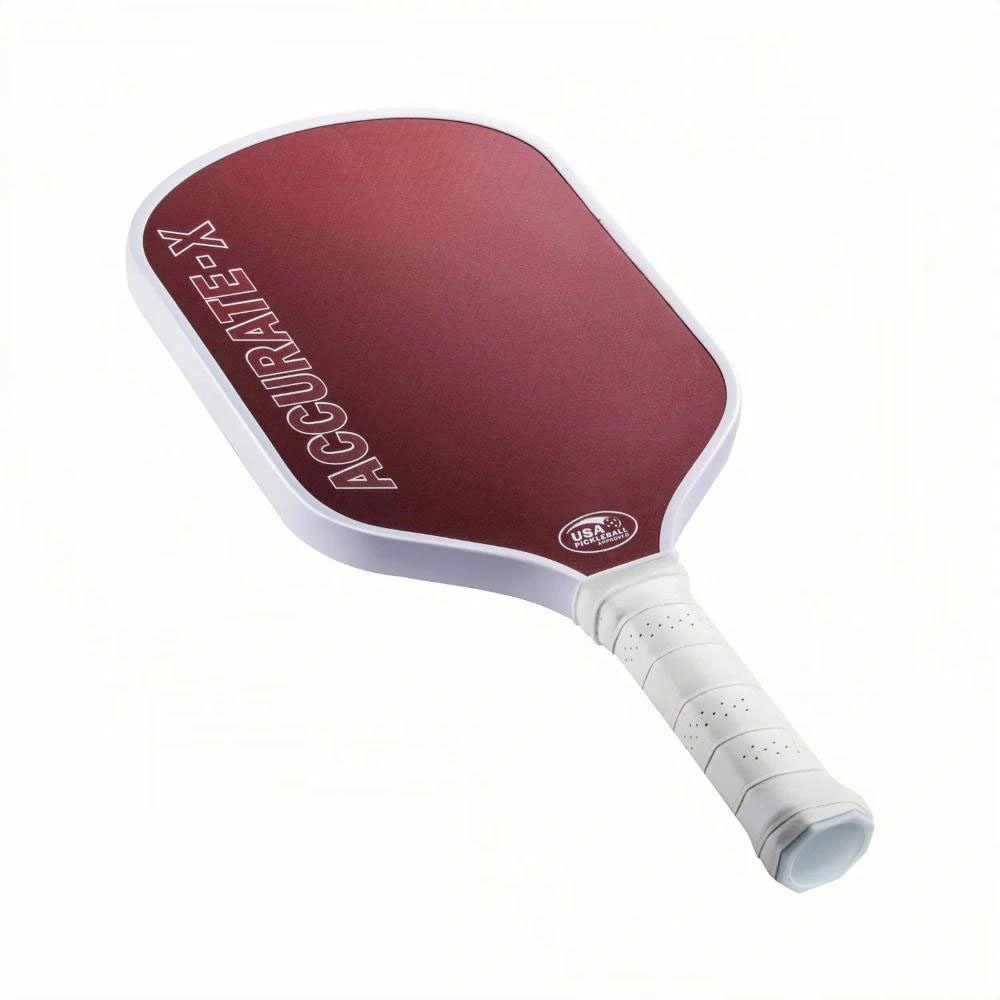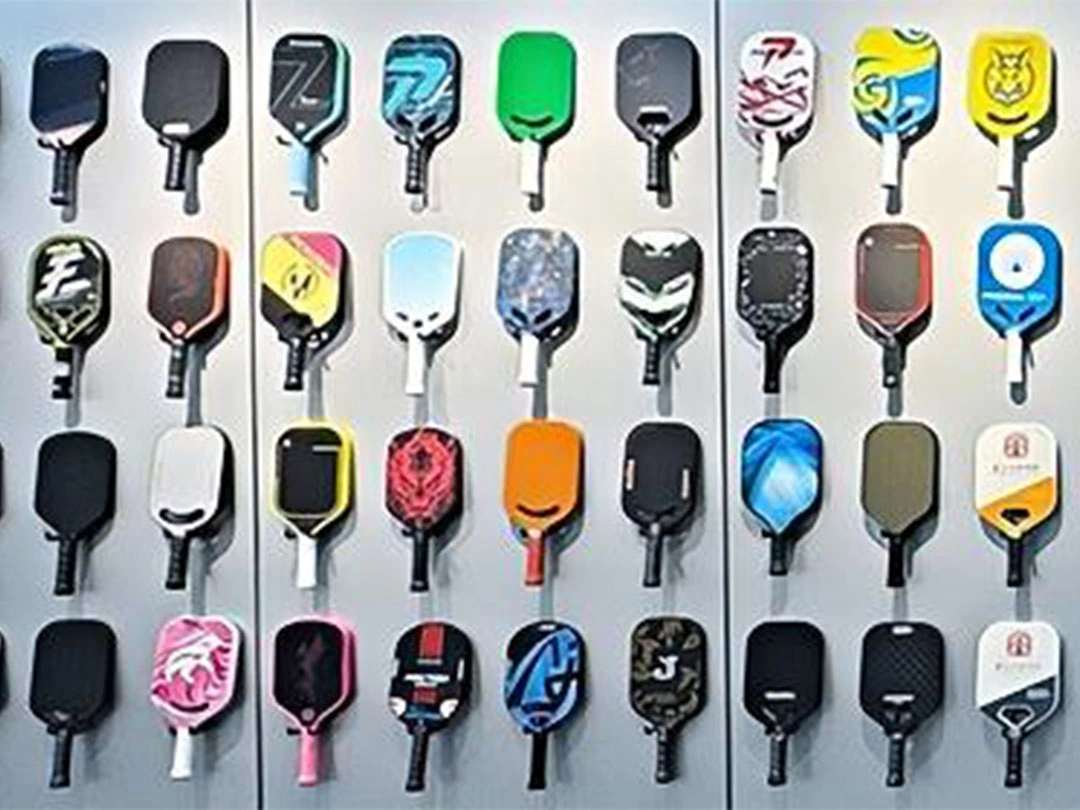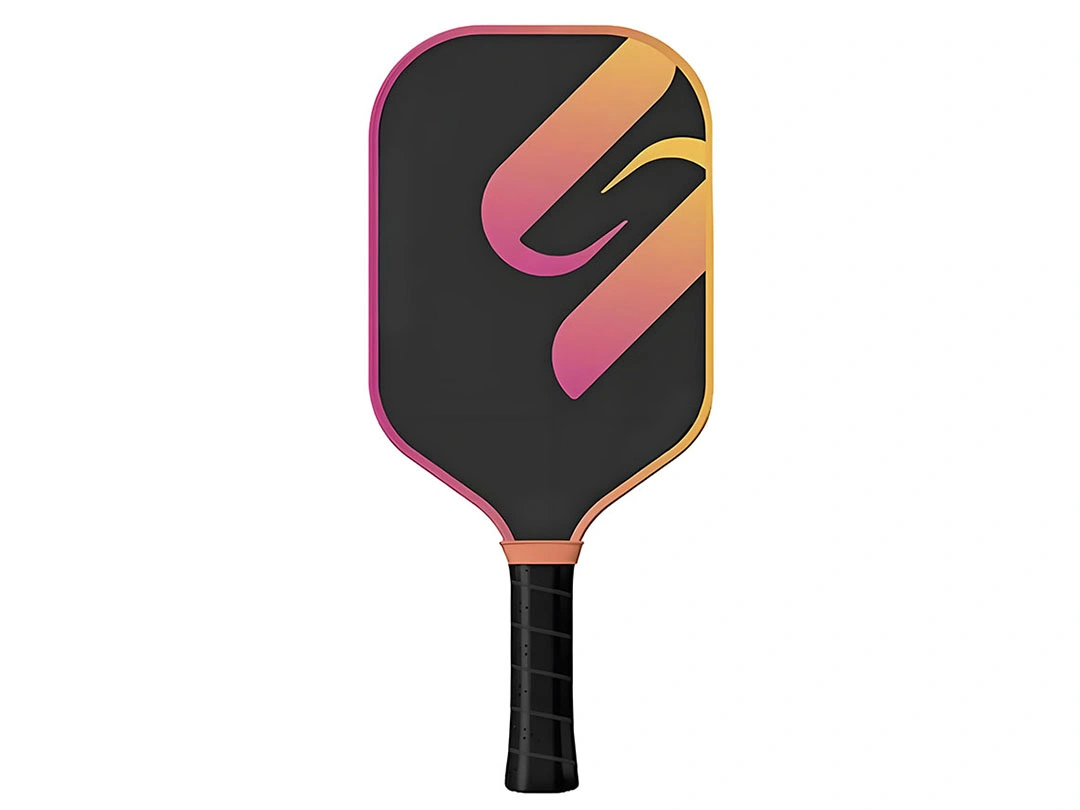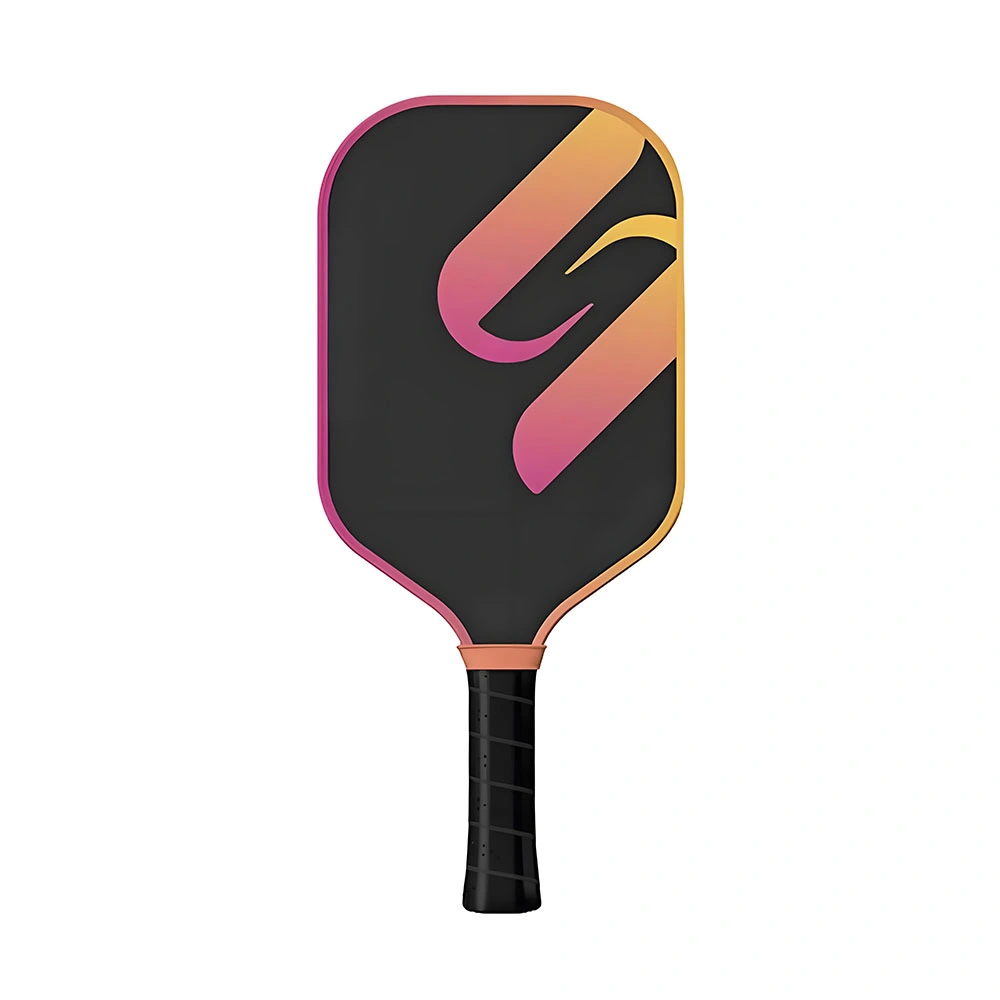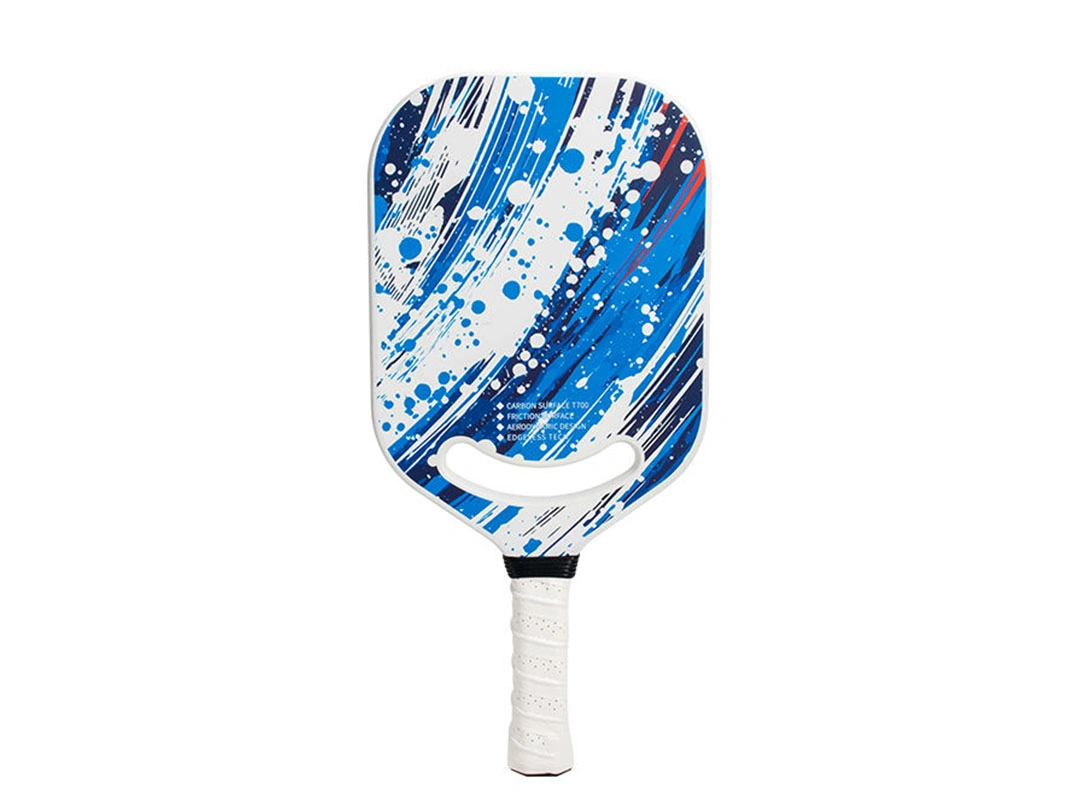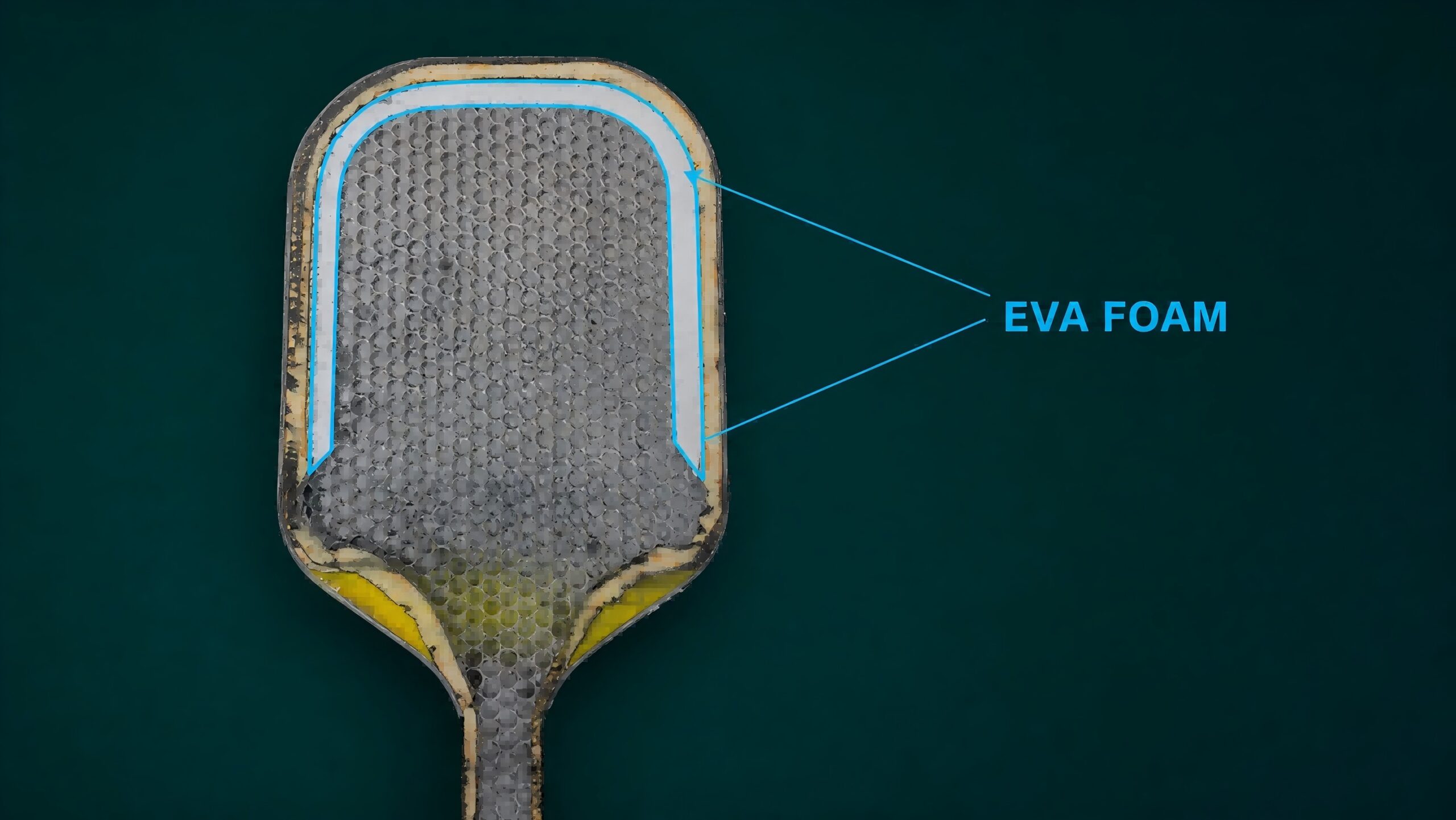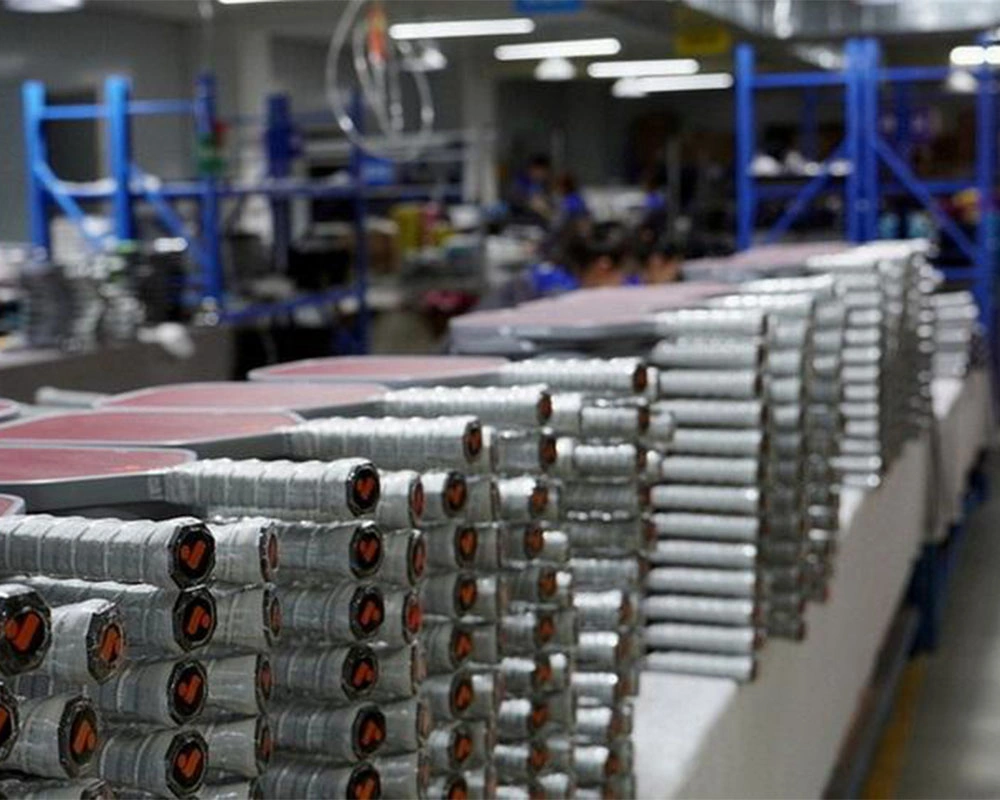
The global pickleball equipment market is accelerating at an unprecedented rate. Valued at roughly $702.9 million in 2025 by Coherent Market Insights , the industry is fueled by an active player base that has surged past 36.5 million in the United States alone, according to the Association of Pickleball Professionals (APP) . While premium, carbon-fiber thermoformed paddles dominate the professional circuit and enthusiastic amateur discussions, the true financial backbone of the industry lies elsewhere. Budget paddles—typically occupying the $15 to $50 retail tier—represent the highest-volume segment in the market.
These are the paddles filling the shelves of big-box retailers like Walmart, Target, Costco, and Dick’s Sporting Goods. They are the staple of school physical education programs, community recreation centers, and corporate promotional events. They are the starter sets that introduce new players to the sport.
For big-box retail buyers, category managers, and private label brand owners, the critical questions are operational and financial: What does it actually cost to manufacture these paddles? Where are the hidden costs? And most importantly, where is the margin? To maximize profitability without sacrificing the baseline quality required to prevent mass returns, buyers must understand the factory-level realities of producing the best budget pickleball paddle.
Why Budget Paddles Are the Volume King in Retail
While $200+ elite paddles offer excellent margins per unit, they suffer from low inventory turnover compared to entry-level equipment. The economics of retail heavily favor the budget segment for several structural reasons:
- The Beginner Funnel: Industry data indicates that over 70% of first-time players start with a sub-$50 paddle. The barrier to entry for pickleball is famously low, and consumers are highly resistant to spending triple digits before they know if they will stick with the sport.
- Institutional and Bulk Buying: Schools, community centers, and corporate events do not buy paddles in singles—they buy in cartons. These entities require functional, durable equipment at the absolute lowest unit cost, driving massive, predictable volume.
- Big-Box Foot Traffic: Retailers like Costco and Target thrive on impulse buys and seasonal sporting goods placements. A well-packaged, colorful set of cheap pickleball paddles positioned near the front of the store or in a seasonal aisle guarantees high sell-through rates during the spring and summer months.
- The Repeat Customer Ecosystem: The budget paddle is essentially a customer acquisition tool. The buyer who purchases a starter set today is the prime candidate for a $100 upgrade paddle six months from now. Capturing them at the entry level builds brand loyalty.
The Two Budget Paddle Categories: Fiberglass vs. Wood
When sourcing for the entry-level market, retail buyers are generally choosing between two distinct material categories. Understanding the manufacturing differences is crucial for targeting the right consumer segment.
Fiberglass Composite Paddles (Cold Press)
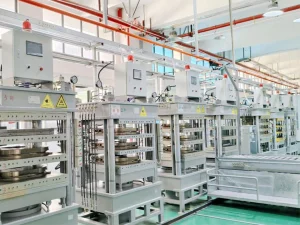
For the modern retail environment, fiberglass represents the gold standard for budget-friendly performance. As an OEM fiberglass pickleball paddle factory, NexaPaddle utilizes a highly refined cold press molding process to produce these paddles at scale.
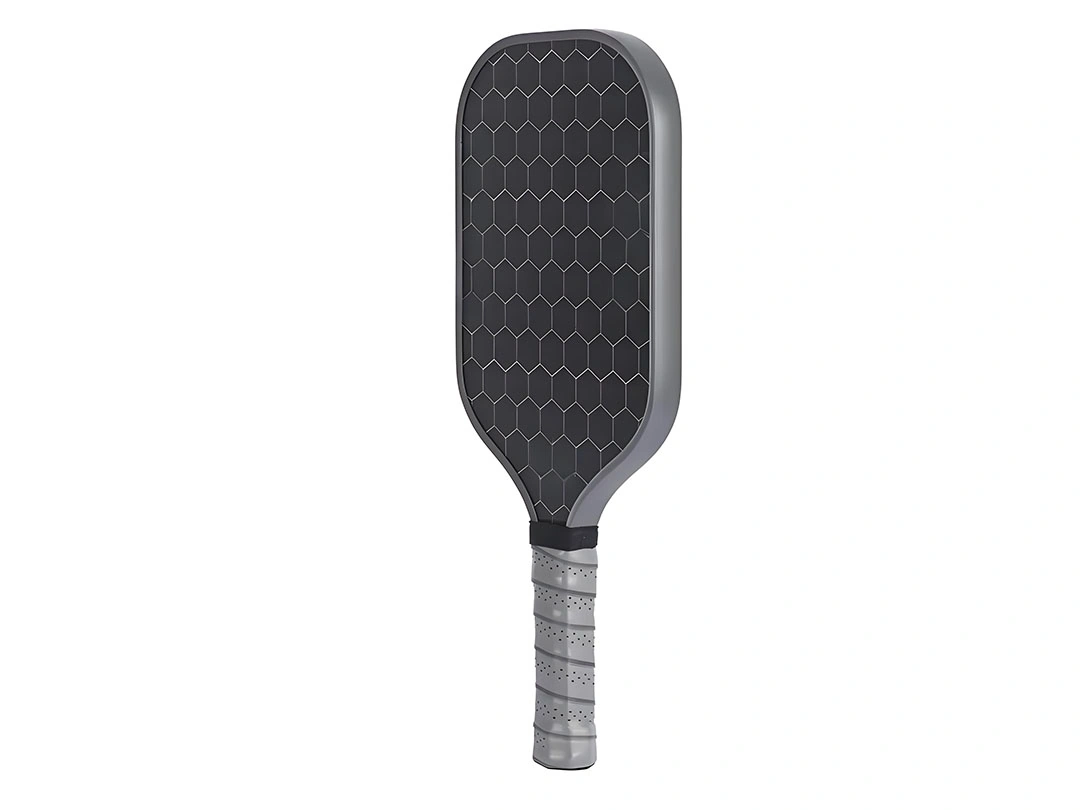
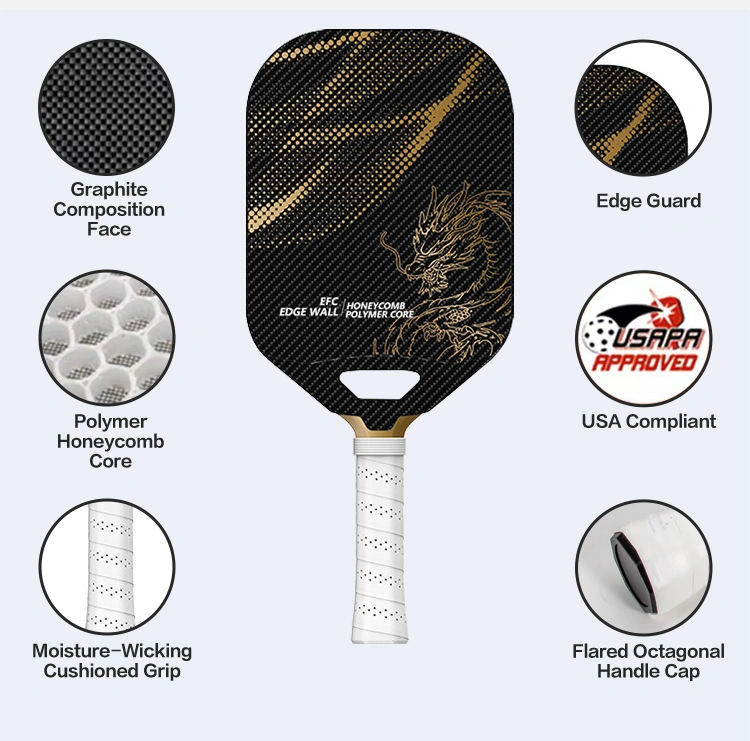
- Core Specifications (NexaPaddle Product 1.1): Fiberglass face, Polypropylene (PP) Honeycomb core, TPU edge guard, and UV printing.
- Thickness Options: 10mm / 13mm / 16mm (10mm and 13mm are most common for budget SKUs to control material costs and weight).
- Weight Range: 220–245g (7.7–8.6 oz), a comfortable mid-weight feel suitable for the vast majority of beginners.
- Dimensions: 400×195mm (Standard Control shape) or 417×188mm (Elongated Power shape).
- Manufacturing Process: Cold press molding. Unlike thermoforming, which requires sustained heat and extended pressure cycles (driving up labor and energy costs), cold pressing is rapid, highly reliable, and highly cost-effective for large production runs.
- MOQ: Production runs start at just 300 pieces for cold press paddles—highly accessible for new retail SKU testing.
Wood Paddles
Wood is the historical foundation of pickleball, and it still holds a specific, high-volume place in the manufacturing landscape. When evaluating wholesale wood pickleball paddles, it’s important to distinguish between classic and engineered wood.
- Classic Wood: Made from solid, layered plywood (often 7-ply maple or basswood). These weigh between 9.5 and 11 oz and retail for $10 to $25. They are practically indestructible, making them the ideal choice for PE programs, loaner fleets, and high-volume promotional giveaways. Legal for USA Pickleball recreational play.
- The Drawbacks: Heavy, small sweet spot, no surface texture for spin, and high vibration transmission to the arm.
- Engineered Wood (Not Budget): Newer hollow-core engineered wood paddles exist, weighing 8.0–8.5 oz, but they retail for $90–$150 and belong in an entirely different category.
- The Verdict: For pure wholesale volume and institutional buyers, classic wood is the play. For sporting goods retail shelves where consumers compare units side by side, fiberglass is vastly superior.
Cost Breakdown — What Really Goes Into a Budget Paddle
To negotiate effectively, a buyer must understand the full bill of materials (BOM) and labor inputs. The table below breaks down the primary cost blocks for both entry-level paddle types.
| Cost Block | Fiberglass Composite (Cold Press) | Classic Wood | Impact on Price |
|---|---|---|---|
| Core & Structure | PP honeycomb core | Solid plywood | High — defines durability, weight, and feel |
| Face Material | Fiberglass sheet | Painted wood surface | Medium — affects playability and graphics adhesion |
| Edge Protection | TPU edge guard | None or basic rubber bumper | Low-Medium — critical for composite longevity |
| Graphics | UV Printing (full color) | Screen print or sticker overlay | Low-Medium — defines shelf appeal and brand identity |
| Labor & Assembly | Cold press molding, gluing, assembly, grip wrapping | CNC cutting, sanding, painting, handle assembly | Medium — varies by factory automation level |
| QC & Testing | Weight check, visual inspection, basic deflection/performance test | Weight check, visual inspection | Low but critical for retail compliance |
| Packaging | Bubble bag (standard) or custom display box | Poly bag or basic retail sleeve | Low — highly variable based on buyer requirements |
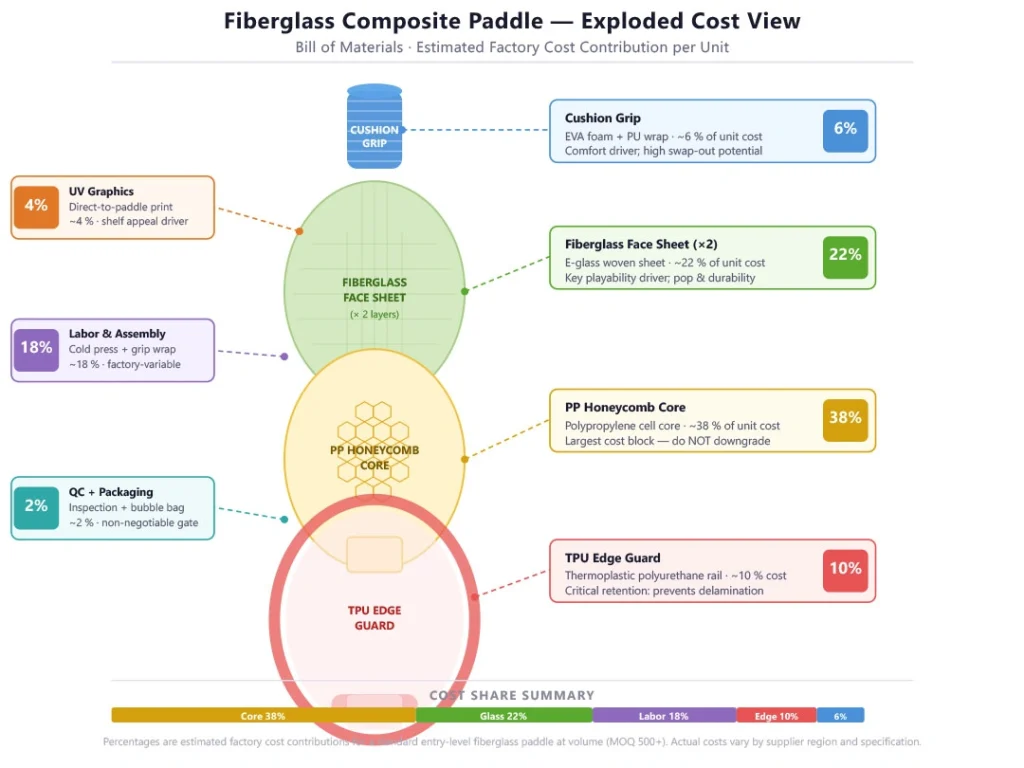
Deep Dive into the Cost Blocks
Core Material: The PP honeycomb core is the industry workhorse—cost-effective, structurally balanced, and proven at scale. Factory insider note: do not attempt to cut costs by requesting lower-density or inferior PP cores. A substandard core is the number one cause of dead spots and premature delamination, which drives retail returns and brand reputation damage that far outweighs any savings at the factory level.
Face Material: Fiberglass is the most affordable face material that still delivers legitimate athletic performance. It provides excellent elasticity—the ball “pops” off the paddle face with lower swing effort—and superior shock absorption compared to wood, making it highly forgiving for beginners. Unlike carbon fiber, it does not require specialized layup techniques, keeping labor costs tightly controlled.
Construction Method: Cold press molding involves applying industrial structural adhesives to the core and face sheets, positioning them in a mold, and applying high pressure at ambient temperature. Because it eliminates the energy-intensive heating and cooling cycles of thermoforming, factory throughput is substantially higher. This yield efficiency is the primary driver of the low FOB (Free On Board) cost that makes the best budget pickleball paddle commercially viable at mass retail price points.
Graphics and Cosmetics: In the budget tier, shelf appeal drives purchase decisions. UV printing has fundamentally transformed this segment. Previously, complex multi-color graphics required expensive water-transfer decals. Today, direct-to-paddle UV printing enables full-color, edge-to-edge custom designs at scale—essential for custom pickleball paddles built for private label differentiation on crowded Amazon listings and big-box shelves.
Quality Control: Even cheap pickleball paddles require non-negotiable QC at the factory gate. A standard batch must undergo weight consistency checks (strict ±5g tolerance per unit across the batch), visual defect screening for graphic misprints and surface blemishes, and TPU edge guard adhesion testing. An edge guard that separates after three games is a one-star review and a return—both of which cost far more than a thorough pre-shipment inspection.
Margin Analysis — Where the Money Is for Retail Buyers
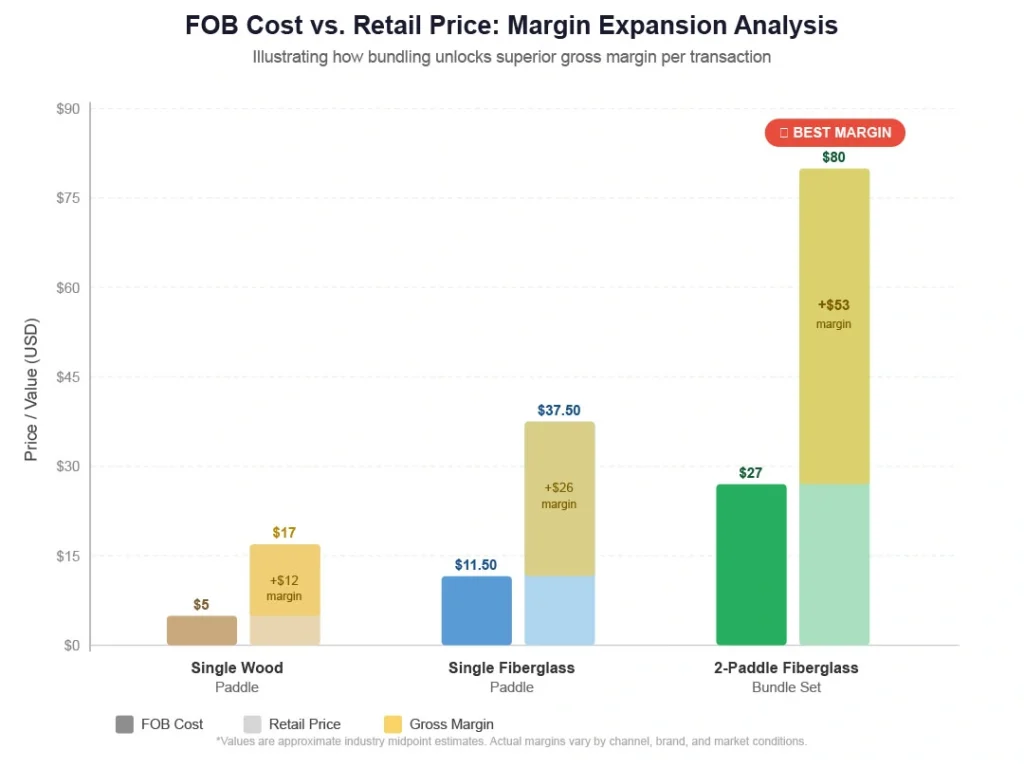
Understanding factory costs is only half the equation. The other half is pricing architecture and channel strategy. Below is a comparative margin analysis illustrating why strategic buyers prioritize their material mix.
| Metric | Fiberglass Composite | Classic Wood |
|---|---|---|
| Estimated FOB Price Range* | $8–$15/unit (at 300–500 MOQ) | $3–$7/unit (at 500+ MOQ) |
| Typical Retail Price | $25–$50 | $10–$25 |
| Estimated Gross Margin | 55–70% | 50–65% |
| Best Retail Channel | Sporting goods stores, Amazon, DTC | Schools, rec centers, promotional, Walmart |
| Upgrade Path | Customer moves to carbon fiber tier | Customer moves to composite/fiberglass |
*Prices are approximate industry estimates and vary significantly based on order volume, customization requirements, raw material market conditions, and shipping logistics.
Strategic Takeaways for Retail Sourcing
Absolute Margin vs. Unit Cost: While wood paddles carry a lower absolute unit cost, fiberglass paddles generate a higher absolute dollar margin per unit. A retailer may make $8 of gross profit on a $15 wood paddle. On a $40 branded fiberglass paddle, that same retailer can realize $20+ in gross margin—on a product with better brand equity and a longer retail lifecycle.
The Perceived Value Problem with Wood: Wood paddles visually and functionally signal “cheap” to the modern consumer. At a big-box shelf where a consumer is choosing between a wood paddle and a fiberglass composite, the composite wins nearly every time unless price is the sole purchase driver. The smart category strategy: position fiberglass composite as the flagship best budget pickleball paddle for the majority of the shelf, and use wood strictly for deep-discount promotional bins or institutional supply contracts.
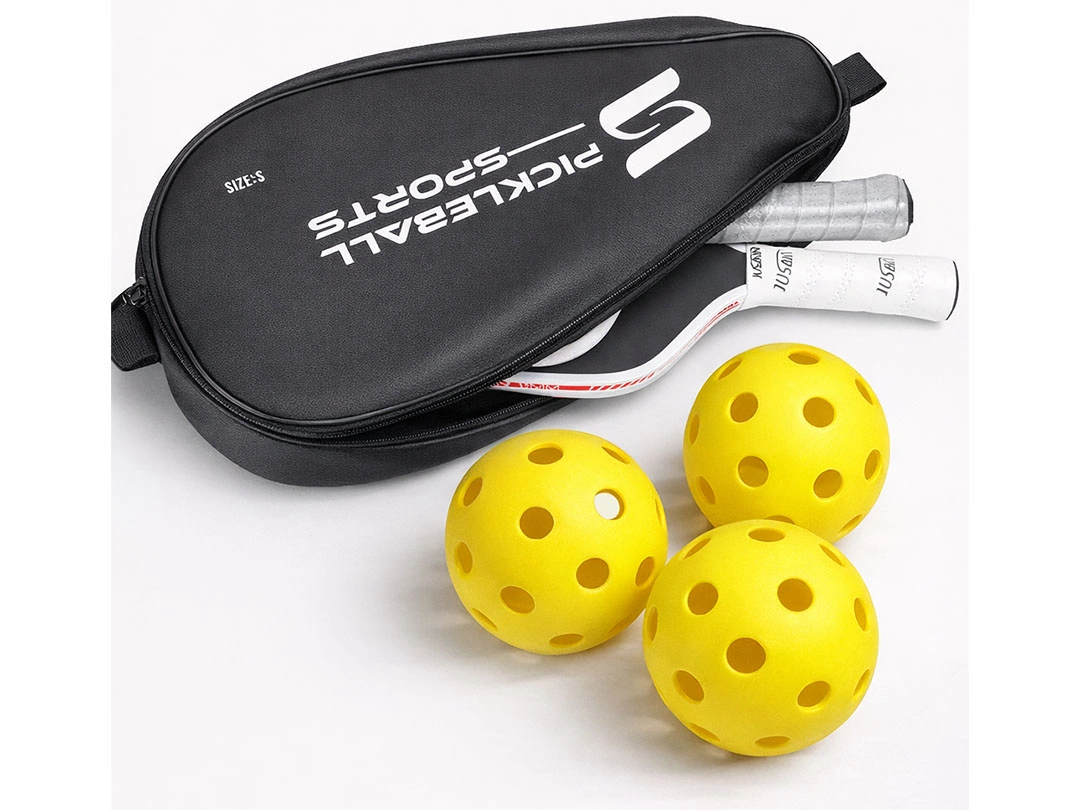
The AOV Multiplier — Bundles: The single highest-leverage move in this category is bundling. Packaging two fiberglass paddles, four USAPA-approved outdoor balls, and a branded carry bag into a set transforms a $30 single-unit retail sale into a $70–$90 lifestyle purchase. The incremental FOB cost of factory-sourced balls and a nylon bag is minimal—often under $4 combined—but the perceived consumer value is dramatically higher. Explore the full range of pickleball sets and bundles for pre-configured options that accelerate retail sell-through.
5-Step Manufacturing Process for Budget Paddles
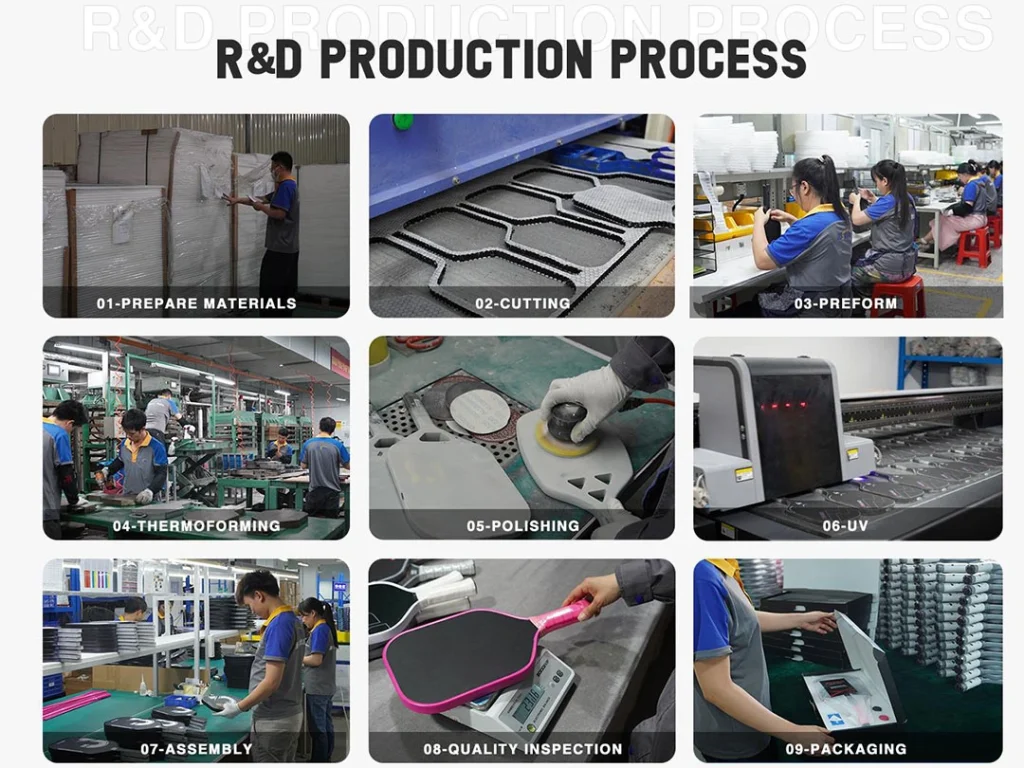
Consistent quality at high volume requires a rigid, documented production process—not just skilled workers making judgment calls on the line. NexaPaddle’s factory runs every entry-level SKU through the same five-stage process used for its premium products, ensuring that even beginner and starter pickleball paddles meet certified athletic standards.
Step 1 — Design & Engineering
Before the production line moves, the product is fully mapped. This involves mold selection (Control vs. Power shape), thickness specification, graphic artwork formatting for UV print compliance, and custom packaging dieline design. Small batch trials are conducted to verify material adhesion, edge guard bond strength, and final weight balance point.
Step 2 — Forming (Cold Press)
Raw material processing begins. The PP honeycomb core is die-cut to exact paddle profiles. Fiberglass sheets are trimmed and layered with industrial structural adhesives in a precise sequence. The stacked components are loaded into mold cavities and undergo cold press under high, sustained pressure—bonding core and face into a single, unified structural blank.
Step 3 — Spray & Polish
Raw blanks have rough edges and unfinished surfaces. CNC routing trims them to exact dimensional tolerances. Surfaces are hand-sanded, then primer is applied to ensure UV ink adhesion. Mid-coat and top-coat finishes are applied where matte or high-gloss surface specifications are required. Rushing this stage results in graphic delamination in the field—a non-negotiable hold point.
Step 4 — Assembly
This is the most labor-intensive phase. The TPU edge guard is heat-formed, precisely applied, and adhesively bonded around the paddle perimeter. The handle is built up with foam under-wrap to the specified circumference (typically 4⅛” to 4¼” for budget consumer paddles), and the PU cushion grip is manually wrapped and secured with a branded end cap or silicone ring. Printing and labeling are applied at this stage.
Step 5 — Quality Control & Release
Batch sampling is conducted per AQL standards. Every sampled paddle is individually weighed and compared against the target spec (±5g tolerance—any paddle outside this is pulled and reworked). Balance point is measured. Edge guard adhesion is pull-tested. A final visual inspection confirms zero graphic defects, edge gaps, or grip alignment issues. Only after sign-off is product sealed in retail packaging, cartoned, palletized, and released for shipment.
Sourcing Smart — What Big-Box Buyers Should Demand
Negotiating the lowest possible FOB price is not the same as sourcing smartly. A marginally higher FOB from a verified, vertically integrated OEM factory consistently yields better retail results than rock-bottom prices from a trading company with zero manufacturing transparency.
Demand the following from any manufacturing partner:
- Transparent BOM and Cost Structure: A credible factory will itemize the core grade, face material spec, and packaging cost separately. If a supplier quotes a suspiciously low all-in price, they are almost certainly substituting recycled-grade PP cores or thin-gauge fiberglass that will fail in the field.
- Documented Weight Tolerance: Demand written confirmation of ±5g tolerance per SKU per batch. Request the QC data from a recent production run. Factories that cannot produce this data do not have reliable QC systems.
- USAPA Compliance Architecture: Your factory must build to USA Pickleball Equipment Standards even if you are not pursuing immediate certification. If your brand gains traction, you need the option to certify the existing design without a complete re-tooling.
- Accessible MOQs: NexaPaddle’s 300-piece minimum for cold press fiberglass allows buyers to test colorways, shape options, and packaging variations before committing to container-load inventory.
- Retail-Ready Packaging Capability: Ensure your factory can produce custom corrugated display boxes, retail clamshells, or premium poly bags in-house. Relying on a 3PL to re-package generic bubble bags adds cost, lead time, and consistency risk.
- Full Ecosystem Sourcing: The best manufacturers supply the entire product ecosystem. Balls, carry bags, and edge tape should be sourceable from the same facility for bundle production—reducing complexity, consolidating shipments, and improving lead time predictability.
Frequently Asked Questions
What is the minimum order quantity for budget pickleball paddles?
Cold press fiberglass paddles typically start at 300 pieces for standard catalog designs with custom branding. Classic wood paddles may have similar or slightly lower MOQs depending on the supplier’s existing inventory. NexaPaddle offers fully custom-branded cold press fiberglass paddles from 300 units—accessible for new retail SKU testing and small private label launches.
Are cheap pickleball paddles USAPA approved?
Price and material alone do not determine approval. USA Pickleball requires specific paddle models to be submitted, independently tested, and officially listed. Both budget fiberglass and classic wood paddles can achieve USAPA approval if they meet the official size (total length ≤24″), surface texture, and deflection standards defined in the Equipment Standards Manual . NexaPaddle designs all OEM paddles to meet these baseline specifications, giving buyers a clear path to certification.
What’s the best budget paddle material for retail — fiberglass or wood?
Fiberglass composite is the clear choice for modern sporting goods retail. It delivers real performance (larger sweet spot, lighter swing weight, textured surface for spin generation), commands significantly higher perceived consumer value, and generates better per-unit margin. Wood is best reserved for strictly institutional bulk supply contracts and ultra-low-cost promotional kits where brand image is not a priority.
How do I differentiate my budget paddle brand from competitors?
In the entry-level segment, visual identity and packaging sell the unit. Custom UV printing provides full-color, edge-to-edge graphics that make your paddle stand out in a sea of generic SKUs. Branded retail packaging—a well-designed box with lifestyle photography—signals quality and justifies higher price positioning even within the budget tier. Accessory bundles (paddles + balls + bag sets) further elevate the perceived value proposition. NexaPaddle supports complete private label customization across all components.
Can budget fiberglass paddles really compete with $100+ paddles?
For the target consumer—beginners and recreational players—yes, unequivocally. A well-manufactured cold press fiberglass paddle with a quality PP honeycomb core provides excellent shock absorption, forgiving ball control, and high durability under regular recreational use. The performance gap between a $40 fiberglass paddle and a $150 carbon fiber thermoformed paddle is meaningful at the competitive 4.0+ tournament level. For the 70%+ of the player base who play recreationally, a quality budget paddle is more than sufficient, and represents the highest-value purchase in the category.
References
Coherent Market Insights. (2025). Pickleball Equipment Market Size, Share & Trends Analysis Report, 2025–2032.
Sports & Fitness Industry Association (SFIA) & Association of Pickleball Professionals (APP). (2024–2025). Pickleball Participation & Player Data Report.
USA Pickleball. (2024). Equipment Standards Manual. usapickleball.org.