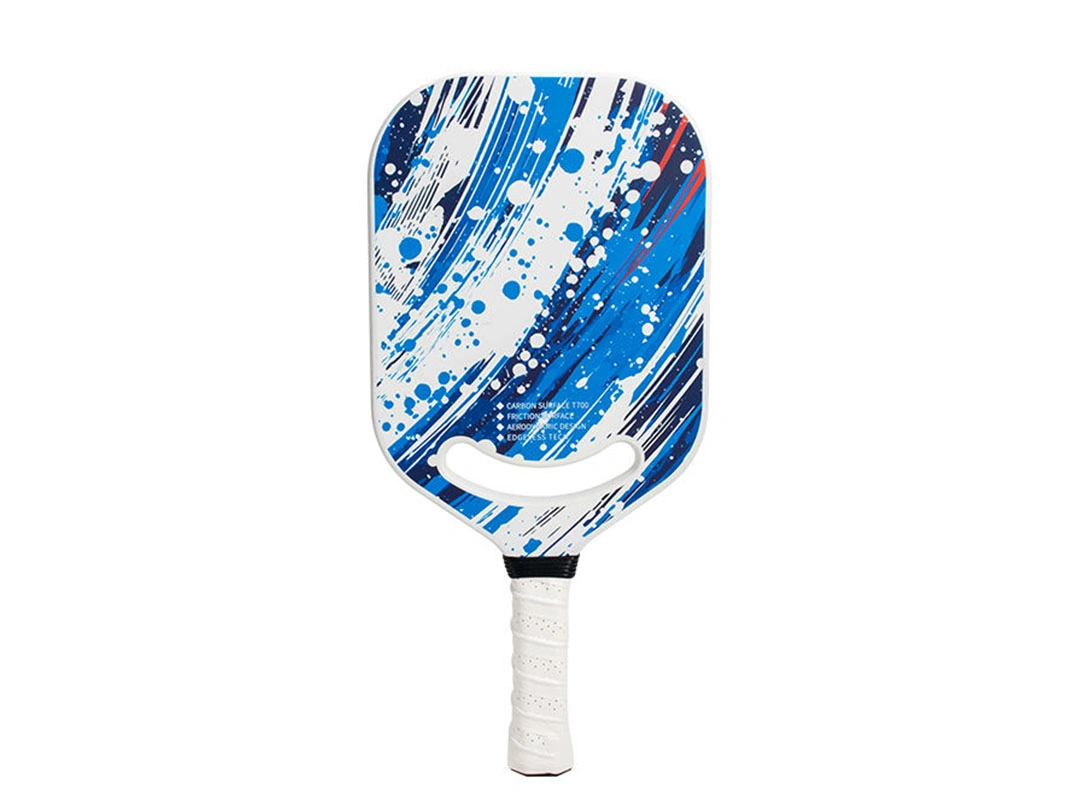
The pickleball equipment market is accelerating at an unprecedented pace, projected to reach $702.9 million by 2025 fueled by over 36.5 million US players. For B2B brand owners, Amazon FBA sellers, and sporting goods wholesalers, staying ahead of paddle technology is no longer optional—it is the baseline for survival.
Since 2024, thermoformed pickleball paddles have captured an estimated 43% of the premium market. Not all thermoformed paddles are created equal. As the industry pushes the boundaries of power and spin, a distinct sweet spot has emerged in the manufacturing landscape: gen 3 pickleball paddles.
Occupying the crucial middle ground between standard entry-level cores and bleeding-edge experimental tech, Gen 3 technology offers the ideal balance of elite performance, reliable manufacturing scalability, and lucrative retail margins.
This guide breaks down exactly what Gen 3 paddle technology is, debunks the industry confusion surrounding the term, and explores how NexaPaddle’s proprietary GEN3 Core 2.0 provides the competitive advantage for brands building power pickleball paddles.
Commercial Implication: Core technology selection sets your retail price ceiling and your return rate. Source Gen 3 and you command $129–$169 price points without absorbing the defect-rate penalties that come with unproven experimental cores.
What Are Gen 3 Pickleball Paddles?
To understand why Gen 3 is the current profit center of B2B paddle manufacturing, buyers must understand the evolution of core technology. The industry standardizes these advancements into “generations.”
The Core Technology Generation Framework
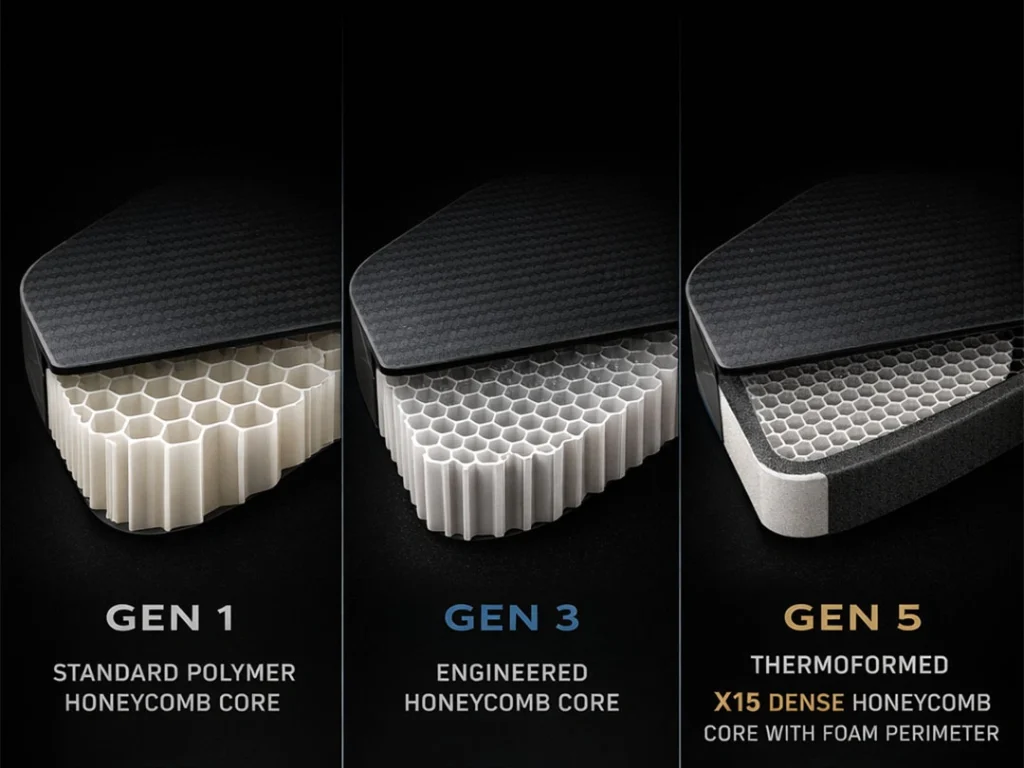
- Gen 1 (Basic Honeycomb): The original standard. Polypropylene (PP) honeycomb cores with large cell geometry (~16–18mm cell width) bonded to fiberglass or standard carbon fiber faces via cold press, using basic heat-activated adhesive films. High durability, limited power output, small sweet spots concentrated at the center of the face. Aimed squarely at the entry-level market.
- Gen 2 (Improved PP, Cold Press): Reduced honeycomb cell geometry (~12–14mm cell width) and upgraded resin systems tightened tolerances, while improved face laminates—including 12K woven carbon and higher-grade fiberglass—increased control and spin potential. Paddles remained cold-press bonded, however, leaving edges prone to delamination and dead spots due to incomplete face-to-core adhesion at the paddle perimeter.
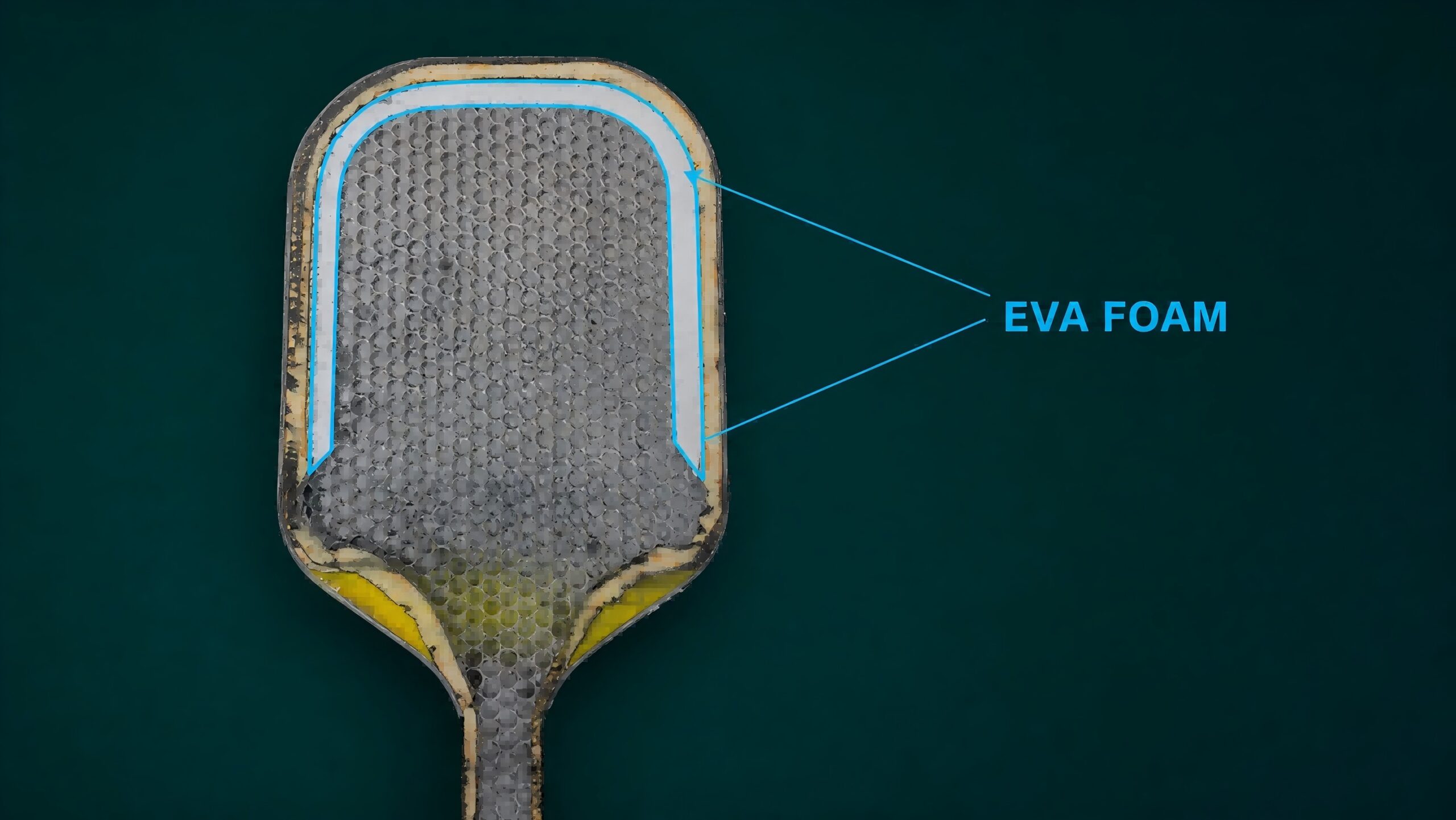
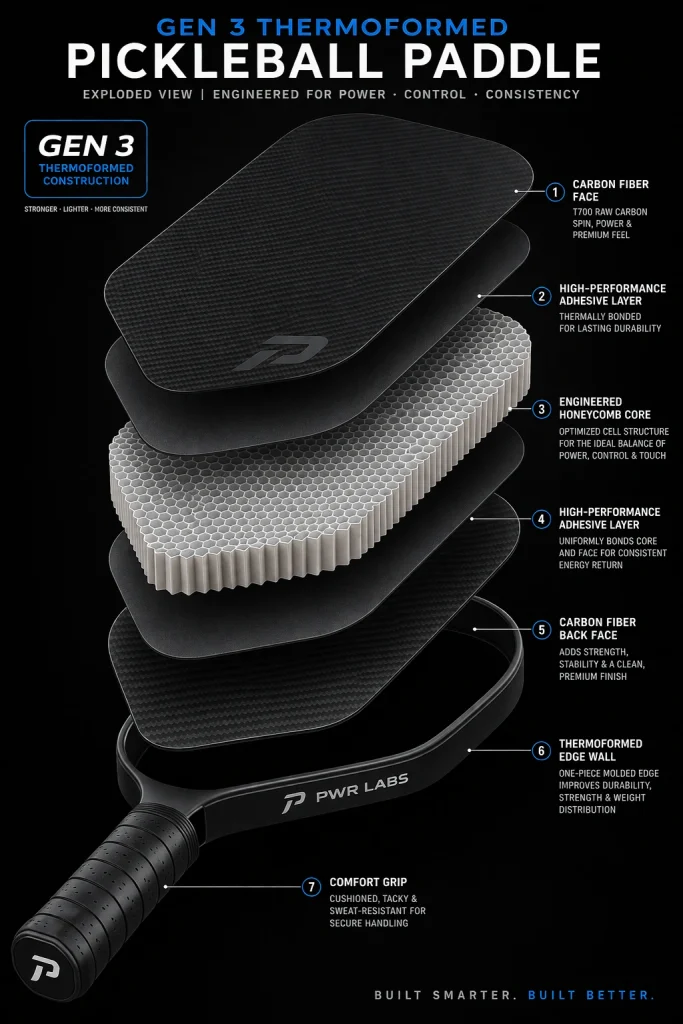
- Gen 3 (Engineered Thermoformed Honeycomb): The current premium standard. Features an engineered PP honeycomb with tighter cell geometry, optimized specifically for the thermal bonding process. The core and face fuse into a single unibody piece, with edges sealed by carbon and foam. This dramatically increases sweet spot size, elasticity, and energy return.
- Gen 4 (EPP/MPP Foam Filled): Uses expanded polypropylene foam to eliminate “core crush” and dampen vibration. For brands targeting arm-care-conscious players, foam core pickleball paddles are the sourcing choice.
- Gen 5 (“Gatling” Polymeric Mesh): Replaces standard honeycomb with a complex polymeric mesh structure for maximum energy return at the absolute outer edge of USAPA limits.
Addressing the “JOOLA Gen 3” Confusion
B2B buyers must separate industry-wide Gen 3 core technology from specific brand product names.
In May 2024, the USAPA de-listed a specific line of JOOLA paddles carrying “Gen 3” product branding, due to violations of the PBCoR (Pickleball Coefficient of Restitution) limit—subsequently tightened to ≤0.43 in November 2025.
This de-listing was specific to JOOLA’s proprietary propulsion core implementation, not the broader category of Gen 3 thermoformed technology. NexaPaddle’s GEN3 Core 2.0 maximizes power and elasticity while remaining strictly compliant with USAPA PBCoR testing protocols. Brands sourcing gen 3 pickleball paddles from NexaPaddle can do so with full regulatory confidence.
Commercial Implication: Use this framework to tier your product line (Good/Better/Best) and include “USAPA-compliant thermoformed Gen 3” in every supplier brief. It is the single fastest way to eliminate compliance-related inventory write-downs before they happen.
NexaPaddle’s GEN3 Core 2.0: The Engineering
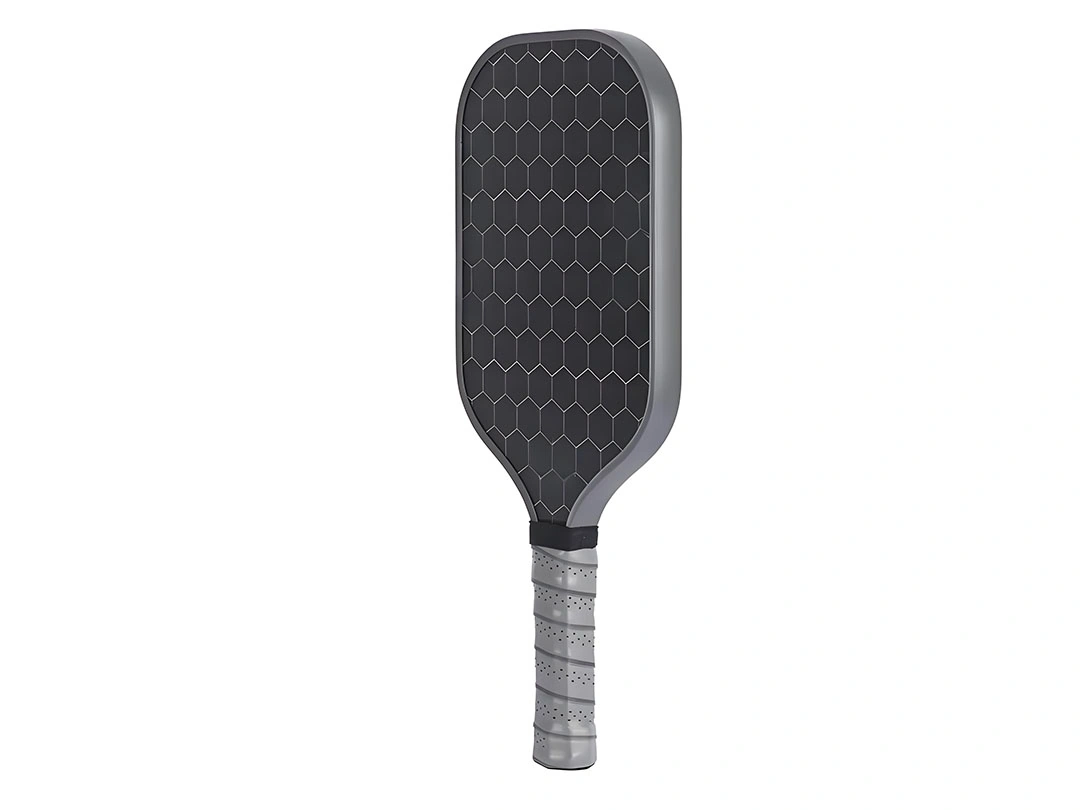
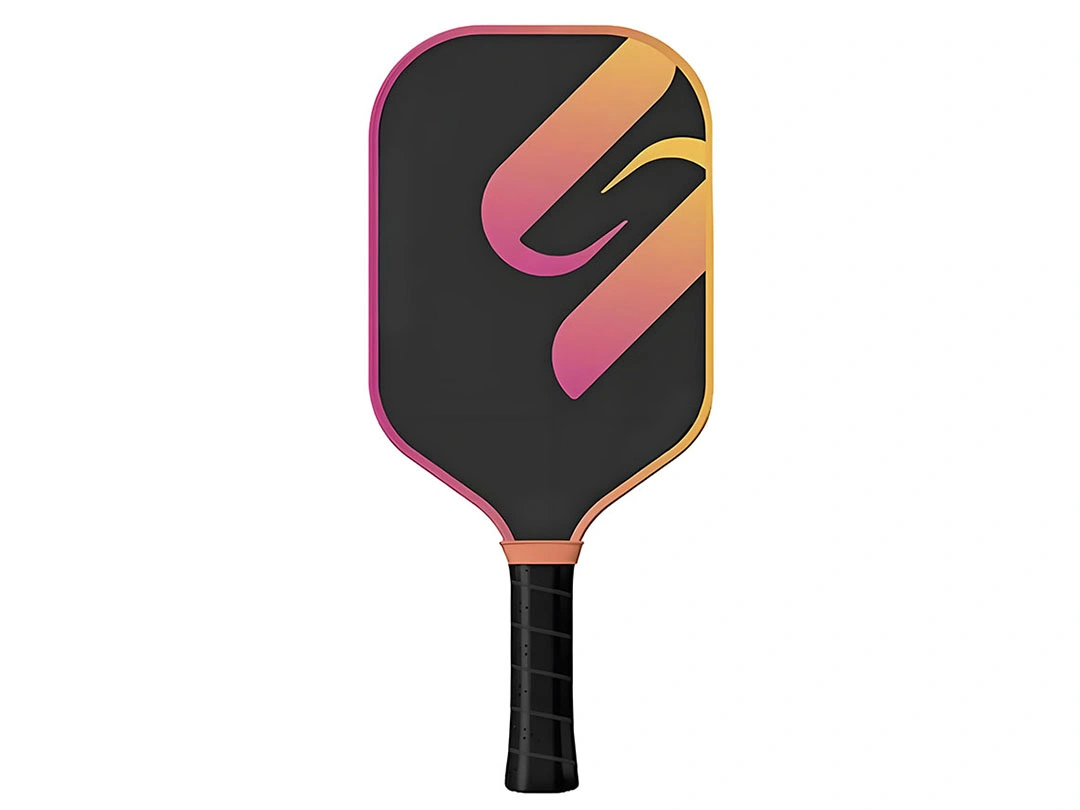
For brands building pro and advanced pickleball paddles targeted at aggressive baseliners and all-court players, NexaPaddle’s GEN3 Core 2.0 is the flagship mid-line offering. Positioned in the “Premium mid-line” tier, this is not a standard honeycomb—it is an advanced polymer matrix engineered for high energy return with repeatable manufacturing quality.
Full Specification Sheet
| Specification | GEN3 Core 2.0 |
|---|---|
| Core Technology | GEN3 Core 2.0 (Proprietary Advanced Polymer Honeycomb) |
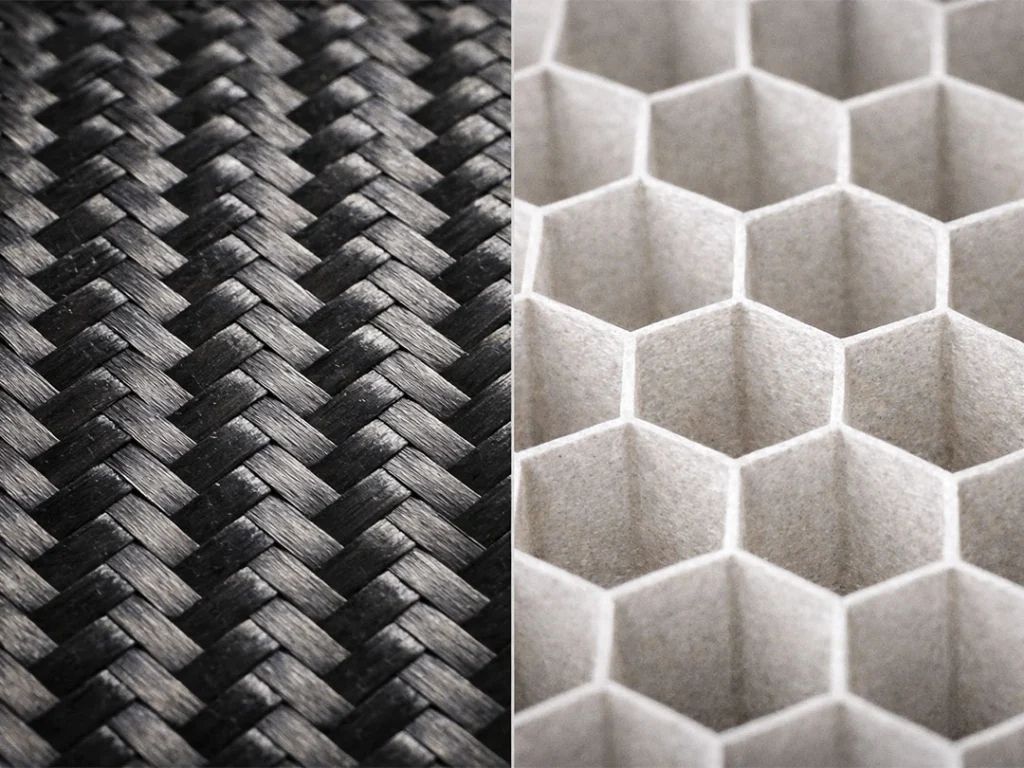
| Face Material | T700 Carbon Fiber |
| Paddle Dimensions | 417 × 188mm (Elongated Power Shape) |
| Handle Length | 149mm (Extended — two-handed backhand compatible) |
| Graphics | Laser Engraving / UV Printing |
| Player Profile | Aggressive baseliners, all-court players |
| Tier | Premium Mid-Line |
1. Enhanced Elasticity and Energy Return
The defining characteristic of the GEN3 Core 2.0 is its elasticity. By optimizing the polymer blend in the honeycomb cell walls, the core compresses slightly on ball impact and rapidly snaps back to its original shape. This controlled “trampoline effect”—kept well within USAPA PBCoR limits—translates to effortless power for the player, enabling deep, penetrating drives from the baseline without requiring maximum swing effort.
2. T700 Carbon Fiber Face: Power With Precision
Power without control is a product liability, not a feature. By pairing the highly elastic GEN3 Core 2.0 with a raw T700 Carbon Fiber face, NexaPaddle achieves superior ball feel and spin generation. Advanced players widely prize carbon fiber pickleball paddles with T700 weave for their gritty, long-lasting surface texture that bites the ball for high RPMs on every shot.
3. The Power Shape: 417 × 188mm
The physical geometry of this paddle is purpose-built for maximum leverage. The elongated 417mm length raises the sweet spot higher on the face, increasing the distance from the hand to the strike zone. A longer lever arm produces higher swing speed and greater kinetic energy transfer at contact—the physics of power in its simplest form.
4. Extended 149mm Handle
Modern pickleball draws heavily from former tennis players who rely on two-handed backhands. The 149mm handle comfortably accommodates two hands, providing the stability and torque required for aggressive roll volleys and heavy baseline drives.
Variation: GEN3 Core + T800 Carbon & Titanium Thread
For brands targeting spin-obsessed players, NexaPaddle offers a complementary variation pairing the standard GEN3 Core with a T800 Carbon + Titanium Thread face. This model measures 413 × 195mm with a 145mm handle, and its gritty matte surface texture delivers absolute maximum spin generation with a wider, more forgiving contact patch.
Commercial Implication: Lead your product listings with these specifications—T700 face, 149mm handle, GEN3 Core 2.0 elasticity—and you give buyers a concrete spec-sheet story that justifies premium retail pricing and outperforms generic private-label alternatives on Amazon search pages.
Why Power Brands Choose Gen 3
From a B2B procurement perspective, the most advanced technology is rarely the most profitable technology. While Gen 5 Gatling mesh represents the engineering frontier, Gen 3 thermoformed cores represent the current profit center of the industry. Brands like Vatic Pro have demonstrated that challenger labels can capture significant market share by offering elite T700 thermoformed paddles in the $80–$130 range, undercutting legacy brands charging $200+.
The Margin Profile Is Exceptional
The economics of sourcing GEN3 Core 2.0 paddles are highly favorable:
| Cost / Revenue Metric | GEN3 Core 2.0 |
|---|---|
| OEM Landed Cost | $32–$42 / unit |
| Target Retail Price | $129–$169 |
| Gross Margin | 55%–65% |
This margin profile provides ample budget for aggressive Amazon PPC campaigns, influencer affiliate payouts, and customer service operations—all while maintaining a healthy bottom line at scale.
Proven Technology Means Low Defect Rates
When thermoforming was first commercialized, the industry saw spikes in “core crush” and delamination failures. GEN3 Core 2.0 benefits from years of manufacturing refinement. Years of process improvement have perfected the bonding method, meaning your brand avoids the high return rates and reputation-damaging Amazon reviews that come with sourcing unproven experimental cores.
Mitigated Regulatory Risk
Gen 4 and Gen 5 paddles push right against the USAPA’s ≤0.43 PBCoR ceiling. This creates a razor-thin manufacturing variance window—a slight batch deviation could result in paddles failing compliance and being pulled from tournament approval lists. GEN3 Core 2.0 delivers serious power while sitting safely within the compliance envelope, virtually eliminating the risk of your inventory being banned from sanctioned play mid-product-cycle.
Commercial Implication: Build your 2025 catalog around GEN3 Core 2.0 as your mid-tier anchor. Its 55–65% gross margin funds PPC spend, influencer seeding, and returns budget—without betting the business on unproven technology.
GEN3 Core 2.0 vs. Other Core Technologies
| Feature / Metric | Gen 2 Standard PP | GEN3 Core 2.0 | Gen 4 EPP Foam | Gen 5 Gatling Mesh |
|---|---|---|---|---|
| Manufacturing Process | Cold Press | Thermoformed Unibody | Thermoformed + Foam Injection | Complex Matrix Molding |
| Target Player Level | Beginner–Intermediate | Advanced / Pro (Power) | Advanced (Control/Arm Care) | Elite Pro (Max Energy) |
| Defect / Risk Profile | Very Low | Low (Proven Tech) | Medium | High (Near USAPA ceiling) |
| OEM Cost / Unit | $15–$25 | $32–$42 | $45–$60 | $65+ |
| Retail Price Range | $40–$90 | $129–$169 | $180–$220 | $250+ |
| Key B2B Advantage | Cheap to produce | Best power-to-margin ratio | Eliminates core crush | Maximum legal energy return |
| Best For (Brand Strategy) | Volume entry / private label brands | Power-focused DTC/FBA brands | Arm-care / comfort-focused brands | Ultra-premium flagship lines |
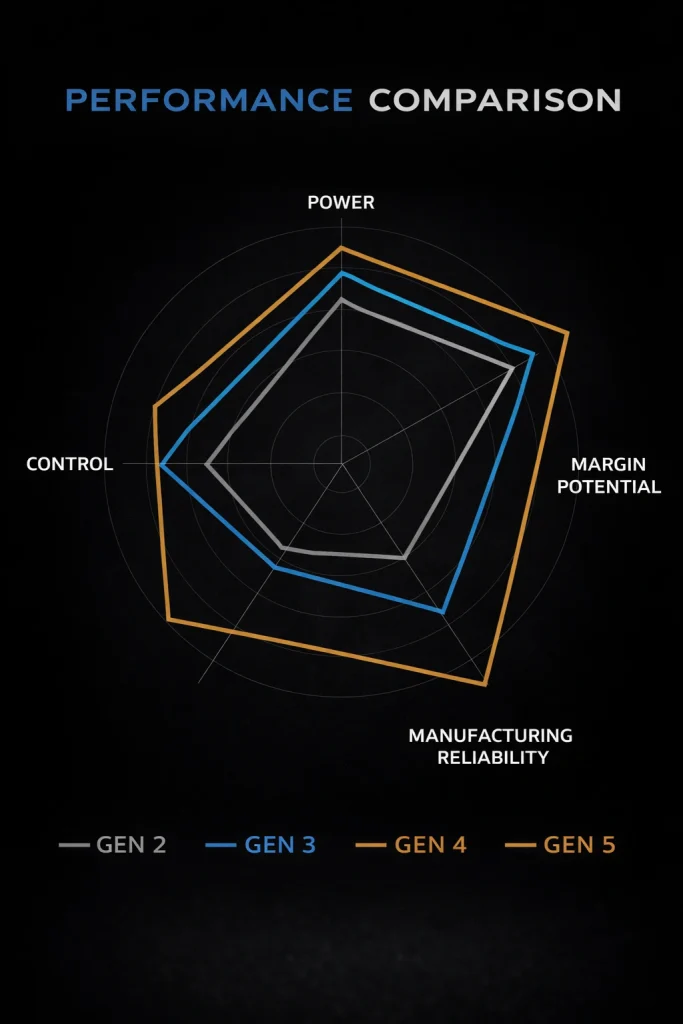
Commercial Implication: Gen 4 and Gen 5 paddles carry higher retail price tags, but elevated OEM costs and defect risks compress realized margins. GEN3 Core 2.0 delivers the highest return on invested inventory dollars—allocate your first SKU budget here.
Sourcing Gen 3 Paddles for Your Brand
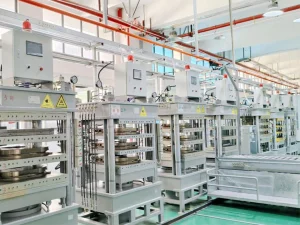
Launching a custom line of GEN3 Core 2.0 paddles is highly accessible for growing brands, provided you partner with a factory capable of precision thermoforming at consistent quality. NexaPaddle streamlines this process for B2B clients from brief to delivery.
Customization Options
Your paddles must stand out on crowded Amazon category pages. NexaPaddle offers comprehensive brand customization:
- Surface Graphics: UV Printing (vibrant, full-color photo-quality designs) or Laser Engraving (sleek, wear-resistant minimalist aesthetic)
- Edge Guards: Custom color-matched to your brand palette
- Grip Tape: Premium PU leather with embossed brand logo
- Retail Packaging: Custom retail boxes, bubble mailers, or premium neoprene paddle covers
Explore all options on the custom pickleball paddles manufacturing page.
MOQ, Timelines, and Compliance Support
| Metric | Details |
|---|---|
| MOQ | 100 pieces (thermoformed Gen 3 paddles) |
| Lead Time | 60–90 days (concept to delivery) |
| Prototype Turnaround | 10–14 days after spec confirmation |
| USAPA Compliance | Factory support for PBCoR certification process |
A low MOQ of 100 pieces allows brands to launch multiple colorways or shapes simultaneously, A/B testing the market to identify winning SKUs before committing to full-scale inventory buys.
Commercial Implication: NexaPaddle’s infrastructure removes the standard barriers to brand launch. Low MOQs, fast prototyping, and built-in compliance guidance cut capital risk for FBA and wholesale buyers—request a spec sheet and start the prototype clock immediately.
Frequently Asked Questions
Is Gen 3 technology banned by the USAPA?
No. “Gen 3” is an industry-wide term for thermoformed engineered honeycomb cores. The May 2024 USAPA de-listing affected a specific proprietary product line from JOOLA that failed its individual PBCoR test—it was not a category-wide ban on Gen 3 thermoformed technology. NexaPaddle’s GEN3 Core 2.0 fully complies with all current USAPA regulations, including the tightened ≤0.43 PBCoR standard.
Can I use a different face material with the GEN3 Core 2.0?
Yes. While T700 Carbon Fiber is the most popular pairing, the GEN3 Core 2.0 pairs with 3K Carbon, 18K Carbon, Kevlar blends, or T800 with Titanium Thread, depending on your target audience’s performance priorities.
What is the practical difference between Gen 3 and Gen 4 for my customers?
Gen 3 delivers a crisp, high-power feel with excellent energy return—ideal for players who prioritize offensive firepower. Gen 4 EPP foam slightly softens that feel in exchange for vibration dampening and zero risk of core crush—better suited for players managing arm injuries or preferring a more controlled dwell on the ball.
How long does it take to receive a custom prototype sample?
Typically 10 to 14 days after technical specs and artwork are confirmed. Samples are recommended before approving any production run.
What certifications does NexaPaddle support for the GEN3 Core 2.0?
NexaPaddle supports the full USAPA equipment approval process, including PBCoR compliance testing and surface roughness assessments. The factory engineering team provides the technical documentation required for submission.
References & Sources
Sports & Fitness Industry Association (SFIA). (2024). Pickleball Participation Report. Available at: sfia.org
USA Pickleball Association (USAPA). (2025). Equipment Standards & Approved Paddle List. Available at: usapickleball.org
Grand View Research / Market Intelligence. (2025). Pickleball Equipment Market Size and Forecast, 2025–2030.
USA Pickleball Association (USAPA). (2024). USAPA Equipment Testing Update — PBCoR Revisions (November 2024). usapickleball.org
Pickleball Central / Independent Market Analysis. (2024). Thermoformed Paddle Market Share Report: Premium Segment Trends.