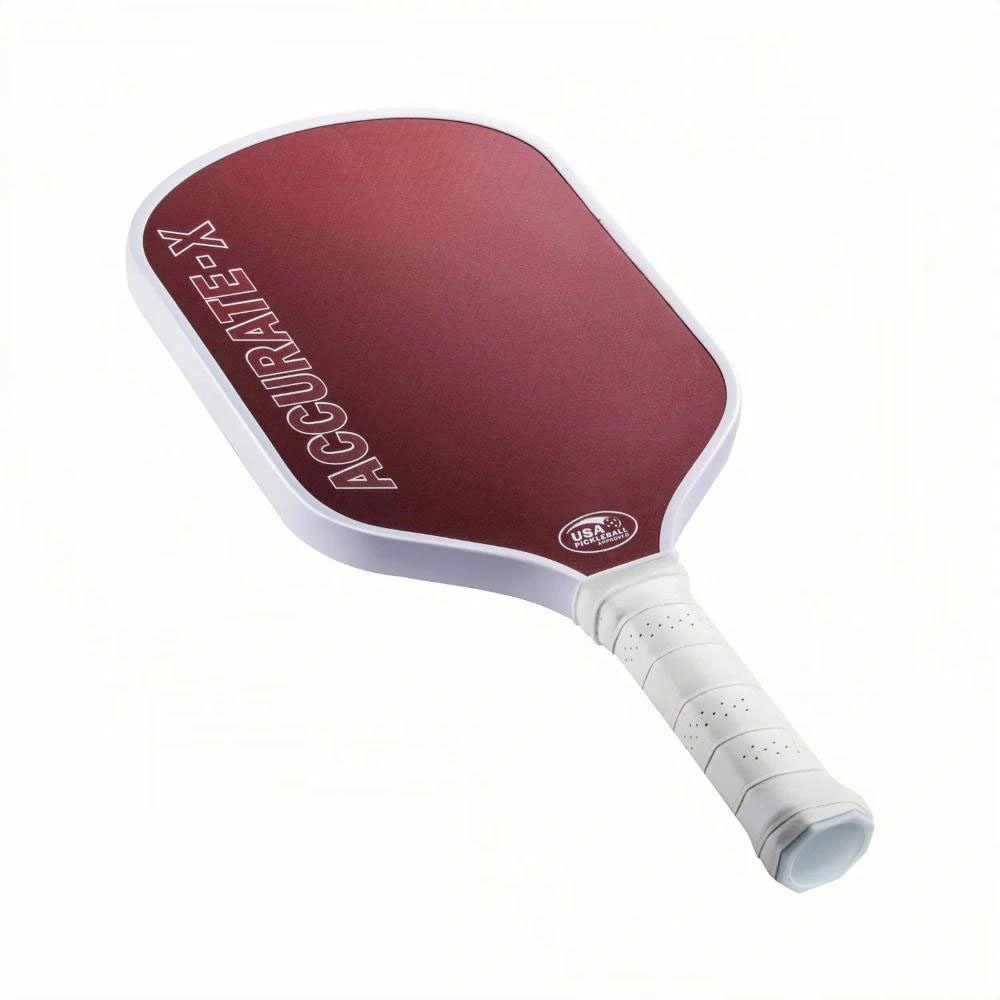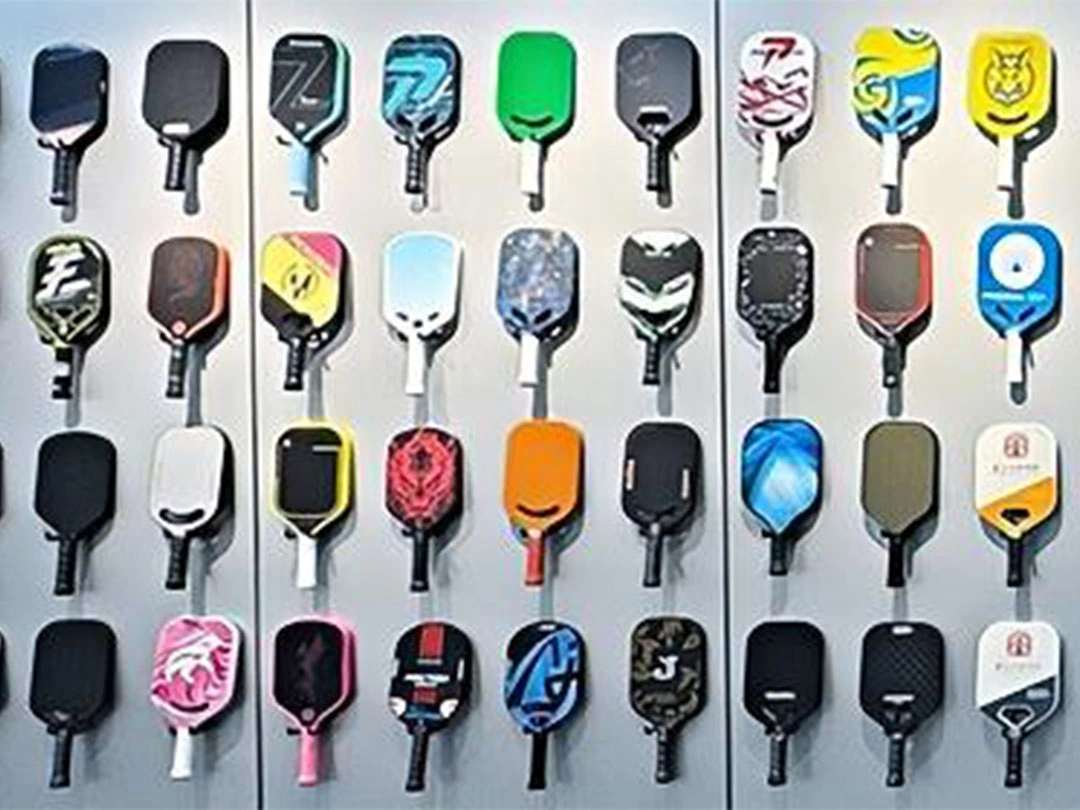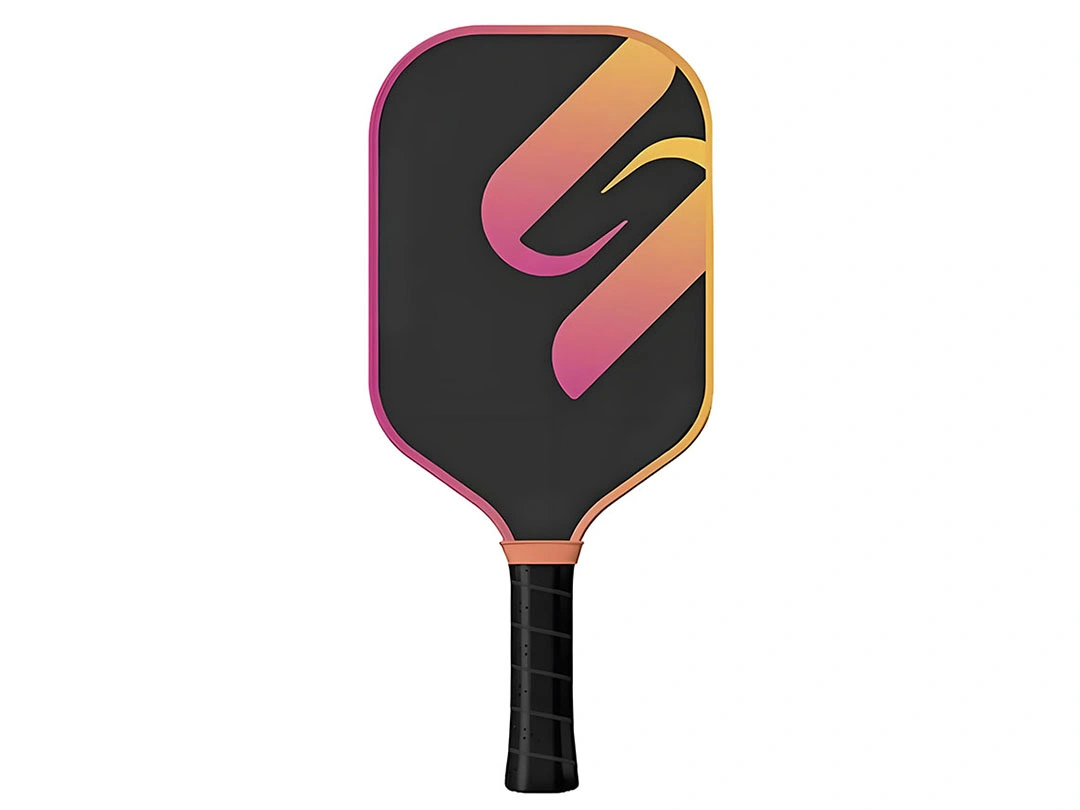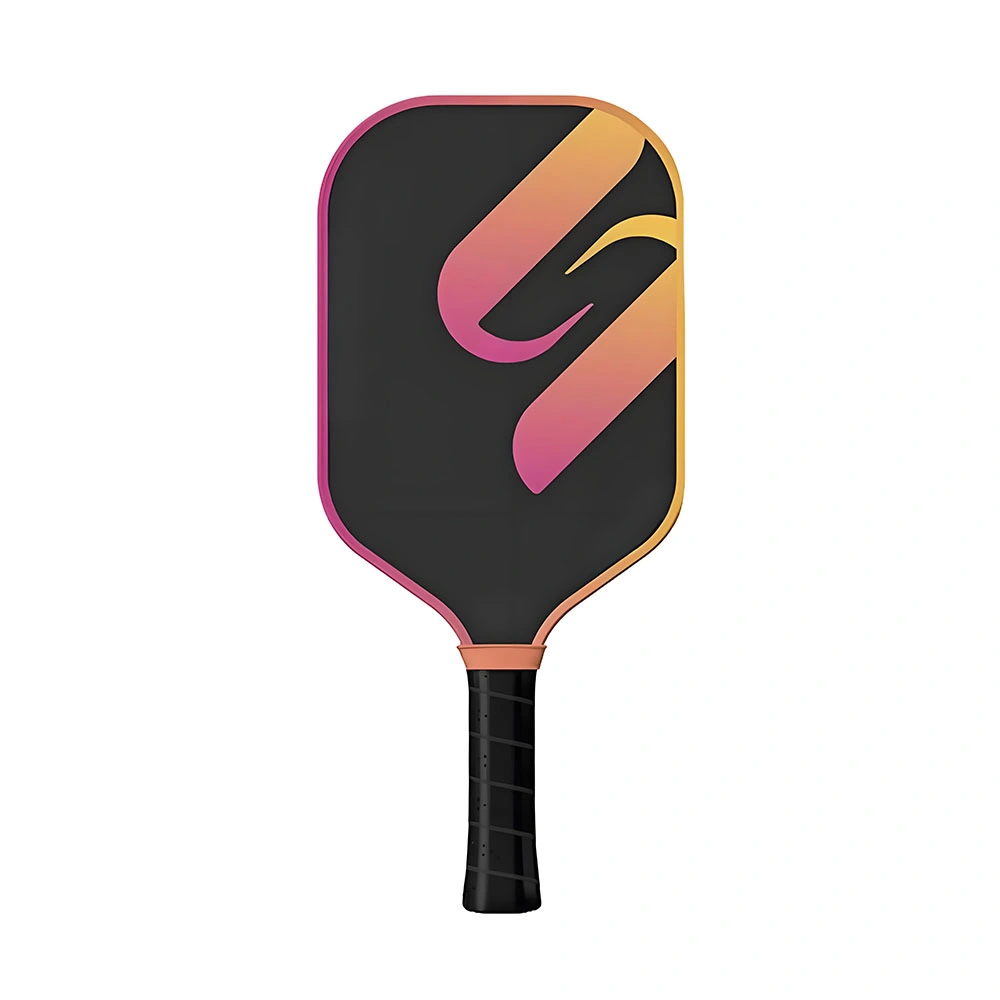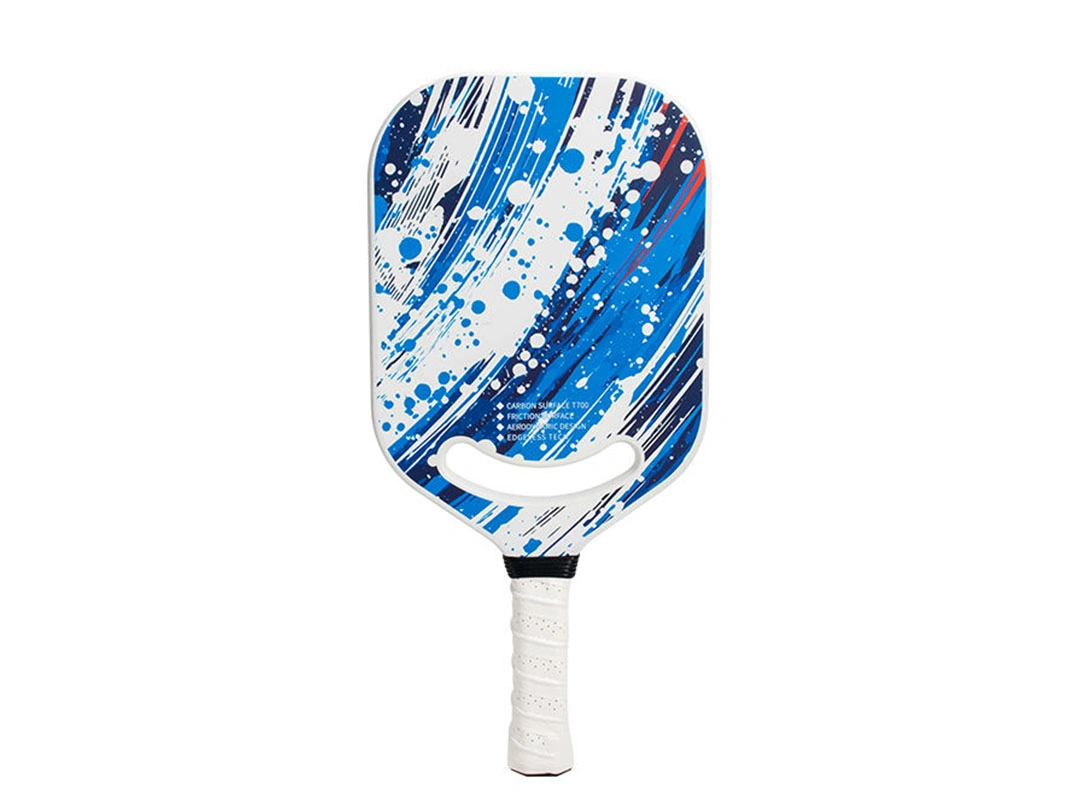
Your beginner paddle is holding you back. If your dinks are floating, your drives lack bite, and your resets feel unpredictable, the problem isn’t your technique—it’s your equipment. Finding the best pickleball paddle for intermediate players means finding the specific technology that sharpens your strengths and covers your weak spots.
The jump from a 2.5 beginner to a 3.0–4.0 DUPR intermediate player is the most exciting phase of pickleball. Shots that once felt impossible become routine—but only with the right tool in your hand. Over 60% of players who hit the courts eight or more times a year upgrade from their starter paddle within the first 12 months. This guide breaks down exactly what that upgrade should look like: why carbon fiber faces outperform fiberglass, how to decide between a 13mm and 16mm core, and which paddle specs will carry your game from club warrior to tournament contender.
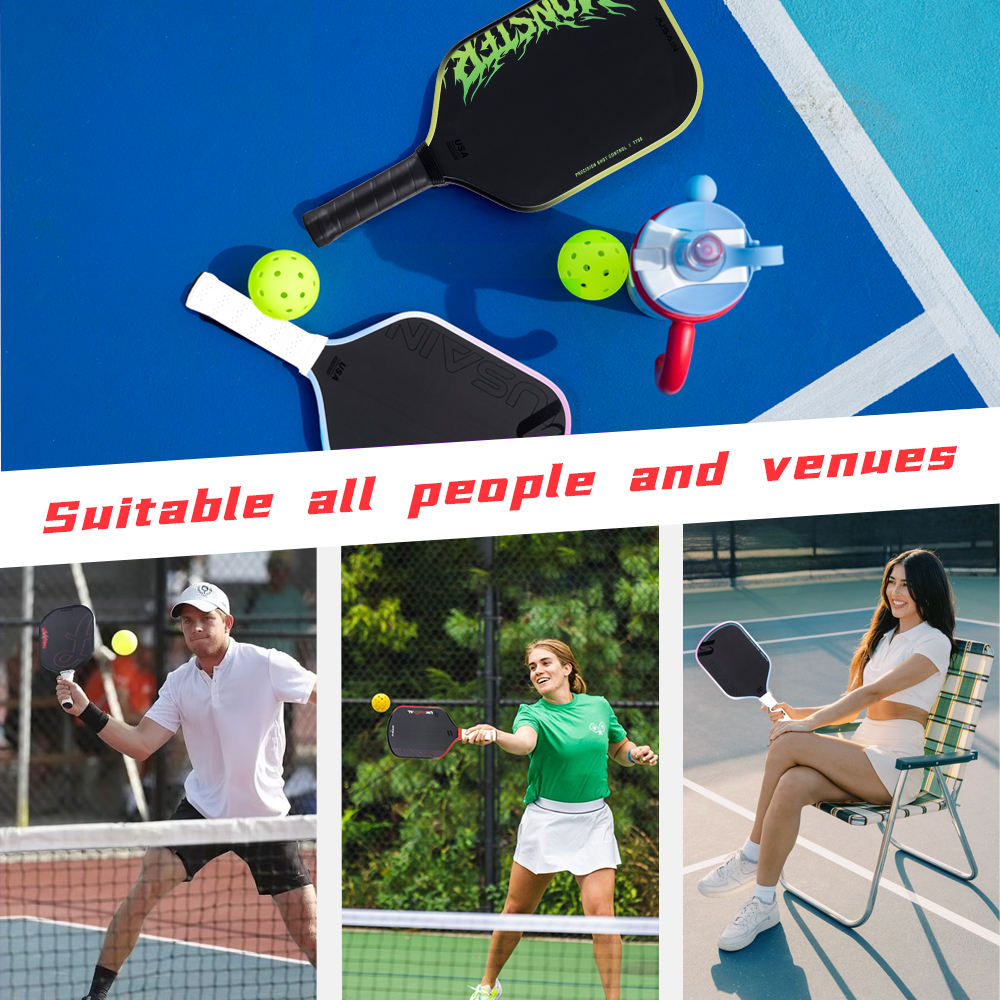
What Separates an Intermediate Pickleball Paddle from a Beginner One
Beginner paddles are built for survival—cheap materials, thin cores, and forgiving (if unpredictable) sweet spots. As you move into intermediate play, precision, spin, and consistency become the metrics that matter. The paddle that got you here will not get you where you’re going.
The pickleball boom has driven this segmentation hard. With 24.3 million Americans playing in 2025—a 171% increase over three years[^1]—roughly 35–40% of consistent players fall into the intermediate category (3.0–4.0 DUPR). That’s approximately 8.5 to 9.7 million players in the US alone, all hunting for gear in the $80–$180 price range. The market responded with a wave of purpose-built intermediate technology. Here is what separates the good from the great.
1. Core Material
The PP (Polypropylene) Honeycomb core is the industry standard from intermediate level upward. High-quality PP honeycomb balances weight, durability, and sound dampening in a way that cheaper polymer blends simply cannot match. It absorbs the shock of hard drives while returning enough energy for aggressive put-aways.
2. Face Material
Beginner paddles lean on fiberglass for its trampoline pop. An intermediate pickleball paddle almost universally upgrades to a carbon fiber face—specifically UD or 3K finishes. That surface texture is the key to generating topspin on drives and backspin on dinks, two skills that define the 3.5+ game.
3. Weight Distribution
Intermediate players typically land in the midweight range: 7.6–8.3 oz. Heavy enough for stability and plow-through on blocks; light enough for fast hands in kitchen firefights. It is the Goldilocks zone, and most quality intermediate paddles are engineered to hit it consistently.
4. Shape Options
Beginners default to wide-body shapes for maximum hitting area. Intermediate players start experimenting. A 400×195mm control shape offers a balanced sweet spot and maneuverability; a 417×188mm elongated power shape adds reach and leverage for two-handed backhands and baseline drives. Both have a place depending on your game style.
The 13mm vs. 16mm Core Decision
No spec question comes up more often at the intermediate level than this one: 13mm or 16mm? Core thickness fundamentally changes how the ball reacts off the face, making it the single most important decision in your paddle selection.
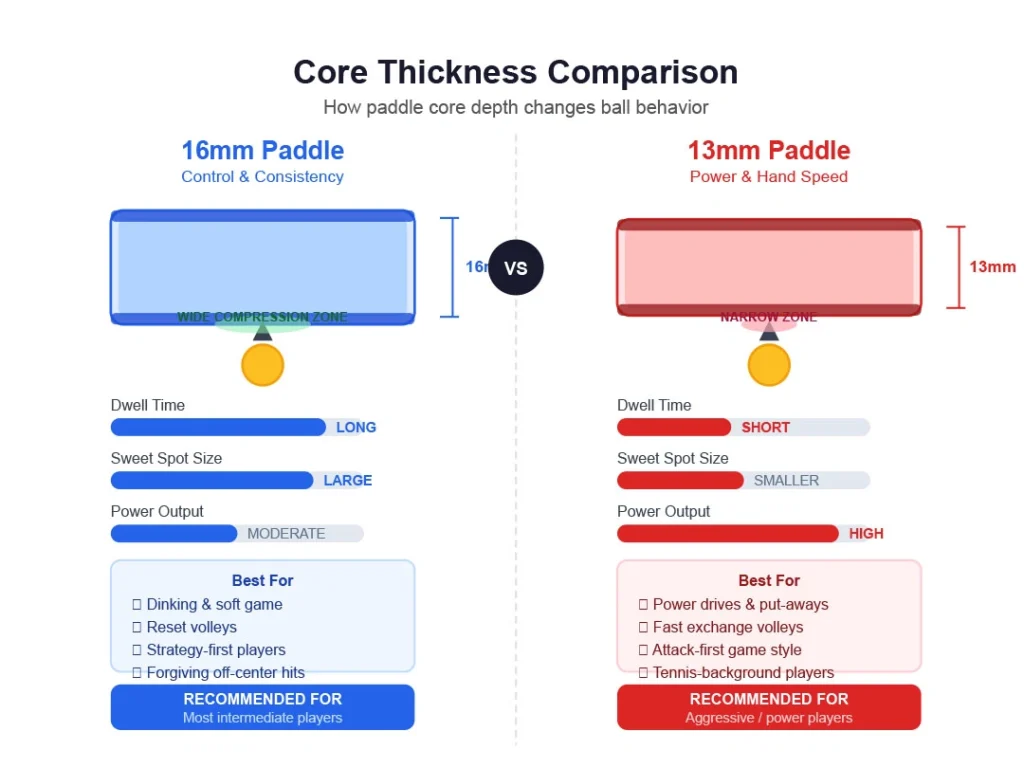
16mm Pickleball Paddles: Control and Consistency
For the majority of intermediate players, a 16mm pickleball paddle is the right call. The thicker core acts as a dampener, absorbing incoming energy and extending dwell time—the fraction of a second the ball stays on the face. More dwell time means more control.
The practical result: sharper dinks, cleaner reset volleys, and a noticeably larger effective sweet spot. Off-center hits become forgiving rather than punishing. If your game is built on strategy, placement, and keeping unforced errors low, the 16mm core accelerates your development faster than anything else.
13mm Pickleball Paddles: Power and Hand Speed
A 13mm pickleball paddle sacrifices control for pop. The thinner core transfers energy back into the ball almost instantly, producing faster drives and explosive put-aways. The reduced material also lowers swing weight slightly, making the paddle more aerodynamic and snappier during rapid exchange volleys.
The trade-off is real, though. The sweet spot shrinks, and touch shots—third-shot drops, angle dinks, soft hands resets—demand considerably better technique to execute consistently. The 13mm core suits players with a strong tennis background who naturally generate their own spin and prefer an aggressive, attack-first game style.
Why Carbon Fiber Is the Intermediate Standard
Walk through any paddle comparison at the 3.5+ level and you will find one consistent theme: carbon fiber faces dominate. There are three primary face materials in the market—wood (obsolete), fiberglass, and carbon fiber. For intermediate players, the choice is really between the last two.
Fiberglass has genuine strengths. It is flexible, generates easy trampoline power, and keeps costs down. Players who struggle to hit the ball deep will find ファイバーグラス複合材のピクルボールパドル forgiving. But its lack of surface texture makes high-level spin nearly impossible, and its extreme pop creates inconsistency at the kitchen line—exactly where intermediate rallies are won and lost.
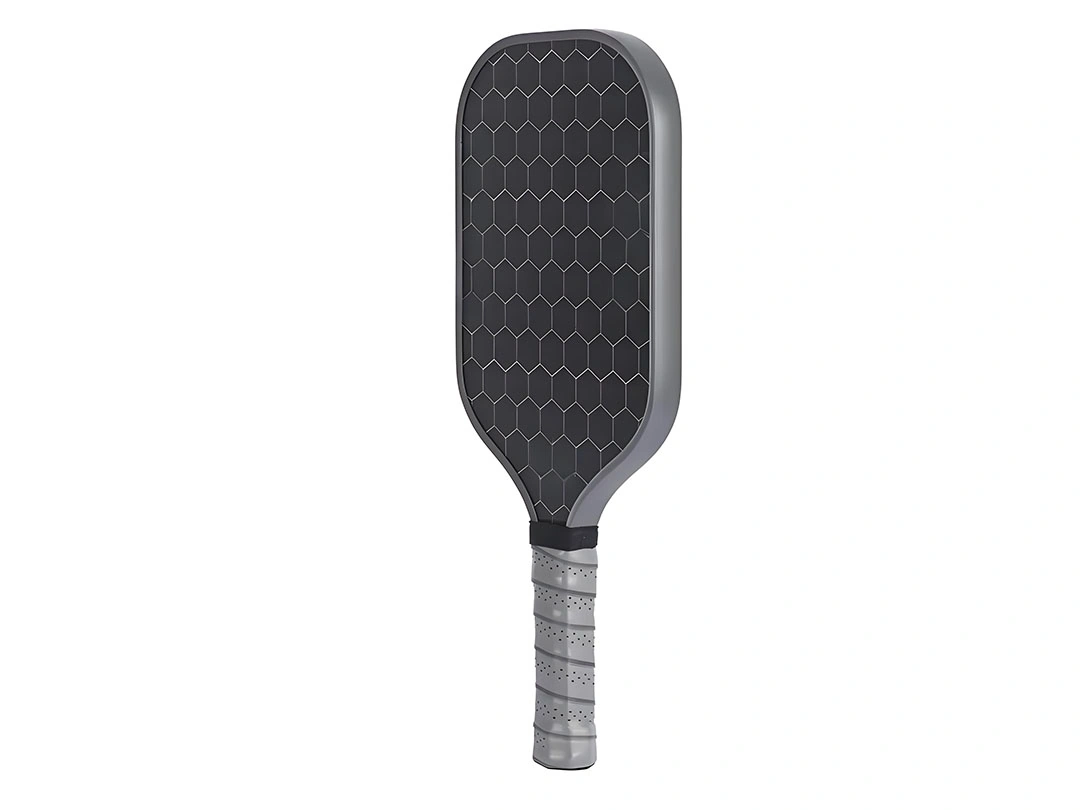
Carbon fiber pickleball paddles solve both problems. The stiffer structure distributes energy more evenly across the face, creating predictable compression against the PP honeycomb core. More critically, the natural weave of UD or 3K carbon fiber grips the plastic pickleball with far more friction than fiberglass. That friction is what unlocks aggressive dipping drives and heavily sliced returns that land in bounds instead of sailing long.
Brands like Vatic Pro, Six Zero, and Ronbus brought T700 raw carbon paddles into the mid-price range, while legacy names like JOOLA and Selkirk reinforced carbon fiber’s dominance from above. The result: carbon fiber is now the mandatory standard for anyone serious about breaking into the 3.5+ DUPR range.
NexaPaddle Cold Press Carbon Fiber Paddle: Full Spec Breakdown
For players and brands seeking premium performance without the premium price ceiling, the NexaPaddle Cold Press Carbon Fiber Paddle is purpose-built for the intermediate market. It combines verified materials with precise manufacturing controls to deliver consistent performance across every unit.
| 特長 | 仕様 | プレイヤーの特典 |
|---|---|---|
| フェイス材質 | カーボンファイバー (UDまたは3K仕上げ) | 最大スピングリップ、高強度対重量比、硬く制御された感触 |
| コア素材 | PPハニカム | 業界標準の衝撃吸収、一定のエネルギー返還 |
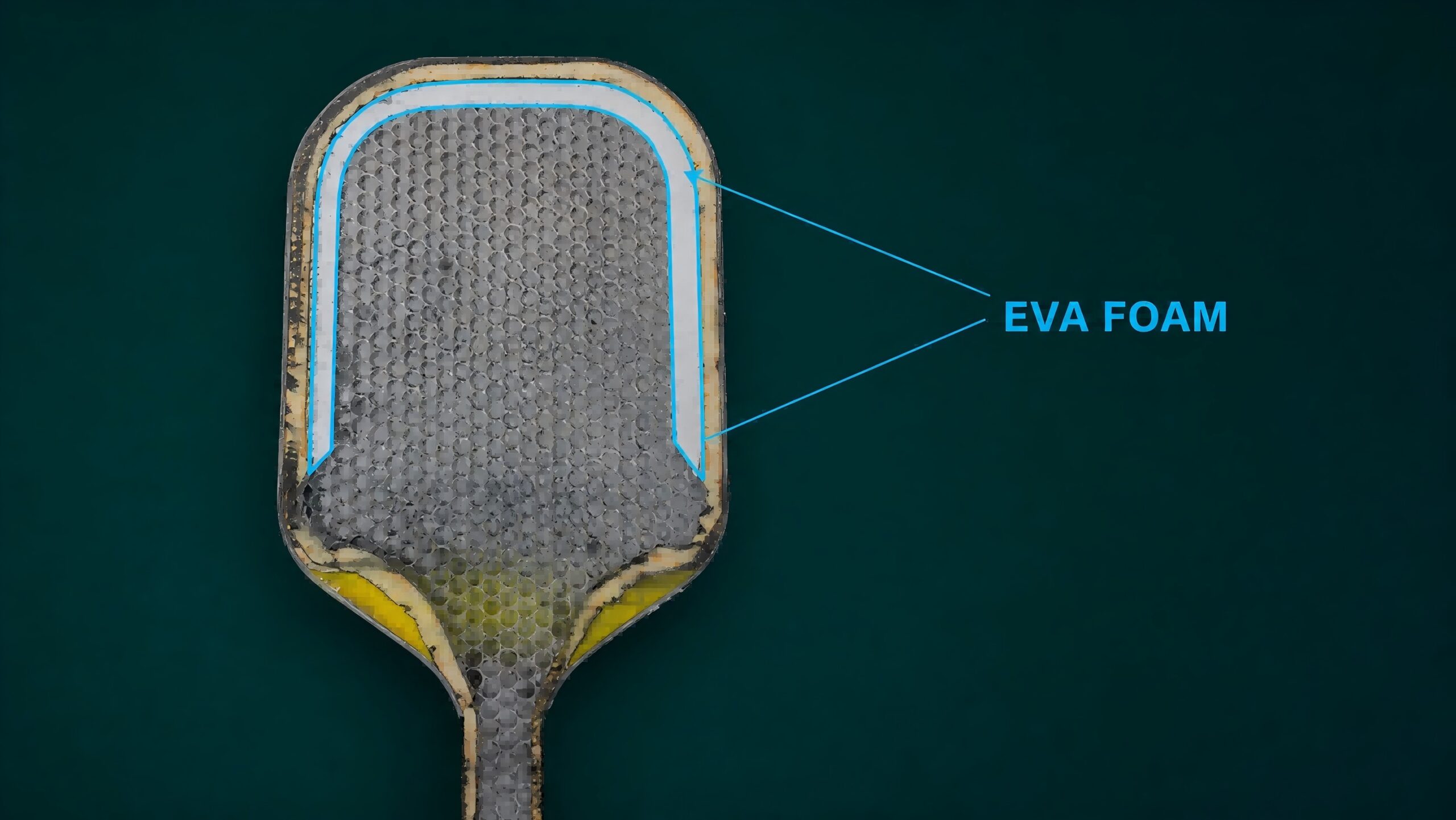
| エッジガード | TPUエッジガード | トップヘビーな重さを追加することなくコートのスクレープ保護 |
| グラフィックス | UV印刷 | 鮮明でカスタマイズ可能な美学、色あせず鈍くならないフェイスグリット |
| 厚さオプション | 13mmまたは16mm | パワー (13mm) またはコントロール (16mm)、プレイスタイルに合わせて |
| 重量範囲 | 210–235g (7.4–8.3 oz) | 安定性と手のスピードのためのミッドウェイトスイートスポット |
| 寸法 | 400×195mm または 417×188mm | コントロール (標準) またはパワー (細長い) 形状オプション |
| ハンドルの長さ | 130mmまたは139mm | 標準の片手グリップまたは拡張された二手バックハンドサポート |
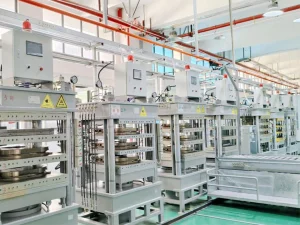
コールドプレス製造プロセスは、過剰な樹脂飽和なしでカーボンフェイスをハニカムコアに結合します。これは安価なパドルを死なせ、スイートスポットを狭める隠れた欠陥です。その結果、より速いパワー転送、より均一なエネルギー分配、大きな効果的スイートスポットが得られ、ラリー後ラリーの耐久性が保たれます。
週末トーナメントのために自分を整える場合でも、高品質の 中級ピクルボールパドル 小売のために入手する場合でも、このモデルは、$80〜$180範囲内の他の建設方法では匹敵できないコスト対パフォーマンス比に到達します。
アップグレードパス:コールドプレスからサーモフォーム
コールドプレスカーボンパドルは、インターメディエイトゲームとアッパーインターメディエイトゲームを包括的にカバーしています。しかし、プレイヤーが上級の領域 (4.5+ DUPR) に進むと、優先事項は変わります。パワーの上限が重要になります。構造的堅牢性が競技の差別化要素になります。
次のステップは、NexaPaddleサーモフォームドモールド #2です。14mmおよび16mmの厚さで利用可能で、カーボンUDまたは3KフェイスとPPハニカムコアを400×195mmプラットフォームに140mmハンドルで搭載しています。このパドルは、完全に密閉されたユニボディのサーモフォーム製法を使用しています。このプロセスでは、高温高圧下でカーボンファイバーとコア材が一緒に焼かれ、コールドプレスには再現できない単一の堅固な構造を作り出します。パワー出力が向上します。感触がより硬く、より攻撃的になります。まさに5.0を追求するトーナメントプレイヤーが求めるものです。
コールドプレスからの明確な進行状況をマッピングすることは、プレイヤーがあなたの製品ラインを決して使い切ることがないことを意味します。彼らのスキルが向上し、彼らの装備もそれに伴います。 熱成形ピクルボールパドル means players never outgrow your product line. Their skills scale; their equipment scales with them.
ブランドと小売業者のために:中級市場での勝利
ピクルボールブームはプレイヤーの物語だけではありません。それは今、レクリエーションスポーツにおける最も重要な小売機会の一つです。このスペースに入ったり、拡大したりするブランドのためにボリュームがどこにあるかを理解することは重要です。
$250以上のツアーレベルのパドルがSNSで注目を集めています。$80~$180の中級パドルこそが実際の unitsが動くところです。このバイヤーは情報を持っています。彼らはカーボンファイバーのフェイスが欲しいと知っています。彼らはPPハニカムコアが欲しいと知っています。彼らは支出する準備ができています—信頼できるブランドと、理にかなった価格帯が必要なだけです。
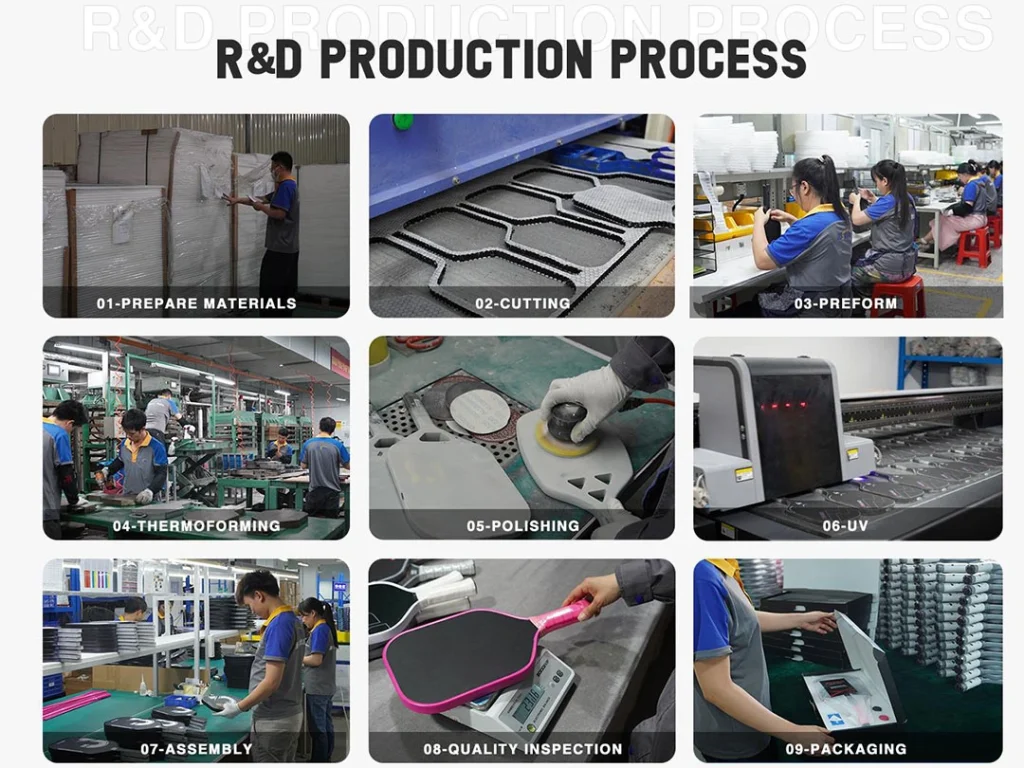
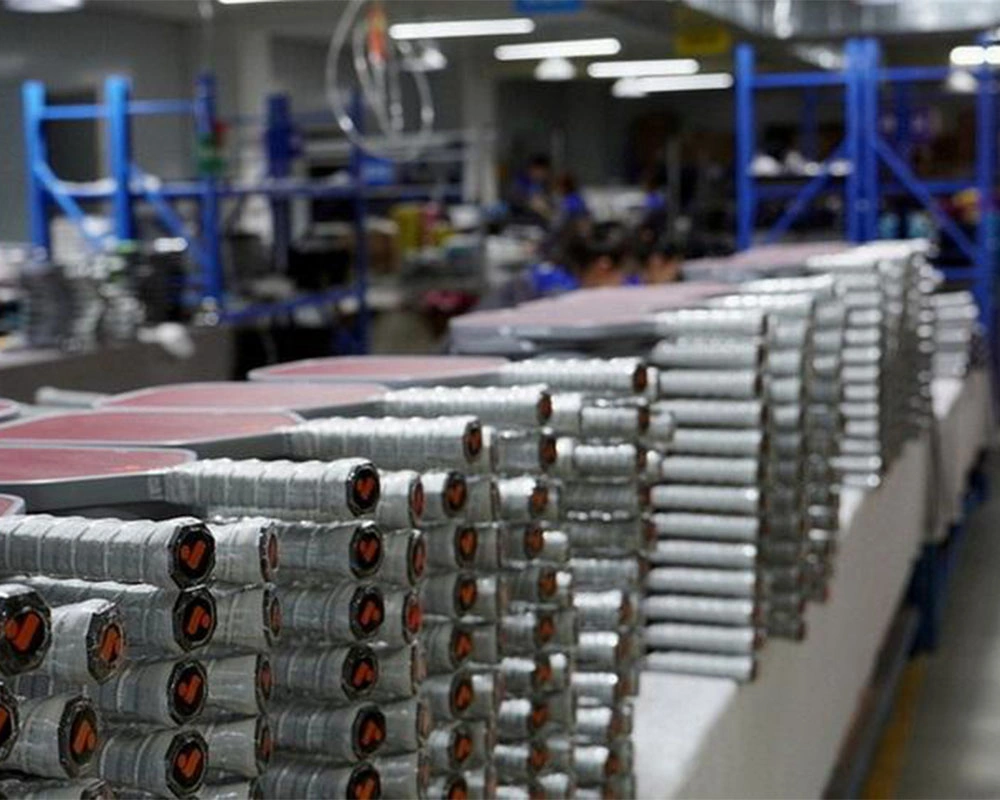
確立された OEMカーボンファイバーピクルボールパドル工場 NexaPaddleのような
300個の最小発注数で、ブランド、プロショップ、スポーツ用品小売業者は、完全にカスタマイズされたUV印刷のパドルを立ち上げることができます—特定の厚さ、カーボン仕上げ、ハンドルの長さ、エッジガードの色—大量生産の最小限度にコミットすることなく。
あなたがブランドを持ちます。私たちは斜めと9.7ミリオンの中級プレーヤーが積極的に探している仕様を提供します。現在の市場で、本当に難しい利幅の可能性が$80~$180の価格帯にあります。
バイヤーチェックリスト:適切な中級パドルを選ぶ方法
- アップグレードの準備はできましたか?購入前にこのチェックリストを確認してください。 コア素材:
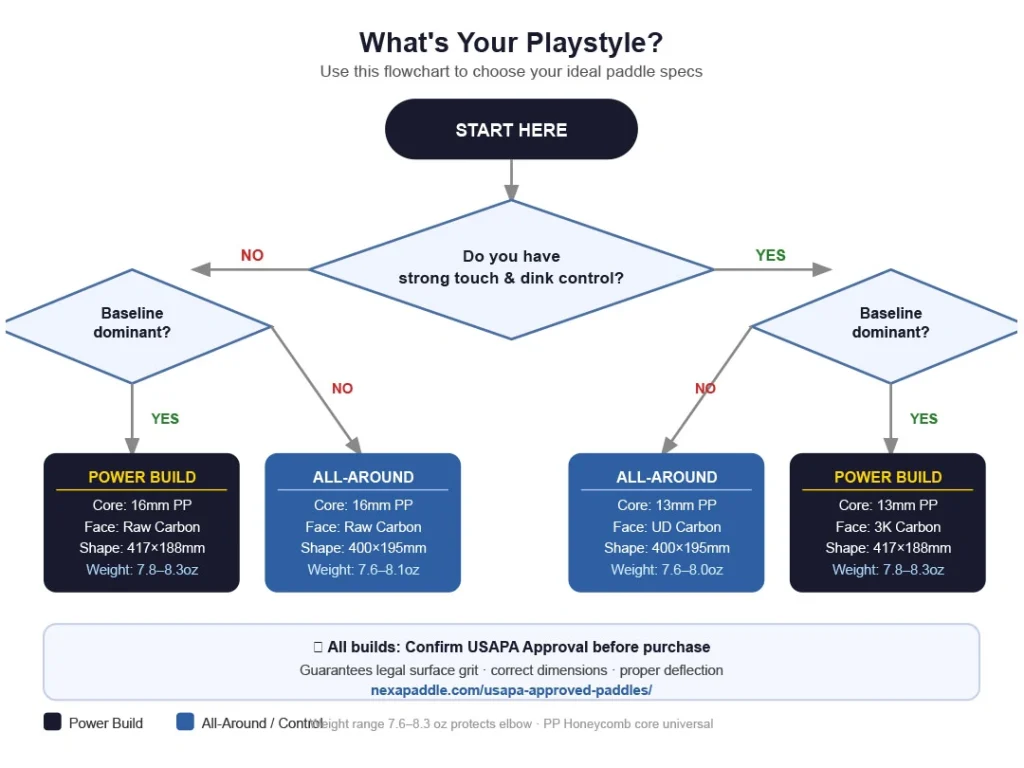
- PPハニカムを確認してください。安価なポリマーやアルミニウムコアは拒否してください—彼らは中級レベルでの感触と耐久性の両方を損ないます。 コントロール、ディンキングの改善、優しいスイートスポットのために16mmを選択してください。すでに強いタッチを持ち、爆発的なドライブパワーを追加したい場合は、13mmを選択してください。
- フェイス素材: カーボンファイバーにアップグレードしてください。スピンポテンシャルを最大化するために、特に生のカーボン、UD、または3K仕上げを探してください。
- 重量: 7.6–8.3 oz (215–235g)をターゲットにしてください。この範囲は、疲労から肘を保護し、ハードブロックとリセットに必要な安定性を維持します。
- 形状: オールラウンドプレイ用に400×195mm(コントロール)を選択するか、ベースライン優位および二手バックハンドスタイル用に417×188mm(パワー)を選択してください。
- トーナメントの合法性: 常に購入していることを確認してください USAPA承認パドル。レクリエーションプレイでも、USAPA認証があれば、パドルが表面のグリット、寸法、反発の厳しい基準を満たしていることが保証されます。これは、一貫した合法的なパフォーマンスの保証です。
よくある質問
Should I use a 13mm or 16mm paddle as an intermediate player?
For most intermediate players, a 16mm paddle is the stronger choice. The thicker core delivers a larger sweet spot, absorbs pace from hard-hitting opponents, and builds the control needed for reliable dinking and drop-shot execution. Go 13mm only if you already have excellent touch and want to unlock more aggressive power from your drives.
Is carbon fiber better than fiberglass for intermediate pickleball?
Yes—significantly better. Fiberglass generates easy power through its flexible, trampoline-like flex, but it lacks the friction needed for heavy topspin and becomes inconsistent at the kitchen line. Carbon fiber’s stiffer structure and textured weave let you generate spin, place the ball with precision, and control soft shots under pressure. At the intermediate level, that difference is decisive.
How much should an intermediate player spend on a pickleball paddle?
The high-performance sweet spot is $80–$180. In this range, you get premium materials: T700 raw carbon fiber faces, PP honeycomb cores, and TPU edge guards. Spending above $200 typically means entering thermoformed advanced-paddle territory. Spending below $60 usually means accepting compromises on face material or core quality that will cap your development.
Are NexaPaddle cold press carbon fiber paddles USAPA approved?
Yes. NexaPaddle manufactures all paddles to meet USA Pickleball (USAPA) standards for surface roughness, size limits, and deflection. When sourcing for retail or personal use, specific models can be confirmed for sanctioned tournament eligibility.
Can I get NexaPaddle paddles with custom branding for my brand or pro shop?
Absolutely. NexaPaddle specializes in OEM manufacturing with an MOQ of just 300 pieces for Cold Press Carbon Fiber models. Brands, retailers, and pro shops can fully customize UV-printed graphics, edge guard colors, handle grips, and packaging to build a proprietary product line targeting the intermediate market segment.
情報源
スポーツ & フィットネス産業協会 (SFIA)、“2025年度 トップライン 参加報告 — ピクルボール。” 2025年に公開。
ネクサパドル内部商品知識ベース — 商品カタログ仕様、プレーヤー推奨ガイド、製造データ(2026年3月)。
USAピクルボール、“USAPA機器基準&テストプロトコル。”