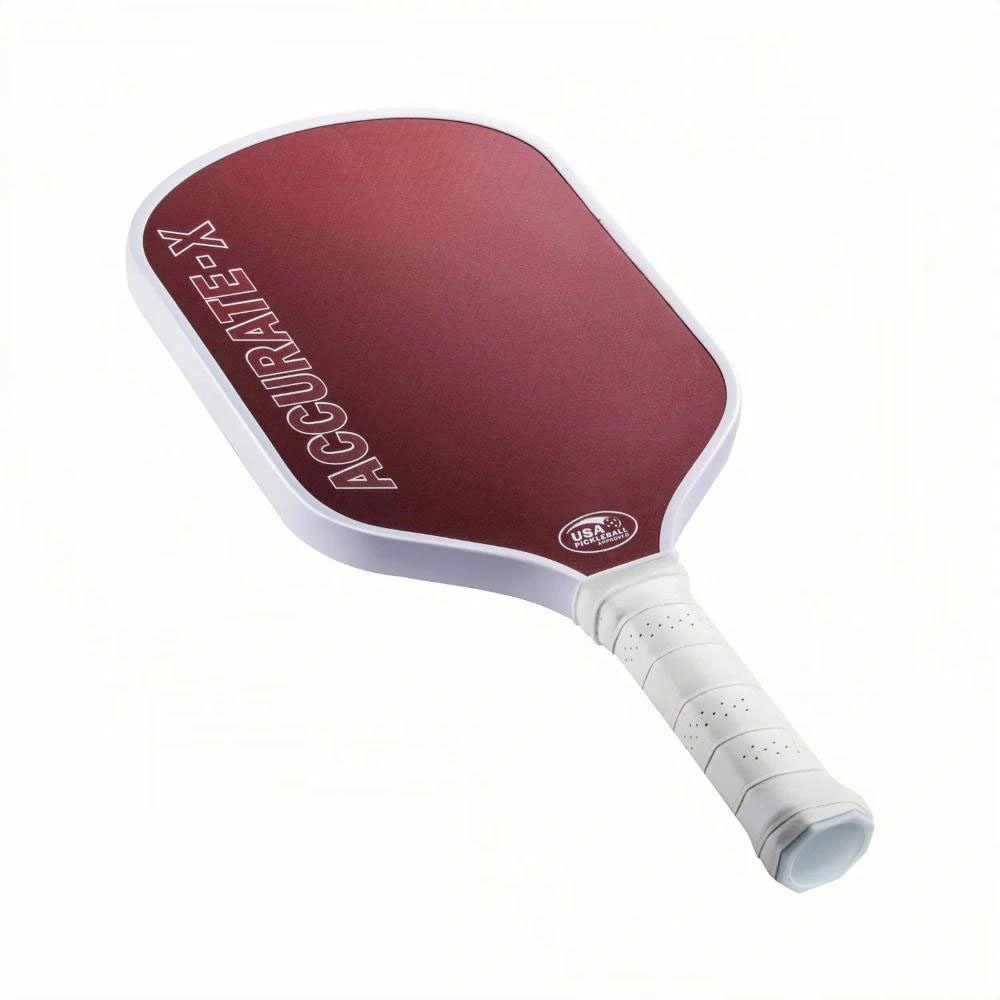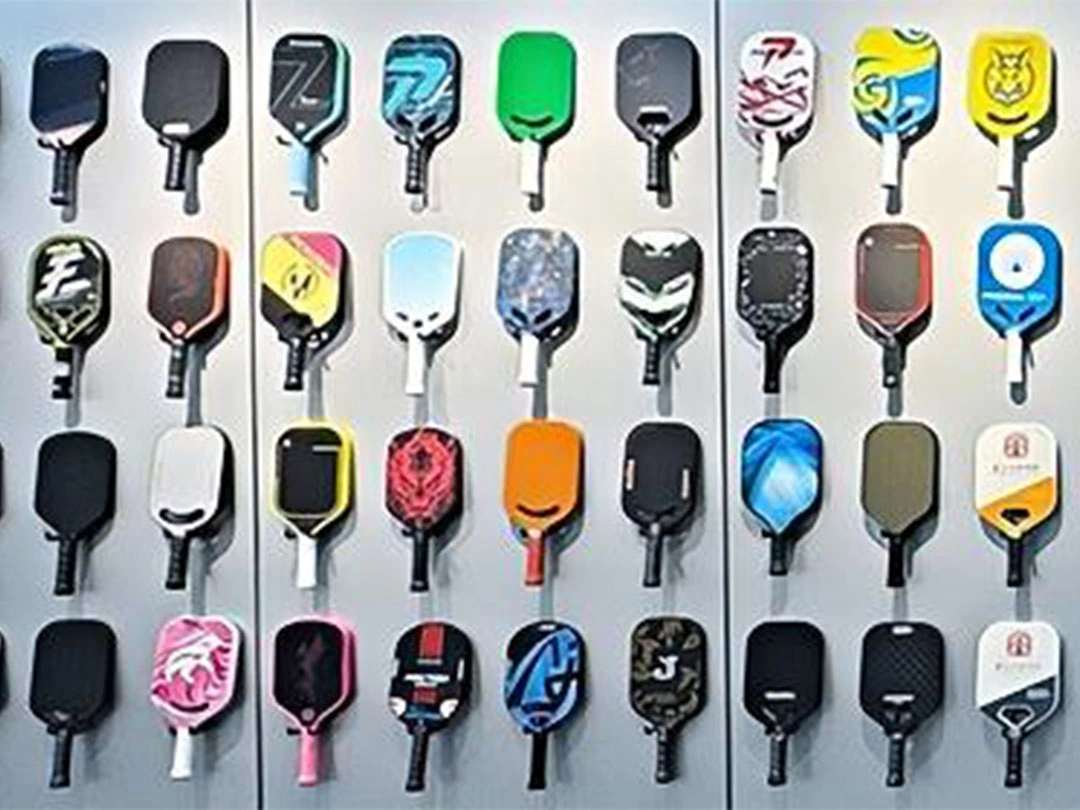
Your beginner paddle is holding you back. If your dinks are floating, your drives lack bite, and your resets feel unpredictable, the problem isn’t your technique—it’s your equipment. Finding the best pickleball paddle for intermediate players means finding the specific technology that sharpens your strengths and covers your weak spots.
The jump from a 2.5 beginner to a 3.0–4.0 DUPR intermediate player is the most exciting phase of pickleball. Shots that once felt impossible become routine—but only with the right tool in your hand. Over 60% of players who hit the courts eight or more times a year upgrade from their starter paddle within the first 12 months. This guide breaks down exactly what that upgrade should look like: why carbon fiber faces outperform fiberglass, how to decide between a 13mm and 16mm core, and which paddle specs will carry your game from club warrior to tournament contender.
What Separates an Intermediate Pickleball Paddle from a Beginner One
Beginner paddles are built for survival—cheap materials, thin cores, and forgiving (if unpredictable) sweet spots. As you move into intermediate play, precision, spin, and consistency become the metrics that matter. The paddle that got you here will not get you where you’re going.
The pickleball boom has driven this segmentation hard. With 24.3 million Americans playing in 2025—a 171% increase over three years[^1]—roughly 35–40% of consistent players fall into the intermediate category (3.0–4.0 DUPR). That’s approximately 8.5 to 9.7 million players in the US alone, all hunting for gear in the $80–$180 price range. The market responded with a wave of purpose-built intermediate technology. Here is what separates the good from the great.
1. Core Material
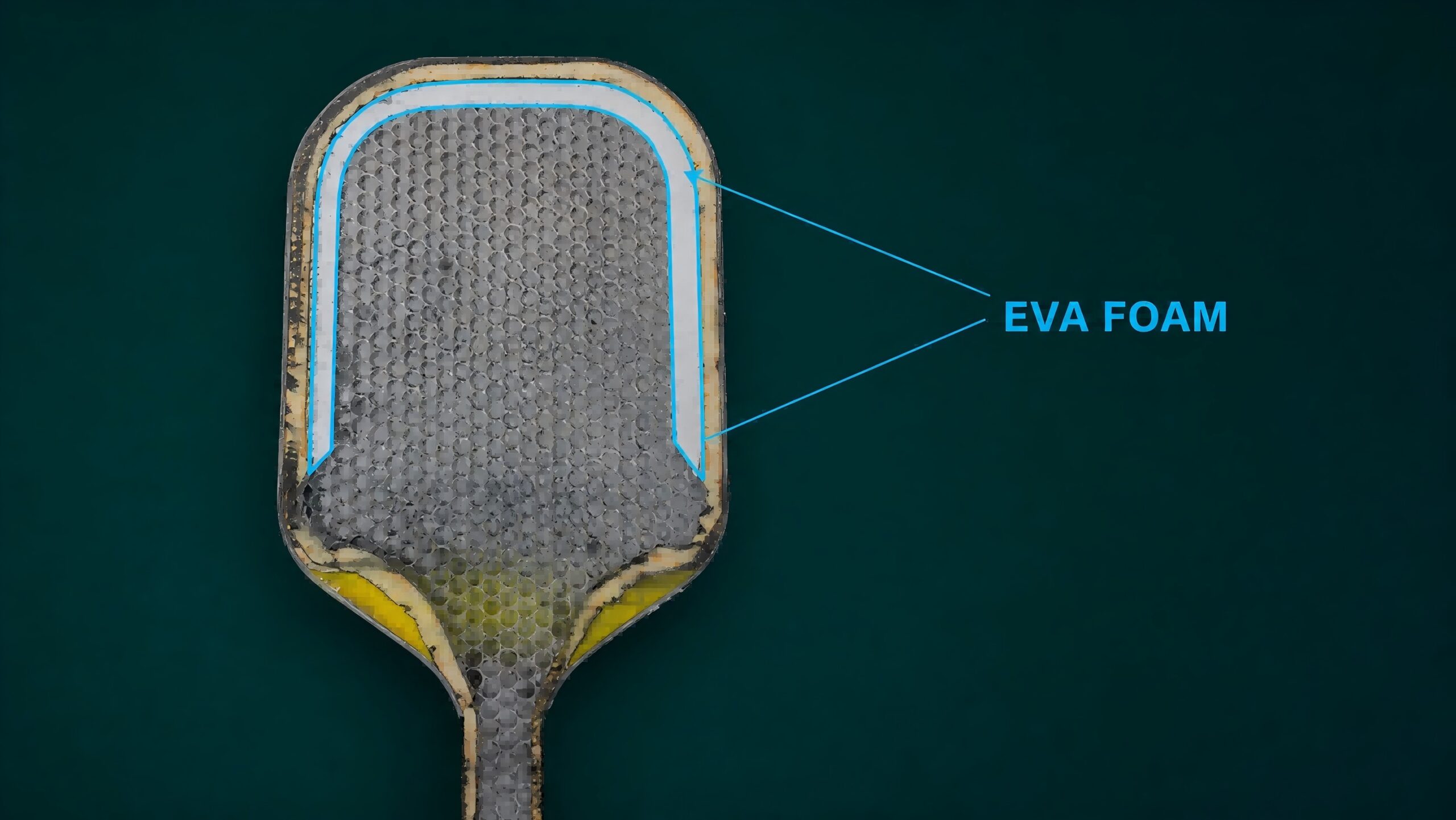
The PP (Polypropylene) Honeycomb core is the industry standard from intermediate level upward. High-quality PP honeycomb balances weight, durability, and sound dampening in a way that cheaper polymer blends simply cannot match. It absorbs the shock of hard drives while returning enough energy for aggressive put-aways.
2. Face Material
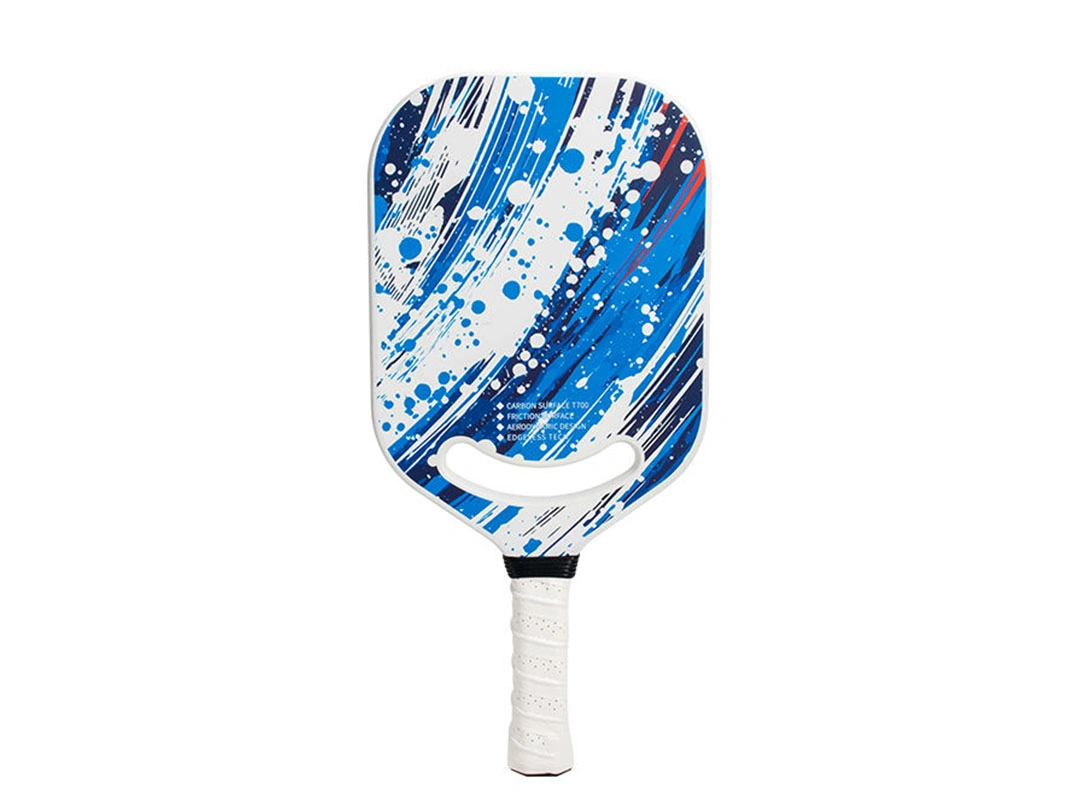
Beginner paddles lean on fiberglass for its trampoline pop. An intermediate pickleball paddle almost universally upgrades to a carbon fiber face—specifically UD or 3K finishes. That surface texture is the key to generating topspin on drives and backspin on dinks, two skills that define the 3.5+ game.
3. Weight Distribution
Intermediate players typically land in the midweight range: 7.6–8.3 oz. Heavy enough for stability and plow-through on blocks; light enough for fast hands in kitchen firefights. It is the Goldilocks zone, and most quality intermediate paddles are engineered to hit it consistently.
4. Shape Options
Beginners default to wide-body shapes for maximum hitting area. Intermediate players start experimenting. A 400×195mm control shape offers a balanced sweet spot and maneuverability; a 417×188mm elongated power shape adds reach and leverage for two-handed backhands and baseline drives. Both have a place depending on your game style.
The 13mm vs. 16mm Core Decision
No spec question comes up more often at the intermediate level than this one: 13mm or 16mm? Core thickness fundamentally changes how the ball reacts off the face, making it the single most important decision in your paddle selection.
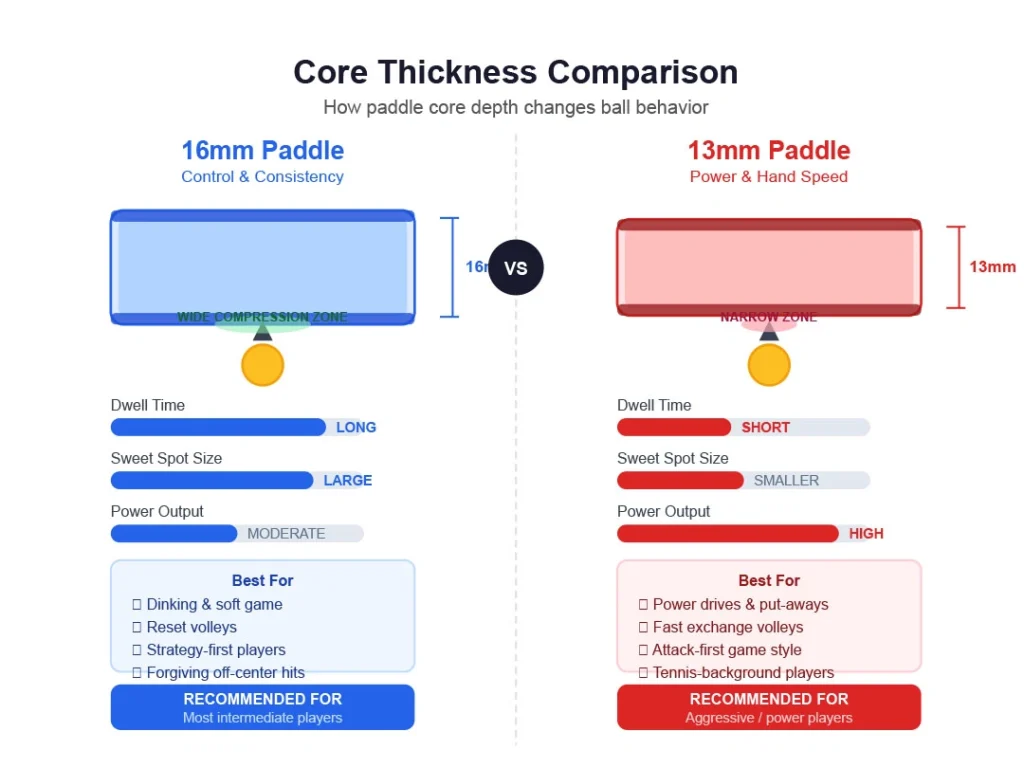
16mm Pickleball Paddles: Control and Consistency
For the majority of intermediate players, a 16mm pickleball paddle is the right call. The thicker core acts as a dampener, absorbing incoming energy and extending dwell time—the fraction of a second the ball stays on the face. More dwell time means more control.
The practical result: sharper dinks, cleaner reset volleys, and a noticeably larger effective sweet spot. Off-center hits become forgiving rather than punishing. If your game is built on strategy, placement, and keeping unforced errors low, the 16mm core accelerates your development faster than anything else.
13mm Pickleball Paddles: Power and Hand Speed
A 13mm pickleball paddle sacrifices control for pop. The thinner core transfers energy back into the ball almost instantly, producing faster drives and explosive put-aways. The reduced material also lowers swing weight slightly, making the paddle more aerodynamic and snappier during rapid exchange volleys.
The trade-off is real, though. The sweet spot shrinks, and touch shots—third-shot drops, angle dinks, soft hands resets—demand considerably better technique to execute consistently. The 13mm core suits players with a strong tennis background who naturally generate their own spin and prefer an aggressive, attack-first game style.
Why Carbon Fiber Is the Intermediate Standard
Walk through any paddle comparison at the 3.5+ level and you will find one consistent theme: carbon fiber faces dominate. There are three primary face materials in the market—wood (obsolete), fiberglass, and carbon fiber. For intermediate players, the choice is really between the last two.
Fiberglass has genuine strengths. It is flexible, generates easy trampoline power, and keeps costs down. Players who struggle to hit the ball deep will find fiberglass composite pickleball paddles forgiving. But its lack of surface texture makes high-level spin nearly impossible, and its extreme pop creates inconsistency at the kitchen line—exactly where intermediate rallies are won and lost.
Carbon fiber pickleball paddles solve both problems. The stiffer structure distributes energy more evenly across the face, creating predictable compression against the PP honeycomb core. More critically, the natural weave of UD or 3K carbon fiber grips the plastic pickleball with far more friction than fiberglass. That friction is what unlocks aggressive dipping drives and heavily sliced returns that land in bounds instead of sailing long.
Brands like Vatic Pro, Six Zero, and Ronbus brought T700 raw carbon paddles into the mid-price range, while legacy names like JOOLA and Selkirk reinforced carbon fiber’s dominance from above. The result: carbon fiber is now the mandatory standard for anyone serious about breaking into the 3.5+ DUPR range.
NexaPaddle Cold Press Carbon Fiber Paddle: Full Spec Breakdown
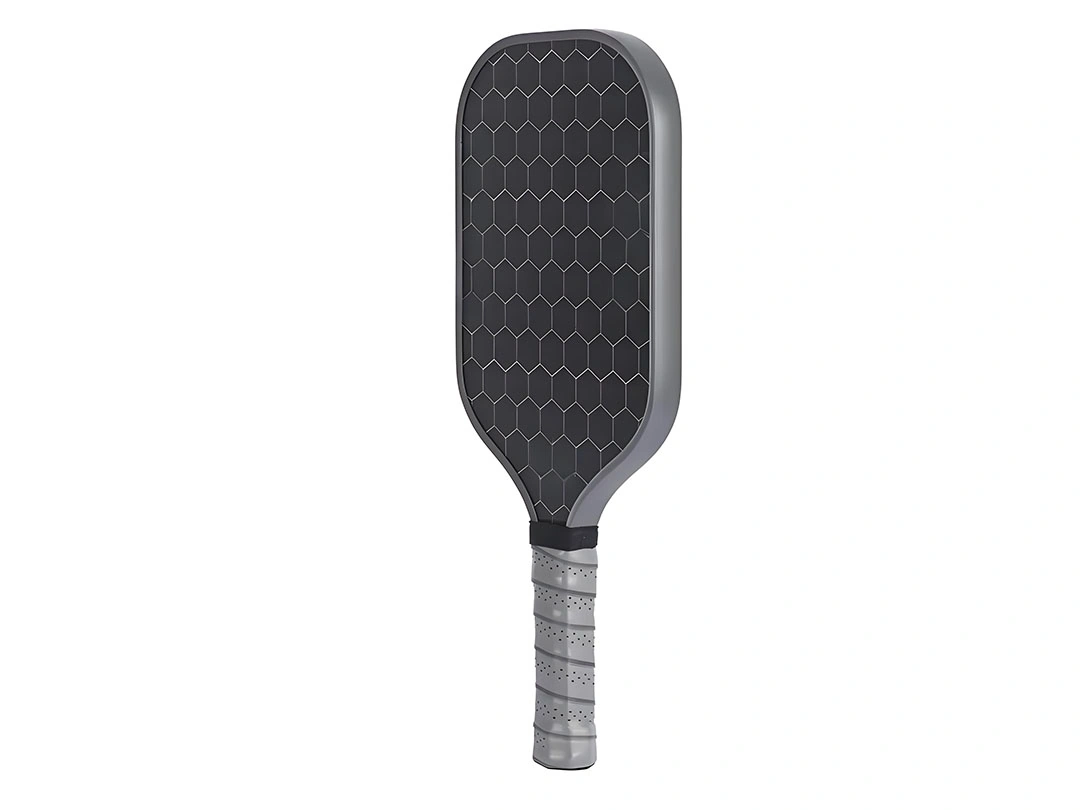
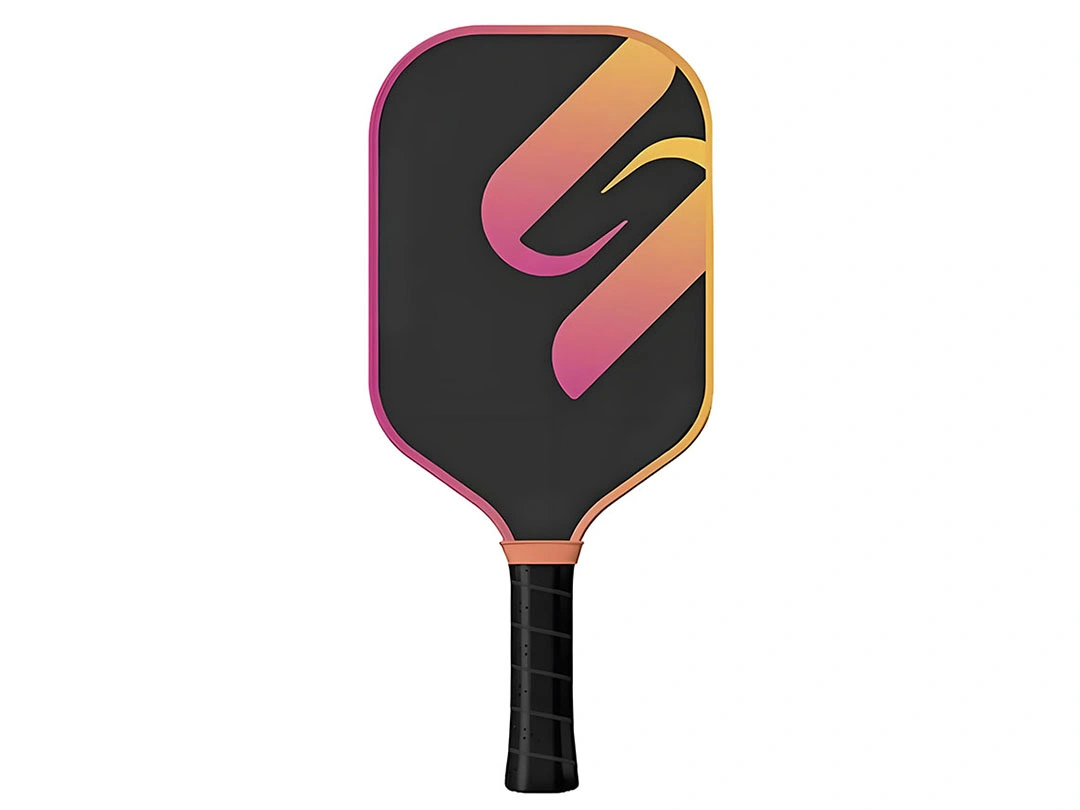
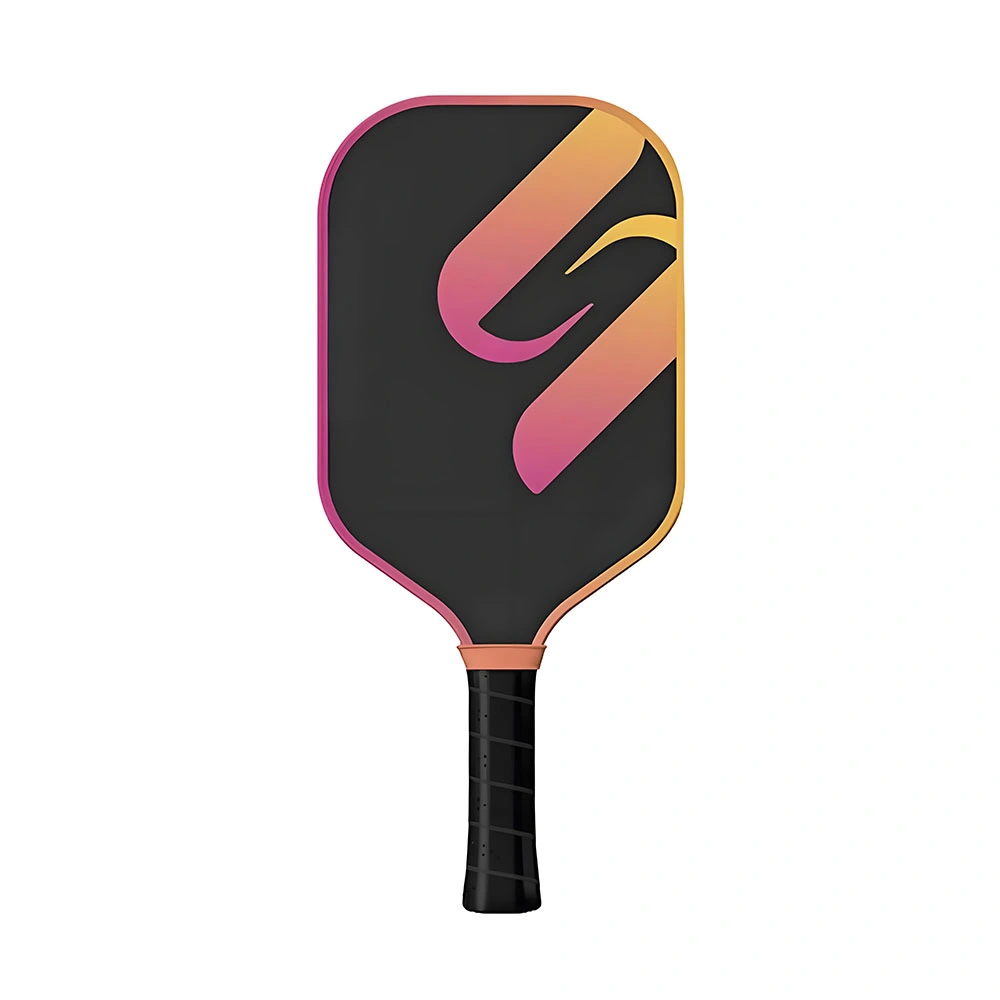
For players and brands seeking premium performance without the premium price ceiling, the NexaPaddle Cold Press Carbon Fiber Paddle is purpose-built for the intermediate market. It combines verified materials with precise manufacturing controls to deliver consistent performance across every unit.
| 치수 | 사양 | Player Benefit |
|---|---|---|
| 면 소재 | 탄소 섬유 (UD 또는 3K 마감) | 최대 스핀 그립, 높은 강도 대 중량 비율, 단단하고 통제된 느낌 |
| 핵심 소재 | PP 벌집 구조 | 산업 표준 충격 흡수, 일관된 에너지 반환 |
| 엣지 가드 | TPU 엣지 가드 | 상단 무게를 추가하지 않고 코트 스크래프 보호 |
| 그래픽 | UV 인쇄 | 선명하고 개인화된 미학이 색이 바래거나 무뎌지지 않습니다 |
| 두께 옵션 | 13mm 또는 16mm | 파워 (13mm) 또는 컨트롤 (16mm)로 플레이 스타일에 맞추기 |
| 무게 범위 | 210–235g (7.4–8.3 oz) | 안정성과 핸드 스피드를 위한 중량 중점 |
| 기능 | 400×195mm 또는 417×188mm | 컨트롤 (표준) 또는 파워 (연장) 형태 옵션 |
| 핸들 길이 | 130mm 또는 139mm | 표준 단일 손잡이 또는 연장된 양손 백핸드 지원 |
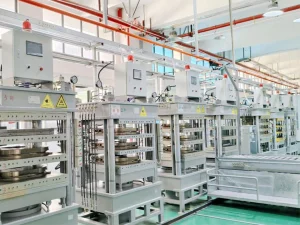
콜드 프레스 제조 공정은 과도한 수지 포화 없이 탄소 표면을 벌집 코어에 결합합니다. 이는 저렴한 패들을 죽이고 스위트 스팟을 좁히는 숨은 결함입니다. 결과적으로 파워 전달이 더 빠르고 에너지 분포가 더 균등하게 이루어지며, 랠리마다 견딜 수 있는 큰 효과적 스위트 스팟이 생깁니다.
주말 토너먼트를 위해 장비를 갖추든 고품질의 중급 피클볼 패들 소매를 위해 이 모델은 $80–$180 범위의 다른 어떤 제조 방법도 맞출 수 없는 비용 대비 성능 비율을 만족합니다.
업그레이드 경로: 콜드 프레스에서 열성형으로
콜드 프레스 탄소 패들은 중급 및 상급 게임을 포괄합니다. 그러나 선수들이 고급 영역(4.5+ DUPR)으로 넘어가면서 우선 순위가 바뀝니다. 파워 한계가 중요해집니다. 구조적 강성이 경쟁적인 차별화 요소가 됩니다.
다음 단계는 NexaPaddle 열성형 몰드 #2입니다. 14mm 및 16mm 두께에서 사용할 수 있으며, PP 벌집 코어 위에 탄소 UD 또는 3K 표면이 있는 400×195mm 플랫폼과 130mm 손잡이를 갖춘 이 패들은 완전히 봉인된 일체형 열성형 구조를 사용합니다. 이 과정은 탄소 섬유와 코어 재료를 고온과 압력 하에서 결합시켜 차가운 프레스에서 복제할 수 없는 단일 강성 구조를 생성합니다. 파워 출력이 상승합니다. 느낌이 더 단단하고 공격적이 되어, 5.0을 추구하는 토너먼트 플레이어들이 요구하는 모습이 됩니다.
콜드 프레스에서의 명확한 진행 경로를 매핑하며 열형성 피클볼 패들 선수들이 당신의 제품 라인을 절대 잊지 않도록 합니다. 그들의 기술은 발전하고, 그들의 장비도 함께 발전합니다.
브랜드 및 소매업체를 위한: 중급 시장에서의 승리
피클볼 붐은 선수의 이야기만이 아닙니다. 현재 레크리에이션 스포츠에서 가장 중요한 소매 기회 중 하나입니다. 볼륨이 어디에 있는지 이해하는 것은 이 공간에 진입하거나 확장하는 모든 브랜드에 매우 중요합니다.
$250 이상의 투어 레벨 패들은 소셜 미디어의 주목을 받습니다. $80–$180 중급 패들이 실제 판매되는 곳입니다. 이 구매자는 잘 알고 있습니다. 그들은 탄소 섬유 표면을 원한다는 것을 알고 있습니다. 그들은 PP 벌집 코어를 원한다는 것을 알고 있습니다. 그들은 지출할 준비가 되어 있지만, 그들이 믿을 수 있는 브랜드가 필요한 가격대에서 필수적입니다.
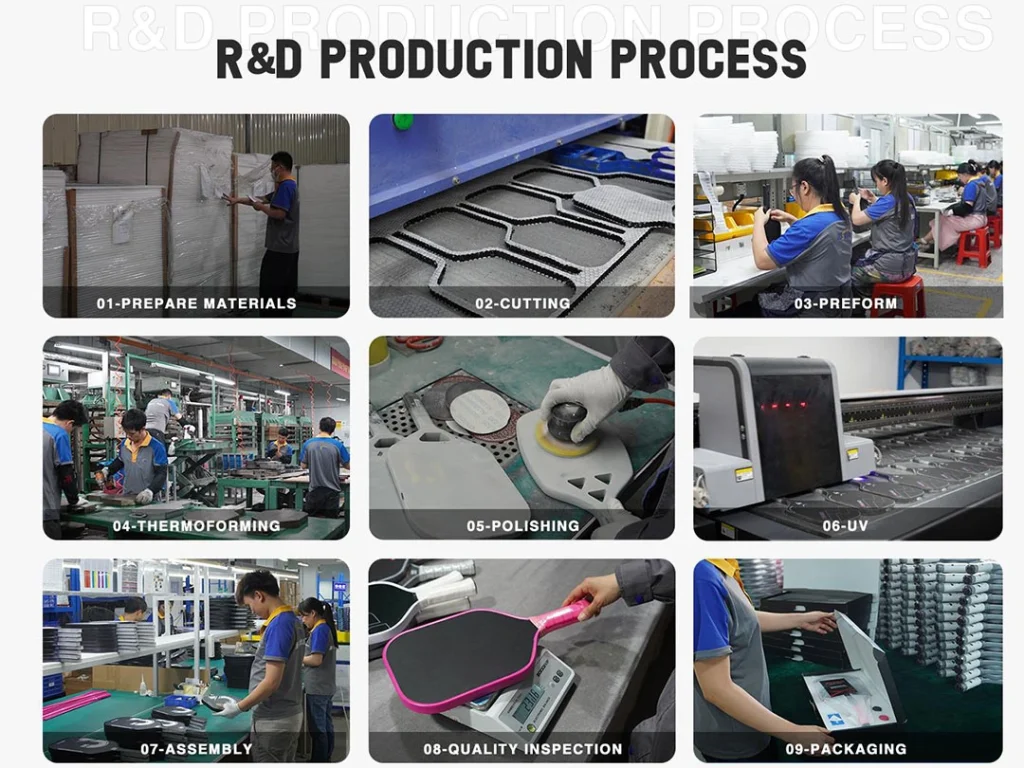
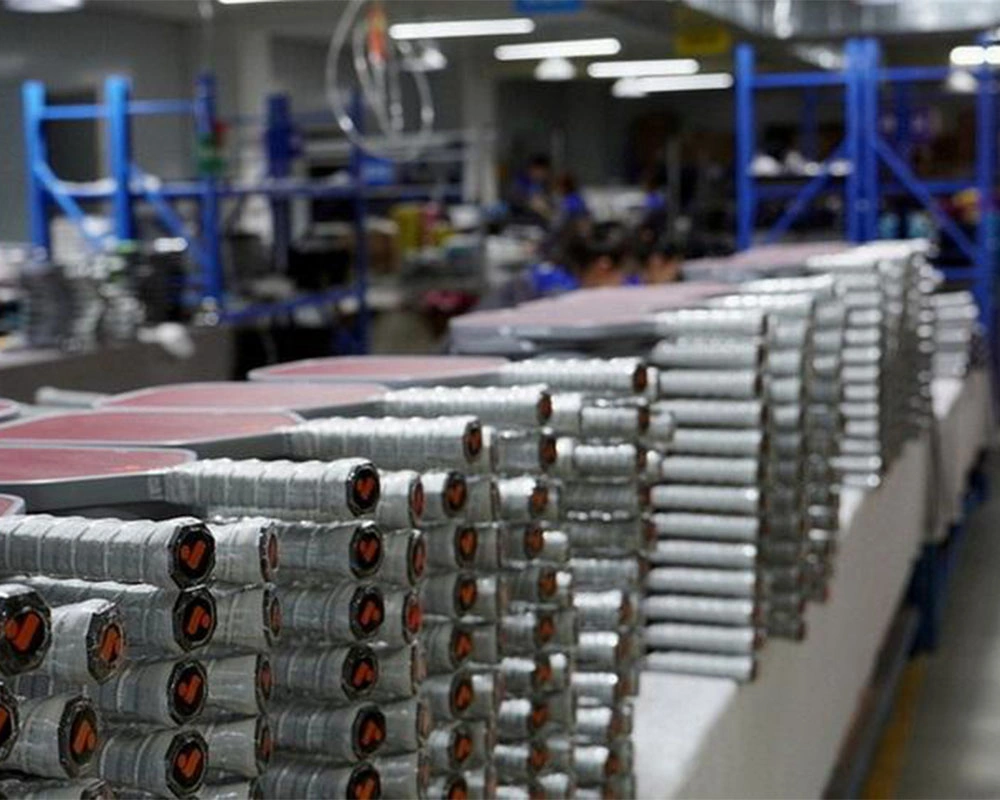
확립된 OEM 탄소 섬유 피클볼 패들 공장 NexaPaddle과 함께하면 브랜드가 그 구매자에게 직접 연결될 수 있는 경로를 제공합니다. 콜드 프레스 탄소 섬유 플랫폼은 단 300개의 최소 주문 수량을 요구하여 브랜드, 프로 샵 및 스포츠 용품 소매업체가 맞춤형 UV 인쇄 패들을 출시할 수 있도록 합니다. 특정 두께, 탄소 마감, 손잡이 길이, 엣지 가드 색상 등 대량 생산의 최소 요구 사항에 얽매이지 않고 가능합니다.
당신은 브랜드를 제공합니다. 우리는 850만에서 970만의 중급 플레이어들이 적극적으로 찾고 있는 사양을 제공합니다. $80-$180 가격대에서, 공장 직거래 비용 구조에 기반한 마진 잠재력은 현재 시장에서 진정으로 맞추기 어렵습니다.
구매자 체크리스트: 적합한 중급 패들을 선택하는 방법
업그레이드할 준비가 되셨나요? 구매 전에 이 체크리스트를 확인하세요.
- 코어 재료: PP 벌집을 확인하세요. 저렴한 폴리머 또는 알루미늄 코어는 거부하세요 - 중급 수준에서 느낌과 내구성을 손상시킵니다.
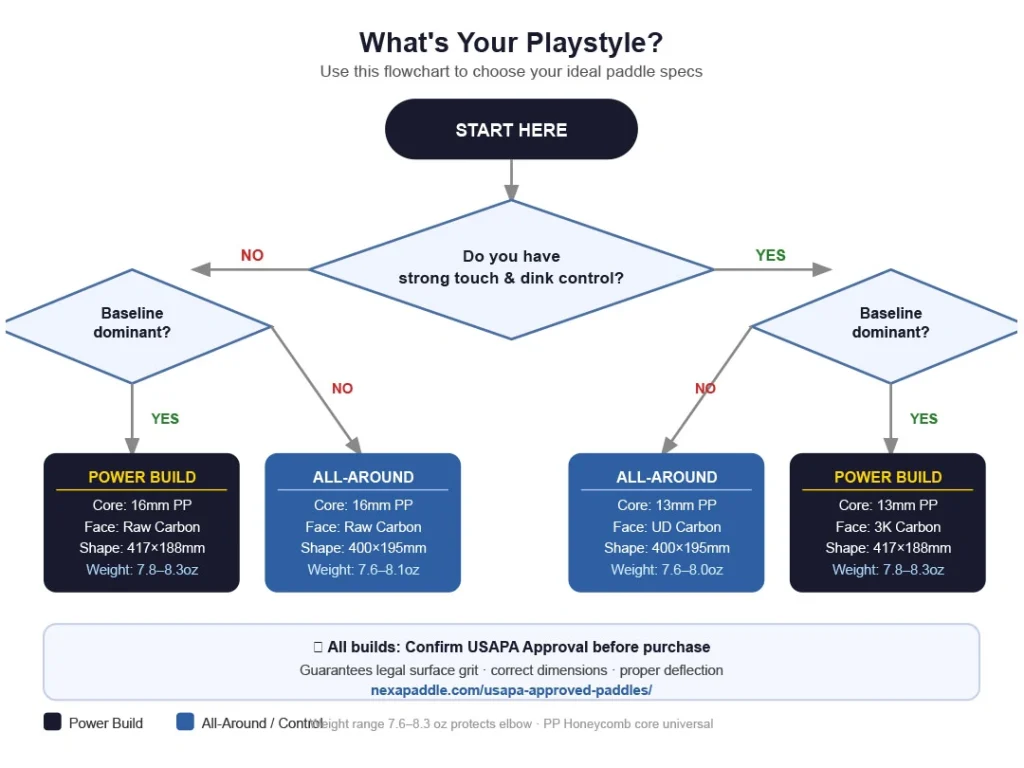
- 코어 두께: 컨트롤, 딩킹 향상 및 관대한 스위트 스팟을 위해 16mm를 선택하세요. 이미 강한 터치가 있고 폭발적인 드라이브 파워를 추가하고 싶다면 13mm만 선택하세요.
- 면재료: 탄소 섬유로 업그레이드하세요. 스핀 잠재력을 극대화하기 위해 Raw Carbon, UD 또는 3K 마감에 특히 주의하세요.
- 무게: 7.6–8.3 oz (215–235g)를 목표로 하세요. 이 범위는 엘보우 피로로부터 보호하면서 하드 블록 및 리셋을 위한 안정성을 유지합니다.
- 형태: 모든 플레이에 대한 컨트롤을 위해 400×195mm를 선택하거나 기준 우위를 확보하고 양손 백핸드 스타일을 위해 417×188mm를 선택하세요.
- 토너먼트 적합성: 항상 구매하는 것인지 확인하세요. USAPA 승인을 받은 패들. 여가용 플레이의 경우에도 USAPA 인증은 패들이 표면 마찰, 치수 및 변형에 대해 엄격한 기준을 충족하는지를 보증합니다. 이는 일관되고 합법적인 성능에 대한 보증입니다.
자주 묻는 질문
Should I use a 13mm or 16mm paddle as an intermediate player?
For most intermediate players, a 16mm paddle is the stronger choice. The thicker core delivers a larger sweet spot, absorbs pace from hard-hitting opponents, and builds the control needed for reliable dinking and drop-shot execution. Go 13mm only if you already have excellent touch and want to unlock more aggressive power from your drives.
Is carbon fiber better than fiberglass for intermediate pickleball?
Yes—significantly better. Fiberglass generates easy power through its flexible, trampoline-like flex, but it lacks the friction needed for heavy topspin and becomes inconsistent at the kitchen line. Carbon fiber’s stiffer structure and textured weave let you generate spin, place the ball with precision, and control soft shots under pressure. At the intermediate level, that difference is decisive.
How much should an intermediate player spend on a pickleball paddle?
The high-performance sweet spot is $80–$180. In this range, you get premium materials: T700 raw carbon fiber faces, PP honeycomb cores, and TPU edge guards. Spending above $200 typically means entering thermoformed advanced-paddle territory. Spending below $60 usually means accepting compromises on face material or core quality that will cap your development.
Are NexaPaddle cold press carbon fiber paddles USAPA approved?
Yes. NexaPaddle manufactures all paddles to meet USA Pickleball (USAPA) standards for surface roughness, size limits, and deflection. When sourcing for retail or personal use, specific models can be confirmed for sanctioned tournament eligibility.
Can I get NexaPaddle paddles with custom branding for my brand or pro shop?
Absolutely. NexaPaddle specializes in OEM manufacturing with an MOQ of just 300 pieces for Cold Press Carbon Fiber models. Brands, retailers, and pro shops can fully customize UV-printed graphics, edge guard colors, handle grips, and packaging to build a proprietary product line targeting the intermediate market segment.
출처
스포츠 및 피트니스 산업 협회 (SFIA), "2025 Topline Participation Report — Pickleball." 2025년에 발표되었습니다.
NexaPaddle 내부 제품 지식 베이스 — 제품 카탈로그 사양, 플레이어 추천 가이드 및 제조 데이터 (2026년 3월).
USA Pickleball, "USAPA 장비 기준 및 테스트 프로토콜."