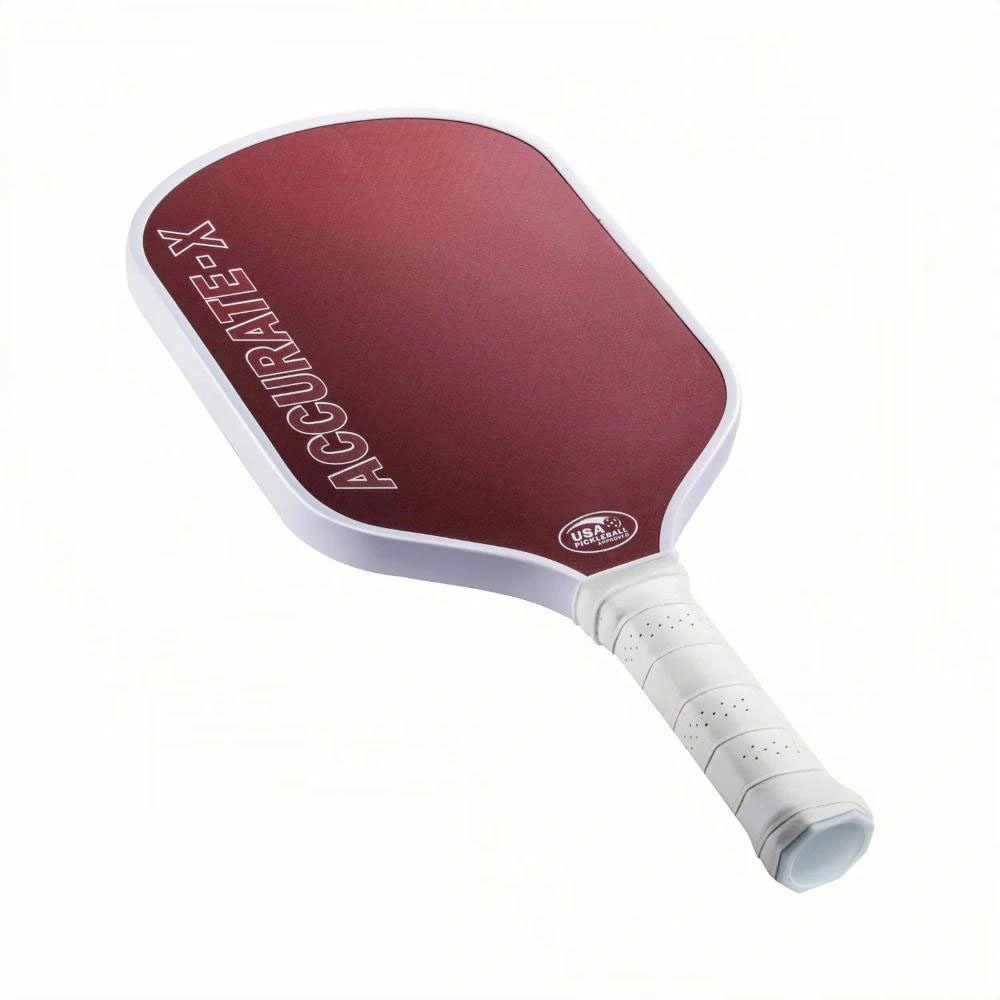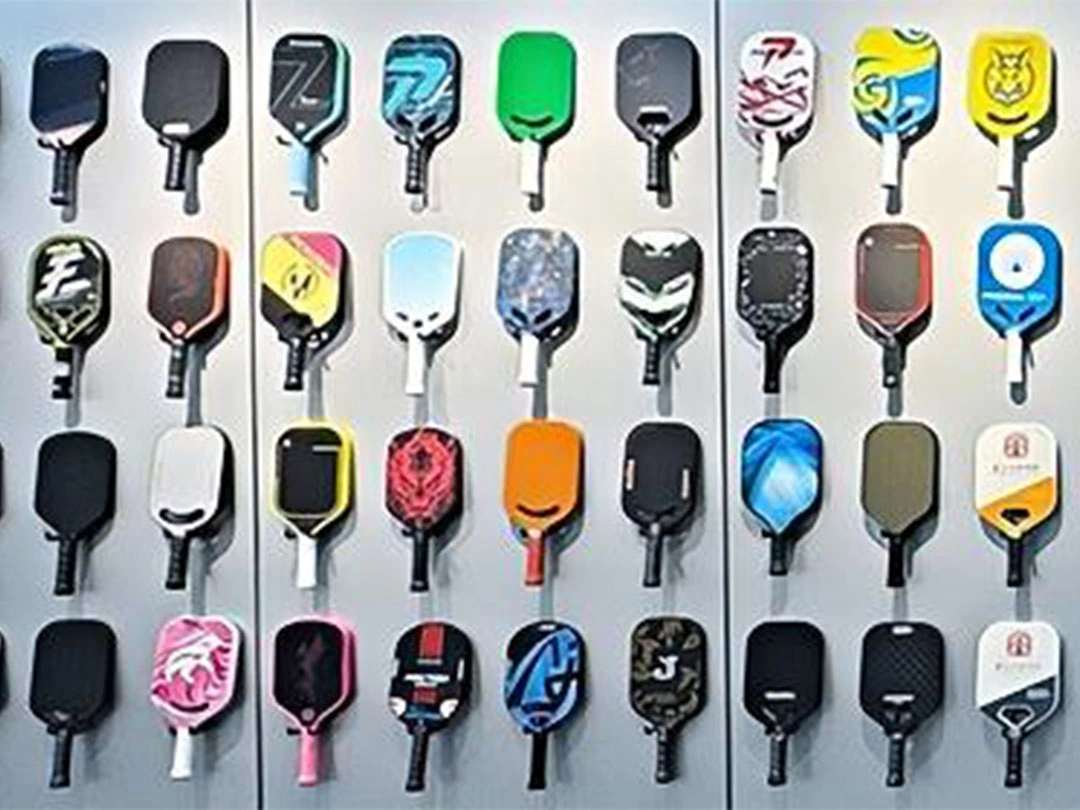
Your beginner paddle is holding you back. If your dinks are floating, your drives lack bite, and your resets feel unpredictable, the problem isn’t your technique—it’s your equipment. Finding the best pickleball paddle for intermediate players means finding the specific technology that sharpens your strengths and covers your weak spots.
The jump from a 2.5 beginner to a 3.0–4.0 DUPR intermediate player is the most exciting phase of pickleball. Shots that once felt impossible become routine—but only with the right tool in your hand. Over 60% of players who hit the courts eight or more times a year upgrade from their starter paddle within the first 12 months. This guide breaks down exactly what that upgrade should look like: why carbon fiber faces outperform fiberglass, how to decide between a 13mm and 16mm core, and which paddle specs will carry your game from club warrior to tournament contender.
What Separates an Intermediate Pickleball Paddle from a Beginner One
Beginner paddles are built for survival—cheap materials, thin cores, and forgiving (if unpredictable) sweet spots. As you move into intermediate play, precision, spin, and consistency become the metrics that matter. The paddle that got you here will not get you where you’re going.
The pickleball boom has driven this segmentation hard. With 24.3 million Americans playing in 2025—a 171% increase over three years[^1]—roughly 35–40% of consistent players fall into the intermediate category (3.0–4.0 DUPR). That’s approximately 8.5 to 9.7 million players in the US alone, all hunting for gear in the $80–$180 price range. The market responded with a wave of purpose-built intermediate technology. Here is what separates the good from the great.
1. Core Material
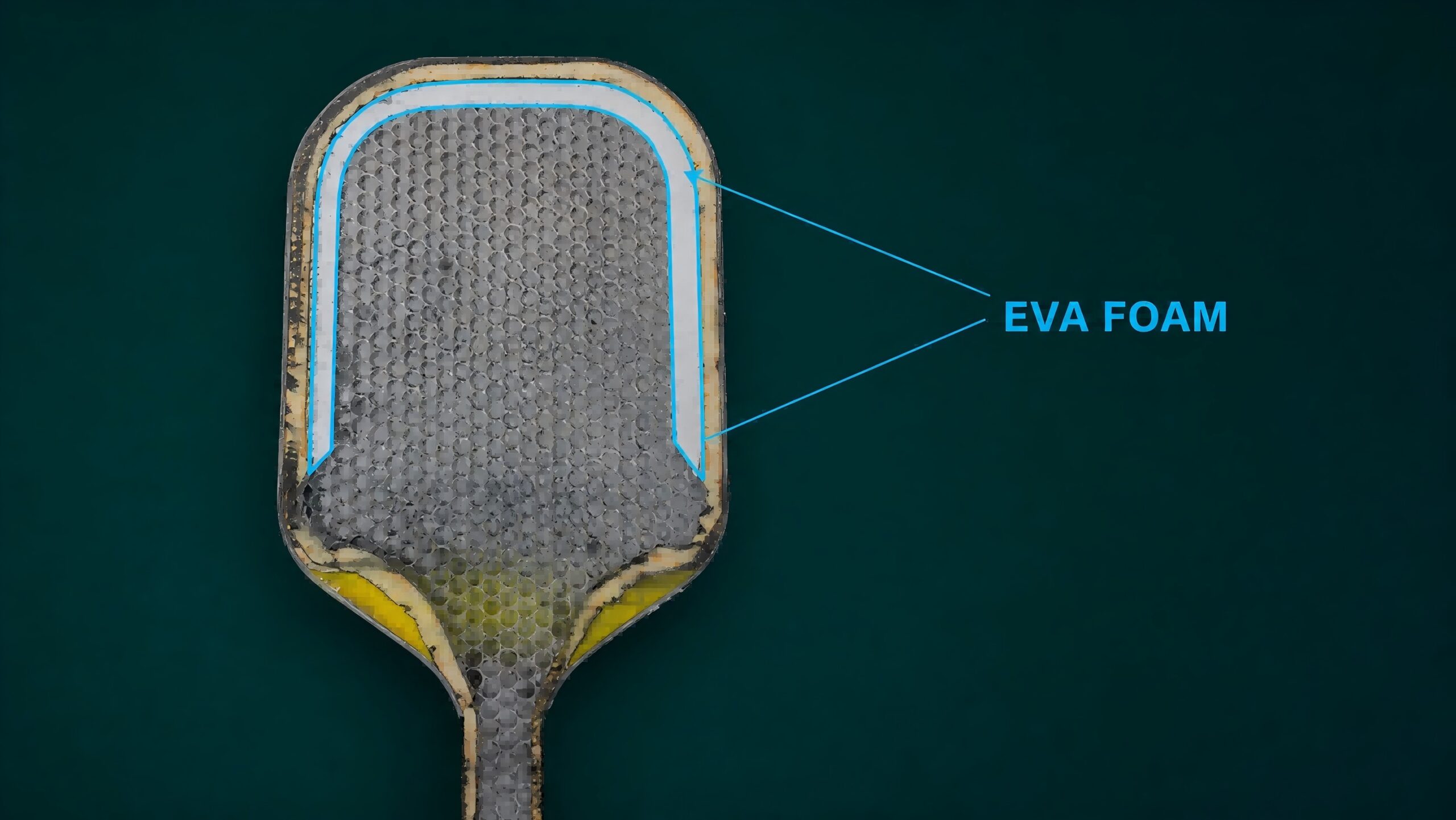
The PP (Polypropylene) Honeycomb core is the industry standard from intermediate level upward. High-quality PP honeycomb balances weight, durability, and sound dampening in a way that cheaper polymer blends simply cannot match. It absorbs the shock of hard drives while returning enough energy for aggressive put-aways.
2. Face Material
Beginner paddles lean on fiberglass for its trampoline pop. An intermediate pickleball paddle almost universally upgrades to a carbon fiber face—specifically UD or 3K finishes. That surface texture is the key to generating topspin on drives and backspin on dinks, two skills that define the 3.5+ game.
3. Weight Distribution
Intermediate players typically land in the midweight range: 7.6–8.3 oz. Heavy enough for stability and plow-through on blocks; light enough for fast hands in kitchen firefights. It is the Goldilocks zone, and most quality intermediate paddles are engineered to hit it consistently.
4. Shape Options
Beginners default to wide-body shapes for maximum hitting area. Intermediate players start experimenting. A 400×195mm control shape offers a balanced sweet spot and maneuverability; a 417×188mm elongated power shape adds reach and leverage for two-handed backhands and baseline drives. Both have a place depending on your game style.
The 13mm vs. 16mm Core Decision
No spec question comes up more often at the intermediate level than this one: 13mm or 16mm? Core thickness fundamentally changes how the ball reacts off the face, making it the single most important decision in your paddle selection.
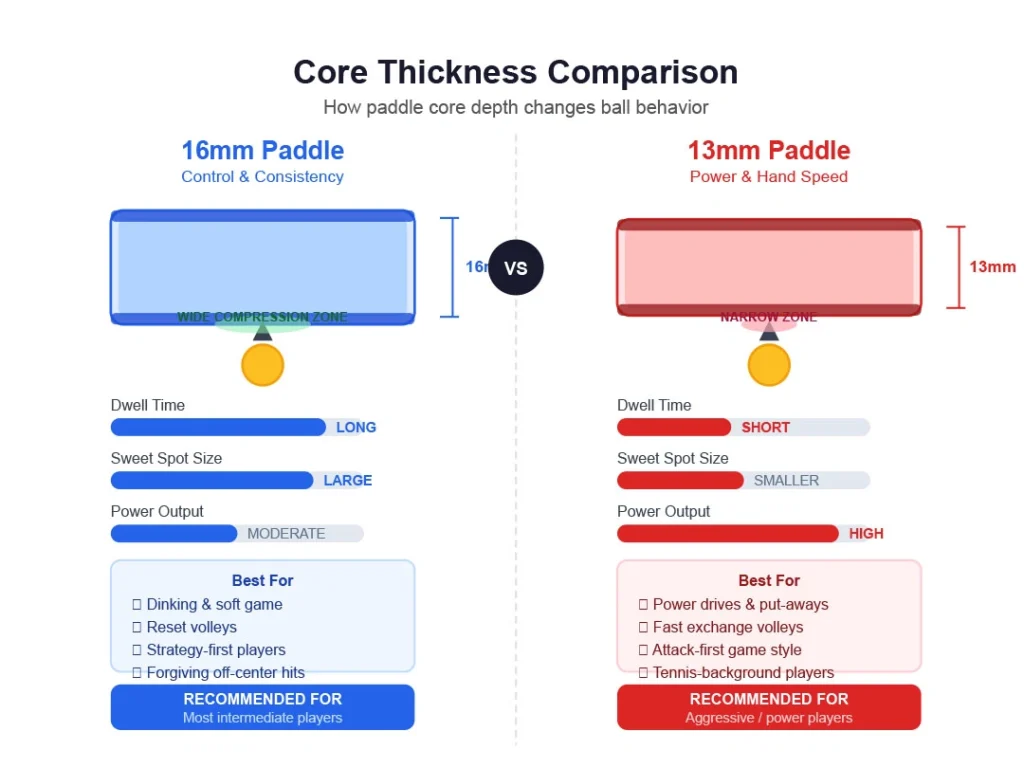
16mm Pickleball Paddles: Control and Consistency
For the majority of intermediate players, a 16mm pickleball paddle is the right call. The thicker core acts as a dampener, absorbing incoming energy and extending dwell time—the fraction of a second the ball stays on the face. More dwell time means more control.
The practical result: sharper dinks, cleaner reset volleys, and a noticeably larger effective sweet spot. Off-center hits become forgiving rather than punishing. If your game is built on strategy, placement, and keeping unforced errors low, the 16mm core accelerates your development faster than anything else.
13mm Pickleball Paddles: Power and Hand Speed
Eine 13mm pickleball paddle sacrifices control for pop. The thinner core transfers energy back into the ball almost instantly, producing faster drives and explosive put-aways. The reduced material also lowers swing weight slightly, making the paddle more aerodynamic and snappier during rapid exchange volleys.
The trade-off is real, though. The sweet spot shrinks, and touch shots—third-shot drops, angle dinks, soft hands resets—demand considerably better technique to execute consistently. The 13mm core suits players with a strong tennis background who naturally generate their own spin and prefer an aggressive, attack-first game style.
Why Carbon Fiber Is the Intermediate Standard
Walk through any paddle comparison at the 3.5+ level and you will find one consistent theme: carbon fiber faces dominate. There are three primary face materials in the market—wood (obsolete), fiberglass, and carbon fiber. For intermediate players, the choice is really between the last two.
Fiberglass has genuine strengths. It is flexible, generates easy trampoline power, and keeps costs down. Players who struggle to hit the ball deep will find fiberglasversteckte Pickleball-Schläger forgiving. But its lack of surface texture makes high-level spin nearly impossible, and its extreme pop creates inconsistency at the kitchen line—exactly where intermediate rallies are won and lost.
Carbon fiber pickleball paddles solve both problems. The stiffer structure distributes energy more evenly across the face, creating predictable compression against the PP honeycomb core. More critically, the natural weave of UD or 3K carbon fiber grips the plastic pickleball with far more friction than fiberglass. That friction is what unlocks aggressive dipping drives and heavily sliced returns that land in bounds instead of sailing long.
Brands like Vatic Pro, Six Zero, and Ronbus brought T700 raw carbon paddles into the mid-price range, while legacy names like JOOLA and Selkirk reinforced carbon fiber’s dominance from above. The result: carbon fiber is now the mandatory standard for anyone serious about breaking into the 3.5+ DUPR range.
NexaPaddle Cold Press Carbon Fiber Paddle: Full Spec Breakdown
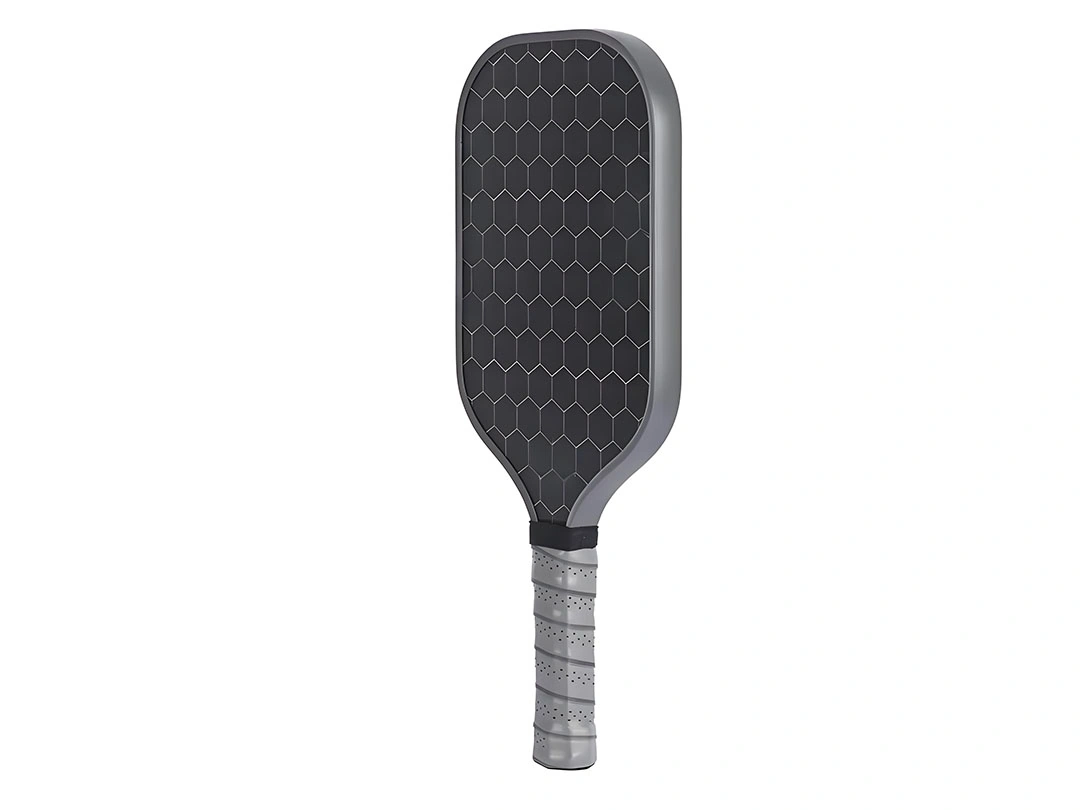
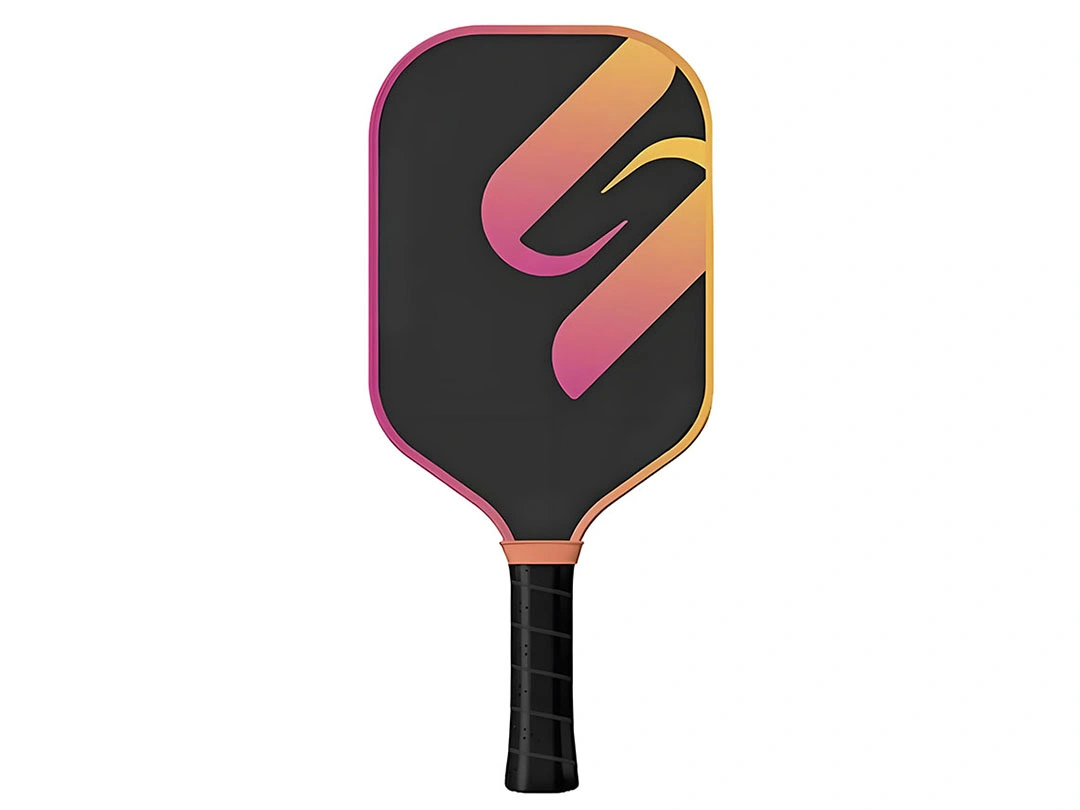
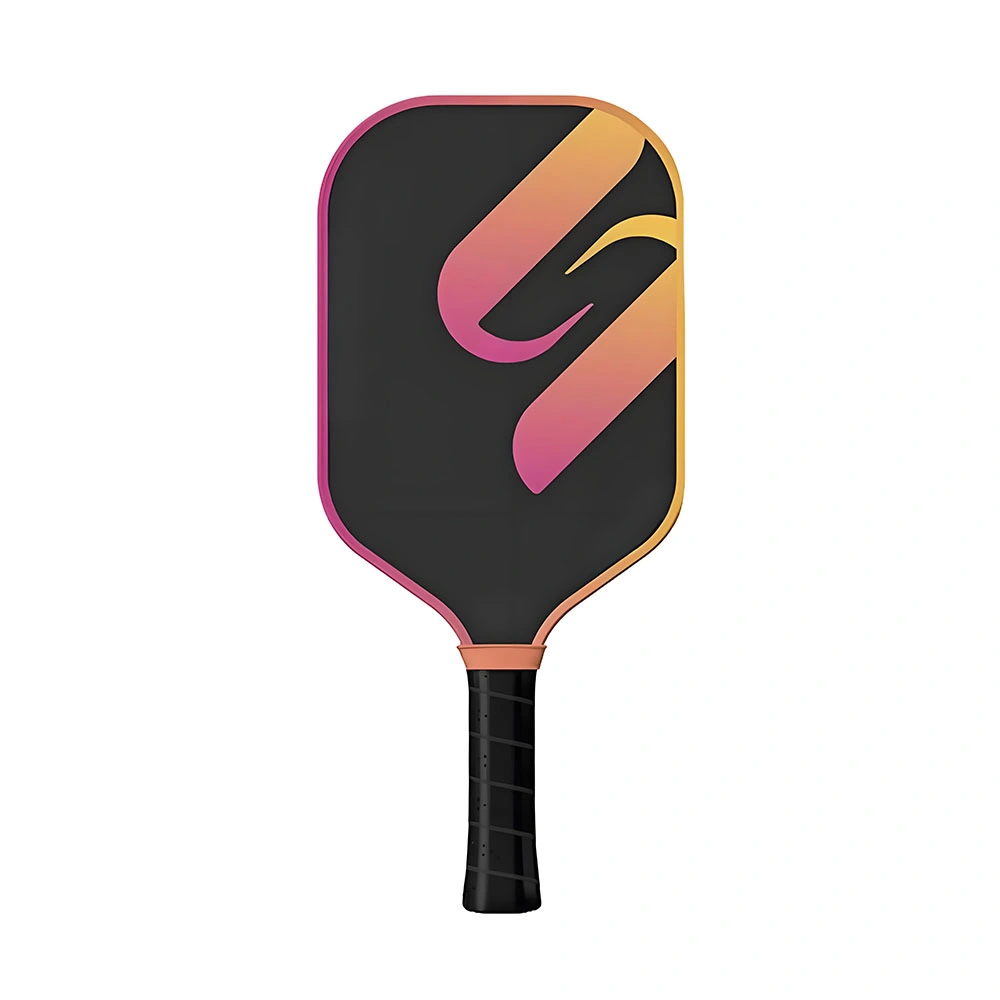
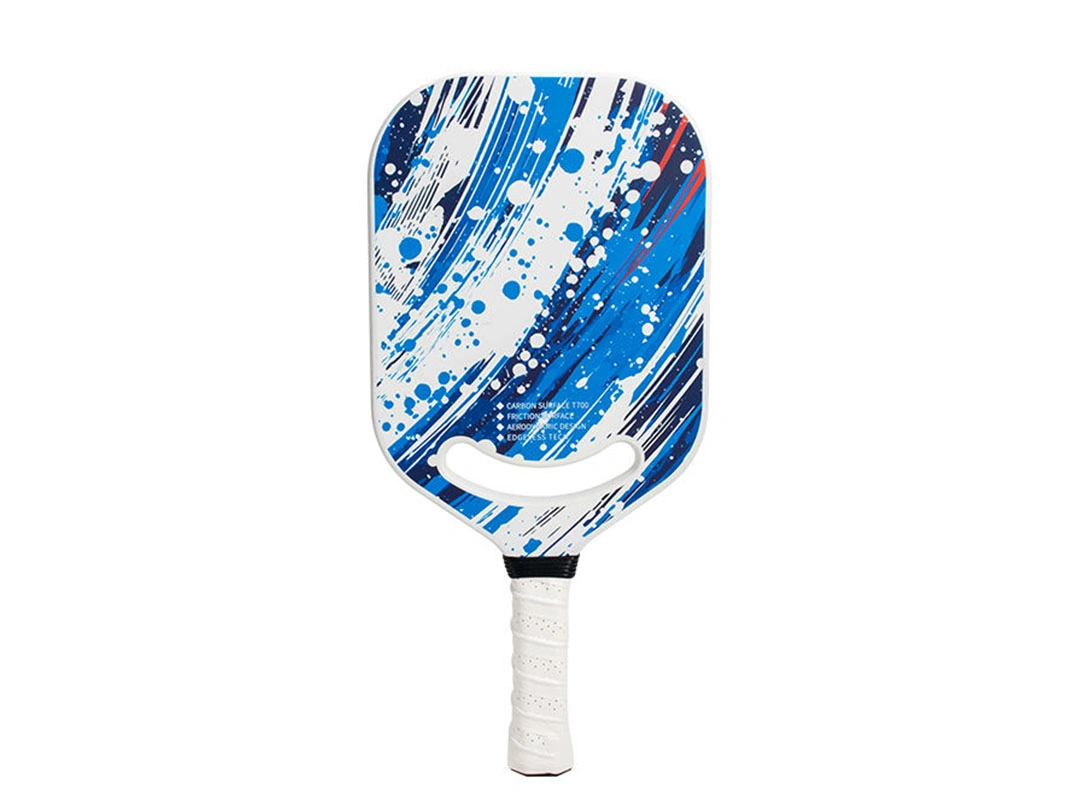
For players and brands seeking premium performance without the premium price ceiling, the NexaPaddle Cold Press Carbon Fiber Paddle is purpose-built for the intermediate market. It combines verified materials with precise manufacturing controls to deliver consistent performance across every unit.
| Merkmal | Spezifikation | Spielerbenefit |
|---|---|---|
| Oberflächenmaterial | Kohlefaser (UD oder 3K Finish) | Maximale Spin-Grip, hohes Verhältnis von Festigkeit zu Gewicht, steifes kontrolliertes Gefühl |
| Kernmaterial | PP-Wabenstruktur | Industrie-standardmäßige Stoßabsorption, konstante Energierückführung |
| Edge Guard | TPU Edge Guard | Gerichtsschutz ohne zusätzliches Gewicht oben |
| Grafiken | UV-Druck | Klar, anpassbare Ästhetik, die nicht verblasst oder stumpf wird |
| Dickenoptionen | 13mm oder 16mm | Power (13mm) oder Kontrolle (16mm), um deinem Spielstil zu entsprechen |
| Gewichtsbereich | 210–235g (7.4–8.3 oz) | Midweight Sweet Spot für Stabilität und Handgeschwindigkeit |
| Abmessungen | 400×195mm oder 417×188mm | Kontrolle (Standard) oder Power (verlängert) Formoptionen |
| Grifflänge | 130mm oder 139mm | Standard-Einhandgriff oder erweiterte Zweihand-Rückhandunterstützung |
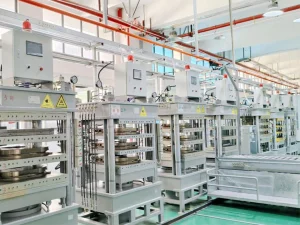
Der Kaltpress-Herstellungsprozess verbindet die Kohlefaseroberfläche mit dem Wabenkern ohne übermäßige Harzsättigung – der versteckte Fehler, der billigere Schläger abstumpfen lässt und ihre Sweet Spots verengert. Das Ergebnis ist ein schnellerer Energietransfer, gleichmäßigere Energieverteilung und ein großer effektiver Sweet Spot, der sich über Rallye um Rallye hält.
Ob du dich für Wochenendtuniere ausstattest oder hochwertige Fortgeschrittenen-Pickleball-Paddel für den Einzelhandel beschaffst, dieses Modell trifft das Kosten-Leistungs-Verhältnis, das keine andere Bauweise im Bereich von 80–180 $ erreichen kann.
Der Upgrade-Pfad: Kaltpress zu Thermoformung
Der Kaltpress-Kohlefaser-Schläger deckt das mittlere und obere mittlere Spiel umfassend ab. Aber wenn Spieler in fortgeschrittene Bereiche (4.5+ DUPR) vordringen, verschieben sich die Prioritäten. Die Leistungsgrenzen sind wichtig. Strukturelle Steifigkeit wird zum wettbewerblichen Unterscheidungsmerkmal.
Der nächste Schritt ist die NexaPaddle Thermoform-Matrize #2. Erhältlich in 14mm und 16mm Dicke mit Kohlefaser UD oder 3K Oberflächen über einem PP-Wabenkern auf einer 400×195mm Plattform mit einem 130mm Griff, verwendet dieser Schläger eine vollständig versiegelte, unibody thermoformte Konstruktion. Der Prozess backt Kohlefaser und Kernmaterial unter hoher Hitze und Druck zusammen, wodurch eine einzige starre Struktur entsteht, die die Kaltpressung nicht replizieren kann. Die Leistung steigt. Das Gefühl wird fester und aggressiver – genau das, was Turnierspieler auf der Jagd nach 5.0 verlangen.
Eine klare Entwicklung vom Kaltpress- zu thermoformte Pickleball-Schläger bedeutet, dass die Spieler deine Produktlinie nie überschreiten. Ihre Fähigkeiten skalieren; ihre Ausrüstung skaliert mit ihnen.
Für Marken und Einzelhändler: Den intermediären Markt gewinnen
Der Pickleball-Boom ist nicht nur eine Geschichte für Spieler – es ist eine der bedeutendsten Einzelhandels-Chancen im Bereich der Freizeitsportarten zurzeit. Zu verstehen, wo das Volumen sitzt, ist entscheidend für jede Marke, die in diesem Bereich eintritt oder sich erweitert.
Der Schläger der Tour-Ebene über 250 $ erhält die Berichterstattung in sozialen Medien. Der Schläger im mittleren Preissegment von 80–180 $ ist der, wo die tatsächlichen Einheiten verkauft werden. Dieser Käufer ist informiert. Sie wissen, dass sie eine Kohlefaseroberfläche wollen. Sie wissen, dass sie einen PP-Wabenkern wollen. Sie sind bereit auszugeben – sie brauchen nur eine Marke, der sie vertrauen, zu einem Preis, der Sinn macht.
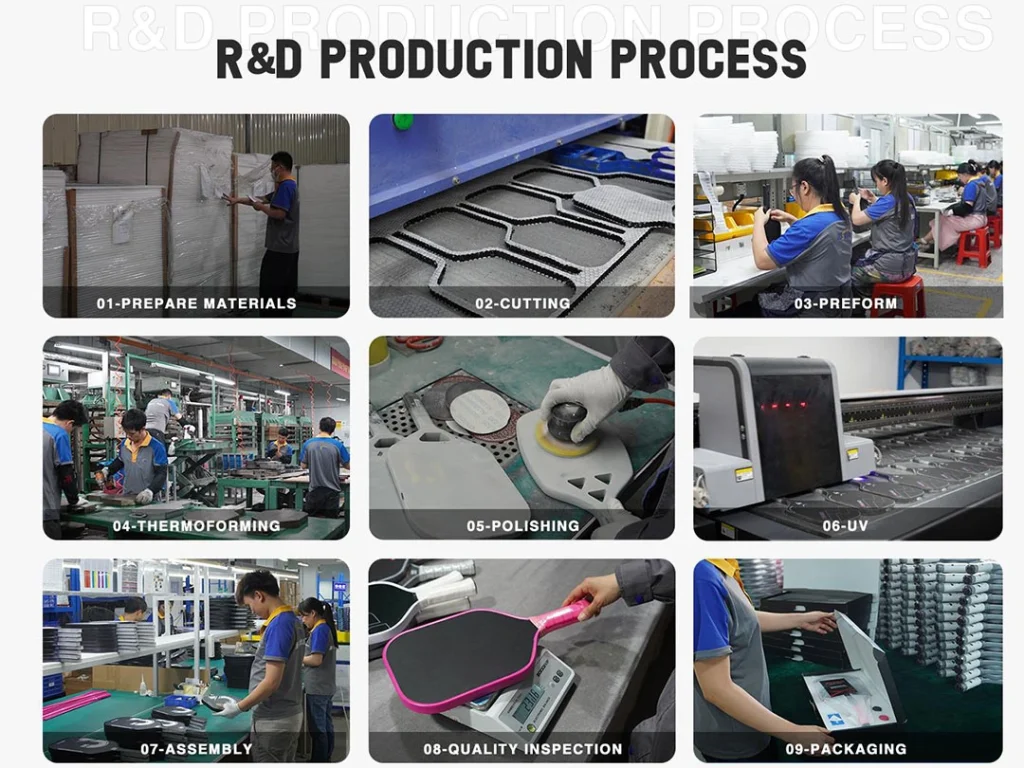
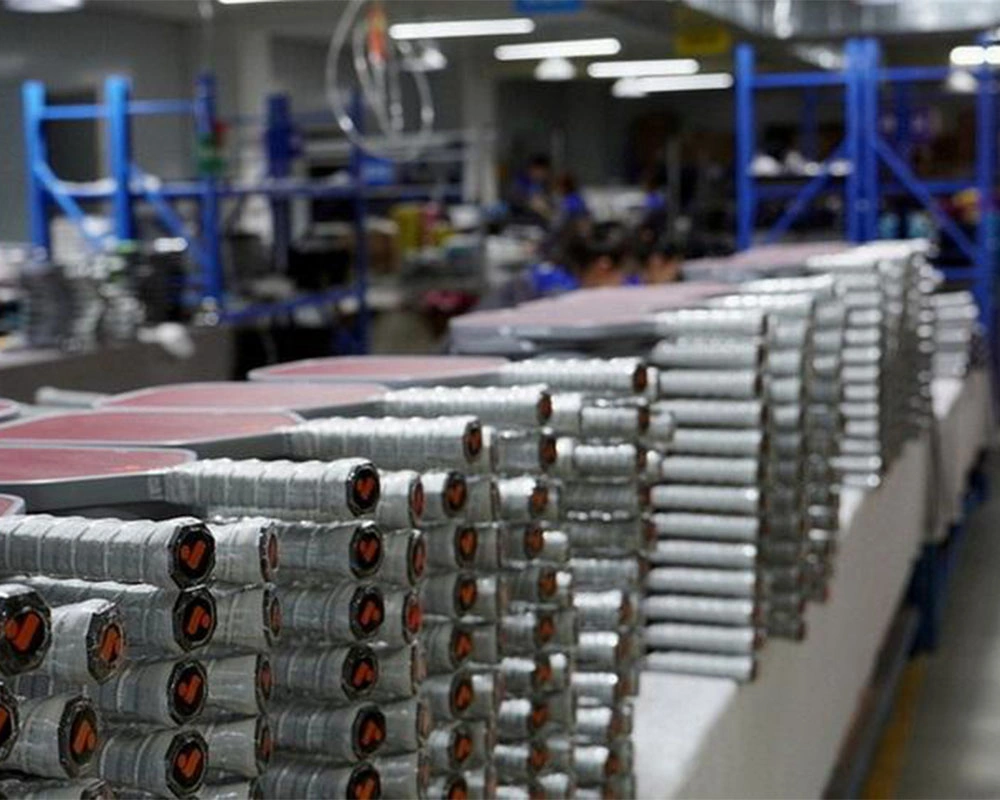
Die Partnerschaft mit einer etablierten OEM-Kohlefaser-Pickleball-Schlägerfabrik wie NexaPaddle gibt Marken einen direkten Weg zu diesem Käufer. Die Kaltpress-Kohlefaser-Plattform hat eine MOQ von nur 300 Stück, was es Marken, Fachgeschäften und Sportartikelhändlern ermöglicht, vollständig maßgeschneiderte UV-gedruckte Schläger zu launchen – spezifische Dicke, Kohlefaseroberfläche, Grifflänge, Edge-Guard-Farbe – ohne sich zu massenproduktionsbedingten Mindestmengen verpflichten zu müssen.
Du bringst die Marke. Wir bringen die Spezifikationen, nach denen 8,5–9,7 Millionen intermediäre Spieler aktiv suchen. Das Margenpotenzial im Preisbereich von 80–180 $, das auf einer direkten Kostenstruktur basiert, ist tatsächlich schwer woanders im aktuellen Markt zu übertreffen.
Käufer-Checkliste: So wählst du den richtigen mittleren Schläger aus
Bereit für ein Upgrade? Gehe durch diese Checkliste, bevor du kaufst.
- Kernmaterial: Bestätige PP-Wabenstruktur. Lehne billige Polymer- oder Aluminiumkerne ab – sie beeinträchtigen sowohl das Gefühl als auch die Haltbarkeit auf mittlerem Niveau.
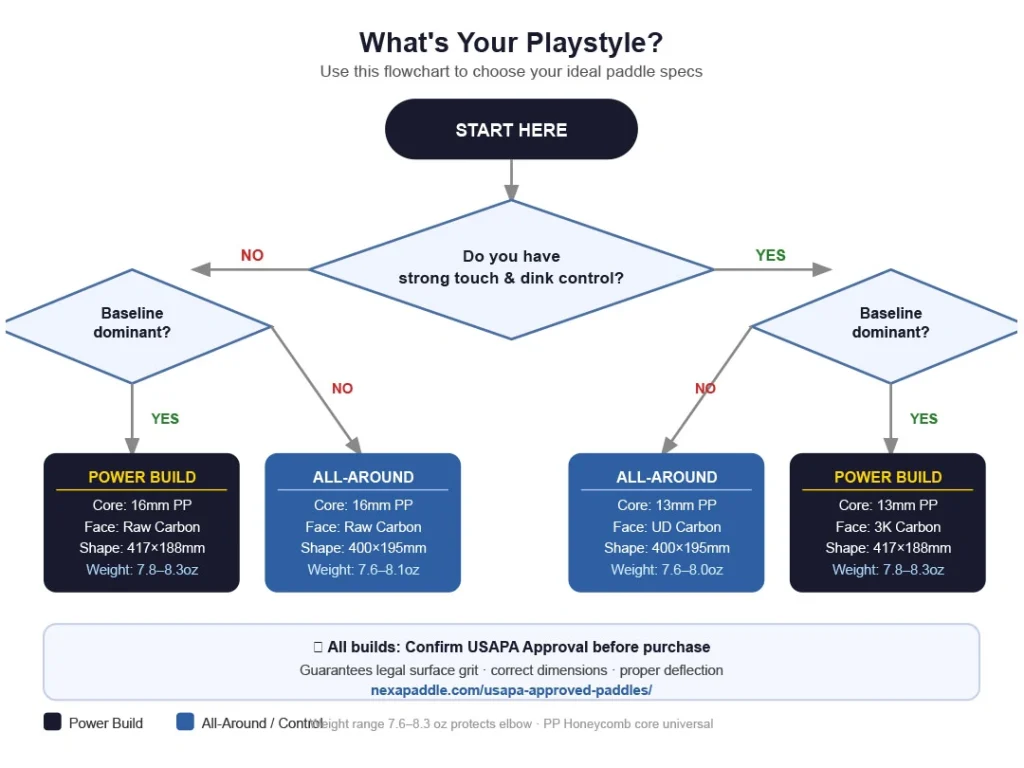
- Kernstärke: Wähle 16mm für Kontrolle, Verbesserung des Dinkens und einen nachgiebigen Sweet Spot. Wähle 13mm nur, wenn du bereits einen starken Touch hast und zusätzliche explosive Drive-Power hinzufügen möchtest.
- Gesichtsmaterial: Upgrade auf Kohlefaser. Achte speziell auf Raw Carbon, UD oder 3K-Finish, um das Spin-Potenzial zu maximieren.
- Gewicht: Ziel 7,6–8,3 oz (215–235 g). Dieser Bereich schützt deinen Ellenbogen vor Ermüdung und sorgt gleichzeitig für die Stabilität, die für harte Blöcke und Rücksetzungen erforderlich ist.
- Form: Wähle 400×195mm (Kontrolle) für Rundumspiel oder 417×188mm (Power) für baselinendominante und beidhändige Rückhand-Stile.
- Turnierzulässigkeit: Bestätige immer, dass du kaufst von USAPA genehmigten Paddeln. Selbst für Freizeitspiele garantiert die USAPA-Zertifizierung, dass der Schläger strengen Standards für Oberflächenstruktur, Abmessungen und Durchbiegung entspricht – deine Garantie für konsistente, legale Leistung.
Häufig gestellte Fragen
Should I use a 13mm or 16mm paddle as an intermediate player?
For most intermediate players, a 16mm paddle is the stronger choice. The thicker core delivers a larger sweet spot, absorbs pace from hard-hitting opponents, and builds the control needed for reliable dinking and drop-shot execution. Go 13mm only if you already have excellent touch and want to unlock more aggressive power from your drives.
Is carbon fiber better than fiberglass for intermediate pickleball?
Yes—significantly better. Fiberglass generates easy power through its flexible, trampoline-like flex, but it lacks the friction needed for heavy topspin and becomes inconsistent at the kitchen line. Carbon fiber’s stiffer structure and textured weave let you generate spin, place the ball with precision, and control soft shots under pressure. At the intermediate level, that difference is decisive.
How much should an intermediate player spend on a pickleball paddle?
The high-performance sweet spot is $80–$180. In this range, you get premium materials: T700 raw carbon fiber faces, PP honeycomb cores, and TPU edge guards. Spending above $200 typically means entering thermoformed advanced-paddle territory. Spending below $60 usually means accepting compromises on face material or core quality that will cap your development.
Are NexaPaddle cold press carbon fiber paddles USAPA approved?
Yes. NexaPaddle manufactures all paddles to meet USA Pickleball (USAPA) standards for surface roughness, size limits, and deflection. When sourcing for retail or personal use, specific models can be confirmed for sanctioned tournament eligibility.
Can I get NexaPaddle paddles with custom branding for my brand or pro shop?
Absolutely. NexaPaddle specializes in OEM manufacturing with an MOQ of just 300 pieces for Cold Press Carbon Fiber models. Brands, retailers, and pro shops can fully customize UV-printed graphics, edge guard colors, handle grips, and packaging to build a proprietary product line targeting the intermediate market segment.
Quellen
Sport- und Fitnessindustrie-Verband (SFIA), “2025 Topline Teilnahmebericht – Pickleball.” Veröffentlicht 2025.
NexaPaddle Interne Produktdatenbank – Produktspezifikationen, Spielerempfehlungsleitfaden und Herstellungsdaten (März 2026).
USA Pickleball, “USAPA Ausrüstungsstandards & Prüfmethoden.”