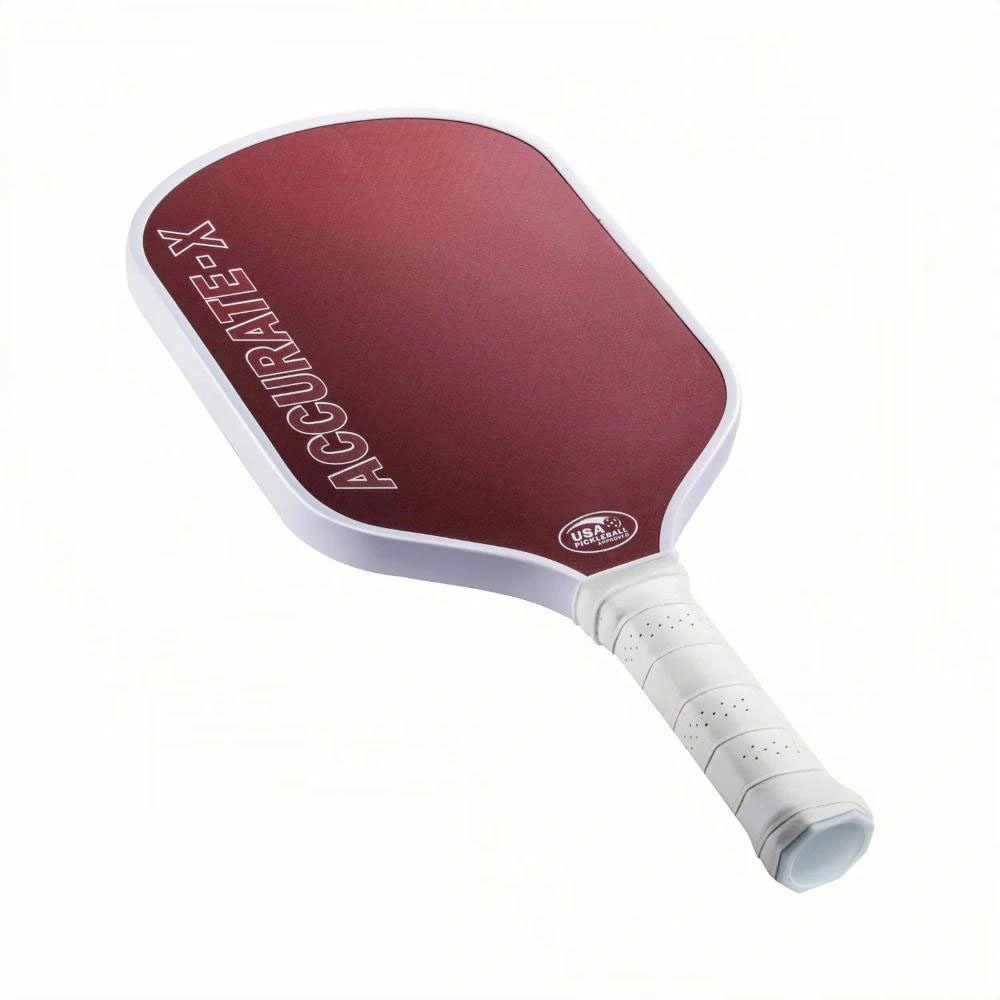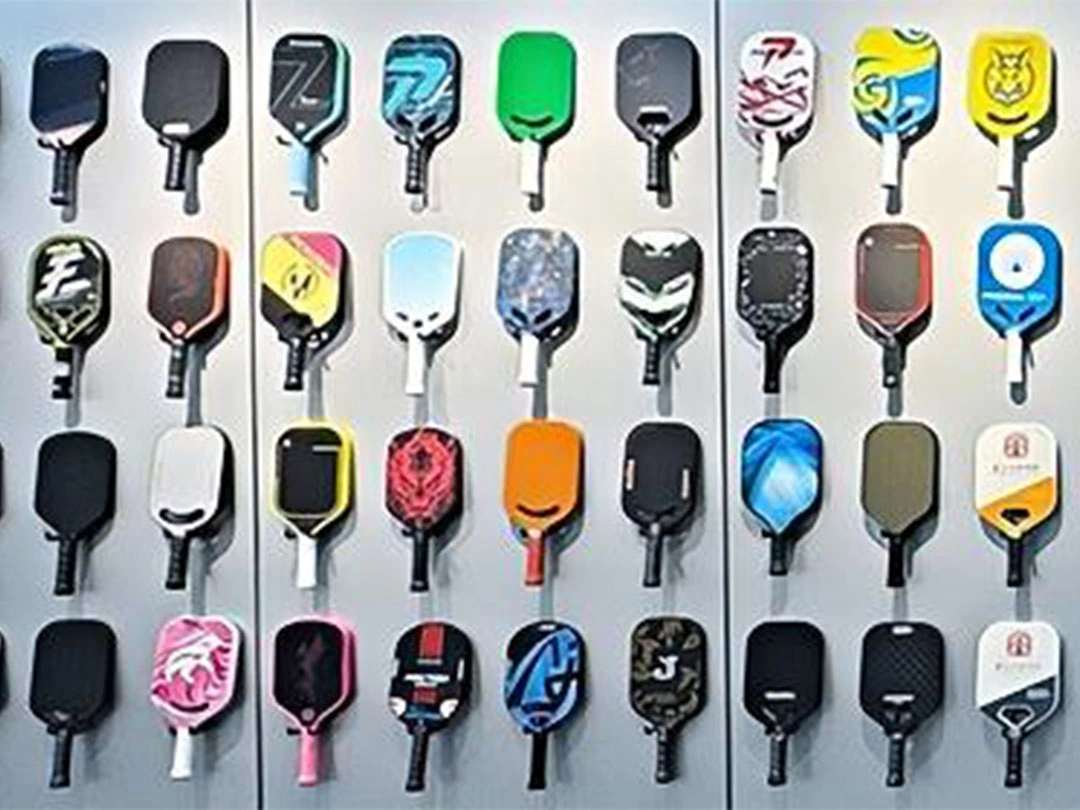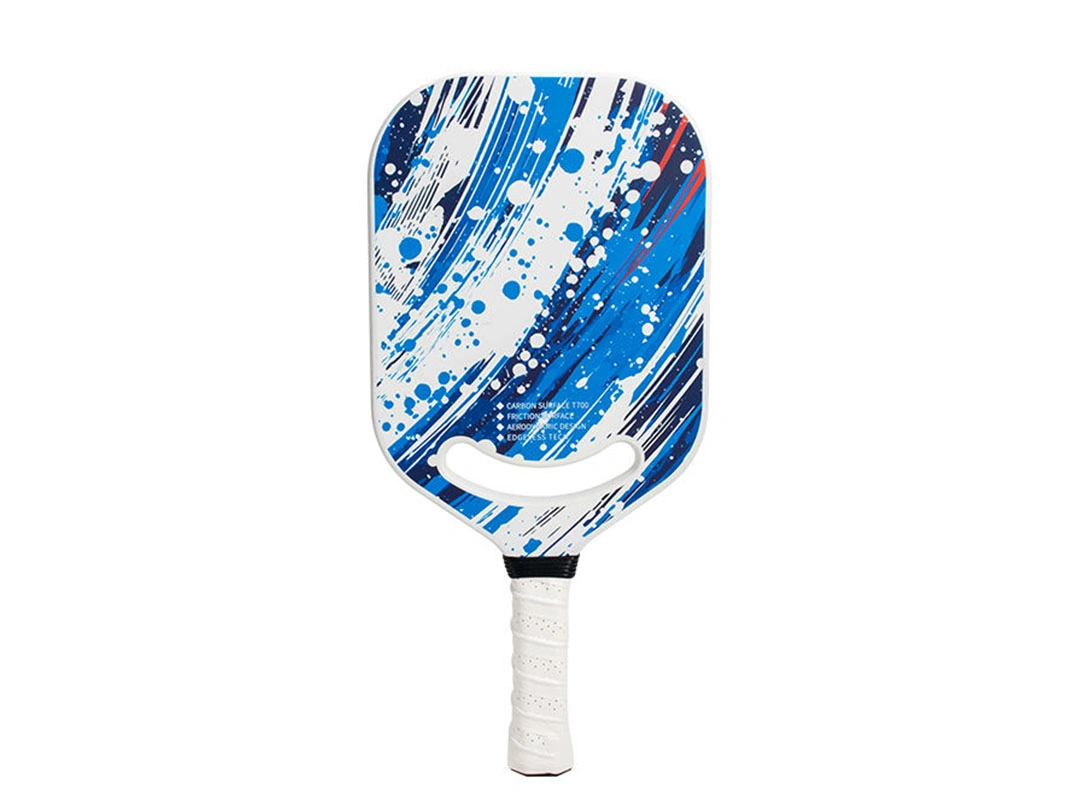
For brand owners, Amazon FBA sellers, and wholesalers building a business around pickleball, three words carry more financial risk than any other: delisted by USA Pickleball. They mean unsellable inventory, mandatory consumer refunds, and brand equity that took years to build — erased before the next trade show. In January 2026 alone, on-site testing at Golden Ticket tournaments revealed that 6% of all paddles tested — roughly 1 in 17 — were non-compliant.
This is not a theoretical risk. The $200 million countersuit that followed one major brand’s 2024 delisting is proof that manufacturing compliance has graduated from technical footnote to the foundation of your entire business model. One failed test, one non-compliant production batch, one sampling inconsistency: any of these can trigger the cascade.
In this guide, we break down the timeline of major paddle bans, the exact technical parameters your products must meet, the true costs of certification failures, and how choosing the right manufacturing partner for your 맞춤형 OEM 피클볼 패들 is your most effective defense against catastrophic losses.
A Timeline of Major Delistings (2022–2026)
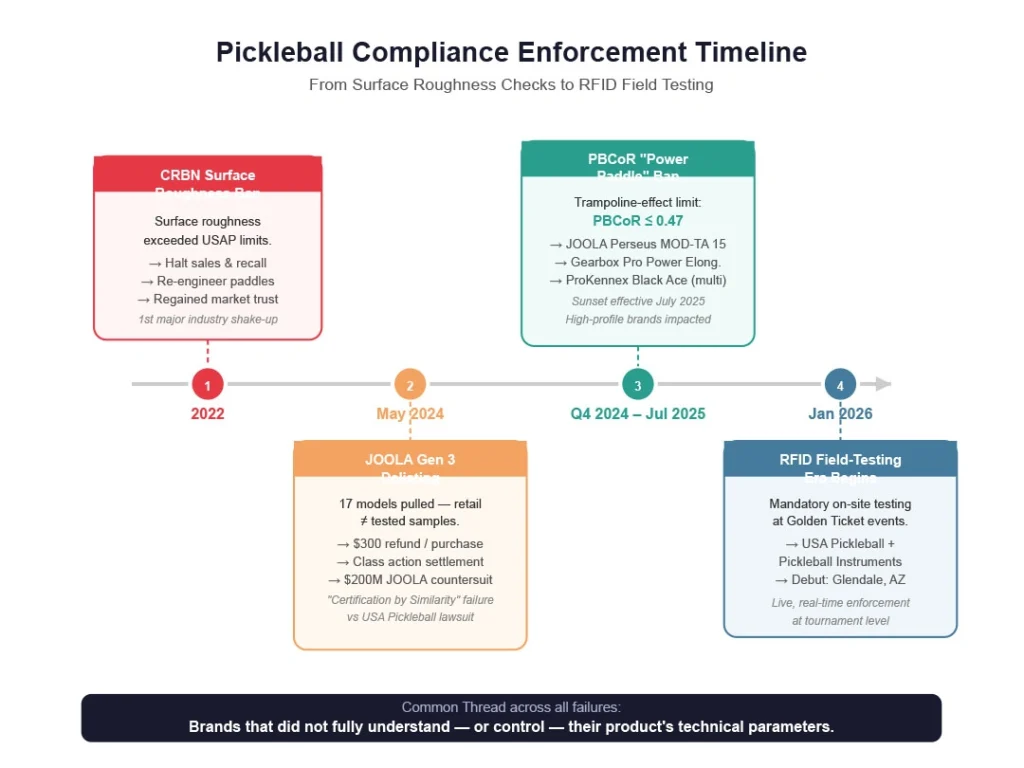
Understanding today’s compliance landscape starts with its history. Enforcement mechanisms have evolved rapidly — from basic surface roughness checks to complex energy-return metrics and live, on-site tournament testing. Each enforcement action has raised the stakes for every brand in the market.
- 2022: The CRBN Surface Roughness Ban
One of the first major industry shake-ups occurred when CRBN models were temporarily delisted. The governing body found that their surface roughness exceeded USAP limits. CRBN was forced to halt sales, recall inventory, and rapidly re-engineer their paddles before eventually regaining market trust. - May 2024: The JOOLA Gen 3 Delisting
USA Pickleball abruptly pulled 17 JOOLA Gen 3 models from its approved list. The core issue was a “Certification by Similarity” failure — the retail paddles sold to consumers did not match the physical samples originally submitted for testing. The result: a massive class action settlement providing $300 refunds per purchase, a lawsuit between JOOLA and USA Pickleball, and a staggering $200M countersuit filed by JOOLA. - Q4 2024 – July 2025: The PBCoR “Power Paddle Ban”
The introduction of the Paddle Ball Coefficient of Restitution (PBCoR) targeted the dangerous “trampoline effect” in modern paddles. With a threshold set at ≤0.47 in Q4 2024, high-profile paddles including the JOOLA Perseus MOD-TA 15, Gearbox Pro Power Elongated, and multiple ProKennex Black Ace models were slated for sunset effective July 2025. - January 2026: The RFID Field-Testing Era
USA Pickleball, alongside Pickleball Instruments, launched mandatory paddle field-testing at Golden Ticket tournaments, beginning in Glendale, Arizona.
Each of these failures shares a common thread: brands that did not fully understand — or fully control — the technical parameters governing their products. The five compliance parameters below define the current testing battlefield.
Why Paddles Get Banned: The 5 Compliance Parameters Explained
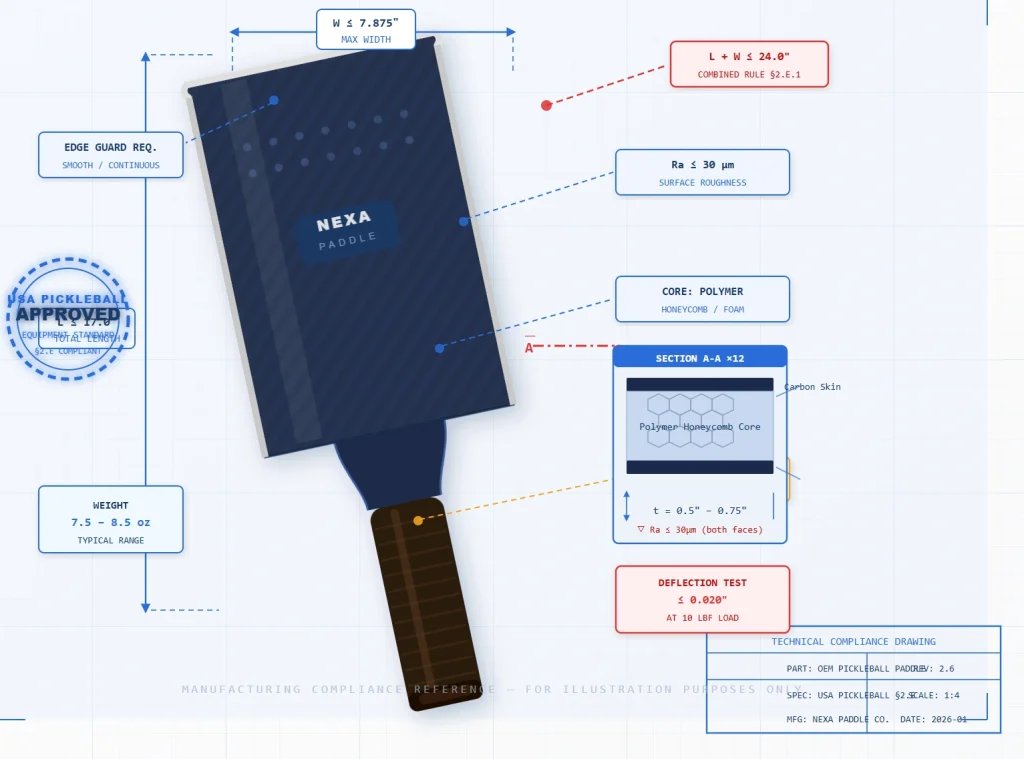
For B2B buyers, understanding exactly why paddles fail is the first step to preventing it. USA Pickleball enforces five primary tests for USAPA 승인을 받은 패들.
1. Surface Roughness
USA Pickleball controls surface roughness through Rt and Rz limits. Its current Equipment Standards Manual specifies Starrett SR160 or SR300, or equivalent, for official roughness measurement. Factory-side checks can support process control, but they should not be presented as official certification testing.
2. PBCoR (Paddle Ball Coefficient of Restitution)
This metric measures energy return. USA Pickleball’s published PBCoR not-to-exceed limit is 2025년 11월 1일부로 0.43. Buyers should verify the current Equipment Standards Manual and the exact certification status of the brand/model rather than relying on an older 0.47 threshold.
3. Dimensions
The combined length and width of a paddle cannot exceed 24 inches (609.6 mm), and maximum length is strictly capped at 17 inches (431.8 mm).
4. 코어 변형
Core deflection measures the stiffness of the paddle face. The paddle face must not depress beyond specific USAPA ranges when a standardized weight is applied. Excessive deflection results in illegal power generation.
5. COF (Coefficient of Friction)
Closely related to surface roughness, the Coefficient of Friction must remain within USAPA limits to ensure the paddle does not grip the ball excessively during slicing or topspin shots.
Of these five parameters, PBCoR has proven the most technically treacherous — and the hardest to control across a product’s full lifespan.
The PBCoR Power Problem: Why Thermoformed Paddles Fail Over Time
The PBCoR problem is particularly acute for 열형성 피클볼 패들, and it is more insidious than a simple manufacturing defect.
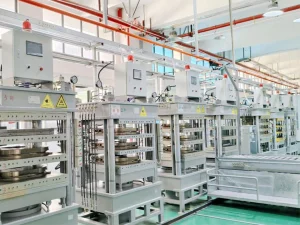
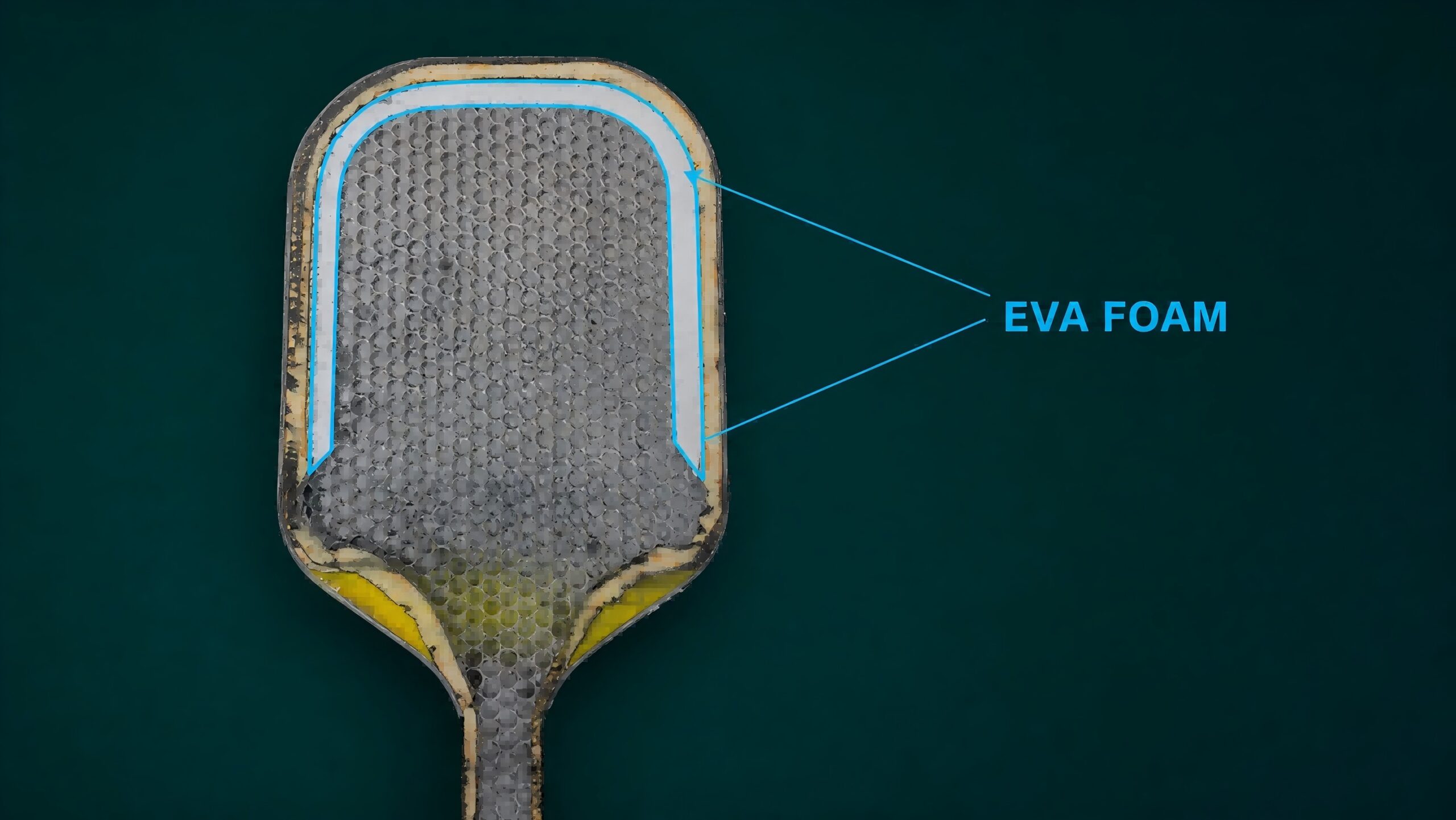
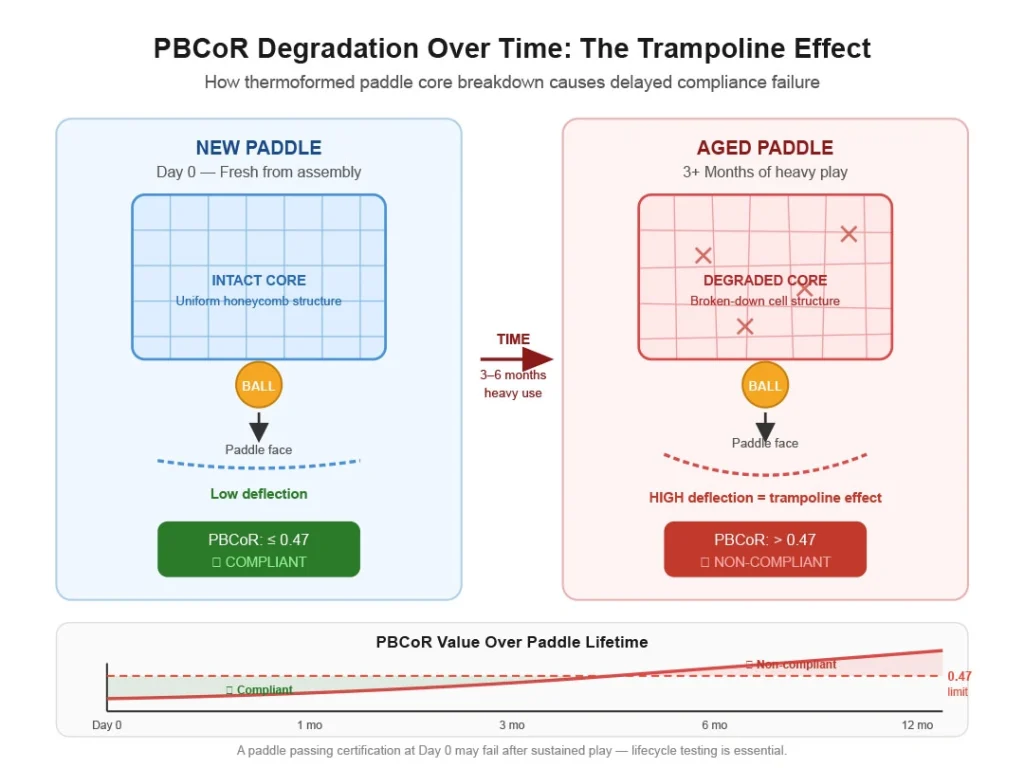
Thermoforming seals the paddle edges with carbon fiber under high heat and pressure, creating a unibody construction that is durable and powerful. But it introduces a dangerous variable: aging. Over time, the internal core of a thermoformed paddle can break down slightly, increasing the trampoline effect.
A paddle that passes the ≤0.47 PBCoR threshold fresh off the assembly line may exceed that threshold after three months of heavy play. This delayed failure mode is exactly what trapped brands in the Q4 2024 power paddle ban. Buyers must ensure their manufacturers are accounting for the full lifecycle degradation of advanced tech thermoformed paddles — 단순한 첫날 성능이 아닙니다.
이러한 매개변수를 잘못 설정했을 때의 재정적 결과는 — 대규모로 — 브랜드를 끝낼 만큼 심각합니다.
잘못하는 비용
가장 위험한 규정 준수 실패는 $4,500의 실험실 거부가 아니라 — 규정 준수 테스트 결과 후 비규정 준수 생산이 이어지는 것입니다. JOOLA Gen 3 시나리오를 고려해보세요: 승인된 샘플과 일치하지 않는 소매용 패들, 수천 개의 장치에서 구매당 의무적으로 $300의 환불, 그리고 $2억의 반소. 이것이 대량 생산 규정 준수 실패의 모습입니다. 패들 10,000개를 생산했는데 나중에 목록에서 제외되면, 세트백이 아니라 사업을 끝낼 사건을 직면하게 되는 것입니다.
테스트 단계에서 문제를 발견하는 것은 상대적으로 저렴합니다. 기본 인증 비용은 모델당 $4,500이며, 8개의 패들 샘플 제출이 필요합니다. 단일 거부는 전체 비용을 약 $9,400로 만들어 — 비싸지만 생존 가능한 수준입니다. 각 제출은 또한 4주에서 6주가 걸리므로, 거부는 시장 출시 시간을 전체 재정 분기만큼 지연시킬 수 있습니다.
테스트 비용 외에도 규제 환경은 이중 인증 시스템으로 분화되고 있습니다. USAPA가 일반 게임의 기준으로 남아 있는 동안, PPA 및 MLP 프로 이벤트에 대해서는 2025년 9월부터 UPA-A 인증이 필요합니다. 현재 브랜드는 전체 이중 승인 경로를 원활하게 내비게이션하기 위해 모델당 약 $6,000을 예산에 포함해야 합니다.
RFID 필드 테스트: 새로운 집행 현실
완벽하게 조정된 '황금 샘플'을 실험실에 제출하고 약간 비규정 준수인 패들을 대량 생산하던 시대는 끝났습니다. 2026년 1월부터 USA Pickleball과 Pickleball Instruments는 공격적인 현장 집행을 도입하였습니다.
글렌데일과 라스베이거스의 골든 티켓 토너먼트에서, 경쟁자가 가져온 2,000개 이상의 패들이 필드 테스트를 받았습니다. 결과는 업계에 경각심을 불러일으켰습니다: 장비 규정 준수 VP인 라일리 버지스는 경쟁에 가져온 패들 사이에 6%의 비규정 준수 비율이 있음을 보고했습니다.
이 필드 테스트는 두 단계로 진행됩니다:
- 1단계: 마찰 계수, 굴곡, 박리 감지 및 무게/균형 테스트.
- 2단계 (곧 도래): 현장 PBCoR 및 스핀 측정.
합격한 패들은 영구 규정 준수 기록에 연결된 디지털 RFID 스티커를 받게 됩니다. USA Pickleball의 CTO인 칼 슈미츠가 말했듯이: “장비의 무결성은 공정한 경쟁의 기본입니다. 이 현장 테스트 플랫폼은 성능 기준을 검증하고 투명성을 높이며, 가짜 장비를 식별하기 위한 기초를 마련할 수 있는 능력을 제공합니다.”
B2B 구매자에게 중요한 의미가 있습니다: 제조 배치가 기준에서 벗어나면 토너먼트 관계자들은 여러분의 고객의 손에서 이를 포착할 것입니다 — 여러분의 QC 실험실이 아닌 곳에서. 질문은 여러분의 패들이 테스트될 것인지입니다. 그 질문은 여러분의 제조 공정이 일관되게 통과할 수 있느냐입니다.
브랜드 보호 방법: 규정 준수 제조업체 선택
모서리를 잘라내는 공장을 믿는 것은 결국 실패한 필드 테스트를 초래할 것입니다. 브랜드를 방어하기 위해서는 가장 일반적인 다섯 가지 제조 실패 모드에 적극적으로 대처해야 합니다:
- 한계 초과 스프레이 분사: 잘 조정되지 않은 적용은 코팅이 마르면 Rt를 40 µm 이상으로 쉽게 밀어낼 수 있습니다.
- 열 성형 PBCoR 노화: 패들 코어가 6개월 사용 후 어떻게 변하는지 시뮬레이션하지 않음.
- 치수 허용 오차 변화: 대량 생산 중 불일치한 절단 및 성형으로 인해 치수가 결합된 24인치 한계를 초과함.
- 표면 처리 일관성의 결여: 다양한 생산 배치에서 표준화된 QC 부족.
- 검증되지 않은 코팅 화학 물질: 마찰 계수를 예기치 않게 변경할 수 있는 실험적 페인트 또는 수지 사용.
대량 생산을 승인하기 전에 문서화된 배치 수준의 품질 관리 데이터를 요구하고, 이를 제공할 수 없는 제조업체와는 거래를 중단하세요.
다음 사례 연구는 그 표준이 실제로 어떻게 보이는지 보여줍니다.
NexaPaddle의 규정 준수 우선 접근법
After a decade and B2B brands across multiple markets served, one pattern holds across every brand that has never faced a compliance crisis: they treat certification limits as a floor, not a ceiling. That principle drives NexaPaddle’s 5-stage manufacturing protocol — not to meet USAPA standards, but to build a measurable safety buffer into every 탄소 섬유 피클볼 패들 우리가 생산합니다.
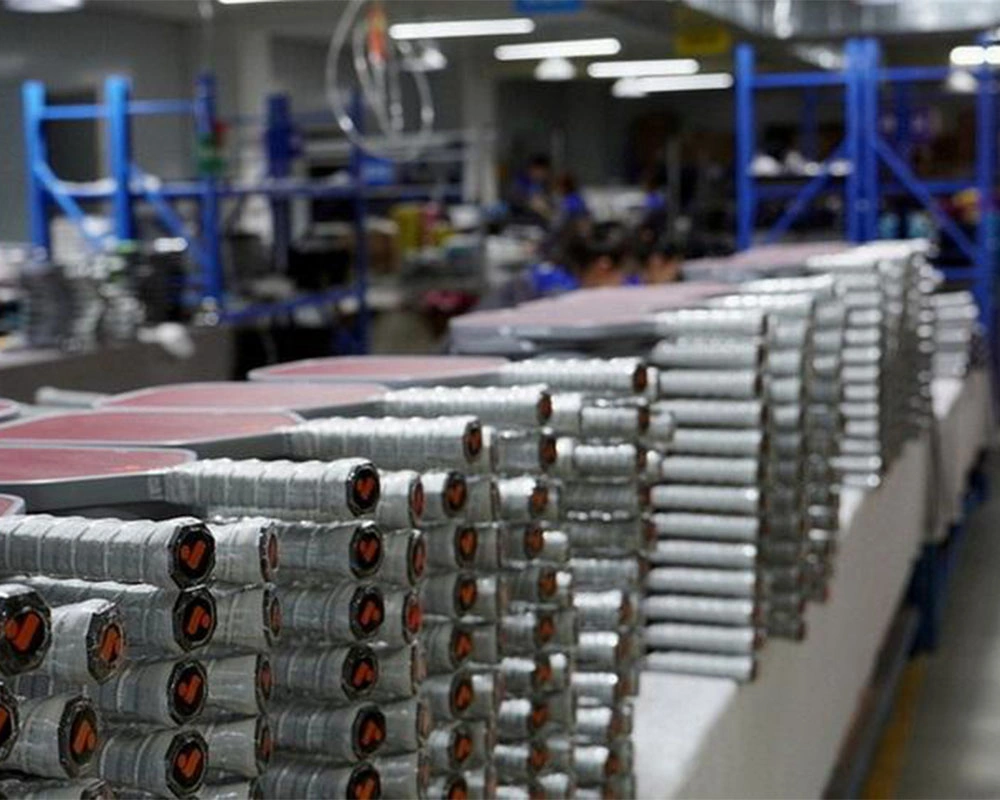
NexaPaddle publishes first-party QA imagery and describes a factory-side inspection workflow. That public evidence does not currently verify a company-wide Rt/Rz or PBCoR guard band, a specific calibrated profilometer, testing after every coating stage, accelerated-aging predictions, or guaranteed field compliance months after shipment.
For a compliance-sensitive OEM project, define the approved specification, sampling plan, measurement method, change-control rules and any required third-party or governing-body testing before production. Treat internal factory checks as process controls, not certification.
자주 묻는 질문
u003cstrongu003eHow much does it cost to get a pickleball paddle USAPA certified?u003c/strongu003e
Certification fees, sample quantities and re-submission charges change by program and year. Verify the current fee and submission schedules directly with USA Pickleball and UPA-A before budgeting; do not use an older fixed per-model figure as a current quote.
u003cstrongu003eWhat is PBCoR and why are paddles being banned for it?u003c/strongu003e
PBCoR stands for Paddle Ball Coefficient of Restitution. It measures the energy return or “trampoline effect” of a paddle. The current threshold is ≤0.47, with expectations it will tighten to ≤0.43. Paddles that exceed this limit generate dangerous ball speeds, leading to bans affecting models from JOOLA and ProKennex scheduled for July 2025.
u003cstrongu003eCan a paddle pass certification but fail later?u003c/strongu003e
Yes. This is a common issue with thermoformed paddles, where internal core breakdown over time increases PBCoR beyond the legal threshold. Additionally, USA Pickleball’s RFID field-testing program at tournaments is specifically designed to catch mass-production paddles that deviate from the original approved prototypes — whether due to aging or manufacturing inconsistency.
u003cstrongu003eHow does the new tournament field testing work?u003c/strongu003e
Starting in January 2026, USA Pickleball began using on-site field testing at tournaments. Phase 1 tests for friction, deflection, delamination, and weight. Passing paddles receive a digital RFID sticker. In early testing of over 2,000 paddles, officials found a 6% non-compliance rate among players’ equipment.
u003cstrongu003eWhat should I require from my OEM manufacturer before committing to a mass production run?u003c/strongu003e
Before authorizing production, demand documented evidence of the following: batch-level surface roughness measurements (Rt and Rz) showing results below — not merely at — the official USAPA limits; internal PBCoR targets with a compliance buffer below ≤0.47; and, for thermoformed models, project-specific validation data for any durability or break-in claim that matters to the buyer. You should also clarify the contractual liability if a finished batch fails USAPA certification or RFID field testing — specifically who absorbs the cost of the $4,500 resubmission fee, retooling, and any launch delay. NexaPaddle’s u003ca href=u0022https://nexapaddle.com/custom-paddles/u0022 target=u0022_blanku0022 rel=u0022noreferrer noopeneru0022u003ecustom paddle programu003c/au003e can scope the documentation required for the specific project; availability should be confirmed before production.
참고자료
- USA Pickleball 장비 기준 및 인증 업데이트 — usapickleball.org/equipment/paddle-certification-updates/
- USA Pickleball의 비인증 JOOLA 패들에 관한 성명 (2024년 5월) — usapickleball.org
- JOOLA Gen 3 집단 소송 합의 — 구매당 $300 환불을 제공하는 집단 소송; JOOLA는 USA Pickleball에 대해 $2억 반소를 제기했습니다.
- USAP NPRM 24-002: PBCoR 테스트 요구사항 문서 — equipment.usapickleball.org/docs/pbcor-testing.pdf
- Pickleheads: USA Pickleball이 승인 목록에서 7개의 패들을 제거합니다. (2025년 1월 9일) — pickleheads.com
- USA Pickleball 및 피클볼 기기 필드 테스트 프로그램 발표 (2026년 1월 16일) — usapickleball.org
- USA Pickleball 패들 필드 테스트 결과 — 장비 준수 담당 부사장인 Riley Burgess: 2,000개 이상의 패들이 테스트되었으며, 6% 비준수율(2026)
- USA Pickleball의 CTO 칼 슈미츠 — RFID 필드 테스트 기반 시설을 통한 장비 무결성 및 위조 감지에 대한 성명
- USA Pickleball Equipment Standards Manual — current official paddle testing requirements and surface-roughness procedure
- NexaPaddle Supplier Proof & Factory Evidence — first-party factory, QA-process and evidence-boundary record