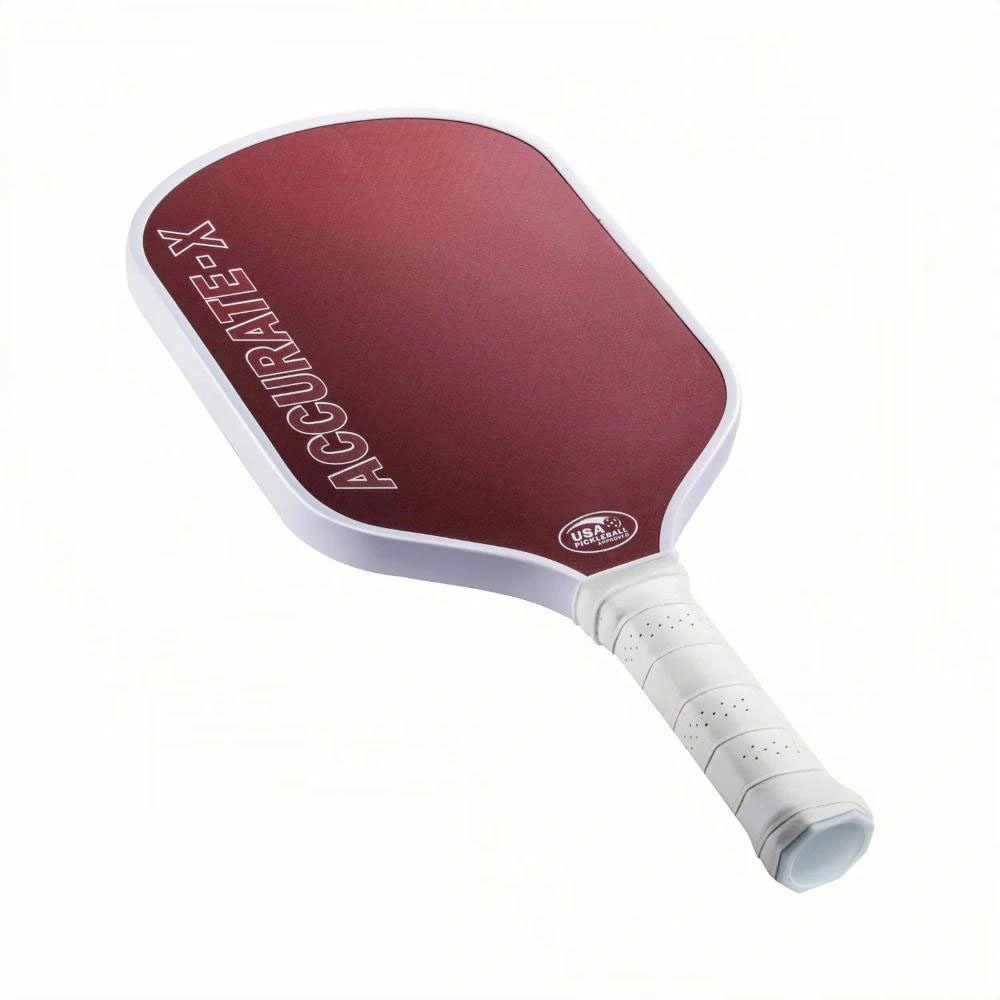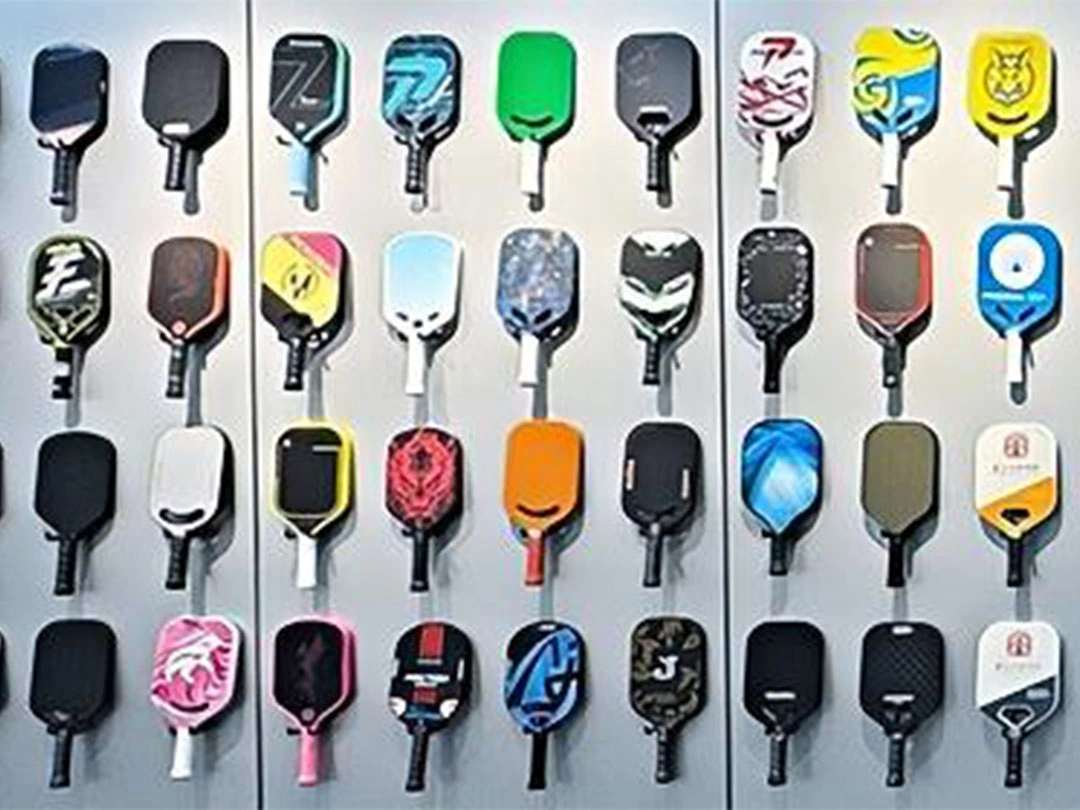
Quick answer: An OEM pickleball paddle is manufactured by a factory for another brand to sell under that brand’s name. OEM does not automatically mean low quality or high quality. Quality depends on the specification, materials, manufacturing process, sampling, batch controls, and how well the production paddle matches the approved reference.
For material-led sourcing, compare our carbon fiber pickleball paddle manufacturing options alongside the broader OEM program.
What does OEM mean in pickleball paddles?
OEM stands for Original Equipment Manufacturer. In a pickleball sourcing project, the brand defines the product requirements and commercial identity while the factory manufactures the paddle. The level of customization can range from an existing construction with new branding to deeper product engineering.
This is different from simply buying retail paddles and reselling them. A structured OEM project should include a product specification, approved sample, artwork and packaging files, production acceptance criteria, and a clear responsibility for any compliance submission.
OEM vs private label vs ODM
- OEM: the factory manufactures to the brand’s defined requirements. The project can use existing or custom tooling.
- Private label: usually starts from an existing factory platform and changes branding, graphics, packaging, grip, and selected specifications.
- ODM: the factory provides more of the underlying product design, while the buyer selects or adapts a factory-developed platform.
These terms are often used loosely in the market. The practical question is not the label—it is which parts of the product are fixed, which are customizable, who owns the tooling or design, and what the factory must reproduce on every batch.
Are OEM pickleball paddles good?
They can be. OEM is a manufacturing relationship, not a performance grade. A strong OEM paddle comes from a clear specification and repeatable production controls. A weak OEM paddle can come from vague requirements, uncontrolled material substitutions, or approving a sample without defining what must remain consistent in production.
What determines OEM paddle quality?
- Face and core material specification
- Shape, thickness, handle geometry, and weight target
- Bonding and forming process
- Surface finish and texture process
- Balance and production tolerances
- Approved sample and batch inspection method
- Packaging and labeling accuracy
- Compliance requirements for the target market
For first-party factory and QA evidence, see NexaPaddle’s Supplier Proof & Factory Evidence Hub et QA lab guide. These help with supplier qualification but do not replace current third-party certificates or inspection reports when a project requires them.
How an OEM pickleball paddle project works
- Define the buyer and product job: target player, channel, price position, and performance goal.
- Choose the manufacturing route: existing platform, private-label customization, or deeper custom OEM.
- Build samples: confirm structure, feel, artwork, grip, packaging, and acceptance criteria.
- Freeze the approved specification: identify what production must reproduce.
- Plan compliance: if tournament listing or other testing is required, apply it to the exact submitted brand and model.
- Approve production: use documented QC checks against the approved specification.
- Reorder consistently: control material and specification changes between batches.
What should a buyer ask an OEM factory?
- Which constructions use existing tooling?
- Which changes require new tooling or a higher MOQ?
- How are sample revisions controlled?
- What production tolerances can be written into the order specification?
- How are material substitutions handled?
- What QA checks are documented before shipment?
- Which third-party tests or inspections can be arranged for the project?
- How are packaging, labels, and carton requirements approved?
OEM paddles and USA Pickleball compliance
If a paddle is intended for sanctioned competition, the brand should plan current USA Pickleball requirements early. Internal factory checks can help identify avoidable issues, but they do not grant official status. Official status applies to the exact submitted brand and model under the current rules.
Use the current USA Pickleball equipment standards and NexaPaddle’s submission and compliance roadmap for deeper planning.
When should you choose OEM instead of a stock product?
OEM makes sense when the brand needs control over product position, specification, packaging, or repeatability. If the goal is a small event giveaway or a very fast promotional order, a simpler stock or white-label route may be more efficient. If the goal is a long-term paddle line, OEM or private label provides more control over what customers receive and what can be reordered.
For the broader company, production-footprint and generic factory evaluation, use NexaPaddle’s pickleball paddle manufacturer, factory and supplier overview. This article remains focused on explaining OEM sourcing and development decisions.
Where to go next
If you are researching the concept, use this page as the informational guide. If you are ready to compare production platforms, sampling, customization, packaging, and project quotes, go to the custom OEM pickleball paddle manufacturing options.