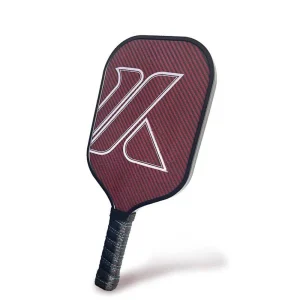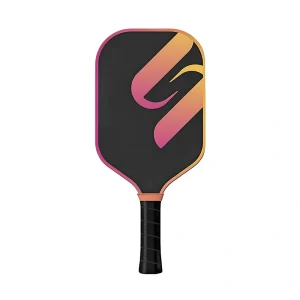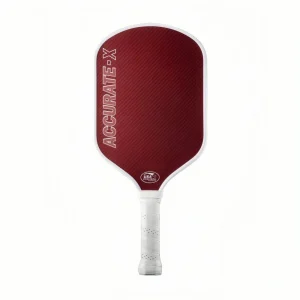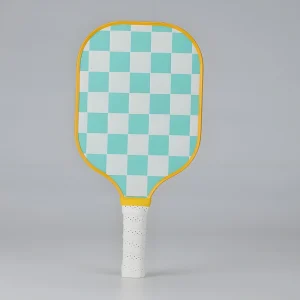
Gen 3 Pickleball Paddles | Thermoformed OEM Platform
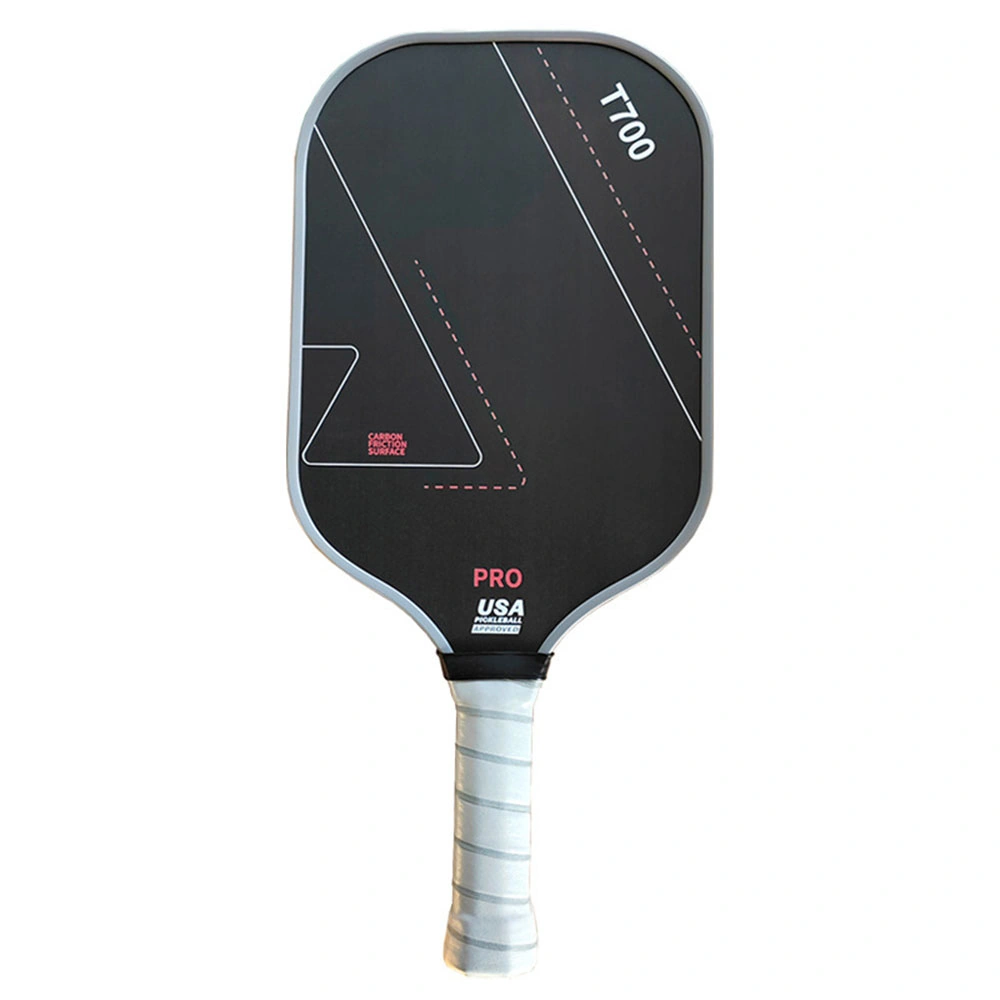
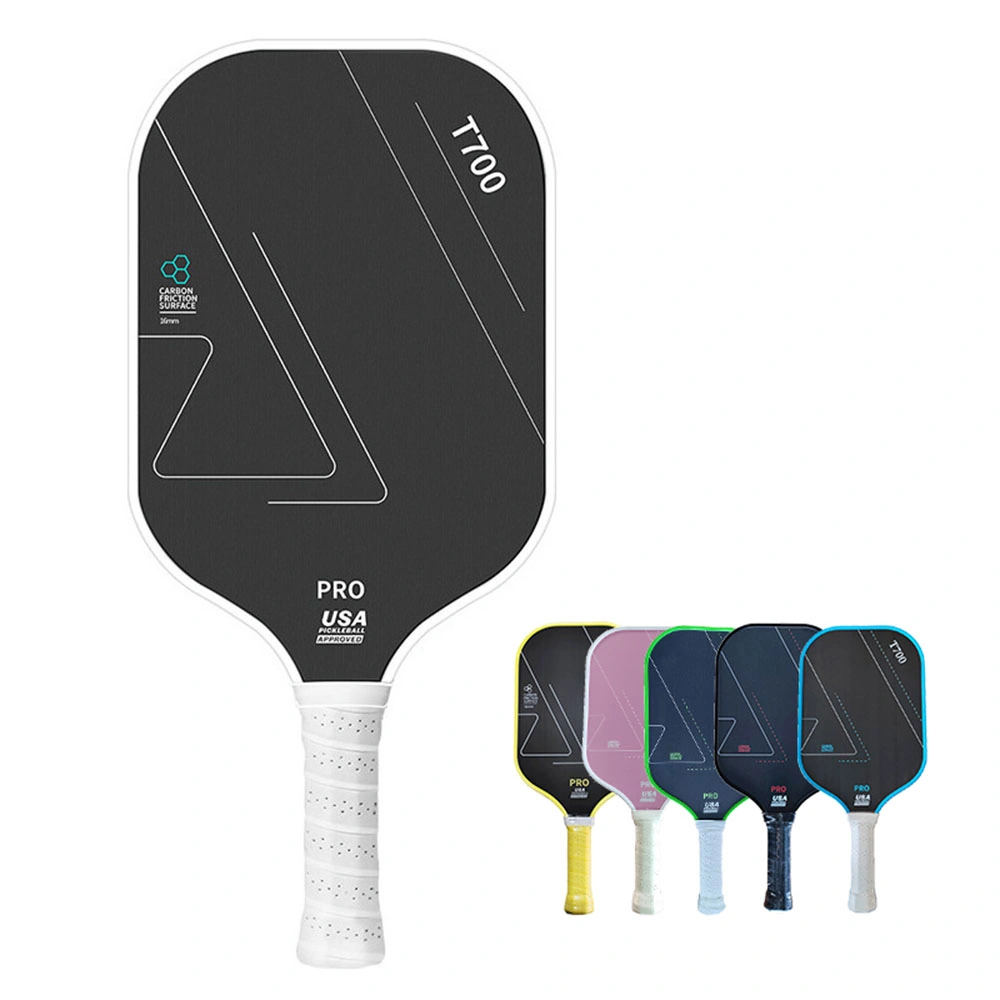
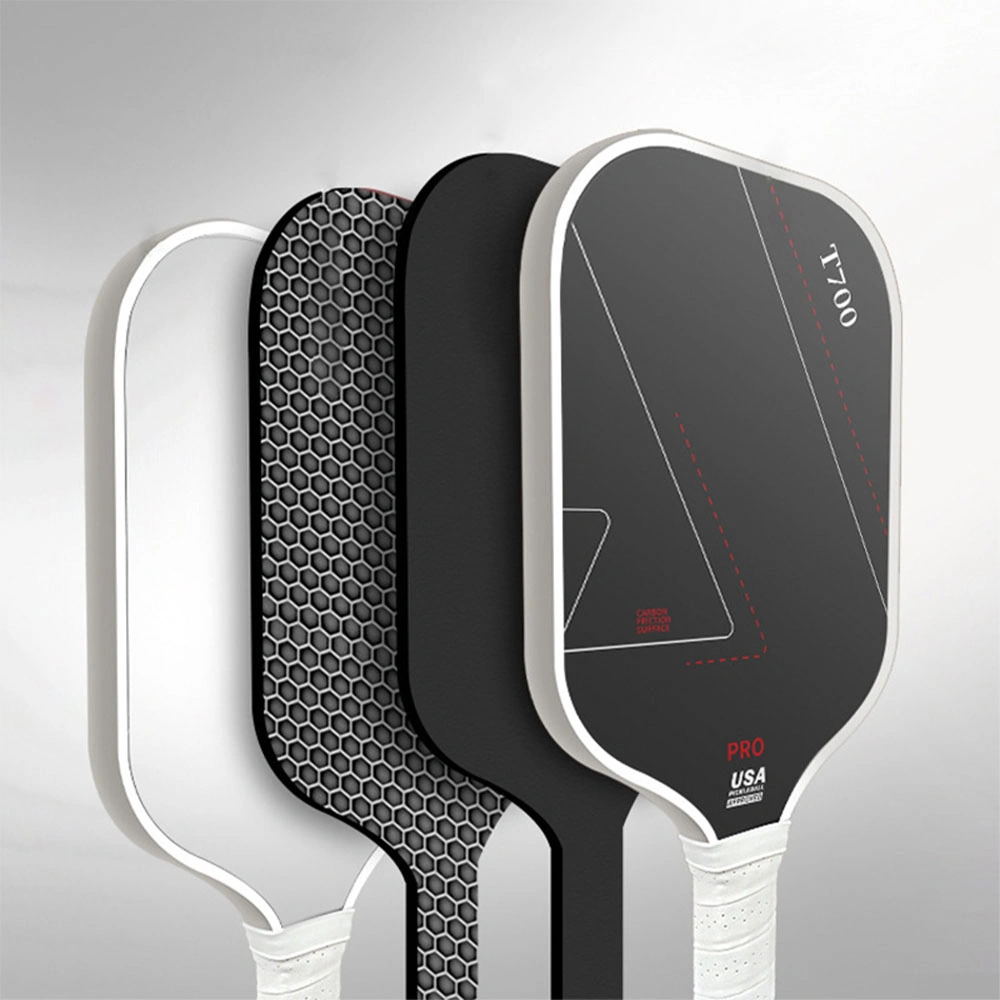
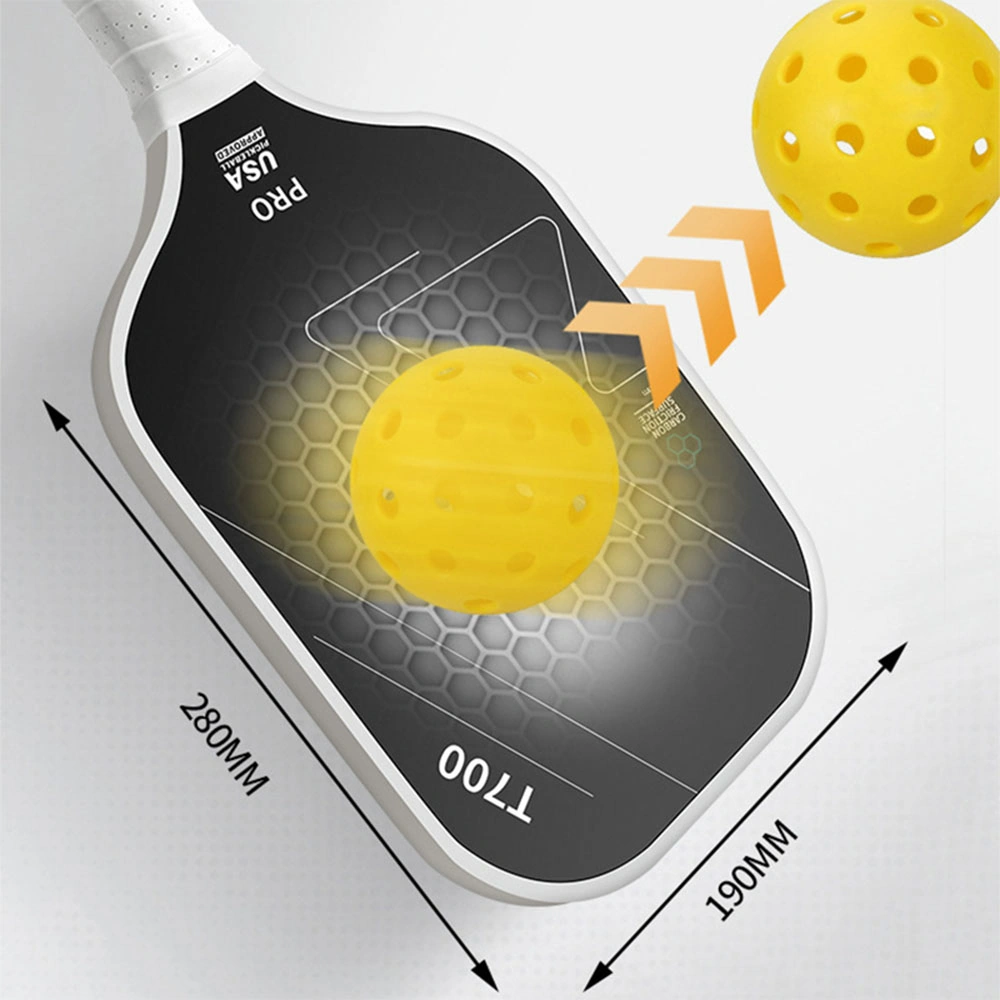
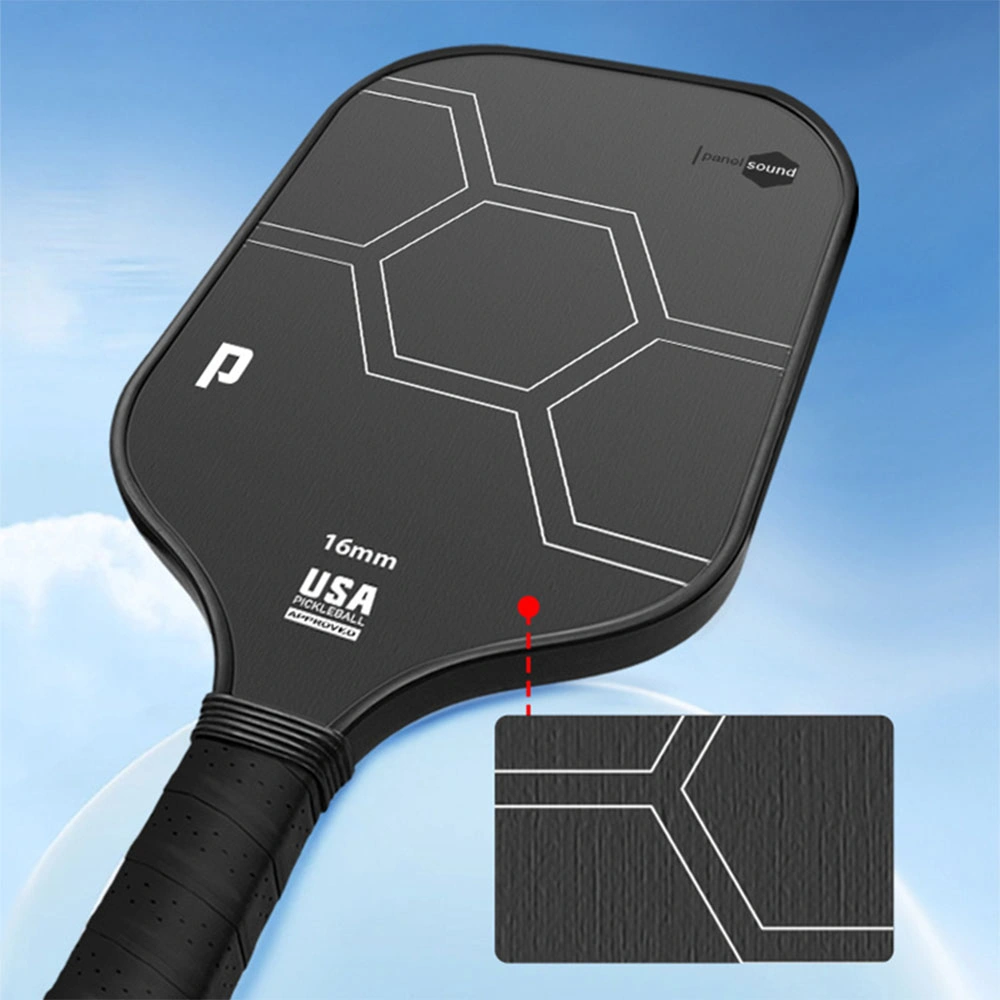
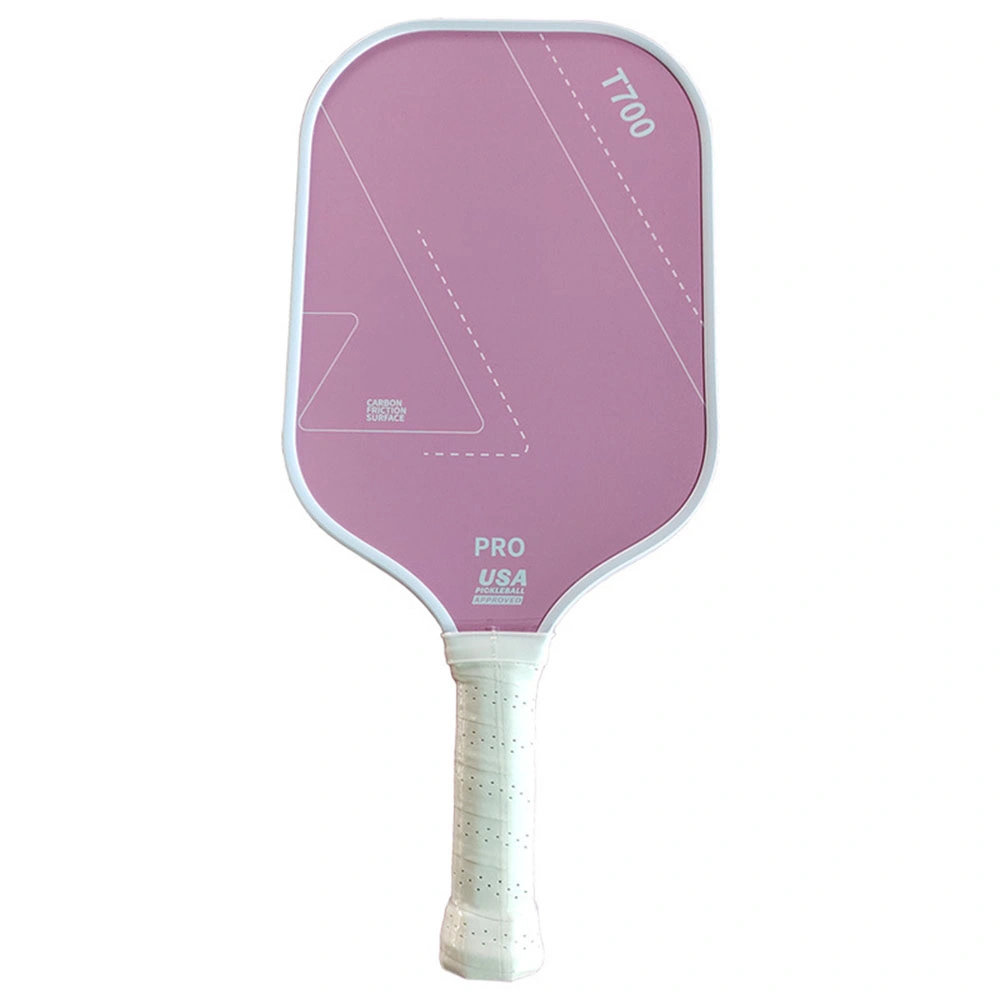
Gen 3-style thermoformed pickleball paddle construction with carbon-face, foam-edge and private-label options for product-specific OEM programs.
- Palas Avanzadas & Termoconformadas, Palas de Pickleball de Fibra de Carbono, Palas de Pickleball Personalizadas & OEM, Palas por Material, Palas por Rendimiento, Private Label Pickleball Paddles, Palas de Pickleball Profesionales & Avanzadas, Palas de Fibra de Carbono T700, USA Pickleball Compliance Support
Descripción
Product role: This page covers Gen 3-style thermoformed pickleball paddle construction for OEM and private-label product programs. It is not NexaPaddle’s generic OEM sourcing page; for broad OEM enquiries, use the OEM pickleball paddle development hub.
For the broader commercial construction family beyond Gen 3 positioning, browse Palas de Pickleball Termoconformadas.
Gen 3 pickleball paddle construction
Gen 3-style paddles generally combine thermoformed construction with a perimeter reinforcement or foam-edge concept to create a stiffer, more integrated structure than basic cold-press designs. The exact performance depends on the full specification, not the generation label alone.
Thermoformed unibody structure
A thermoformed build uses controlled heat and pressure to form the face, edge structure, and handle-area laminate into a more integrated assembly. The purpose is to improve structural consistency and reduce weak transition points between the face and handle.
Perímetro inyectado con espuma
Perimeter foam can change stiffness, edge stability, vibration behavior, and the effective feel of the sweet spot. Foam density, placement, core construction, and overall weight distribution must be treated as one system rather than independent marketing features.
Common material options
- Cara: T700 carbon, T800 carbon, or selected hybrid materials depending on target feel and positioning.
- Núcleo: polypropylene honeycomb or other project-specific core structures.
- Perimeter: foam-edge or reinforced constructions where appropriate.
- Geometry: standard, widebody, elongated, or project-specific shapes using existing or custom tooling.
- Finish: artwork, surface treatment, grip, edge guard, cap, and packaging are specified separately.
What to validate during sampling
- Finished weight and balance target
- Handle geometry and grip feel
- Face and core material match
- Surface finish and appearance
- Bonding and structural consistency
- Artwork and branding placement
- Packaging fit and labeling
- Any project-specific test requirements
The approved sample should become the production reference. Changes to materials, geometry, surface process, or core construction should be reviewed before a reorder rather than treated as invisible substitutions.
Compliance and pre-submission checks
For tournament-focused projects, NexaPaddle can support internal pre-submission checks and production-consistency controls. These checks do not guarantee approval. Official USA Pickleball status applies only to the exact submitted brand and model after the relevant official process.
See the Supplier Proof & Factory Evidence Hub for factory and QA evidence, and the QA lab guide for the testing workflow.
When Gen 3-style construction fits a product line
This construction is most relevant when the brand wants a performance-oriented paddle and can support controlled sampling, specification lock, and batch consistency. It is not automatically the best option for beginner, school, club, promotional, or value-focused programs.
Request a Gen 3 project review
Send the target player, shape, thickness, weight direction, material preference, expected quantity, artwork status, packaging requirements, target market, and launch window. NexaPaddle can then confirm whether an existing platform or a deeper custom route is a better fit.