Quick answer: If you want to build your own pickleball paddle for a commercial brand, the process is product development rather than DIY fabrication: define the use case, select a construction, create samples, test and revise them, freeze the production specification, then move into packaging and repeatable manufacturing.
If your goal is broader business planning—niche selection, sales channels, launch budget, compliance, and first reorder—use the How to Start a Pickleball Paddle Brand in 2026 guide. This page focuses specifically on turning a paddle concept into a production-ready product.
If you want to launch your brand from an existing production platform with custom artwork, packaging and selected specification changes, use the Private Label Pickleball Paddles program. Use deeper OEM development when geometry, construction, tooling or engineering validation must change.
1. Define the paddle’s job
Start with the player and use case. A control paddle, two-handed-backhand paddle, club starter paddle, quiet-play product, and premium flagship all require different trade-offs. Define the job before specifying materials.
nFor a practical product-role framework, watch our Pickleball Paddle Spec vs SKU video guide, which explains why the most advanced specification is not always the strongest SKU.
n2. Choose an existing platform or custom structure
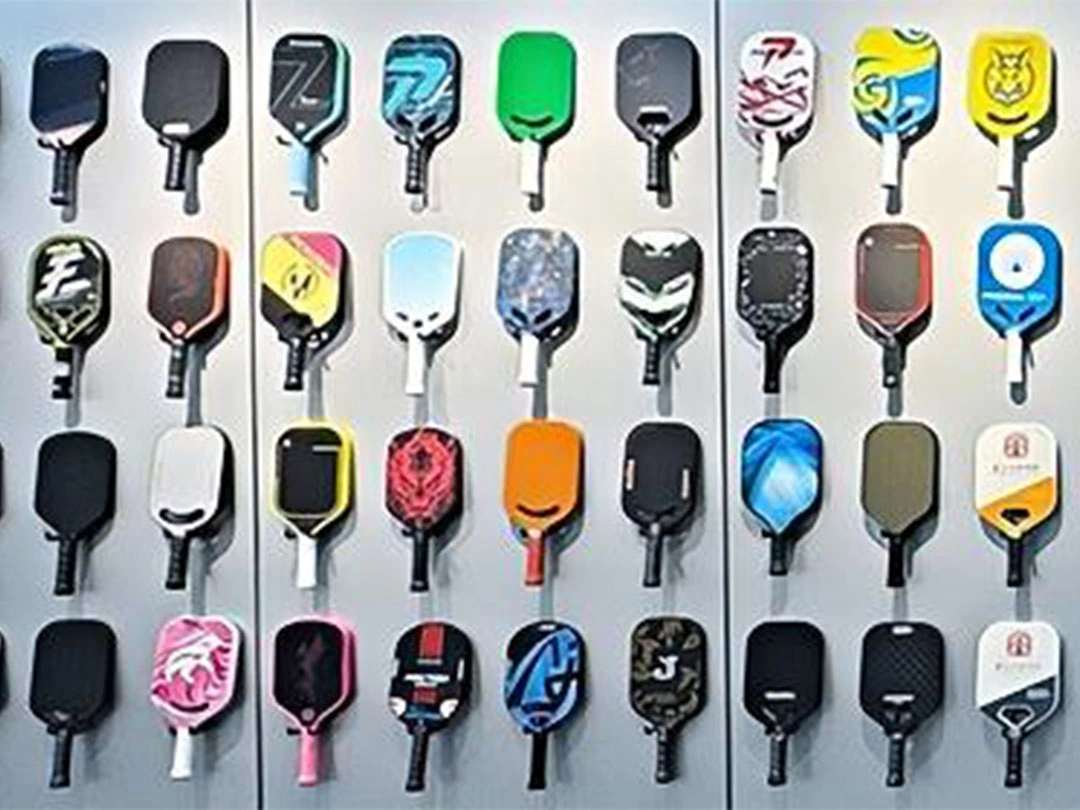
Existing tooling can shorten development and reduce risk. Custom tooling makes sense when the geometry or construction is central to the product idea. Private-label programs sit between the two: the base construction may already exist while graphics, grip, packaging, and selected specifications are customized.
3. Write a product specification
- Target player and use case
- Shape and overall dimensions
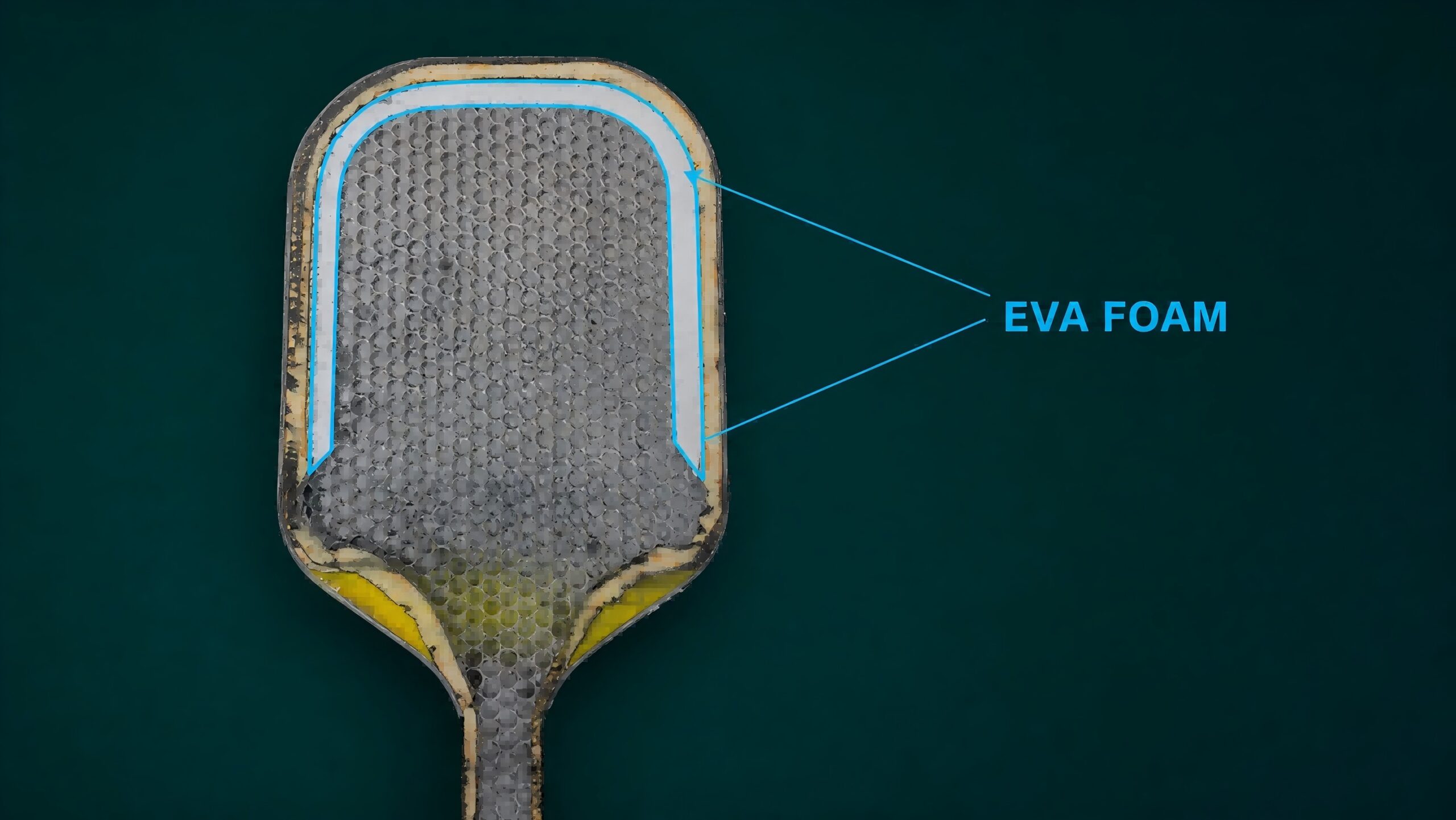
- Core construction and thickness
- Face material
- Handle length and grip requirements
- Weight and balance direction
- Surface/finish requirements
- Artwork and branding
- Verpackung
- Target market and compliance requirements
4. Build the first sample
The first sample should answer structural questions before the brand invests heavily in artwork or packaging. Confirm whether the shape, weight distribution, handle, and construction direction are right. Record changes instead of relying on verbal feedback.
5. Create a production-intent sample
After the major design direction is accepted, produce a sample that is as close as practical to the intended production materials, artwork, grip, and packaging. This is the stage where the buyer should define measurable acceptance criteria.
6. Freeze the approved reference
The approved reference is the version production should reproduce. A useful specification identifies not only what the paddle should look like, but which materials and process choices cannot change without approval.
7. Plan testing and compliance
If the paddle will be marketed for sanctioned tournament play, plan current USA Pickleball requirements before mass production. Internal pre-testing can reduce avoidable risk, but official status is determined through the official process for the exact submitted brand and model.
8. Move from sample to production
- Approve the final artwork and packaging files
- Confirm tooling and material readiness
- Define production and QC checkpoints
- Confirm the order-specific MOQ and schedule
- Approve carton and shipment requirements
- Retain the approved specification for future reorders
How to evaluate the factory during product development
A useful supplier should be able to explain what is existing tooling, what requires new tooling, which variables affect MOQ, how sample changes are recorded, and how production is compared with the approved reference.
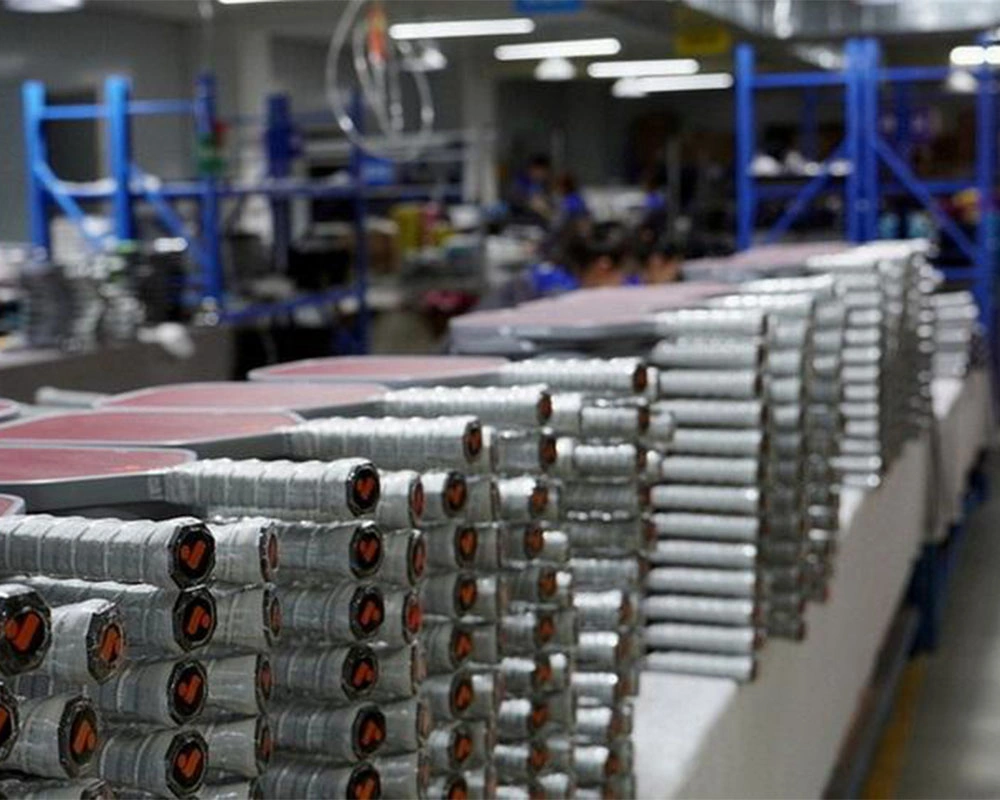
Review NexaPaddle’s Supplier Proof & Factory Evidence Hub for the current company/factory footprint, first-party factory media, QA evidence, and verification boundaries.
If you are moving from research into a production brief, use the OEM pickleball paddle development hub to compare construction routes, sampling, tooling, packaging, and project-specific requirements.
Ready to turn a paddle concept into a sample?
Send your target buyer, reference paddle or concept, preferred shape, construction direction, quantity range, artwork status, target market, and launch window.