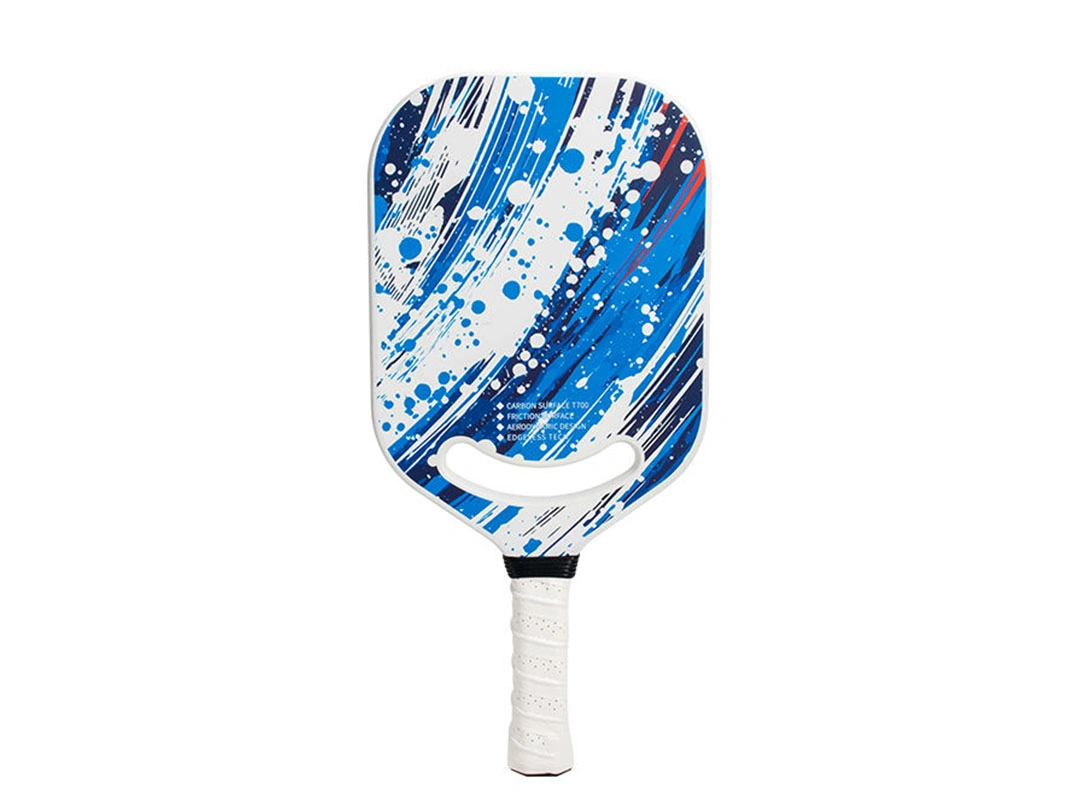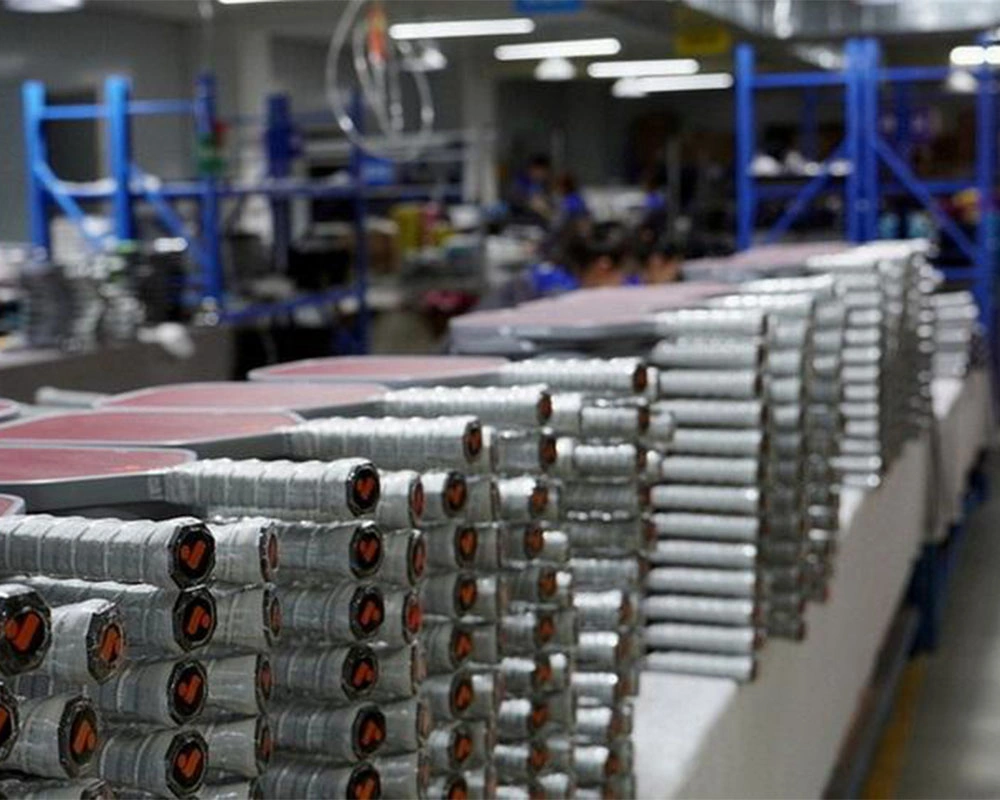
Quick answer: To start a pickleball paddle brand in 2026, define one buyer and one product position first, choose the right manufacturing model, build and test samples, lock the production specification, plan packaging and compliance for the exact sales channel, then launch with enough cash and lead-time buffer to support the first reorder. The biggest mistake is treating the factory quote as the strategy.
Before approving a production reference, use the pickleball paddle sample approval checklist to connect the physical sample with its written specification, artwork, packaging and change-control record.
For the product-development layer behind that strategy, watch the Pickleball Paddle Spec vs SKU video guide. It covers product role, over-specification, spec lock, supplier comparison and reorder logic.
This guide is for founders, distributors, creators, clubs, and sporting-goods buyers who want to build a real paddle brand—not simply print a logo on a generic product. It focuses on the decisions that affect product differentiation, supplier risk, launch timing, and repeatability.
1. Start with a buyer, not a paddle specification
Before requesting samples, decide who the first product is for and where it will be sold. A paddle built for a club starter program should not use the same cost structure or feature story as a performance-focused direct-to-consumer launch.
- Zielkäufer: beginner, club player, performance player, retailer, event buyer, school, or corporate program.
- Sales channel: Amazon, Shopify/DTC, distributor, pro shop, club, marketplace, or wholesale account.
- Price position: decide the target retail band before choosing materials so the factory can work backward from a realistic cost structure.
- Reason to exist: define one clear advantage such as easier control, lighter handling, two-handed-backhand geometry, quiet-play positioning, distinctive design, or a specific B2B program.
A narrow first SKU is easier to explain, sample, photograph, advertise, and reorder. You can expand the line after you know what customers actually respond to.
2. Choose the right manufacturing model
White-Label
White-label uses an existing finished or near-finished factory platform with minimal changes. It is useful for fast validation, events, simple promotional programs, or buyers who care more about branding than structural differentiation. The trade-off is low product defensibility.
Private-Label
Private-label usually starts from an existing mold or proven construction and changes artwork, colors, grip, packaging, and selected specifications. For many new brands, this is the most practical balance between speed, differentiation, and development risk. See NexaPaddle’s private-label paddle workflow for the narrower sourcing process.
Custom OEM
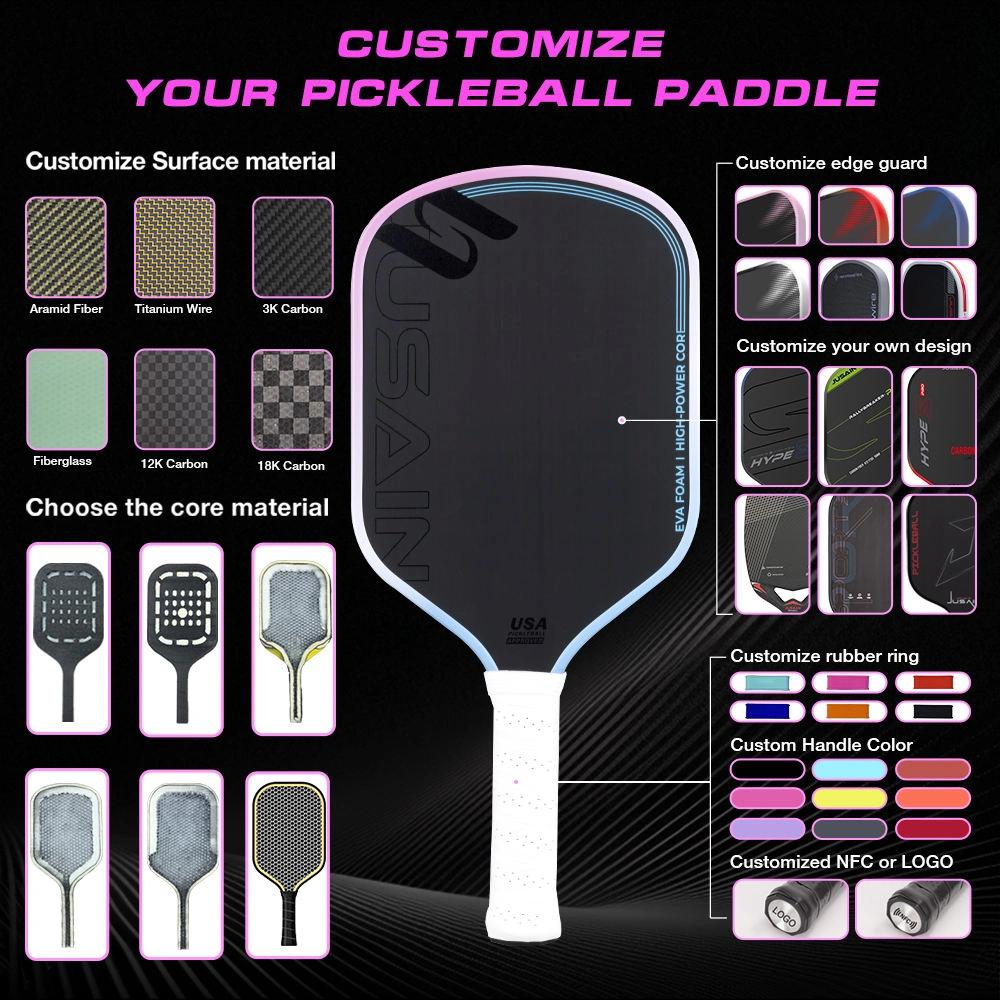
Custom OEM changes deeper product elements such as shape, material stack, construction, balance target, handle geometry, or tooling. It makes sense when the product itself is part of the brand moat and the team can support more development work, sampling, testing, and production control. For factory-facing requirements, use the custom OEM paddle program rather than treating this guide as a manufacturer product page.
3. Build a product brief before asking for a quote
A useful OEM quote starts with a useful brief. Instead of asking “How much is a T700 paddle?”, send enough information for the factory to quote the same product you actually intend to sell.
- Target player and sales channel
- Expected first-order quantity range
- Reference paddle or preferred construction
- Face material and core preference, if already decided
- Shape, thickness, handle length, grip, and weight target
- Artwork and logo status
- Packaging and carton requirements
- Target market and any marketplace requirements
- Requested sample date and launch window
If you do not know the material stack yet, say so. A good development conversation can begin from the user problem and retail target rather than a predetermined material.
4. Choose the first SKU by use case, not by material hype
There is no universal “best” first paddle. The right construction depends on buyer expectations, target retail position, compliance needs, and how much performance tuning the brand can validate.
- Club, school, event, and value programs: prioritize durability, consistent weight, clear branding, and predictable replacement cost.
- Performance-oriented private label: carbon-face and thermoformed platforms can support a stronger technical story, but the launch still needs batch consistency and testing. For a brand-first route built on an existing production platform, review the Private Label Pickleball Paddles program.
- Control-oriented positioning: focus on geometry, balance, face/core behavior, and repeatable production rather than simply adding more marketing terms.
- Custom flagship development: use only when the brand can fund more sampling and is prepared to define acceptance criteria for the finished product.
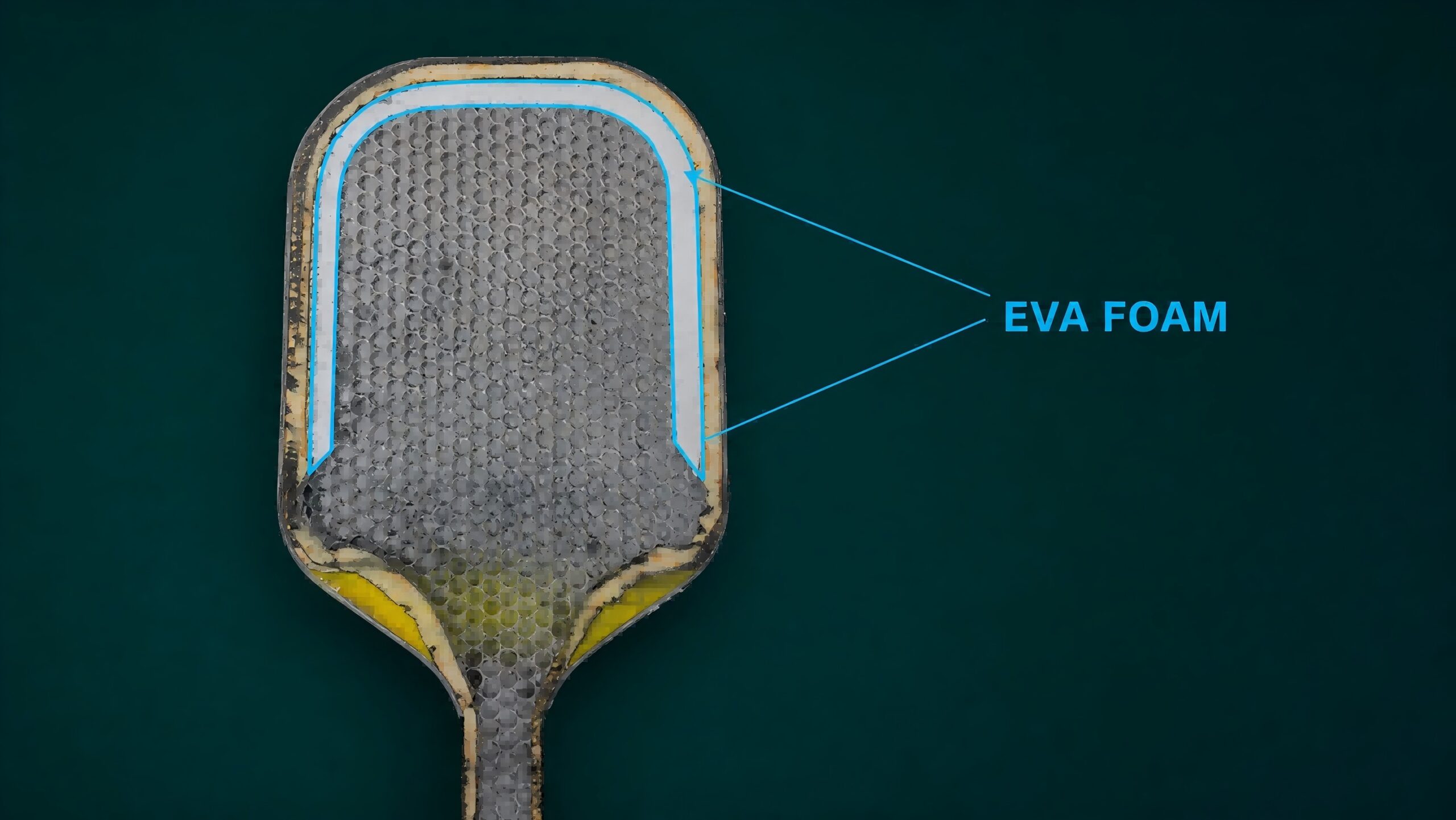
For construction choices, compare carbon-fiber platforms, foam-core options, and the specific production method against the buyer problem you are solving.
5. Run sampling like a production-control process

A sample is not only a visual prototype. It should become the reference for the production specification. Record what was approved so the factory and buyer are comparing future production against the same target.
- Round 1: confirm shape, construction, balance direction, grip, graphics, and basic play feel.
- Round 2: confirm revised details and use production-intent materials where possible.
- Golden sample / approved reference: freeze the version that production should reproduce.
- Production acceptance criteria: define measurable tolerances and visual standards before mass production.
NexaPaddle publishes first-party QA and factory evidence in its Supplier Proof & Factory Evidence Hub and a dedicated paddle QA lab guide. These are useful for supplier qualification, but formal certificates or third-party reports should still be verified separately when a project requires them.
6. Treat compliance as a product requirement, not a badge
If the paddle is intended for sanctioned tournament play, serious retail, or performance-focused buyers, plan USA Pickleball submission and production consistency early. Internal pre-testing can reduce avoidable submission risk, but it does not grant official status.
Important: official USA Pickleball status applies to the exact submitted brand and model. Do not describe a factory, an entire product family, or an unsubmitted variation as “approved” merely because a similar paddle passed testing.
- Freeze the submitted construction and model identity before relying on a listing.
- Keep production materials and process controls consistent with the submitted model.
- Re-check current USA Pickleball equipment rules before a new submission or major specification change.
- Use current official listing language in product pages and marketplace copy.
- If third-party inspection or testing is required, define the provider and scope for the specific order.
For the detailed process, use the USA Pickleball submission and compliance roadmap. Current official requirements should always be confirmed with USA Pickleball equipment standards.
7. Build the launch budget from cost buckets
A realistic launch budget is more than the unit price. Instead of relying on a universal startup-cost number, price each cost bucket for the exact product and market.
- Product development: samples, revisions, reference paddles, and engineering changes.
- Tooling: only when custom molds, fixtures, or structural changes require it.
- Initial production: unit cost multiplied by the confirmed first-order quantity.
- Testing and compliance: any official submission, third-party test, inspection, or documentation required by the project.
- Branding and packaging: artwork, retail packaging, labels, inserts, barcodes, and carton requirements.
- Freight and import: shipping method, duties/tariffs where applicable, customs, and destination charges.
- Launch inventory overhead: marketplace prep, 3PL/FBA costs, photography, samples for creators or retailers, and replacement stock.
This approach produces a budget you can actually manage. It also makes supplier quotes easier to compare because you are comparing the same scope rather than one factory’s bare unit price with another factory’s more complete quote.
8. Confirm MOQ and production timing for the exact SKU
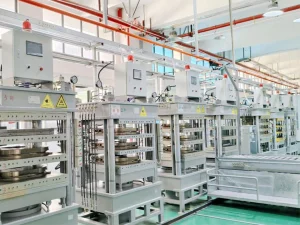
MOQ and lead time are not universal facts. They change with construction, mold, artwork, packaging, material availability, customization scope, current line loading, and order quantity. Existing-platform private-label projects are normally easier to start than fully custom development, but the actual numbers should be confirmed against the current SKU.
Ask the factory for four separate dates: sample completion, specification freeze, production completion, and shipment readiness. Then add buffer for sample revision, compliance work, marketplace setup, and freight. Launch plans fail when every step is scheduled at the optimistic minimum.
9. Design the first order around the reorder
The first production run is a market test and a manufacturing test. Before launch, decide what will trigger a reorder, how much stock must remain while the reorder is in production, and which specification changes are allowed without creating a new version of the product.
- Keep the first assortment focused enough that sales data is meaningful.
- Track returns and customer comments by SKU and production batch.
- Do not change face, core, weight target, or packaging casually between reorders.
- Record approved artwork and packaging revisions.
- Confirm production and QC records for the reorder rather than assuming the first run guarantees future consistency.
10. Use a simple 2026 launch sequence
- Position: choose the buyer, channel, price position, and first SKU.
- Source: shortlist factories and send the same product brief to each.
- Sample: compare samples and freeze the production specification.
- Verify: complete project-specific testing, supplier qualification, and compliance planning.
- Package: finalize artwork, labels, carton requirements, and marketplace/retail needs.
- Produce: approve the production reference and define QC checkpoints.
- Launch: receive inventory, activate the sales channel, and capture buyer feedback.
- Reorder: use sell-through and quality data to plan the next batch before stock becomes critical.
What should you send NexaPaddle before asking for a quote?
For a faster and more useful sourcing conversation, send your target market, buyer type, retail position, expected order quantity, preferred paddle style or reference product, target launch window, and any packaging or compliance requirements. If you already have artwork, include it; if you do not, the project can begin from the product brief.
Before relying on any supplier claim, review the Supplier Proof & Factory Evidence Hub, which separates NexaPaddle’s published company/factory information and first-party media from documents that require separate verification.
Frequently asked questions
How do I start a pickleball paddle brand?
Start with a specific buyer and price position, then choose a white-label, private-label, or custom OEM path. Lock the paddle specification through samples, plan any required USA Pickleball submission for the exact brand and model, approve production and packaging, and launch with a reorder plan rather than a one-off product.
What is the difference between private label and custom OEM pickleball paddles?
Private label normally starts from an existing factory platform or mold and customizes branding, graphics, grip, packaging, and selected specifications. Custom OEM changes deeper product elements such as shape, material stack, construction, or tooling. The right choice depends on differentiation goals, budget, timing, and order size.
What is a practical first paddle for a new brand?
A first SKU should match the buyer and channel rather than follow a single material trend. Existing-mold carbon platforms can reduce development risk for performance-oriented launches, while simpler composite or fiberglass constructions may suit clubs, schools, events, and value programs better.
What MOQ should a new pickleball paddle brand expect?
MOQ depends on the construction, mold, artwork, packaging, and customization scope. Existing-platform private-label programs are usually more flexible than fully custom tooling. Ask the factory to quote the exact specification instead of treating one MOQ number as universal.
How long does it take to develop an OEM pickleball paddle?
Development time depends on mold availability, artwork readiness, sample rounds, packaging, testing requirements, production quantity, and shipping. Existing-platform projects can move faster than fully custom development. Build schedule buffer for sample revision and any required compliance submission.
Do I need USA Pickleball listing before selling my paddle?
Not every recreational product requires listing before sale. If you plan to market the paddle for sanctioned competition, serious retail, or tournament-focused buyers, plan the submission and claim language early. Official status applies only to the exact submitted brand and model under the current rules.
What should I send a pickleball paddle manufacturer for a useful quote?
Send the target buyer, sales channel, target retail position, estimated quantity, preferred construction or reference paddle, shape, thickness, weight target, artwork status, packaging needs, target market, and requested launch window. A complete brief produces a more useful quote than asking for a generic unit price.
For buyers moving from brand planning into bulk purchasing, compare product-base, packaging, MOQ, sampling and reorder requirements in the wholesale pickleball paddles sourcing hub.
For the broader production-footprint and supplier context behind this launch workflow, review NexaPaddle’s pickleball paddle manufacturer and factory overview. Use this guide for launch planning rather than treating it as the generic factory landing page.
Ready to Start Your Paddle Project?
Send your target market, quantity range, artwork status and launch plan to compare OEM and private-label routes for your first production run.
Sources and verification references
- USA Pickleball — Equipment Standards
- NexaPaddle — Supplier Proof & Factory Evidence
- NexaPaddle — Paddle QA Lab Guide
Updated for 2026. Manufacturing, testing, MOQ, production timing, and compliance requirements should be confirmed for the exact product, order, and target market before launch.