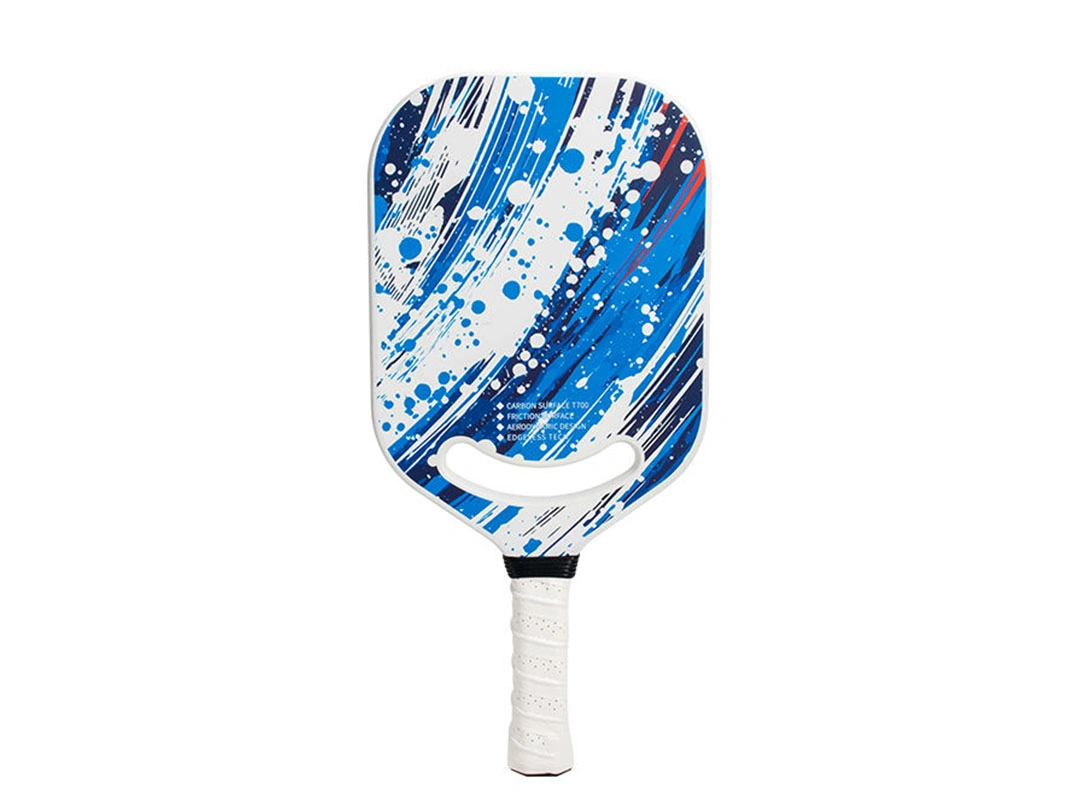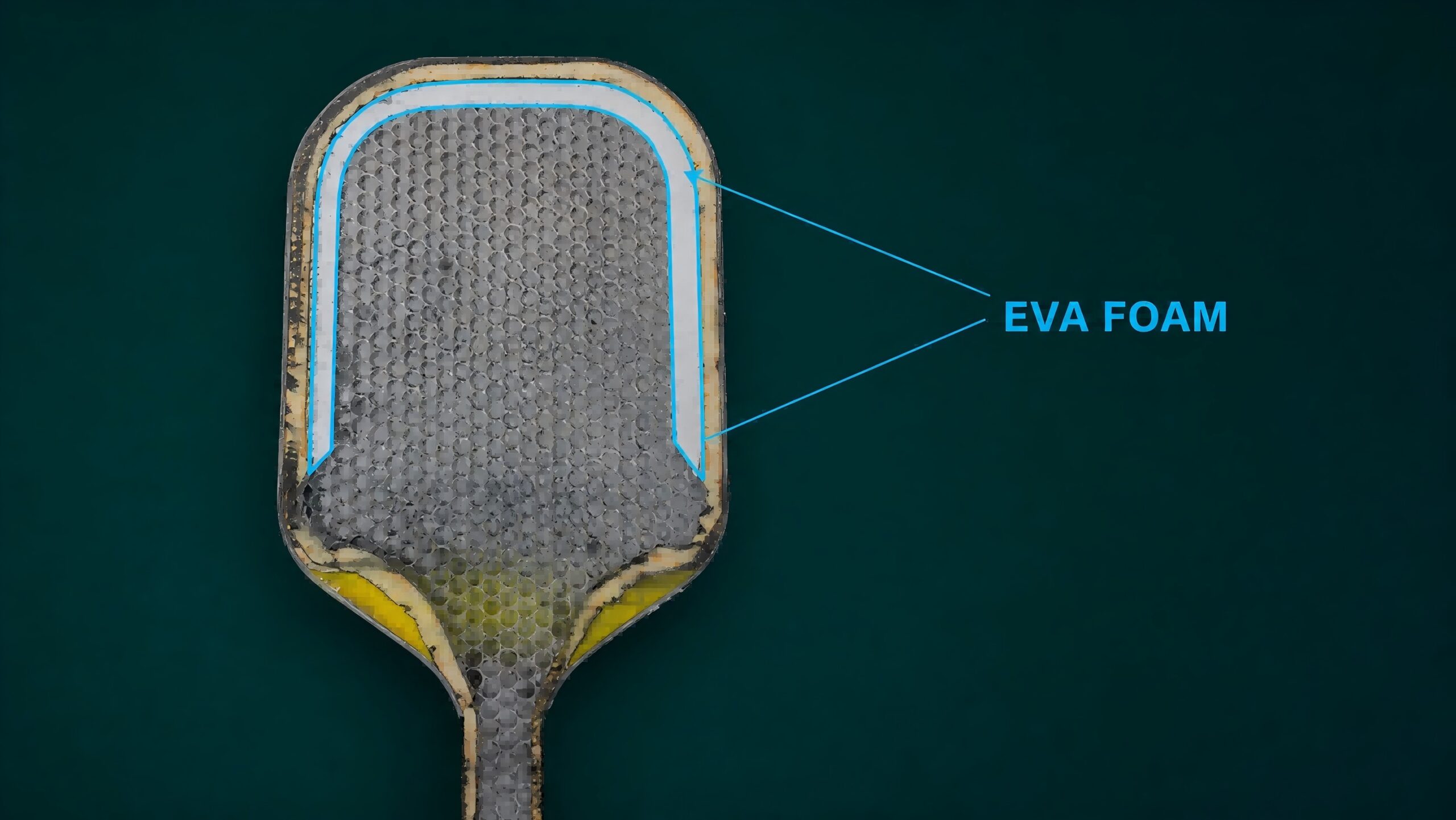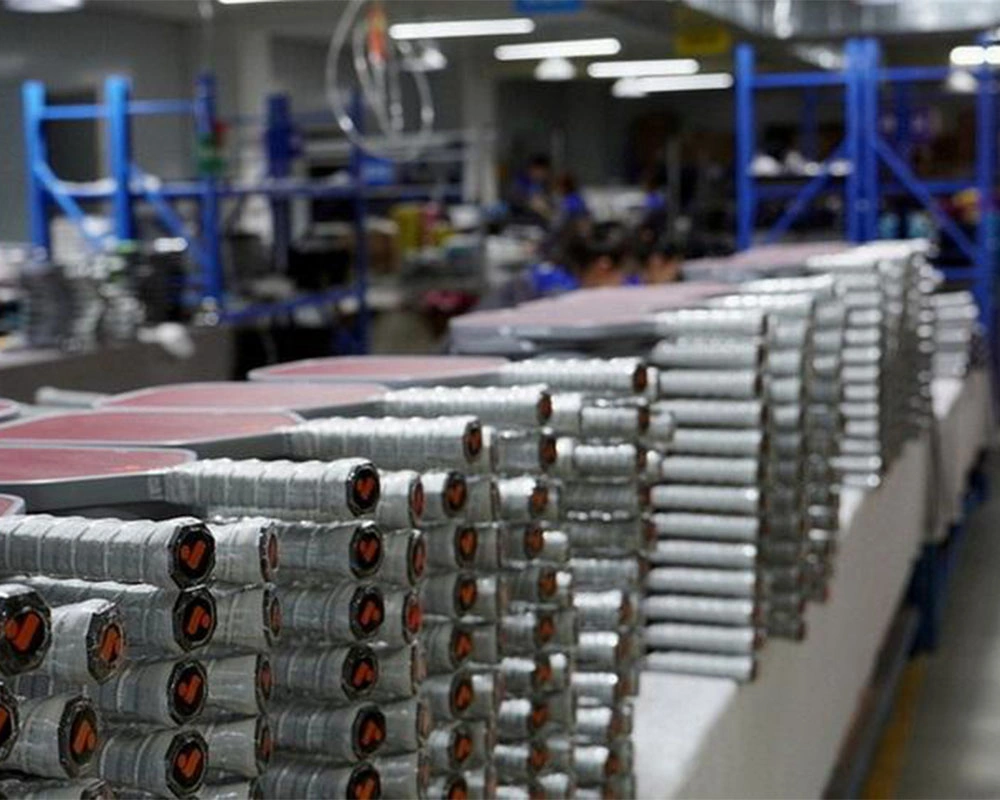
Quick answer: Wholesale pickleball paddle sourcing is not simply “buy more and pay less.” A useful wholesale program starts with the buyer, sales channel and SKU job, then confirms the construction, branding model, sample, packaging, MOQ, QC requirements and reorder plan. For B2B buyers, the best quote is the one that describes the same scope you intend to purchase.
This page is for distributors, retailers, clubs, schools, ecommerce sellers and sporting-goods buyers looking for wholesale pickleball paddles. It focuses on procurement decisions rather than estimated margin percentages or universal savings claims.
Choose the wholesale model first
Stock / ready-platform wholesale
Use an existing product platform when speed and a simpler sourcing process matter more than brand-level differentiation. The buyer should still confirm the exact specification, current availability, packaging and shipment scope.
Private-label wholesale
Private label starts from an existing production platform and adds the buyer’s brand identity, graphics, packaging and selected specification changes. It is a practical route for buyers that want their own brand without starting from a new mold or deeper structural development. See the Private Label Pickleball Paddles programma.
Custom OEM wholesale
Custom OEM is appropriate when the buyer needs deeper changes to geometry, construction, materials, balance, tooling or other product-defining variables. It normally requires more development work and a more detailed approval process. See the Aangepaste & OEM Pickleball Paddles commercial hub.
Build the wholesale assortment around the buyer
Do not select a catalog only by material buzzwords. A distributor serving schools and clubs has a different assortment problem from a performance retailer or a direct-to-consumer carbon-paddle brand.
- Clubs, schools and institutional programs: prioritize repeatable specification, durability, replacement planning, packaging efficiency and clear product identification.
- Retail and ecommerce: define a price position and SKU ladder before choosing construction so the assortment has a clear reason to exist.
- Performance-focused distribution: compare carbon-face, thermoformed, foam-core and other platforms against the target player and acceptance criteria.
- Events and promotional programs: simplify the SKU and branding scope when timing and presentation matter more than deep structural customization.
What determines a wholesale quote?
The unit price is only one part of the commercial scope. Ask the supplier to separate the variables that can change the quote:
- paddle construction and materials
- existing tooling vs new tooling
- quantity per SKU / artwork / color
- grip, edge guard, cap and accessory requirements
- retail box, sleeve, insert, label and carton specification
- sample and revision requirements
- project-specific QA or third-party inspection
- shipment terms and destination requirements
This avoids comparing a bare paddle quote with another quote that already includes branding, packaging or inspection work.
MOQ: confirm it against the exact SKU
NexaPaddle does not use one universal MOQ number for every wholesale paddle. Existing tooling, simpler artwork and standard packaging can allow a more flexible route than new molds, custom structures or specialized packaging. The final quantity is confirmed after the product and packaging brief are clear.
For a sourcing discussion, send an estimated quantity range rather than trying to force the project into a number found in an old blog post.
Sampling before a wholesale order
- Reference / platform selection: identify the product family that fits the buyer and price position.
- Development or branding sample: confirm the construction direction, graphics, grip and packaging where applicable.
- Approved reference: freeze the version production should reproduce.
- Production acceptance criteria: write down the tolerances, visual standards and required records before mass production.
Wholesale QA and production consistency
A wholesale reorder only works when the supplier can reproduce the approved product. The factory and buyer should agree on what is checked, what reference is used, what sampling/acceptance criteria apply and what changes require buyer approval.
See NexaPaddle’s QA Evidence guide for the distinction between internal factory checks, project records, third-party inspection and official USA Pickleball approval.
Supplier verification before placing a bulk order
Before treating any manufacturer claim as procurement evidence, verify the company/factory footprint and request the documents your purchasing process needs. NexaPaddle publishes its current first-party evidence and verification boundaries in the Supplier Proof & Factory Evidence Hub.
You can also review real anonymized OEM Project Snapshots. They show the kind of requirements actual B2B buyers have submitted—without implying that the inquiries became completed orders or customer endorsements.
Plan the reorder before the first shipment
Wholesale sourcing becomes more reliable when the buyer knows what will trigger the next order and which product variables must remain unchanged. Keep approved artwork, packaging revisions and the production specification controlled so a reorder does not quietly become a different SKU.
- Track sell-through and replacement demand by SKU.
- Keep enough inventory buffer for the confirmed production and shipping schedule.
- Record approved specification changes between orders.
- Reconfirm material or process substitutions before accepting them.
- Use the same acceptance criteria for the reorder unless the product is intentionally revised.
What to send for an actionable wholesale quote
- target buyer and sales channel
- estimated quantity by SKU
- target price / retail position where relevant
- reference paddle or preferred construction
- shape, thickness, weight direction and handle needs
- artwork and branding status
- packaging / labels / carton requirements
- target market and compliance requirements
- requested sample and launch window
- QA, documentation or third-party inspection requirements
Wholesale pickleball paddle FAQ
What is the difference between wholesale and private-label pickleball paddles?
Wholesale describes the commercial purchase model: buying paddles in business quantities for resale, distribution, clubs or programs. Private label describes the branding model: the paddles are sold under the buyer’s brand. A wholesale order can therefore be stock, private label or custom OEM depending on the project.
What MOQ should a wholesale pickleball paddle buyer expect?
There is no single MOQ for every paddle. Quantity depends on construction, existing tooling, artwork, packaging, color split, accessories and other customization. The final MOQ should be quoted against the exact SKU and packaging specification.
Can wholesale buyers mix paddle models or colorways?
Sometimes, but the answer depends on production and packaging requirements. Ask the factory to separate the base production MOQ from any minimums created by color, artwork, packaging or accessories.
How should a distributor compare factory quotes?
Compare the same specification and scope: product construction, sample costs, tooling, packaging, QC requirements, freight terms, documentation and lead time. A low unit price is not comparable if other required costs are excluded.
Does factory pre-testing mean a paddle is officially approved?
No. Internal pre-submission checks can help identify avoidable issues, but official USA Pickleball status applies to the exact submitted brand and model through the official process.
Commercial note: MOQ, sample scope, production timing, testing scope and price are confirmed against the exact product and order. This page does not present a universal savings rate or guaranteed reseller margin.