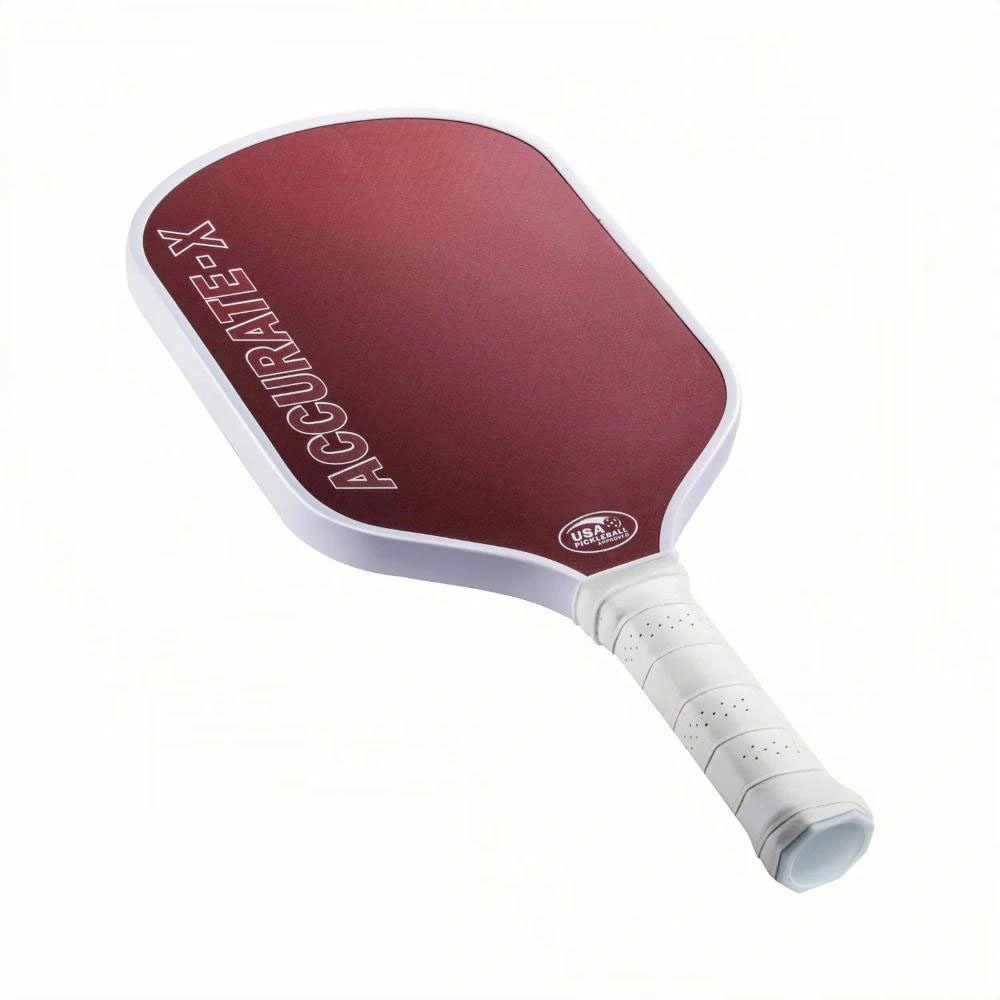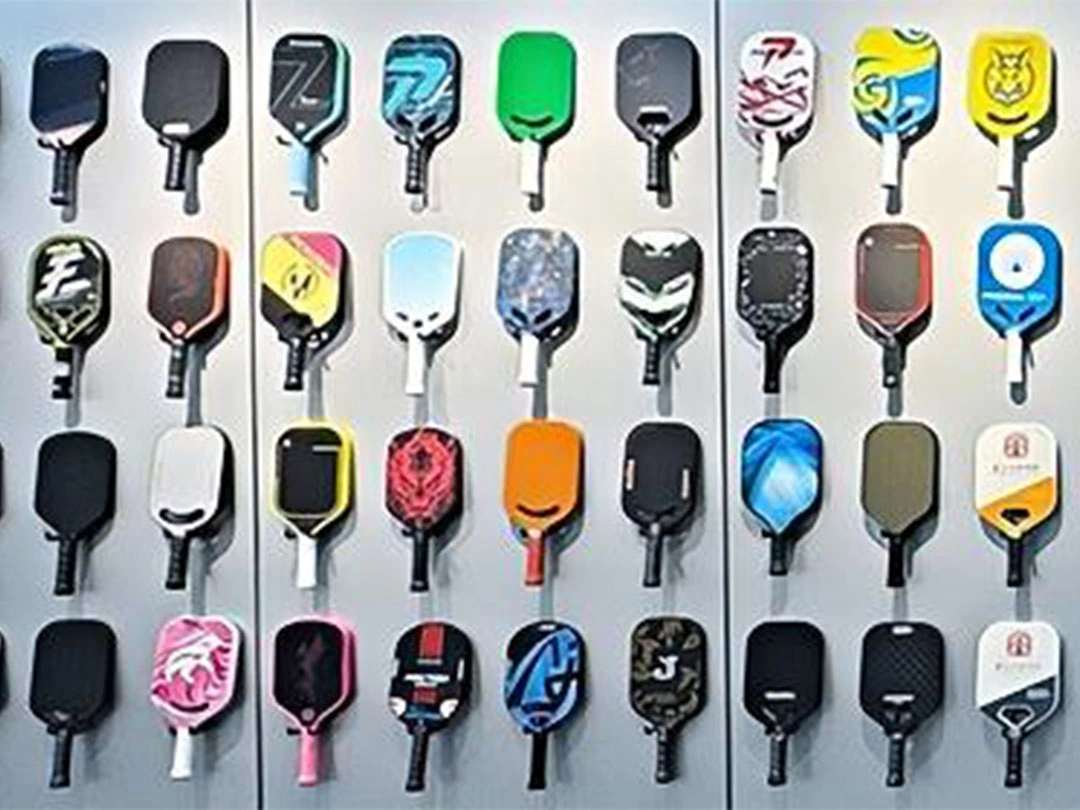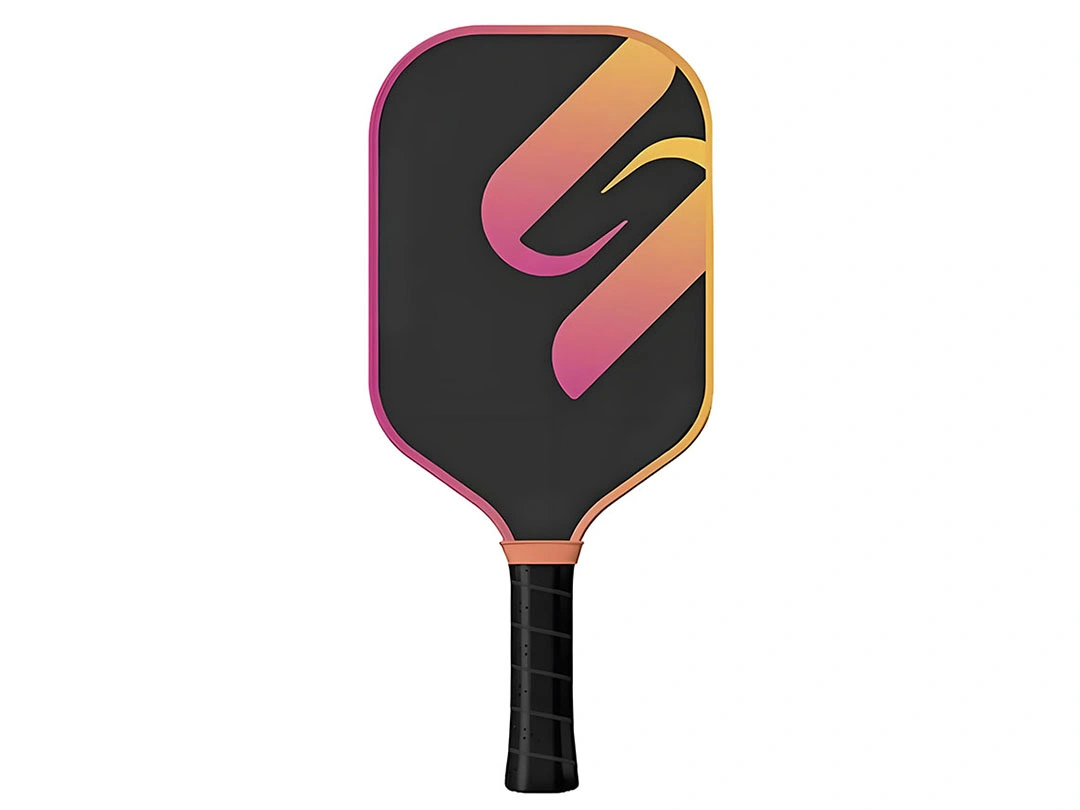
Quick answer: A pickleball paddle sample should not be approved only because it looks or plays well. Before production, tie the accepted physical sample to a written specification, version-controlled artwork and packaging, clear inspection checkpoints, and any known production changes.
Key takeaways
- A good physical sample is not a complete production specification.
- Compare the sample with the written SKU definition before approval.
- Review construction and measured characteristics before cosmetic details take over the discussion.
- Artwork and packaging need version control because they are part of the sellable SKU.
- Document differences between the sample and mass production before the order is finalized.
- One sample does not statistically prove future batch consistency.
- Competition approval should be verified for the exact brand and model, not treated as a factory-wide badge.
For related buyer-side verification, see Supplier Proof & Factory Evidence en Custom Paddle Design & Sampling.
Full transcript
This paddle can look perfect.
It can feel good in play testing.
And it can still be a bad production reference.
Because one good sample does not tell a factory everything that has to be repeated.
A production sample has at least three jobs.
First: product validation. Does the paddle fit the intended player and SKU role?
Second: production alignment. Does the physical build match the specification the supplier is expected to reproduce?
Third: commercial readiness. Can the product be packaged, inspected, presented, shipped, and reordered in the form you actually intend to sell?
Many buyers review only the first question: Do I like this paddle? That matters.
But before production, the better question is: If I approve this sample, what exactly becomes the reference?
The most important sample review is a side-by-side comparison between the physical paddle and the written SKU definition.
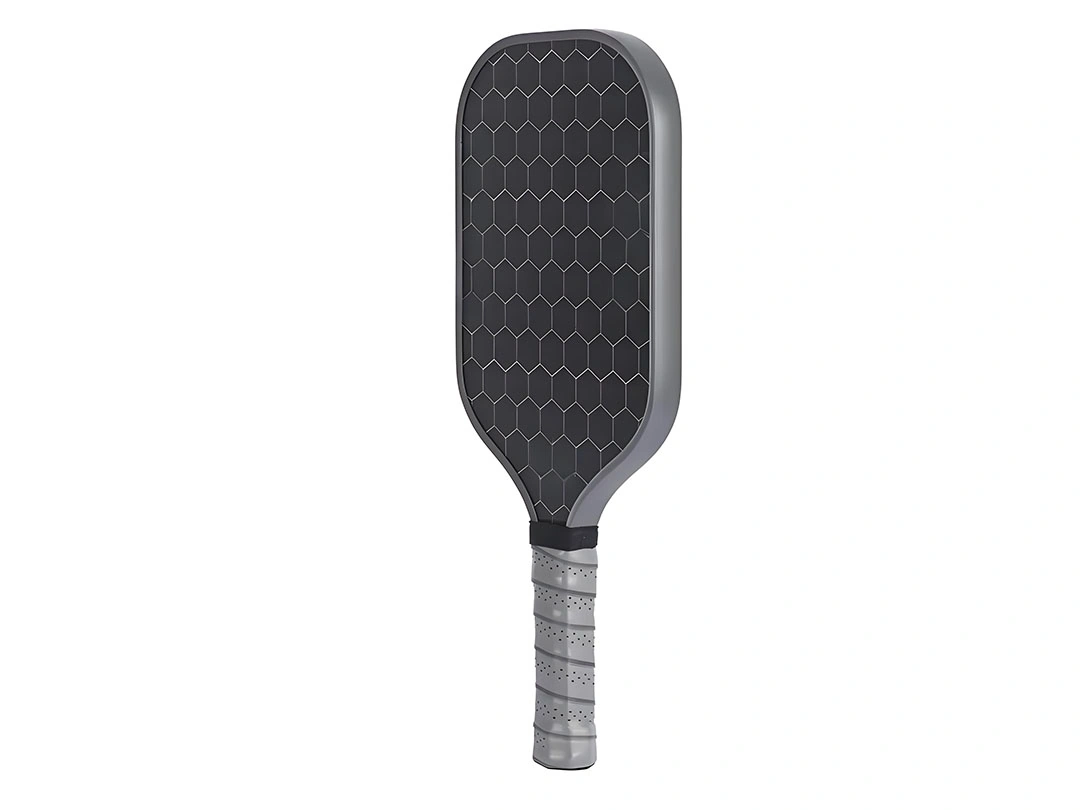
Confirm the construction route, core family, face material, thickness, shape, handle dimensions, target finished weight, grip, edge treatment, surface finish, artwork method, packaging, accessories, and QC notes.
This is why “same as sample” is a weak production instruction.
Same material? Same weight? Same color? Same grip? Same package? Same artwork version?
A physical object cannot carry all of those instructions by itself.
The sample should support the written specification. It should not replace it.
Brand teams naturally notice graphics first. The logo looks real. The colors are finally on the product. It feels like progress.
But construction should be checked before cosmetic revisions take over the review.
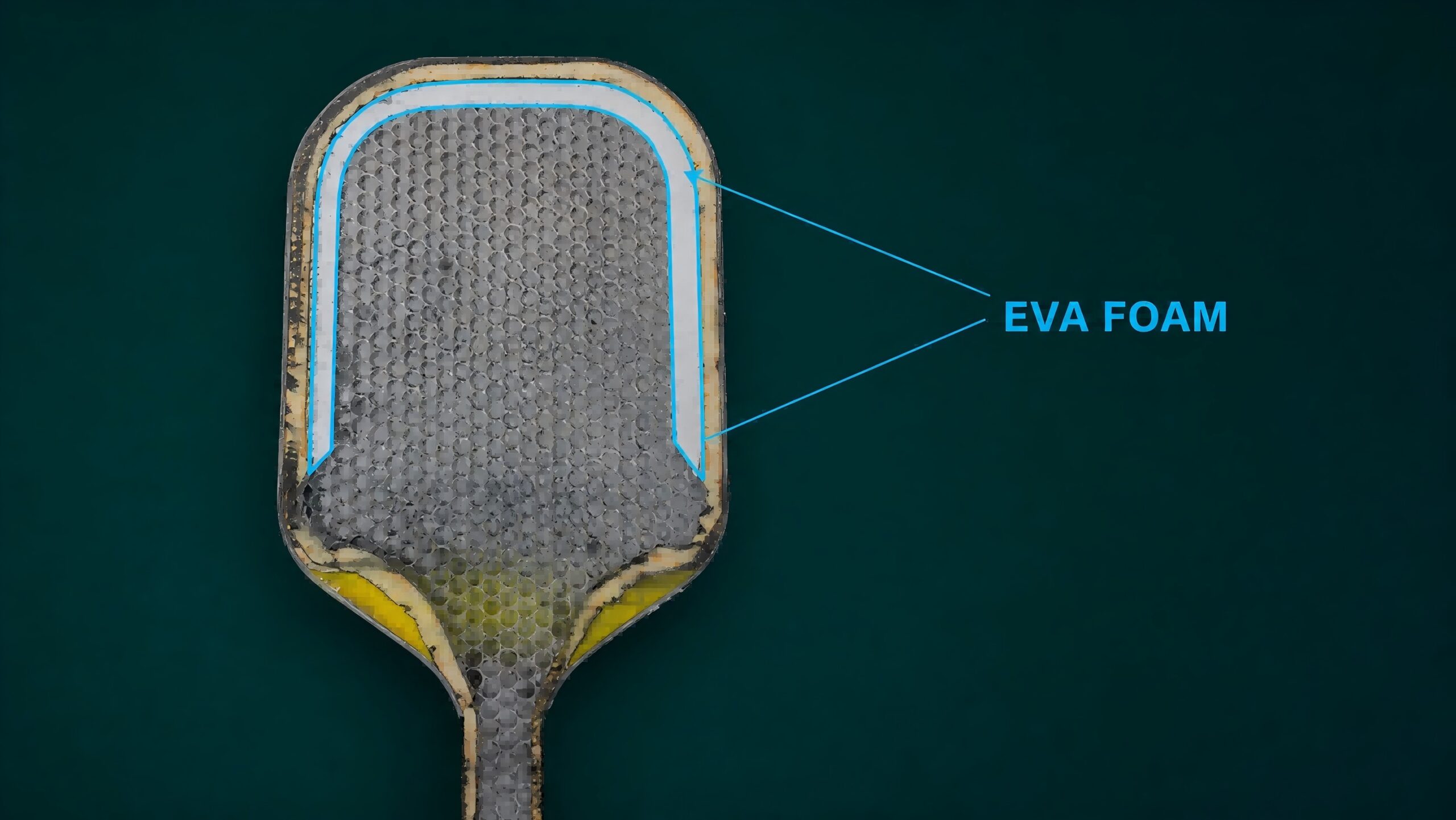
Is the construction method the one being quoted? Does the core match the product brief? Is the face material the specified material? Are thickness, shape, handle configuration, and target weight correct? And are any structural differences expected when production begins?
Two paddles can carry the same headline label—carbon, thermoformed, even the same thickness—and still be different production products.
Review the actual build, not just the category name.
Play testing is one layer of sample review.
After that, inspect the physical build as if you are writing the future inspection plan.
Look at edge alignment, visible finish quality, surface consistency, print registration, logo position, handle wrap, end-cap fit, finished weight, and packaging fit.
The purpose is not to pretend one sample proves future batch consistency. It does not. One sample cannot tell you the statistical distribution of a production run.
The purpose is to identify which characteristics need to be controlled when production begins.
Artwork approval is another place where buyers can approve the appearance but leave the process unclear.
Record the exact artwork file version, decoration or print method, color reference, logo size and placement, surface finish, front-and-back alignment, and packaging artwork version.
If color matters commercially, do not use a phone photo as the only reference. Lighting, screens, and camera processing change appearance.
The important question is: Can the approved visual result be repeated with the planned production process?
Packaging is not a separate afterthought if the buyer is ordering a sellable SKU.
Packaging can affect protection, labeling, presentation, carton configuration, barcode workflow, included accessories, and inspection.
A club program may not need the same package as a retail-display product.
So at the sample stage, record what the first order actually includes. If the final package has not been sampled yet, mark it as pending.
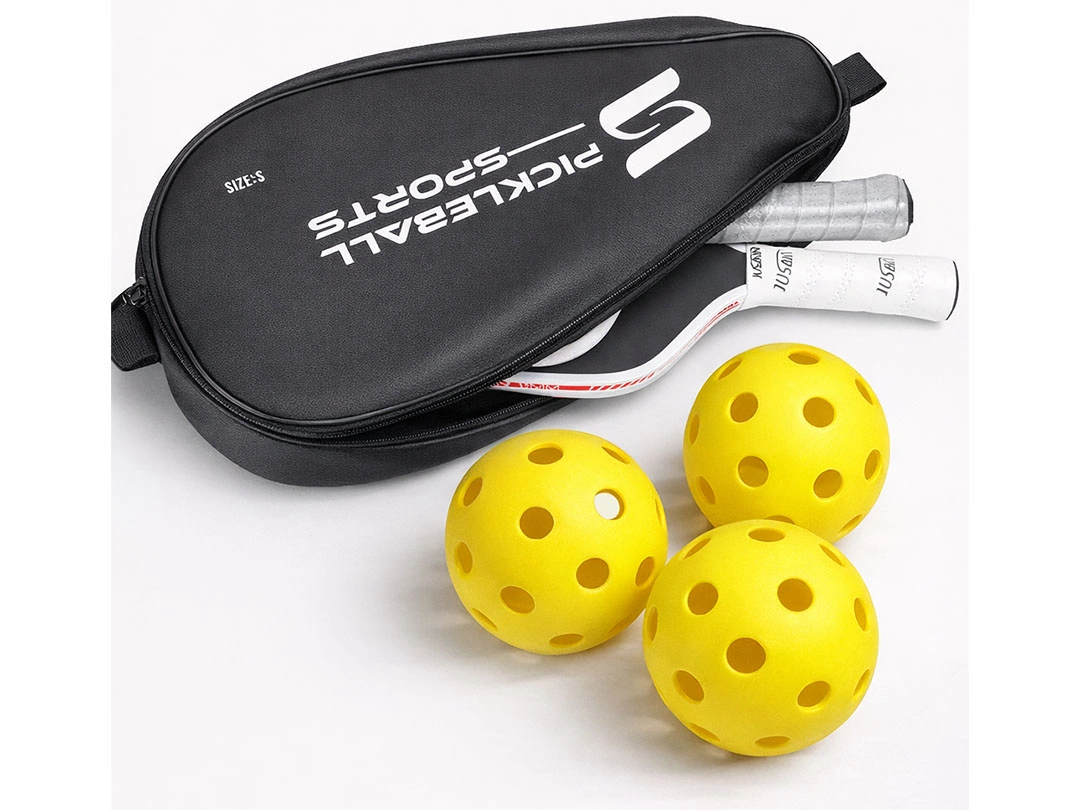
Do not let a temporary sample bag quietly become the production standard.
One of the most useful sourcing questions is also one of the simplest: What will be different in mass production compared with this sample?
The answer might involve a material batch, final artwork, color target, packaging, accessories, grip option, tooling status, or inspection method.
A difference is not automatically a problem. An undocumented difference is the problem.
List the changes before the order is finalized.
Then decide whether each change needs a new physical sample, a packaging proof, written confirmation, a pre-production unit, production photos, or an inspection checkpoint. That is change control.
You do not need complicated software to control this.
A useful sample review sheet can have five columns: review item, status, buyer comment, required action, and production-control note.
Then add the SKU name, sample version, sample date, intended channel, and final approval record.
For each item, use a simple status: approve, revise, or pending.
Now the decision is not scattered across chat messages. The buyer and supplier have one shared reference.
Not every change needs a complete resample.
But a revised sample becomes more important when the change can materially affect product identity, playability, durability, presentation, or compliance.
Examples include changes to construction, core, face material, mold or shape, thickness, target weight, surface process, major artwork method, package structure, or a compliance-related characteristic.
The larger the impact, the stronger the case for physical revalidation.
For a minor controlled change, an updated proof or written approval may sometimes be enough. The decision should match the risk.
If the paddle is intended for sanctioned competition, approval planning should be tied to the exact product being developed.
USA Pickleball’s public Approved Paddle List identifies paddles by brand and model and displays status for individual products.
So do not substitute a factory-level “approved” statement for checking the exact product you plan to sell.
Define the compliance target, develop against the current requirements, complete the required submission or testing path, and verify the exact model before making an approval claim.
A strong approval message identifies the sample and the controls.
For example: We approve Sample V2 subject to the final production specification. Construction, core, face material, shape, thickness, handle, and grip are approved as sampled. Use Artwork V3. Packaging follows Packaging Proof V2. Before production, confirm the final spec, QC checkpoints, and any differences from this sample.
That is very different from: Looks good. Please proceed.
A sample is valuable because it gives the buyer and supplier a chance to define what should be repeated.
Use it to connect product intent, physical validation, written specification, production control, inspection, and reorder.
For more OEM product-development and supplier-verification resources, visit NexaPaddle.com.