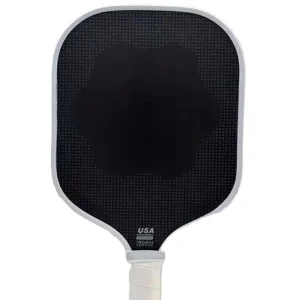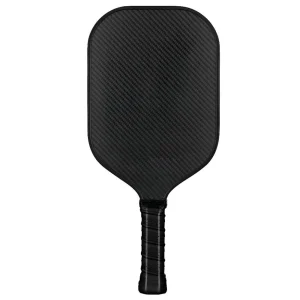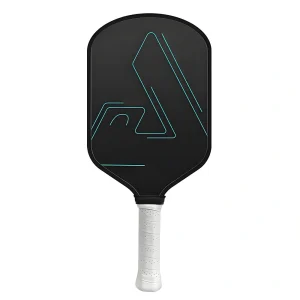
Pro Power Pickleball Paddles Manufacturer
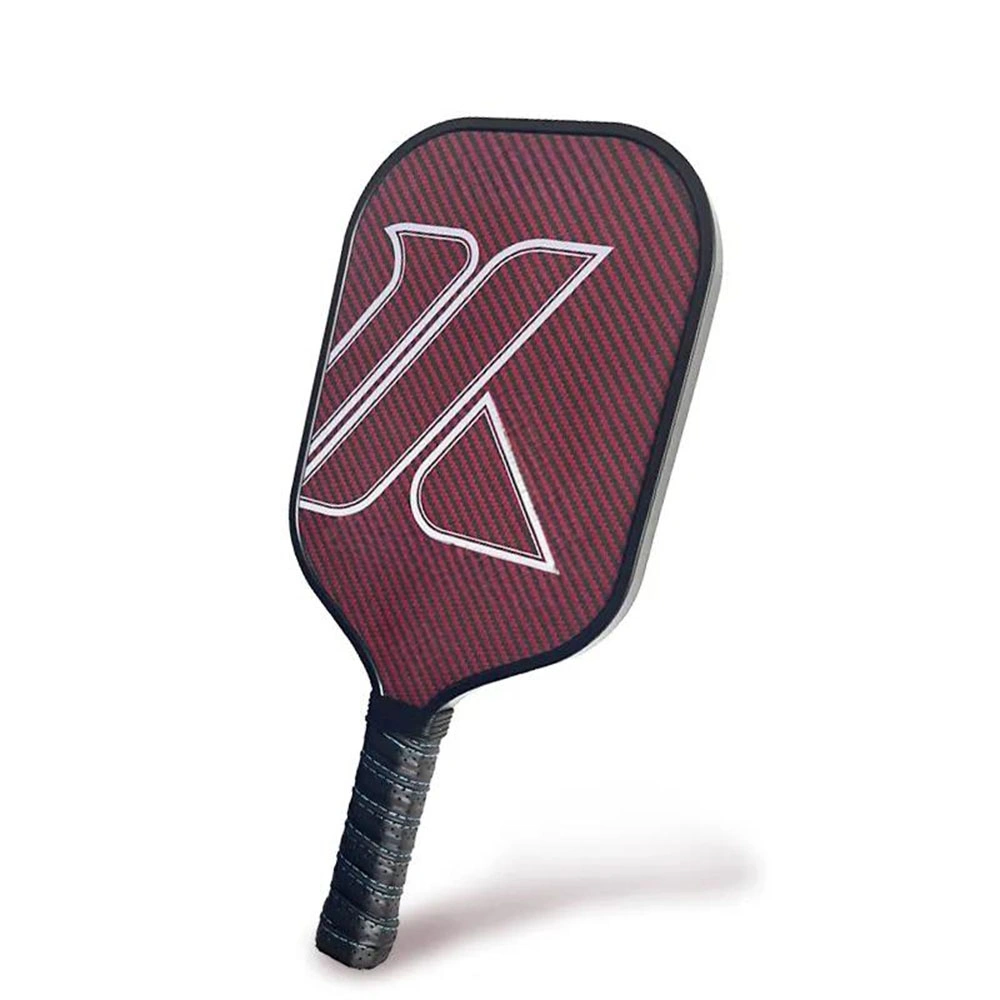
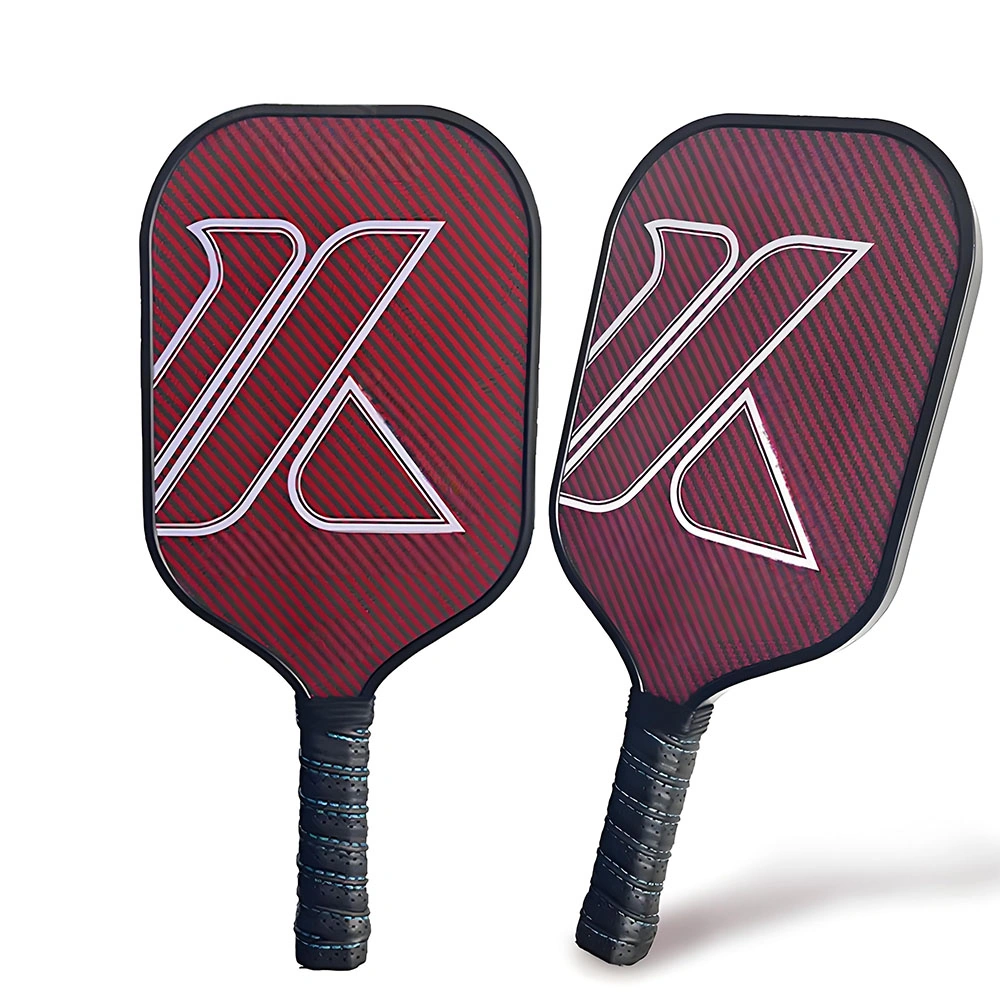
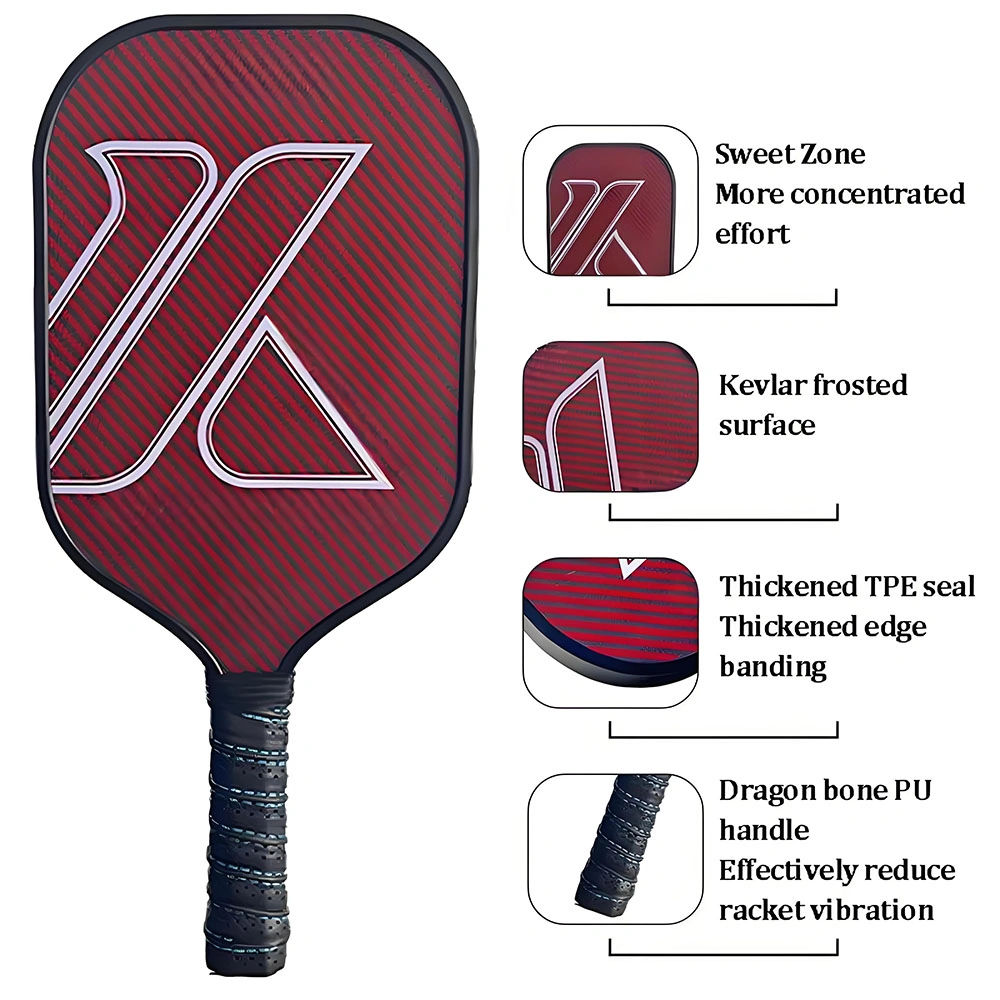
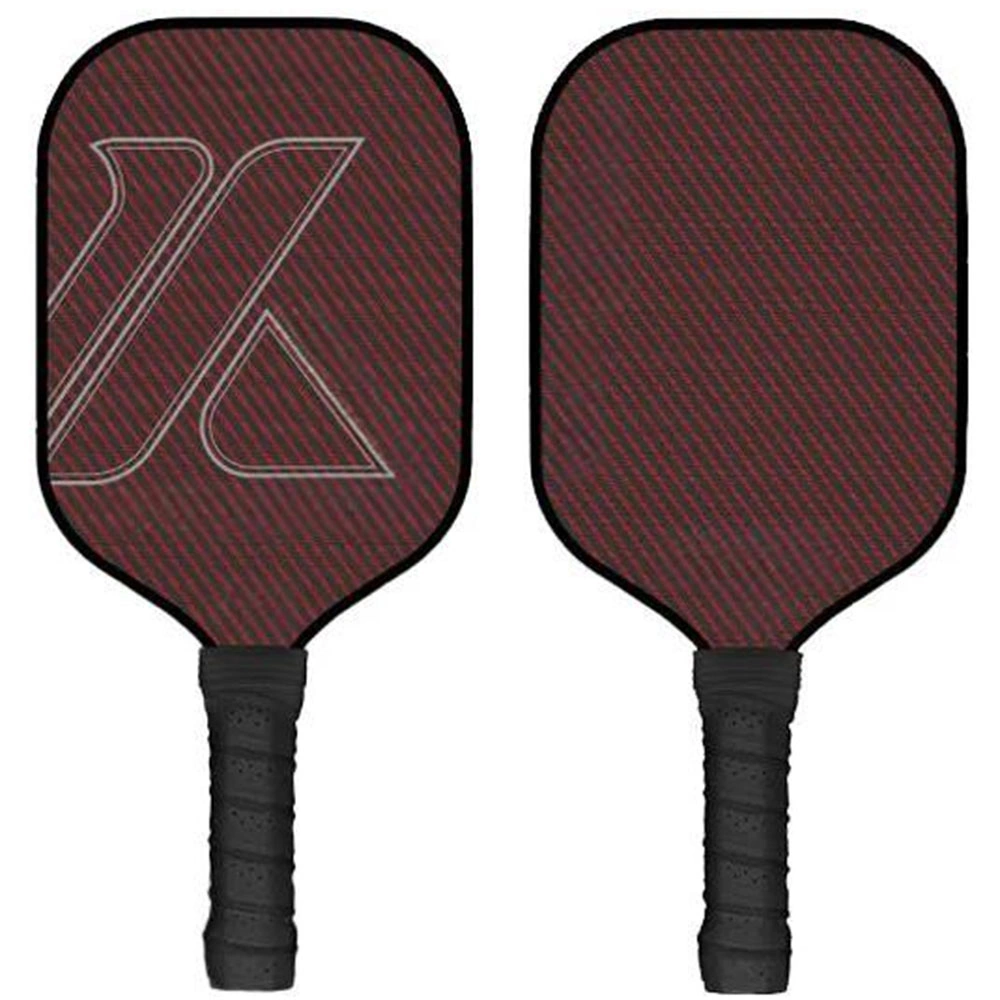

Power-oriented thermoformed paddle platform using T700 carbon-face and polymer-core options. Weight, balance, response, surface, and compliance targets should be verified on the finished project sample rather than inferred from the construction alone.
| Specification Parameter | Detail / Customization Range |
|---|---|
| Face Material | T700 Carbon Fiber options |
| Core Material & Tech | 14mm / 16mm Thermoformed PP Honeycomb options |
| Dimensions (L x W) | 417x188mm (Elongated) / Custom Shapes |
| Weight Range | 220g–235g / 7.8–8.3 oz; final target is project-specific |
| Handle Length & Grip | 139mm reference / custom grip options |
| Manufacturing Process | Unibody thermoforming / hot-press routes |
| USA Pickleball Planning | Internal pre-submission checks can support development; official status applies to the exact submitted brand and model |
| MOQ for Customization | Order-specific; confirm with the final specification and branding scope |
- Advanced Tech & Thermoformed Paddles, Carbon Fiber Pickleball Paddles, Custom & OEM Pickleball Paddles, Paddles by Material, Paddles By Performance, Playstyle Specific Paddles, Power Pickleball Paddles, Private Label Pickleball Paddles, Pro & Advanced Pickleball Paddles, T700 Carbon Fiber Paddles, USA Pickleball Compliance Support
描述
Introduction to Pro Power Pickleball Paddle Manufacturing
For B2B buyers, the useful question is not whether a paddle sounds more advanced, but whether the construction, sampling, QC, packaging, and delivery scope fit the intended channel. NexaPaddle supports project-specific development and sourcing around the buyer’s target product and acceptance criteria.
If this power-paddle concept needs custom construction, tooling, packaging, or engineering validation, continue through the OEM paddle program.
What Defines a ‘Pro Power’ Paddle?
A power-oriented paddle can combine a T700 carbon-face option, polymer honeycomb core, and thermoformed unibody process. Surface, stiffness, response, balance, and spin targets should be defined in the brief and verified on the finished sample.
The Evolution of Power-Centric Designs in Professional Play
Power-oriented play places greater emphasis on reach, swing weight, stability, and response. Product development should translate the target player and shot profile into measurable geometry, weight, balance, and construction requirements rather than rely on athlete comparisons.
Engineering Variables and Construction Options
Material and process choices should be tied to measurable project requirements such as weight, balance, surface, response, durability targets, and compliance planning. Different constructions involve trade-offs rather than a universal performance advantage.
Evaluating Vibration Feel and Core Behavior
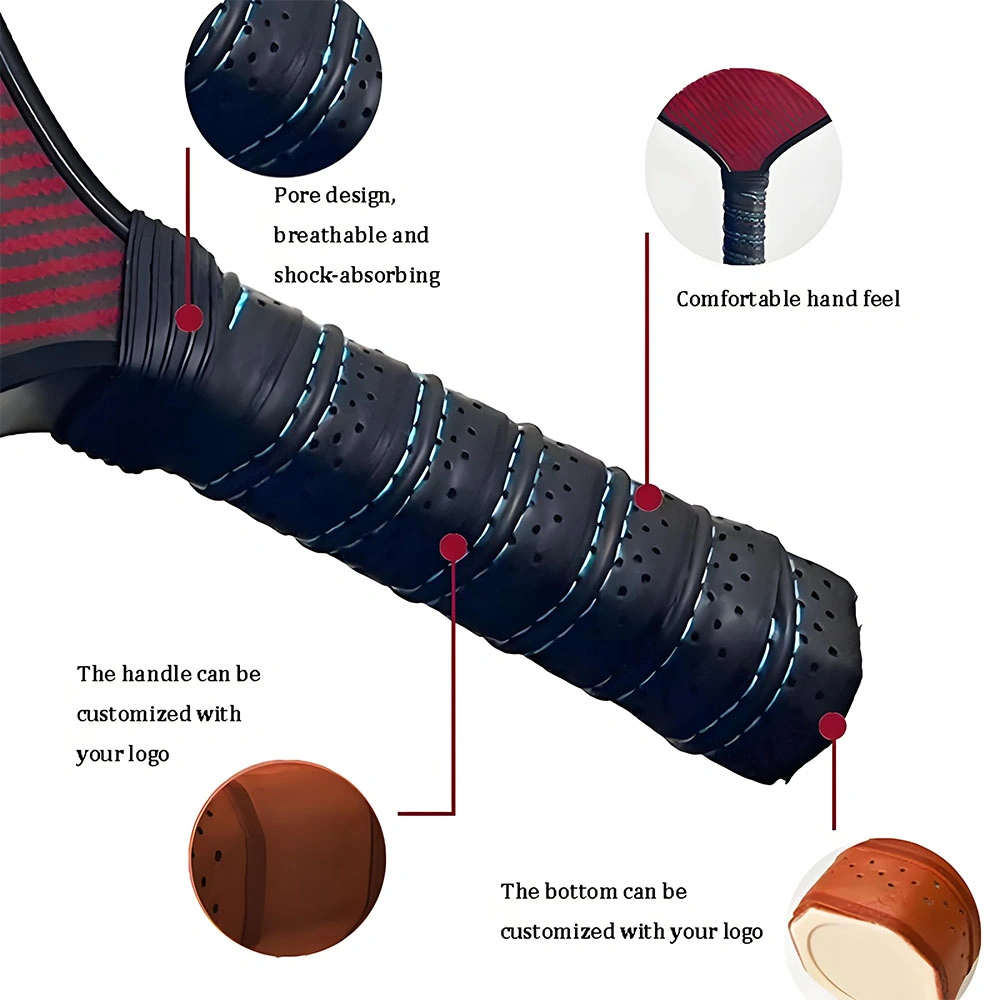
Vibration feel can be influenced by core material, thickness, perimeter treatment, grip, total weight, and balance. If reduced vibration is a project goal, define a test method and compare finished samples; this page does not make injury-prevention or medical-performance claims.
T700 Carbon Fiber: Enhancing Surface Durability and Spin potential
T700 carbon fiber is one available face-material option for projects that need a textured carbon surface. Stiffness, durability, spin, and surface measurements depend on the complete layup and finishing process. When tournament eligibility matters, verify the exact finished model through the current official process.
Evaluating Frame Geometry and Swing Characteristics
Edgeless and other perimeter geometries can be evaluated when swing characteristics are part of the brief. Aerodynamic behavior, stability, and player-perceived speed should be compared on finished samples rather than assumed from the shape alone.
Manufacturing Process and Construction Trade-offs
Manufacturing quality depends on material control, process settings, bonding, finishing, and inspection criteria. NexaPaddle uses project-specific sampling and QC checkpoints so the buyer can approve measurable requirements before production.
Thermoforming vs. Traditional Cold-Press Layering
Thermoformed construction uses heat and pressure to integrate carbon layers, the core, and perimeter into a unibody-style build. Its durability and response should be evaluated against the buyer’s reference sample and acceptance criteria; no universal lifespan improvement is assumed.
The Importance of Unibody Construction for Structural Integrity
Extending face material around the perimeter changes the structural layout compared with a multi-piece build. Twist behavior, off-center response, sweet-spot perception, and durability depend on the complete geometry and material stack and should be tested on finished samples.
Quality Control and USA Pickleball Submission Planning
Project-specific QC can include in-house COF (friction), deflection, surface, size, weight, and other agreed checks before shipment. These checks support development and production consistency but do not grant official approval. USA Pickleball status is determined for the exact submitted brand and model through the applicable official process.
Comparing Pro Power Models: Speed vs. Flight
We offer two core models within the Pro Power line, each tailored to a specific play style and demographic, allowing you to target different segments of the market effectively.
Pro Power Speed: Tailoring Gear for Reach and Leverage
The Pro Power Speed reference uses an elongated 417x188mm shape and a 139mm handle. This geometry provides a longer physical reach than a shorter shape; swing behavior, leverage, and suitability depend on total weight, balance, grip, and the target player.
Pro Power Flight: Optimizing the Sweet Spot for Defensive Play
The Pro Power Flight reference uses a wider body geometry. A wider face changes the available hitting area and balance of the design, but sweet-spot size, forgiveness, and control should be established through the finished construction and sample testing.
User Fit and Specification Adjustment
Empower your customers with the ability to fine-tune their equipment. We provide the platform for a professional-level, customizable paddle experience.
Managing Swing Weight and Twist Weight
Static weight is only one specification variable. For each model, define target swing weight, twist weight, balance, and acceptable production tolerances, then verify them against the approved sample and agreed QC method.
Customization: The Role of Lead Tape and Performance Overgrips
Some players use weighted lead tape or overgrips to change balance, total weight, or grip feel. Any modification should follow the product instructions and applicable competition rules; the resulting play characteristics are user- and setup-dependent.
Future Trends in Pickleball Equipment Manufacturing
Our R&D work evaluates construction, materials, and product-positioning options against the requirements of each project. New materials or processes should be validated on finished samples before they are treated as production specifications.
Evaluating Future Core and Process Options
R&D can evaluate foam integration, polymer-honeycomb variations, and other construction options for future projects. Any performance or sustainability benefit should be supported by the relevant project testing or documented process evidence before it is used as a commercial claim.